
- Composition and properties of ammonia
- How is ammonia useful for pepper?
- Prevents soil acidification
- Quickly restores plants
- Eliminates parasites and pests
- Mechanism of action
- As a top dressing
- As an insect repellent
- How to prepare a solution
- How to dilute the working solution
- Duration and storage rules
- Plant treatment procedure
- Timeframe for completion of works
- Watering at the roots
- Foliar spraying
- Precautions when working with ammonia
Growing bell peppers in a garden depends on the specific developmental characteristics of the plant. Peppers dislike cold soil, low temperatures, and drought. For root development, the vegetable requires additional nutrients. At a certain stage of development, gardeners fertilize their peppers using ammonia.
Composition and properties of ammonia
Ammonia is an aqueous solution of ammonia. The liquid is colorless but has a strong, distinctive odor. It is used primarily for cleaning household premises and for medical purposes.
The chemical and physical properties of ammonia make it suitable for use as a fertilizer for peppers. The advantage of this method lies in the ability of ammonia water to saturate the plant's root system with nitrogen. Its pungent odor helps repel insect pests.
How is ammonia useful for pepper?
Ammonia's effect on bell peppers has several different mechanisms. These mechanisms are rooted in the following properties:
- enter into chemical reactions;
- repel with a strong smell;
- influence the growth and development of plants.
Prevents soil acidification
Soil acidification is a process that occurs as a result of the decomposition of organic plant matter. Acidic soil is unsuitable for peppers. Maintaining a proper soil pH is essential for peppers. Only acidophiles thrive in acidic soil, including plants such as horsetail, moss, blueberries, and blackberries.
Acidification leads to the dominance of heavy substances in the soil: aluminum, selenium, and potassium salts. These prevent nutrients from reaching the pepper roots.
Furthermore, acidic soil becomes a breeding ground for insect pests. With increased soil acidity, adding organic fertilizers becomes useless. Without nitrogen, they cannot be converted into the substrate needed by plants.
![When to plant pepper seedlings in [year], favorable days according to the lunar calendar](https://harvesthub.decorexpro.com/wp-content/uploads/2019/02/foto4-300x200.jpg)
Acidic soil can cause a variety of conditions:
- plant starvation;
- leaf chlorosis;
- arrest of root system development;
- withering.
Quickly restores plants
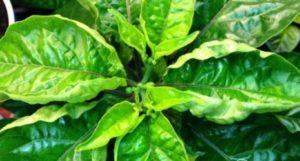
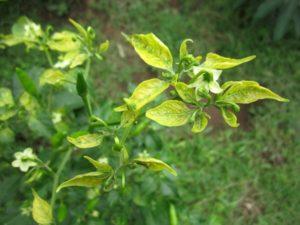
Ammonia water promotes stem development and leaf growth. By absorbing essential nutrients from the soil, the root system begins to develop rapidly.
Signs that peppers need ammonia fertilizing:
- stem fragility;
- shrinkage of leaf blades;
- growth retardation;
- falling of flowers;
- change in color;
- the appearance of dry spots.
Eliminates parasites and pests
Many gardeners successfully combat pests and their subsequent proliferation with the help of ammonia. The pungent smell repels insects.
Mechanism of action
The method of application depends on the method used. Experienced gardeners know that when using ammonia, the proportions must be precisely calculated to avoid harming the pepper.
As a top dressing
Ammonia water helps peppers absorb essential nitrates from the soil, which are converted into nitrogen. Nitrogen is essential for fruit formation, green growth, and increased fruiting potential. Peppers are fed ammonia according to a strictly prescribed schedule. Over-fertilization can be counterproductive.
As an insect repellent
There are several treatment methods to get rid of insects:
- disinfection of seedling boxes to prevent the appearance of ants;
- watering with ammonia solution to get rid of flies;
- Foliar treatment similar to spraying against aphids.
How to prepare a solution
The solution is prepared based on the intended treatment objectives, which determine the solution's concentration.
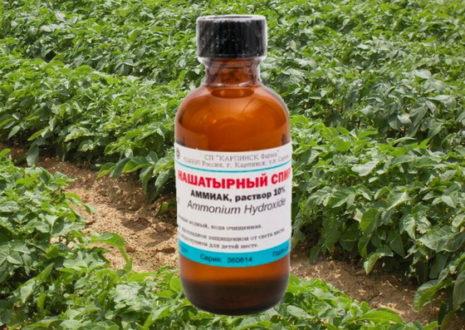
How to dilute the working solution
All mixtures use a 25% ammonia solution. This information is indicated on the label:
- Seedling containers are treated by soaking a cloth in undiluted ammonia. The sides are quickly wiped, one after the other.
- For root feeding, which should help the plant recover, use a solution made from 1 teaspoon of alcohol and 1 liter of water. This mixture should not come into contact with the pepper leaves due to the high concentration of the active ingredient.
- Plant growth can be enhanced by spraying with a solution of 50 milliliters of alcohol diluted in a ten-liter bucket of water.
- To prepare a solution to get rid of aphids, combine 50 milliliters of ammonia, 100 grams of laundry soap, and 1 liter of boiling water. After the ingredients are completely dissolved in the water, spray the above-ground parts of the pepper plants with the solution.
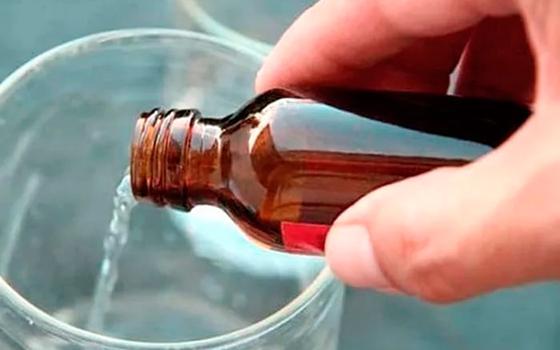
The working solution has 3 concentration indicators:
| Minimum | 1 tablespoon | 10 liters of water |
| Average | 3 tablespoons | 10 liters of water |
| Maximum | 1 teaspoon | 1 liter of water |
The concentration of ammonia water is taken into account when carrying out all types of work.
Warning! Failure to follow the dosing instructions may result in burns and death of the peppers.
Duration and storage rules
Ammonia contains volatile elements, so solutions for treatment should be prepared immediately before use. Storing the solutions is not recommended.
Plant treatment procedure
Ammonia water is used as a soil fertilizer. This helps improve the quality of soil where related crops have been growing for several years, and the soil is constantly being rejuvenated. Many people wonder how to fertilize peppers with ammonia without harming the plants. The procedure follows several guidelines.
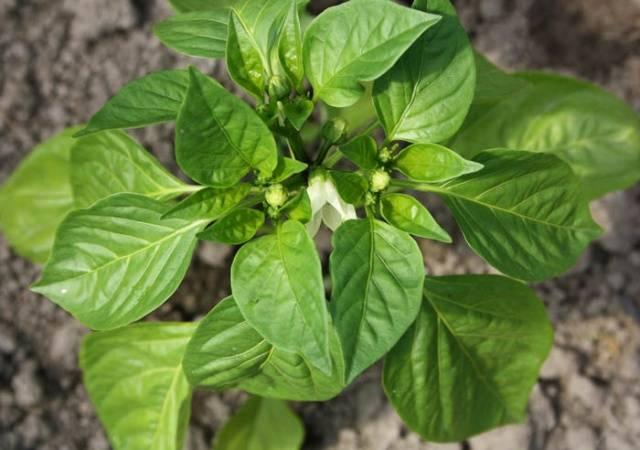
Timeframe for completion of works
All ammonia water fertilization should be done after heavy watering, when the soil remains moist and able to respond quickly to the fertilizer. The best time to apply is the morning or evening of a cloudy but warm day.
Fertilizing begins after planting peppers in open ground.For peppers, fertilizing with ammonia 2-3 times throughout the season is sufficient. Foliar feeding is performed as needed.
Warning! Peppers are harmed by excess nitrogen, so avoid using organic fertilizers when using ammonia.
Watering at the roots
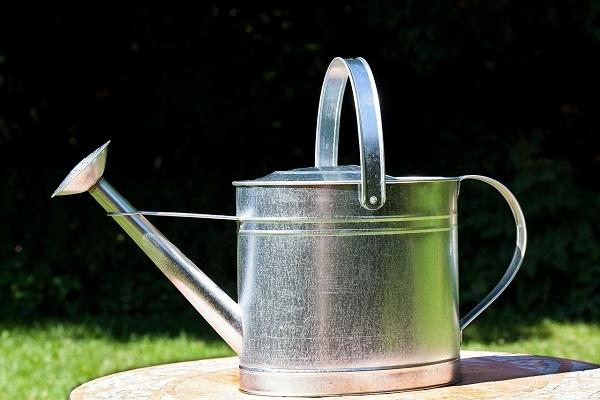
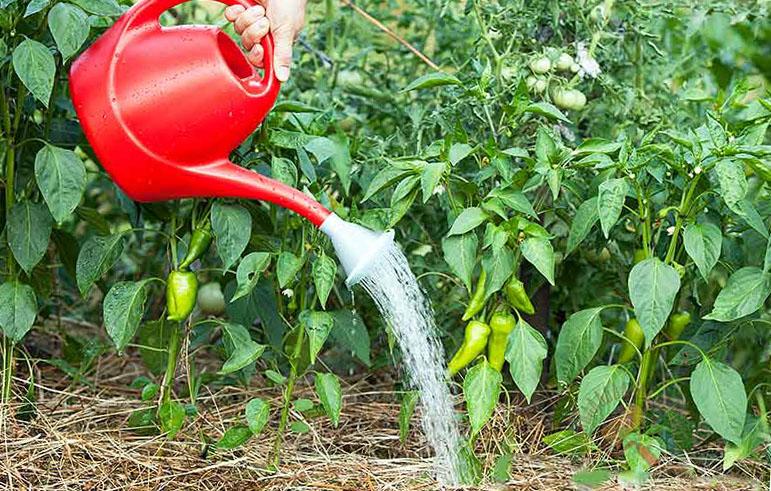
To nourish the soil or restore the plant, water the roots. This type of feeding is more effective because the ammonia water reaches the roots directly, saturating the plant from the ground up.
To avoid washing away the soil, use a watering can with a nozzle that delivers a gentle stream of water. Direct the stream toward the soil near the stem, avoiding the base of the plant or lower leaves.
Foliar spraying
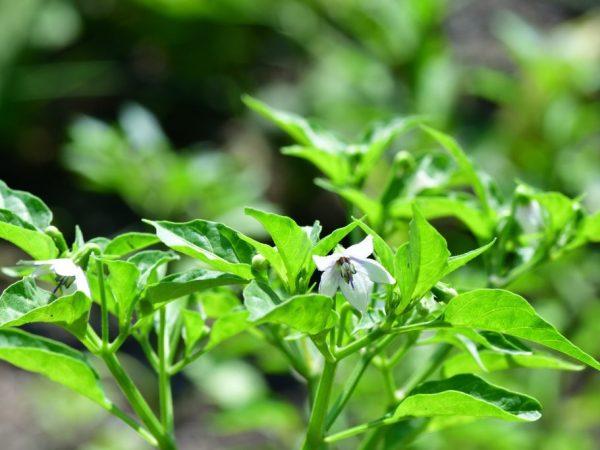
Sprayers are used for spraying, allowing for minimal use of the product. The concentration of ammonia after this type of treatment decreases, so the leaves tolerate it well. Spray from a distance of no more than 20 centimeters to avoid burning.
Warning: If pests begin to appear on the plant and it needs to be sprayed, the fruit should be thoroughly washed with hot water after treatment.
Precautions when working with ammonia
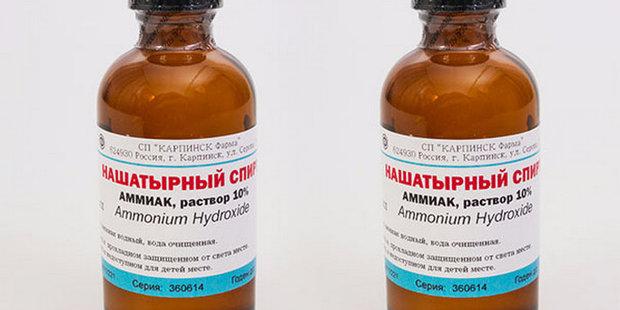
For gardening, ammonia is purchased from specialized plant care stores. It contains a 25% ammonia solution, which is used to prepare working solutions. Pharmacies sell a solution with a lower concentration of 10%. It is not used for gardening.
Ammonia water vapor can cause poisoning. If you don't have respiratory protection while gardening, you could suddenly inhale the alcohol and damage your respiratory tract. Therefore, it's essential to use protective equipment:
- rubber gloves;
- cap;
- glasses;
- polyethylene apron.
These protective elements will help prevent the product from coming into contact with your hands, clothing, or eyes. An allergic reaction to ammonia inhalation develops rapidly, requiring immediate medical attention. The main signs of poisoning are:
- cyanosis of the nasolabial triangle;
- holding your breath;
- nausea, vomiting;
- dizziness, loss of concentration.
Working in enclosed spaces is particularly dangerous. This includes fertilizing in greenhouses. To ensure safety, open windows or ventilators beforehand and ventilate the area for 15-20 minutes after completing the work.
Related posts:
 How to properly feed cucumbers with ammonia, application instructions
 How to treat cabbage with ammonia to kill pests
 How to feed carrots with ammonia: preparation and processing
 Using boric acid for spraying and treating peppers
 How to control carrot flies with ammonia, treatment methods, and watering
 How to treat and feed garlic with ammonia, and watering rules
 Description of the best pepper varieties for greenhouses and open ground in 2025
 Why peppers don't grow in greenhouses and open ground after planting, and what to do about it