
- What do sweet peppers like?
- How to determine what your peppers are lacking: signs of fertilizer deficiency
- Features and effects of various fertilizers on plants
- Mineral fertilizers
- Organic fertilizers
- Popular folk recipes for fertilizing crops
- Iodine and yeast
- Milk with iodine
- Banana peel
- Nitroammophoska
- Serum
- Superphosphate
- Bird droppings
- Nettle infusion
- Eggshell
- Dolomite flour
- Phosphate rock flour
- Bone or fish meal
- Urea
- Fertilizer application methods
- Under the root
- Foliar method
- Top dressing at different stages of development
- Fertilizing seedlings after picking
- We organize fertilizing after planting in open ground
- During the period of flowering and ovary formation
- During fruit ripening
Fertilizing bell peppers in open ground is essential for growing a decent harvest in the fall. However, many gardeners make the mistake of ignoring this procedure. While peppers may produce a harvest, the soil gradually becomes depleted, and crop growth declines. Fertilizers come in two forms: mineral and organic. The type of fertilizer chosen depends on the growing season.
What do sweet peppers like?
When growing bell peppers, adding nutrients to the soil is essential. Sweet peppers respond well to any type of fertilizer. The plants thrive in well-moistened soil; drying out the soil is detrimental to the plants.
Both organic and mineral fertilizers can be used for plant nutrition. You can also make your own. Organic fertilizers include rotted manure, bird droppings, and dolomite flour. Mineral fertilizers include complex plant fertilizers, with potassium, phosphorus, and nitrogen added separately to the soil.
The main thing is to create a fertilizing schedule and strictly follow it, then by autumn the soil will not be depleted and you will be able to grow a rich harvest of sweet peppers.
How to determine what your peppers are lacking: signs of fertilizer deficiency
You can tell if your pepper plants are lacking nutrients by their appearance. Micronutrient deficiencies can be identified by the following signs:
- If the leaves begin to turn pale, yellow, and gradually fall off, it means the bushes lack nitrogen.
- With a lack of phosphorus, the leaves take on a purple color, which gradually turns red-purple.
- Lower leaves begin to turn yellow if there's a potassium deficiency in the soil. The veins on the leaves remain green, but the edges turn yellow.
- A calcium deficiency causes gray-yellow spots to appear on the foliage. Young leaves become underdeveloped and deformed. The tips of the fruit rot, and the plant itself stops growing.
- Yellow-green spots appear when the bushes lack zinc. They then turn brown and eventually fall off.
- Iron deficiency is indicated by the appearance of yellow veins on the leaves.

Peppers begin to grow poorly and stop producing fruit, not only when there's a deficiency but also when there's an excess of nutrients in the soil. Fertilizers should be applied sparingly.
Features and effects of various fertilizers on plants
Before learning how to feed bell pepper bushes, you need to study how the application of different types of fertilizers affects plant growth.
Mineral fertilizers
Most often, phosphorus and nitrogenous substances are used as mineral fertilizers, or bushes are fed with potassium fertilizers. Before adding mineral substances to the soil, they are either diluted in water or sprinkled on the soil and then the beds are watered with warm water.


Minerals have a beneficial effect on seedling growth and development, fruit set, and fruit production. Potassium and phosphorus, for example, also improve the taste of vegetables. Nitrogen accelerates seedling growth and foliar mass development.
Organic fertilizers
The most commonly used organic matter includes rotted manure, dolomite and bone meal, compost, weed infusions, and peat. Organic matter promotes vigorous growth of seedlings and bushes. It has a positive effect on crop yields and acts as a preventative measure against diseases, as it boosts plant immunity.

Popular folk recipes for fertilizing crops
To feed bell peppers, you don't need to buy organic fertilizer. You can make your own at home. Many of the ingredients can be found in your kitchen.
Iodine and yeast
Iodine is often used as a fertilizer for various crops. This product not only kills fungal spores and insect larvae in the soil but also enriches it with nutrients. To prepare, dissolve 2 drops of iodine in 1 liter of warm water. Mix thoroughly and water the plants.

To prepare yeast dressing, take one packet of yeast and dissolve it in 3 liters of warm water. Let it steep for 3 hours. Then water the pepper beds.
Milk with iodine
Another option for fertilizing shrubs is iodine mixed with milk. To prepare the fertilizer, you will need:
- 1 liter of fresh milk;
- 3 liters of water;
- a few drops of iodine.
Dissolve milk in water and add a few drops of iodine. Mix thoroughly. Spray the bushes. This spray creates a protective film on the leaves, thereby preventing the development of diseases.

Banana peel
Banana peels are also used as an organic fertilizer for bell peppers. To prepare the solution, puree the peels in a blender and add warm water. Then, pour into a jar and store in a dark place for several days. Shake the mixture regularly.
Before using banana fertilizer, it is diluted in water and only then the beds are watered.
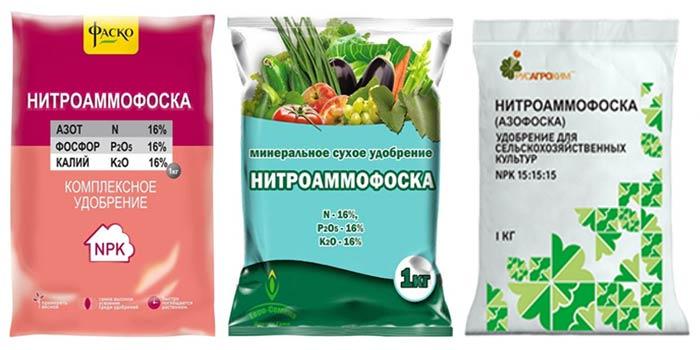
Nitroammophoska
Nitroammophoska contains nitrogen, potassium, and phosphorus. It is either sprinkled on the soil and then watered with warm water, or diluted in water and then watered into the beds. At least 500 ml of the solution should be applied under each bush. Nitroammophoska has a positive effect on fruit set.
Serum
Spraying plants with whey is beneficial. Use 250 ml of whey per 1 liter of water and add 2 tablespoons of sugar. Mix all ingredients thoroughly and water the pepper beds with the resulting solution. Seedlings are also sprayed with the solution when they have three full-fledged leaves.
Superphosphate
To ensure good growth, superphosphate is added to the soil. Superphosphate contains phosphorus, which promotes the development of a strong root system of sweet pepperSuperphosphate is diluted in water and the beds are watered with the solution in the evening.
Bird droppings
To actively promote foliage growth, bushes can be fed with poultry manure. Before using it for this purpose, dilute it in warm water. Fresh manure is very concentrated and, if added to the substrate in large quantities, can burn the plant's root system.

Nettle infusion
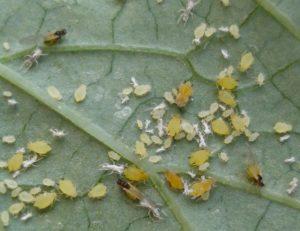
An infusion of freshly cut nettles stimulates seedling growth. To prepare the infusion, fresh nettles are crushed and covered with water. The infusion is left to ferment for 2-3 days in the sun. To speed up the fermentation, a small amount of dry yeast is added. Before watering, the nettle infusion is diluted with warm water.
Pepper plants should be watered with a plant growth promoter in the evenings, after sunset. Any weeds from the garden can be used instead of nettles.
Eggshell
Eggshells are often used when the soil lacks calcium. Only shells from fresh eggs are suitable. Cooking breaks down the calcium, making the shells useless as a fertilizer.

Fresh shells should be crushed and mixed with compost, then added to the soil and thoroughly mixed with the soil.
Dolomite flour
Dolomite flour is scattered over the bed and then watered. The fertilizer can also be added to the hole during planting. For increased effectiveness, dolomite flour is added along with compost or manure.
Phosphate rock flour
Rock phosphate is applied once every 3-4 years. This fertilizer has a long break-down period, so there is no need to add it every year. After harvesting, rock phosphate is applied to the soil and then dug in.

Bone or fish meal
Bone meal is added to the soil during the pepper fruiting period. It is also used in conjunction with compost. Another way to incorporate bone meal into the soil is to mix it with manure after harvesting. By spring, the soil will be fertile, and the peppers will produce a bountiful harvest.
Urea
Urea is applied to the soil in cloudy weather. The urea is diluted in warm water and watered into the beds. It's important to avoid contact with the leaves, as this can cause severe burns.

Fertilizer application methods
Nutrients are added to the soil in different ways, depending on the species. There are two methods for applying fertilizer to the soil.
Under the root
Before applying nutrients to the roots, you need to know how to do it correctly. Fertilizers are added directly to the roots of the bushes. The main thing is to avoid getting any fertilizer on the pepper's foliage when watering. Fertilizers applied to the roots are very concentrated and can burn the leaves.

Foliar method
With the foliar method, the beds are simply watered with fertilizer. In this case, it's important to moisten the peppers so that the liquid reaches the leaves. Most often, foliar fertilizers are used to fertilize the plants with organic fertilizers.
Top dressing at different stages of development
Bell peppers require different types of fertilizer at different stages of the growing season. They especially need additional nutrients during the growing season.
Fertilizing seedlings after picking
The first feeding of peppers is done after picking. During this period, watering the bushes with wood ash diluted in water or complex mineral fertilizers is most effective. Seedlings are watered with chicken manure diluted in warm water approximately 7-8 days after picking. The first feeding is done in the spring.

We organize fertilizing after planting in open ground
The second time, nutrients are added to the soil after the seedlings have been transplanted to their permanent location. Before planting the seedlings in the bed, the soil is mixed with rotted manure. Dolomite flour is added to the holes.
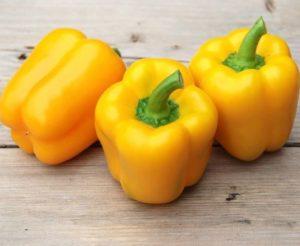
Fertilize the plants two weeks after transplanting. Use mineral fertilizers. For example, you can mix 2 teaspoons of superphosphate and 1 teaspoon of urea. Dissolve the fertilizer in water and water the soil after planting the seedlings.
After a few weeks, the seedlings are watered with organic fertilizer. During this period, the seedlings primarily need nitrogen, so nettle or weed infusions are used. Nitrogen-containing fertilizers have a positive effect on the growth of the bushes.

During the period of flowering and ovary formation
During the growing season, when flowering and fruit set begin, peppers require phosphorus- and potassium-containing fertilizers. Nitrogen should not be used during this time. Potassium is added to the soil during flowering. Urea or potassium magnesium sulfate is diluted in water, and the resulting solution is used to water the beds. Complex fertilizers, such as "Ecohuminate" or "Dachnik," have a positive effect on fruit set. These are applied to the roots, and then the beds are watered.
Herbal infusions or the use of eggshells are also effective.
During the fruiting period, peppers require phosphorus. Phosphorus-containing fertilizers promote fruit set and improve the taste of the vegetables. Superphosphate is added to the soil, and watering the beds with mullein diluted in warm water is also beneficial. Every four years, the soil is mixed with rock phosphate. This fertilizer provides long-lasting nutrient supply to the soil.

During fruit ripening
Phosphorus and potassium are also used during fruiting, and organic matter is also essential. Fertilizing during the fruiting period is essential for fruit growth and improved flavor. It's important not to overfeed the bushes. If there's an excess of nutrients in the soil, the bushes will stop bearing fruit, but will actively develop foliage.
Complex mineral fertilizers are suitable for increasing yields. Also, sprinkle the beds with wood ash several times a month and then water them. During the fruiting period, applying bone meal is effective. Bone meal is also scattered near the bushes and watered. These procedures are carried out in the evening, after sunset. It is best to carry out all fertilizing of bell peppers in the evening, especially in the summer when it is hot outside. If water gets on the leaves, the bushes can become severely sunburned and die due to the sun's rays.
Related posts:
 How and what to feed watermelons in open ground after planting, during flowering
 Planting, growing, and caring for bell peppers in open ground
 Carrot care guidelines for outdoor cultivation to ensure a good harvest
 How to grow peppers from seeds at home: choosing a variety, planting, and care
 What is the best way to feed peppers after planting them in a greenhouse? Which fertilizers should be used and when?
 How to feed onions after germination and before harvesting to ensure they grow large throughout the season
 What is the best way to feed tomato seedlings to make them plump?
 Why are pepper leaves turning white? What to do and how to feed them in a greenhouse and in the ground.