
The Bamberger onion, described on gardening websites, was created in Germany by breeders who succeeded in producing a unique variety with a tangy flavor and medium-sized fruits. The plant is easy to grow and care for: simply follow the rules for sowing, weeding, and preparing the sets for transplanting.
Description of the Bamberger bow
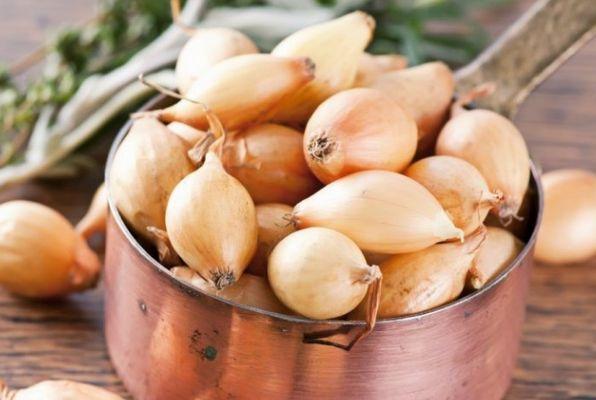
Characteristics and description of the Bamberger bow:
- Onions are planted in the spring to get greens and fresh bulbs for the first salads;
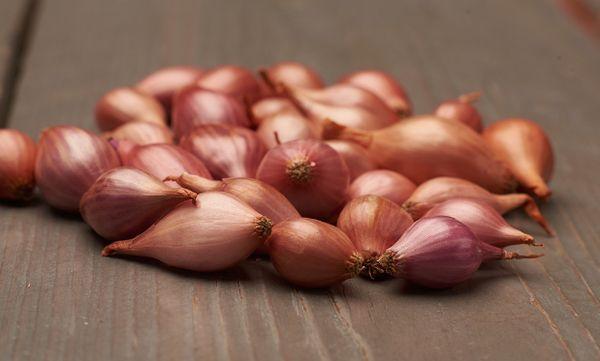
- the bulbs are covered with yellow scales;
- the inner pulp is white and meaty;
- Onions are mid-early plants, but climate conditions and weather in a particular region of the country can slow down ripening;
- a large number of green shoots are not formed during the growing season;
- the bulbs are round or round-elongated; each of them weighs 70-80 g;
- high yield if plant onion sets;
- the variety demonstrates high shelf life and transportability over long distances, therefore the vegetable is grown, including for commercial purposes;
- resistance to diseases and parasites;
- The taste of the Bamberger variety allows its fruits to be used in salads: the taste is soft, spicy, and savory.
How to grow onions?
Let's look at the features growing onionsGardeners' reviews indicate that Bamberger onions are best planted in loamy soils or soils with light loam. Gardeners should also check the soil's acidity. The variety will produce a high yield in neutral soil, so for acidic soils, special fertilizers should be applied before planting.
The Bamberger variety should not be planted in low-lying areas with high humidity, as this can slow down the ripening of the bulbs and promote the development of fungal infections.
If the onions were purchased from a specialized store, they need to be dried—this will help keep the sets in excellent condition.

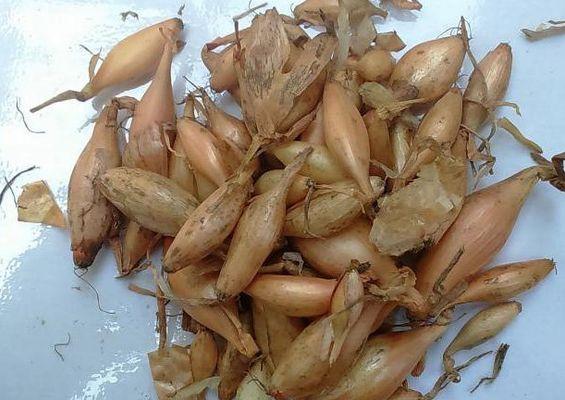
To sprout the bulbs, first place them in a warm place with a temperature of 20ºC for 2-3 weeks. The day before planting, transfer them to a room with a temperature above 35ºC.
Warming promotes germination and slows bolting. If the specified warming time is not possible, it is recommended to soak the bulbs in hot water for 20 minutes before planting. The bulbs should also be treated with a growth stimulant to accelerate growth. Additionally, the seeds can be soaked in a solution of potassium permanganate or copper sulfate.
The area where you plan to plant onions should be thoroughly dug over in the fall and fertilized with organic matter. Dry matter, not fresh manure, is used for this purpose.
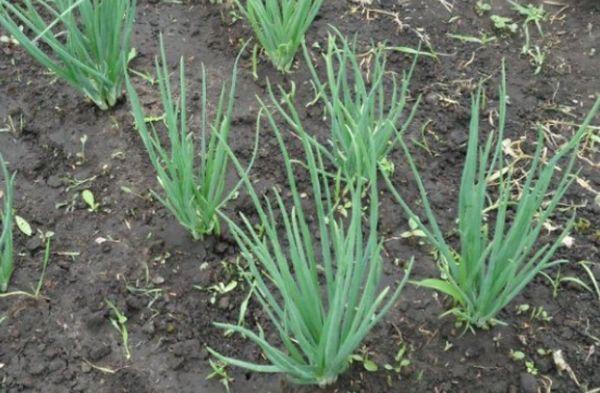
In the spring, mineral fertilizers are added to the soil—just don't dig them in too deeply, as these substances must be accessible to the future root system of the seedlings.
Onions should be grown again in the same location every three years. For a high yield, it's recommended to use areas previously occupied by cucumbers, cabbage, and tomatoes.
There are two methods for planting: winter or spring. For winter planting, select only small bulbs. They are planted in the soil 2-3 weeks before the first frost. Spring planting is done in late April or early May.
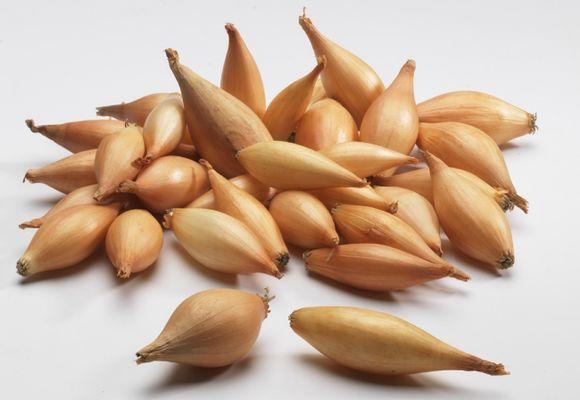
The features of the planting process include:
- the seed onions should be immersed in the soil to a depth of 3-4 cm;
- the distance between the bulbs should be within 10 cm;
- the distance between rows varies from 20 to 30 cm;
- After planting, the beds are mulched with hay, straw, leaves or sawdust;
- The seedlings can be covered with film to speed up germination (the cover is removed as soon as the first green shoots appear from the ground).
Caring for the Bamberger variety involves the following activities:
- watering;
- loosening;
- top dressing.
Take a look Also
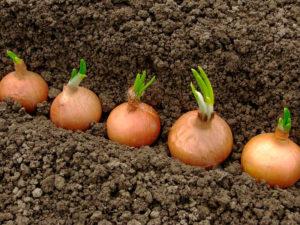
Onions should be watered generously during the first half of the growing season, then gradually reduced. A few weeks before harvest, watering should be stopped completely. This allows the onions to mature and develop their full shape.
 Loosening should be done between the bulbs and the beds to remove weeds and speed up the flow of oxygen and nutrients to the plant. Loosening is not carried out if the beds were covered with mulch.
Gardeners recommend fertilizing the plants three times throughout the season. The first fertilizing is done two weeks after planting (a solution of manure or chicken manure can be used for this). The second fertilizing is done 15-16 days later (mineral fertilizers are used). The third fertilizing is done a month after the second (potassium-containing substances are used).
To prevent pests, spray the onion tops with copper sulfate. Carrots, planted next to the onions, are an excellent pest repellent.
Related posts:
 50 types and varieties of perennial onions with descriptions, cultivation, and care
 Description of the best varieties of onions, planting and care in open ground
 When to harvest leeks from the garden for storage, ripening times
 Description of the Exhibition onion variety, growing from seedlings, planting and care
 The beneficial properties of white onions, description of varieties, cultivation and care
 How and when to plant onions to get large bulbs
 Description of varieties and cultivars of wild onions, the subtleties of cultivation
 Description of Welsh onion varieties, planting, growing, and care in open ground