
- Composition and principle of action
- How is ash useful for peppers?
- Is wood ash harmful?
- Types of ash
- How to prepare fertilizer: dosage
- Dosage
- Basic recommendations for working with ash
- Timing and schedule of fertilizing
- Preparing the soil mixture
- First and second feeding of seedlings
- Add fertilizer to the planting holes
- After landing
- Additional ash feeding
- Common mistakes
- How to prepare ash yourself
Wood ash is a valuable organomineral fertilizer that can be made at home without any expense. It's used to fertilize virtually all greenery. How to properly fertilize peppers with ash to ensure a bountiful harvest? It's easy to do by studying the timing and schedule of fertilizing plants and following the recommendations for using ash.
Composition and principle of action
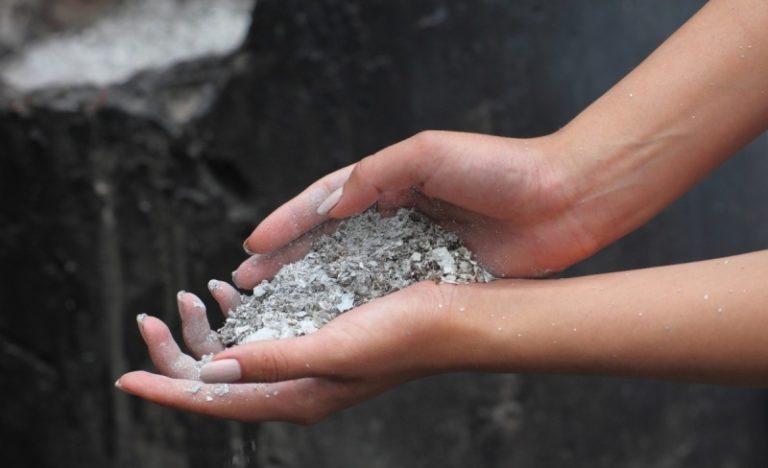
Wood ash is the result of burning organic materials. Its composition depends on the source material. For example, when young branches are burned, potassium predominates in the incombustible mineral residue (ash), while when mature plants are burned, calcium predominates. Furthermore, wood ash contains many beneficial elements, the most important of which are:
- phosphorus;
- iron;
- copper;
- manganese;
- zinc;
- molybdenum;
- copper.
Wood ash reduces soil acidity, improves its composition, and promotes the growth of beneficial microorganisms. It is a long-acting fertilizer, capable of positively impacting the soil for 2-4 years after application. Furthermore, the fertilizer components are readily available for plants to digest.
How is ash useful for peppers?
The following mineral complex elements are essential for bell peppers at all stages of their development:
- Fertilizer is used at the stage of soil preparation for planting.
- To prepare seeds. They appreciate enrichment with micronutrients, which will speed up germination and also boost their immunity. To do this, dissolve 1 tablespoon of ash in 100 milliliters of water and strain after 2 days. Soak the seedlings in the resulting infusion for 4 hours.
- When growing seedlings, the growth of green mass accelerates, and young plants will better withstand the fluctuations in spring temperatures.
- When planting young peppers in the ground, sprinkle wood ash mixed with soil into each hole. This helps ensure rapid establishment and constant nourishment. Fruiting is accelerated, and the vegetables acquire a marketable appearance and rich flavor.
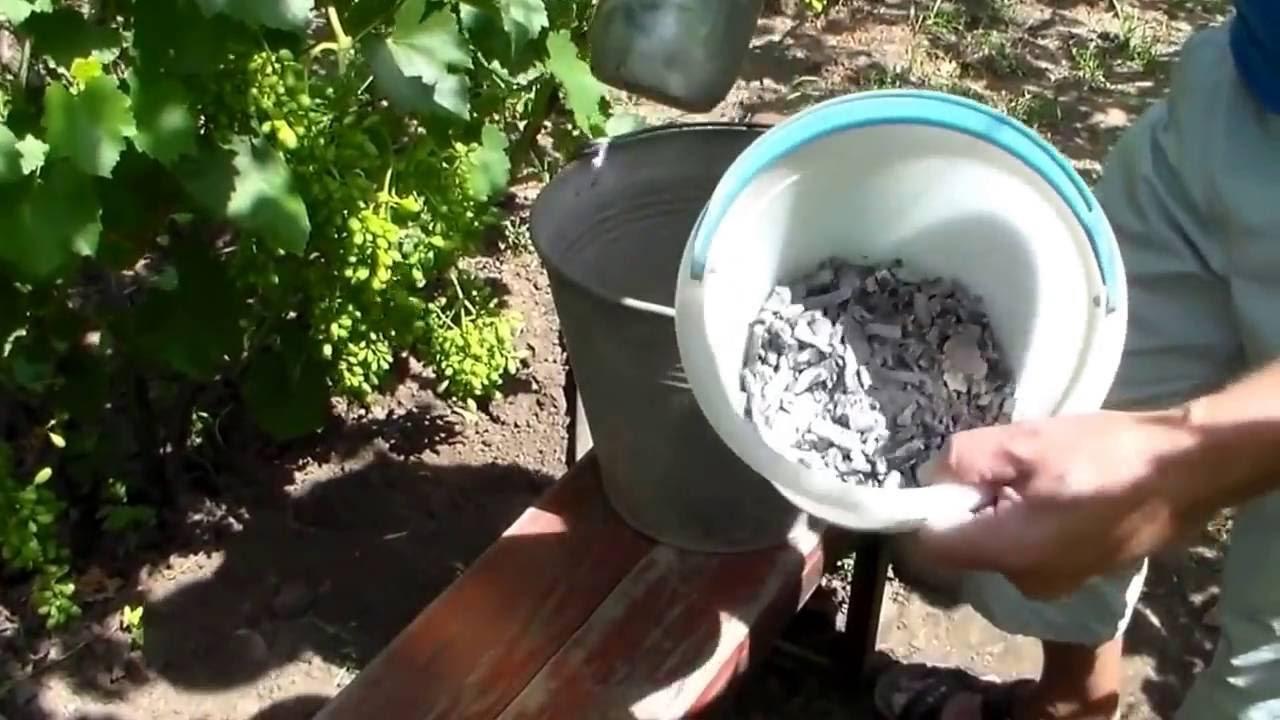
If the soil lacks nutrients, the plants slow down, the leaves curl, and the buds fall off. Fertilizing will replenish the missing nutrients, and the peppers will resume their growth. Furthermore, wood ash will protect the plants from diseases and pests. To achieve this, peppers are sprayed with an ash infusion and dusted.
Take a look Also
Is wood ash harmful?
Despite its benefits, the use of wood ash sometimes leads to negative health consequences for humans, or it can neutralize other fertilizers applied to the soil. This occurs in the following cases:
- When using ash from burning plastic, construction waste, or varnished wood, the chemicals absorbed by the pepper are hazardous to health.
- When used simultaneously with ash and fresh manure, wood ash will reduce the nitrogen content in the soil.
- When using ash on alkaline soils, it will harm the soil structure and plants.
Please note: Although peppers require ash fertilizer, it should not be applied indiscriminately.
Types of ash
Depending on the material burned, ash is divided as follows:
- Wood ash. It is produced by burning all parts of trees. Depending on the tree species and age, the resulting ash contains a predominance of one or another substance. For example, burning young birch trees produces ash containing primarily potassium; burning conifers produces ash containing primarily phosphorus.
- From plant residues. This ash is formed by burning straw, potato tops, tomatoes, peppers, and dried leaves.
- Coal ash. This type of ash contains a lot of sulfur and silicon. It is suitable for improving the structure of clay soils.
- Peat. The predominant element in peat ash is calcium, so it is used for soils that especially need deoxidation.
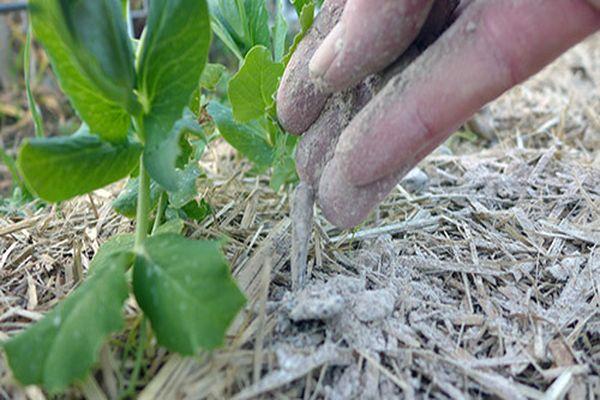
Most often, gardeners use two types of ash as fertilizer: wood ash and ash obtained from plant residues.
How to prepare fertilizer: dosage
The solution for feeding peppers is prepared as follows:
- sift a glass of ash through a fine sieve, pour 1 liter of boiling water;
- strain the infusion through several layers of gauze;
- mix it with 10-12 liters of water;
- To help the solution stick better to the stems and leaves, add 50 grams of soap to it.
The amount of ash applied per square meter depends on the soil structure. If the soil is loose and permeable, 150-250 grams of ash is sufficient; heavy, clayey soil will require 3-5 times more.
Dosage
To avoid applying more fertilizer than is recommended, you need to know the dosage:
- 1 tablespoon contains 6 grams of ash;
- a 200-gram glass holds 100 grams of non-combustible residue;
- A half-liter jar contains about 250 grams of ash.
Important! Only organic, environmentally friendly materials are used for ash reduction.
Basic recommendations for working with ash
When working with non-combustible residue, it is necessary to observe safety precautions:
- use a gauze bandage and gloves;
- Dry powder must be stored in a dry place.
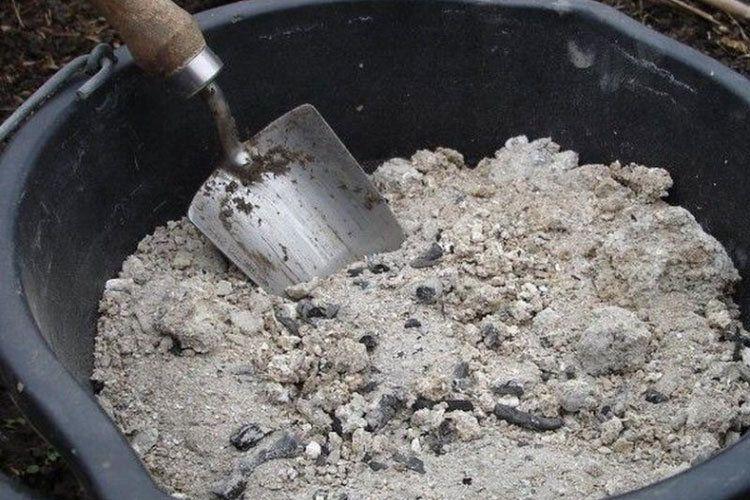
Ash is a caustic fertilizer and can burn leaves when used in its pure form. Therefore, it must be mixed with soil before use. In open ground, ash can be washed away by meltwater in the spring, so it should be sprinkled into the soil just before planting peppers. When growing peppers in a greenhouse, ash is first scattered over the beds, then watered thoroughly.
Advice! Foliar feeding should only be done after flowering has ceased, otherwise the buds may fall off and not set fruit.
Timing and schedule of fertilizing
Initially, fertilizing is done twice, while growing seedlings. For this, a fertilizer solution is used. Dry powder is sprinkled during soil tillage in spring or fall. The dosage depends on the soil structure. Ash is also added to the planting holes, mixed with the soil. Another use is between rows, without digging furrows.
Preparing the soil mixture
Immediately before sowing the seeds, prepare the soil: add 200 grams of wood ash per bucket of soil. Mix the ingredients thoroughly. If the ash is added to the substrate, skip the initial feeding. The correct procedure is determined by the leaf blades: if new, green leaves are growing, then everything has been done correctly.
First and second feeding of seedlings
The first feeding is done when the young plants have 2-4 leaves. For this, use a solution: pour 1 tablespoon of the solution under each seedling. The plants should be watered again after 2-3 weeks. This time, add 2 tablespoons of the same concentration of ash solution under each seedling.
Add fertilizer to the planting holes
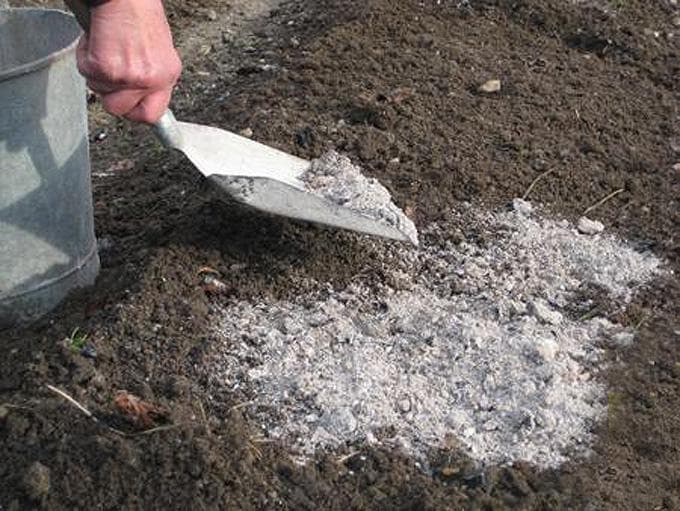
Before planting the seedlings, prepare the holes. To do this, pour 1 tablespoon of wood ash into each hole and mix it thoroughly with the soil. Failure to do this can burn the young plants' roots from too much fertilizer. After mixing, water the holes and plant the peppers.
After landing
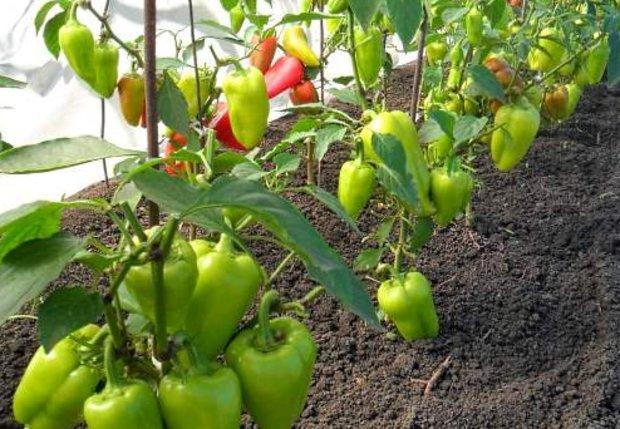
If ash wasn't added to the planting holes, fertilize the plants 10-15 days after planting. By this time, the bushes are well established. Fertilize with agrochemicals, adding 1 liter of ash solution to each seedling. Apply in the morning or evening, during dry weather. The ash solution should be warm, otherwise the root system will slow down.
Additional ash feeding
Wood ash can also be used to fertilize peppers grown in greenhouses. These conditions lack light, and the ash provides a beneficial element essential for plant growth. Furthermore, the ash will protect the plants from fungal diseases that occur in high humidity.
In open ground conditions, the beds are additionally treated to prevent diseases and attacks by harmful insects.
Common mistakes
Sometimes gardeners complain that fertilizers don't produce the desired results. This is usually due to improper combinations. Mixing ash with urea or fresh manure results in a loss of nitrogen.
A combination of wood ash and lime will not produce results, as their combined effect reinforces each other and results in the soil becoming too alkaline, which is unacceptable when growing peppers.
How to prepare ash yourself
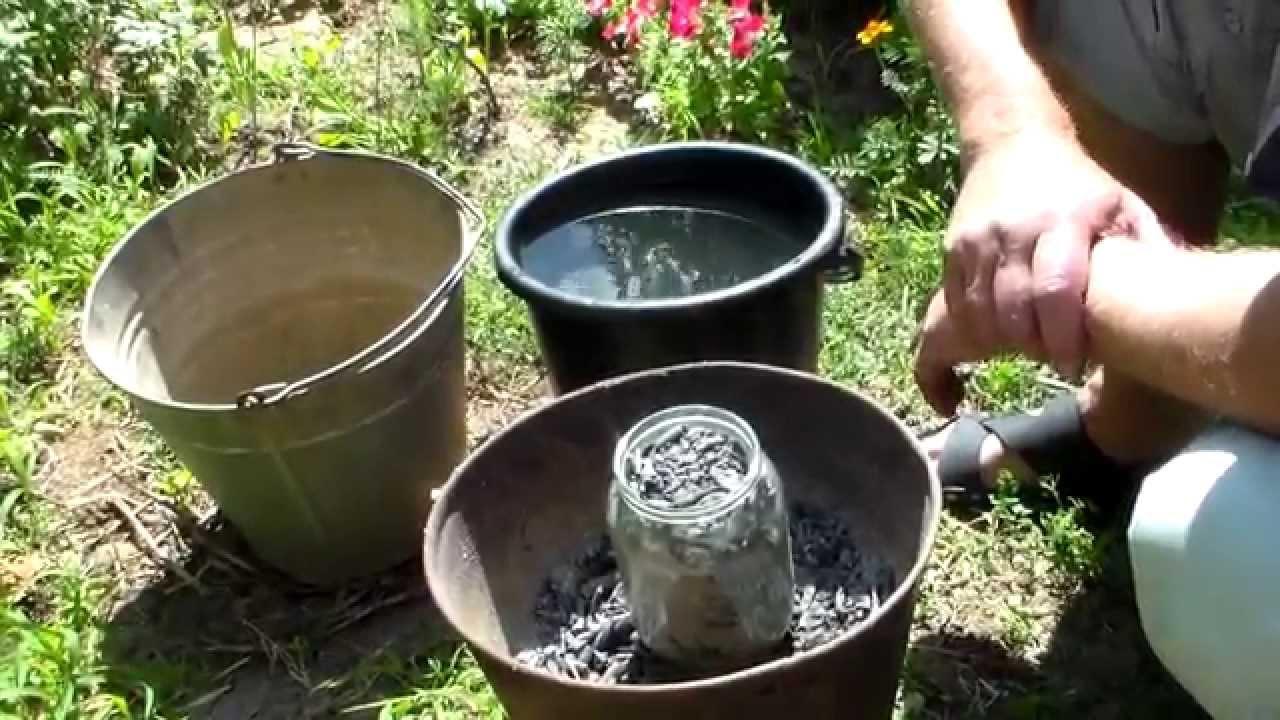
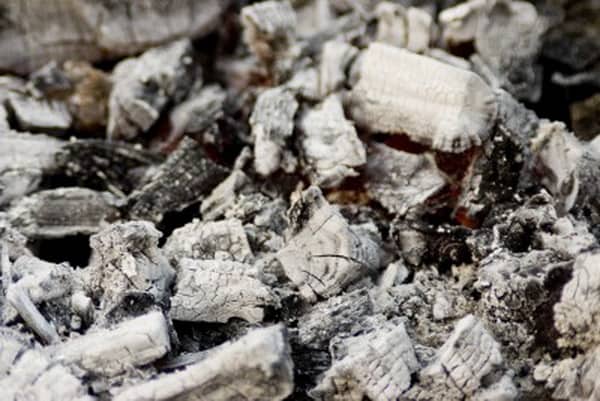
Wood ash is conveniently stored in 200-liter barrels. To do this, cut a small door at the bottom with a handle that hangs on hinges. Cover it with a sheet of iron and place it on a layer of brick. When the ash is needed, fill the barrel with plant debris, branches, and scraps of unvarnished wood. When everything burns down, the resulting ash can be sifted and used as fertilizer.
Additional information: Ash is not water-soluble, but releases useful components when used as a suspension.
The benefits of wood ash for peppers are undeniable, but its use must be controlled. To ensure healthy plants, gardeners must obtain it from environmentally friendly sources and adhere to application guidelines. Then, without the expense of this fertilizer, farmers can grow a bountiful harvest of bell peppers on their plot.
Related posts:
 How to use ash as a fertilizer and which one is better
 How to properly feed cabbage with ash, proportions for processing
 How to properly feed cucumbers with ash and the benefits of using it for plants
 How to properly use ash in your garden and when to apply it
 The best eggplant varieties for growing in a polycarbonate greenhouse: planting and care
 How to treat onions with wood ash; can you sprinkle it on fallen onions?
 Preparing an ash solution for fertilizer – how to make a tincture
 Methods for planting and propagating cherries at home