
Ash is an excellent fertilizer that's readily available, making it easy for any gardener to use. Ash solution can be used as a top dressing throughout the season. The mixture can be applied either at the root or foliarly. For the product to be effective, it's important to follow the instructions carefully. Safety precautions are also essential.
What is the composition and benefits of ash solution?
Ash contains many minerals that are readily available to plants. It contains approximately 30 nutrients, including potassium and phosphorus. It also contains magnesium and calcium. All of these elements are essential for crops.
The composition of ash can vary depending on the raw material being burned. The highest-quality fertilizer can be obtained by burning fruit tree branches, tops, dry grass, leaves, and garden plant debris. Stove ash, which remains after burning coal, and newspaper or peat ashes cannot be used as fertilizer.
The use of ash for plant nutrition helps to achieve the following effects:
- activate metabolism;
- improve root system growth;
- activate the development of flowers;
- stimulate the absorption of vitamins;
- increase resistance to weather changes and infectious pathologies;
- increase resistance to frost and drought.
In these types of soil, ash should be incorporated in portions, while in clay soils, the entire volume should be incorporated at once. The amount of fertilizer required may vary depending on the soil type. When using ash, keep in mind that it is not recommended to mix it with nitrogen-containing fertilizers.
Ash also helps neutralize soil acidity. In this case, it can serve as an alternative to lime or dolomite flour. However, it's important to keep in mind that three times more ash is needed.
Once in the soil, ash helps bacterial microorganisms decompose organic matter and transform it into forms easily digestible by plants. This substance also provides reliable protection against parasites and infectious diseases.
Purpose
Ash, whether in dry form, infusion, or extract, can be used to feed crops from the beginning to the end of the season. This substance can be applied to the soil during fall or spring tillage. It is also often used during planting and as a nutritional supplement during growth and fruiting.
The substance has virtually no contraindications. Almost all crops tolerate it well. When using the product, it's important to strictly adhere to the dosage to avoid overfeeding the plants.
When considering soil types, ash fertilizers are suitable for all soil types except alkaline soils. In such cases, the composition should be alternated with acidifying fertilizers.
Which ash is better to choose?
In the garden and vegetable patch, it's recommended to use ash left over from burning plant debris, branches, dry tops, and leaves. The highest potassium content is found in the ash left over from burning sunflower and buckwheat straw. Wheat and rye straw, as well as pine and birch firewood, contain the highest amounts of phosphorus. Ash left over from burning pine, spruce, and birch branches is also rich in calcium.
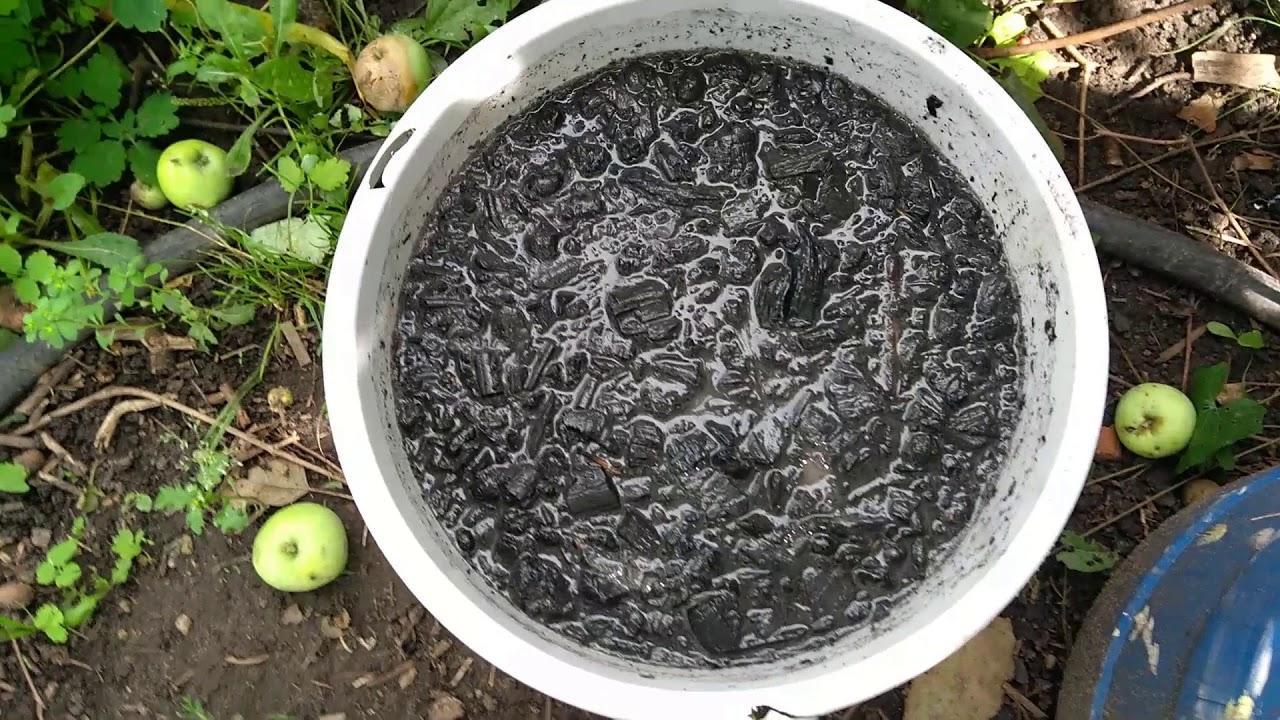
It's important to avoid using burning residues from coal, film, painted boards, or newspapers. It's also prohibited to use ashes from any other materials containing toxic components.
Terms of Use
Ash can be used for plants in a variety of ways. It can be added to the soil as a solution, sprinkled as a powder, or prepared as a spray. Each method of using the substance has its own unique characteristics.
For root feeding
To prepare this beneficial mixture, take 1.5 cups of powder and dilute it in 10 liters of water. It is recommended to let the mixture steep for 24 hours and then use it to water your plants. For vegetable seedlings, use a maximum of 500 milliliters. For mature trees, use 1 liter of the mixture, and for shrubs, 1-1.5 liters.
For foliar fertilization of plants
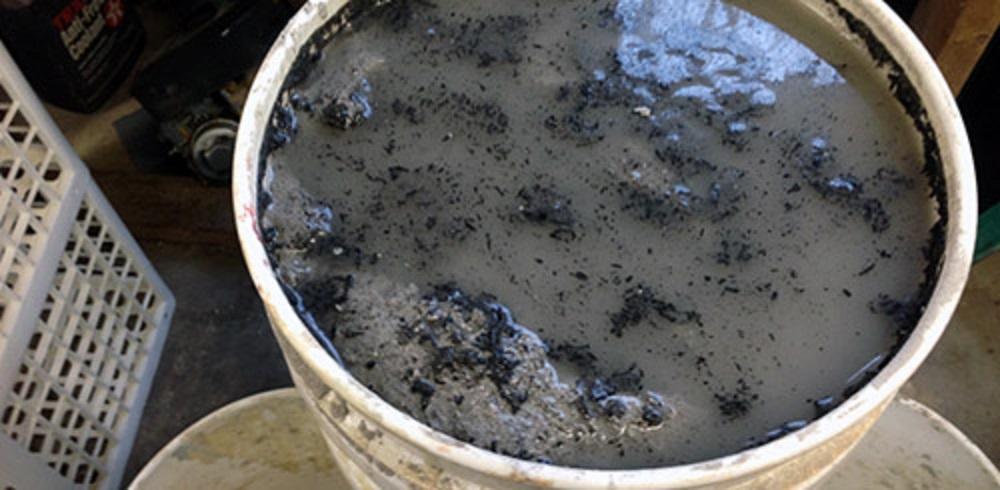
For foliar feeding, you can use not only an infusion but also an ash decoction. Sift 300 grams of ash, pour boiling water over it, and simmer for half an hour. Cool the decoction, strain, and mix with 10 liters of water. To improve adhesion, it is recommended to add 40-50 grams of laundry soap.
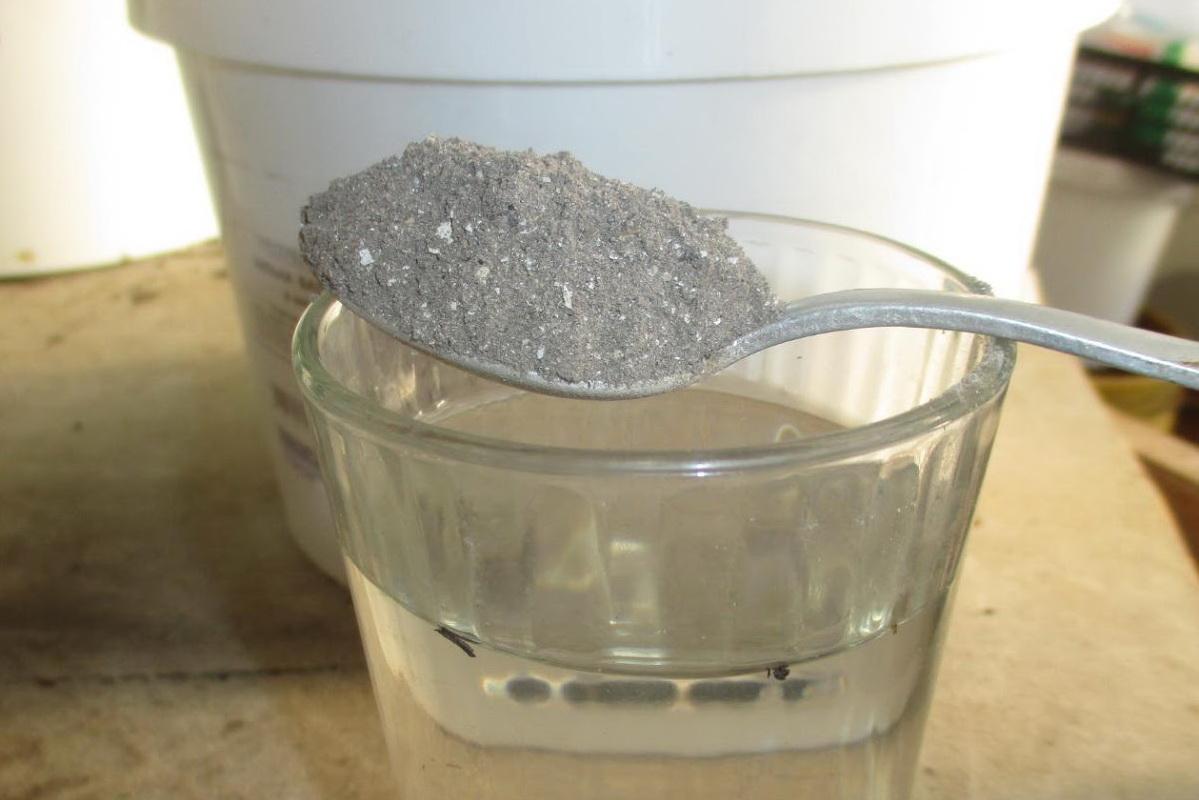
Using an ash decoction helps protect plants from diseases and pests. Spraying the solution helps repel snails, slugs, and nematodes. It also reliably protects plants from aphids, wireworms, and flea beetles.
How to sprinkle
It is recommended to scatter dry ash over the soil surface, using 150-200 grams of the product per square meter. This can be done 2-3 times during the season. When preparing the soil in the fall, it is recommended to use 0.5-1 kilogram of the product per square meter. The higher consumption is due to the fact that a certain amount of minerals will penetrate the lower soil structures over the winter. After scattering, the soil should be dug up or loosened. This will help mix the powder with the soil.
How to spray
Ash solution is an excellent remedy for parasites and diseases. It can be used to successfully combat various diseases, particularly powdery mildew. To treat plants, prepare an infusion. To do this, mix 300 grams of the solution with 10 liters of water and strain. Prevention and treatment are recommended in the early stages of infestation.
Safety precautions
When working with ash, wear rubber gloves to avoid skin irritation. Wearing goggles and a respirator is also essential. Wash your face and hands after finishing work.
When ash cannot be used
It is not recommended to combine ash with bird droppings and manure, as it causes the latter to evaporate. It also should not be combined with superphosphate or nitrogen fertilizers, as these substances cause the release of ammonia, which is harmful to plants. Ash should also not be used in alkaline soils with a pH above 7.
Avoid fertilizing plants that require acidic soil with powder. These include ferns, hydrangeas, and azaleas. Beans, sorrel, pumpkin, and turnips also fall into this category.
Ash is a nutrient that has a beneficial effect on crop growth. To ensure the desired effect, it must be used correctly, strictly following the instructions.