
- Can cucumbers be sprinkled with ash?
- The effect of ash fertilizers on the development of cucumbers
- Signs of potassium and calcium deficiency in seedlings
- How to prepare ash for cucumbers
- Making a simple infusion
- How to apply correctly
- Processing cucumber seeds
- Soil refilling
- Watering
- An infusion for seedlings is being prepared
- Watering during the flowering period
- Foliar spraying
- Ash solution
- Dry matter treatments
- Comparison with other mineral fertilizers
- In what cases ash should not be used
- Mistakes in using ash as a fertilizer when growing cucumbers
A popular method of fertilizing cucumbers is ash. This complex mineral fertilizer has long been a popular choice among both professionals and amateur cucumber growers. To achieve maximum results and avoid harming the plants, it's important to know the proper application procedures, adhere to the recommended dosages, and consider the soil's characteristics.
Can cucumbers be sprinkled with ash?
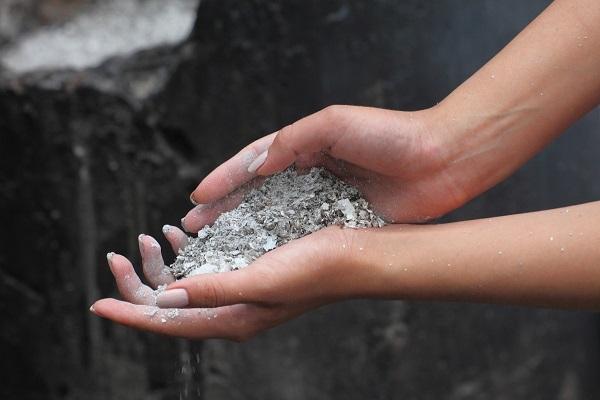
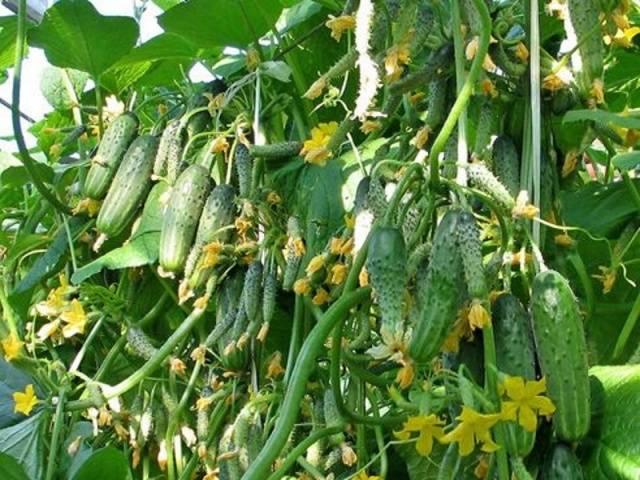
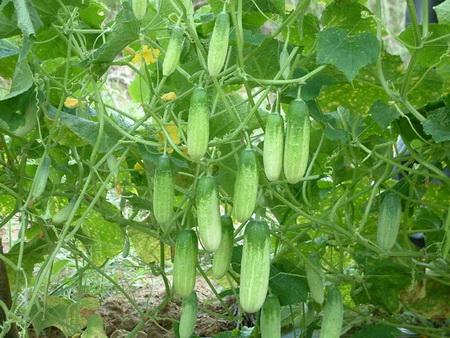
Do cucumbers like ash? The question has long been settled: ash application is a cheap and effective way to extend fruiting and increase cucumber yields. Properly prepared and applied, ash application has a beneficial effect on the formation and development of the root system, shoots, foliage, and fruit. Dry ash protects plants from slugs and snails. Ash is used for cucumbers in greenhouses, open ground, and on balconies.
The effect of ash fertilizers on the development of cucumbers
Saturating the plant with microelements contained in the fertilizer provides the following positive effects:
- Qualitative changes in photosynthesis processes. Their acceleration significantly affects plant development.
- Due to the improved soil structure, the root system becomes more actively saturated with oxygen and grows.
- The strength of cucumber vine tissue increases.
- Intensive growth rates are observed in all parts of the plant.
- The total area of the leaf apparatus increases noticeably, its color becomes more saturated.
- Resistance to external stress factors increases.
- The risks of fungal, bacterial and viral diseases are reduced.
- Increased formation of fruit ovaries occurs.
- The yield increases significantly.
Signs of potassium and calcium deficiency in seedlings
A deficiency of these essential micronutrients has extremely negative consequences for the development of cucumber seedlings. A change in the plants' appearance signals that they need to be fed.
Potassium deficiency can be determined by external signs such as:
- the appearance of a light green or yellow border on the leaves – marginal burn;
- the surface of the leaves becomes wrinkled, darker, sometimes withered;
- the edges of the leaves curl inward, the leaf takes on a convex shape, resembling a dome;
- rapid wilting of the stems is observed.
Take a look Also
Calcium deficiency is accompanied by the following external changes:
- Light stripes form on the leaves, initially not wide; the stripes quickly spread out, giving an abnormally light color to the leaf blades;
- the tops of the vines turn pale;
- leaf blades become brittle;
- the foliage quickly withers, dies and falls off.
Timely application of ash in the right quantities promotes plant restoration and further development.
How to prepare ash for cucumbers
Before figuring out how to fertilize cucumbers with ash, it's important to understand the intricacies of its preparation. The composition of the substance directly depends on the raw materials used. The content and quantity of beneficial elements can vary. Taking this into account, you can prepare balanced mixtures that are most effective in each specific case.
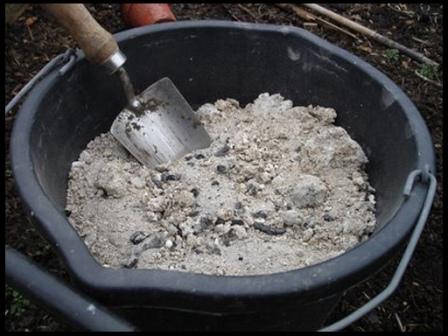
Materials for obtaining high-quality ash fertilizer suitable for plant feeding can be:
- trunks, branches and bark of trees of various species (deciduous and coniferous), branches of shrubs - this is how wood ash is obtained;
- dry plant residues: tops, grass, leaves, straw;
- dry peat and manure.
Ash is made into useful fertilizer in the following way:
- The raw materials are burned in a specially designated place.
- The cooled powder is collected, preventing it from getting wet from rain or dew.
- The ash must be sifted, removing large and not completely burnt fragments.
- Provides dry storage in sealed packaging.
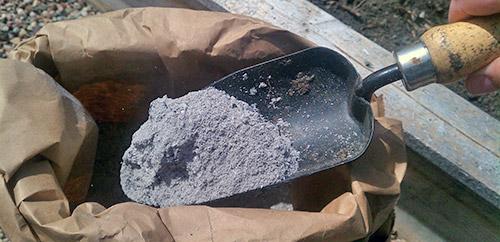
The resulting fertilizer can be used in dry form or used to prepare liquid forms.
Making a simple infusion
You will need:
- ash (about 200 grams);
- water (10 liters);
- a bucket or container with a lid;
- stirring stick.
Preparation:
- pour water over the ash in the container;
- leave to infuse for 5 to 7 days;
- Stir the liquid thoroughly with a stick 1-2 times a day.

How to apply correctly
There are various ways to apply ash fertilizer to cucumbers. The key is to apply it according to the recommended guidelines, as an excess of chemicals is just as harmful as a deficiency.
Processing cucumber seeds
To increase germination energy, seeds are kept in a special infusion.
You will need:
- ash (20-25 grams – 1 tablespoon);
- water (2 liters);
Preparation:
- mix the ingredients in a container;
- leave to infuse for 2 days;
- strain.
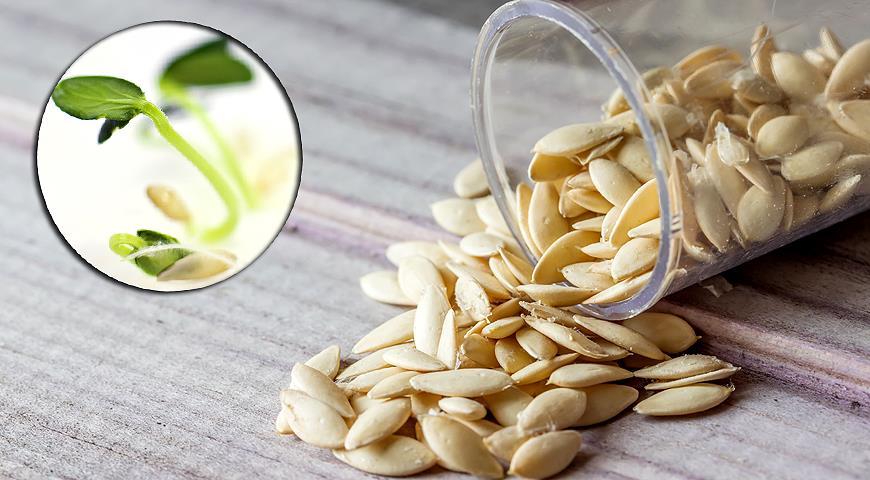
Soak the seeds for approximately 5 hours before sowing. This procedure results in earlier, stronger, and healthier seedlings.
Soil refilling
There are different ways to prepare the soil and at different times.
- Apply in the fall by adding 2 cups of ash per 1 square meter and digging up the soil.
- Immediately before sowing seeds or planting seedlings, add 1-2 cups of ash per 1 square meter.
- Before planting young plants, add 2 tablespoons of fertilizer to each planting hole.
Watering
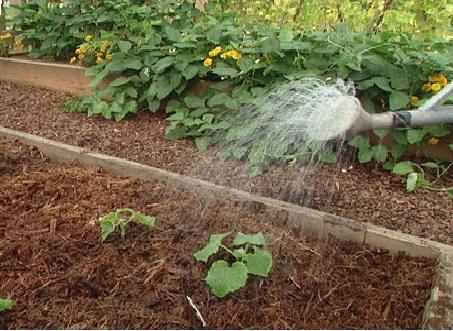
You can water the crop with ash fertilizer at all stages of development. The number of times this should be done during the growing season depends on the condition of the cucumber vines.
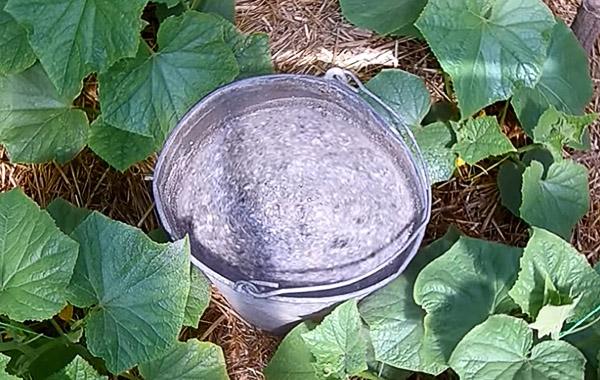
An infusion for seedlings is being prepared
Components:
- ash (5 tablespoons);
- water (5 liters).
Preparation:
- the ingredients are combined and left to infuse for a week;
- periodic stirring is required;
- strain after a week.
The infusion is ready for use. A single root watering is recommended, using the same amount of liquid as a regular watering. If necessary, repeat the application, but not sooner than a week later.
Watering during the flowering period
At the very beginning of flowering, when the first buds appear, a second feeding is carried out with the same infusion.
Foliar spraying
During the period of active fruiting, foliar spraying gives a good effect.
Ash solution
You will need:
- ash powder;
- water.
Preparation:
- pour water over the powder;
- boil for half an hour;
- strain the cooled broth;
- The concentrate is diluted with water, bringing the volume of liquid to 10 liters.
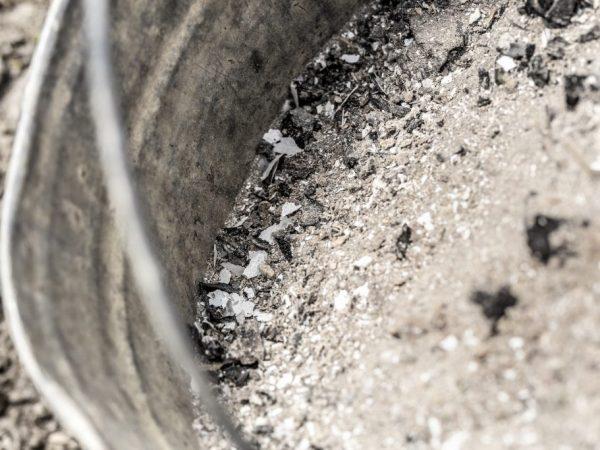
It is better to spray this solution on the underside of the leaves once every week and a half.
Dry matter treatments
Sprinkling dry powder under the roots for nutrition only makes sense before watering, otherwise the nutrients won't reach the roots. To do this, sprinkle 1-2 tablespoons of ash around the roots.
This method is usually used when growing cucumbers in open ground over large areas.
This water-free method is used to protect against pests such as snails and slugs. For the same purpose, the dry substance is applied to the plant's pre-moistened foliage. This treatment is very popular in greenhouses and hothouses.

Comparison with other mineral fertilizers
Ash is a natural mineral fertilizer with a complex composition. It's impossible to claim that treating cucumbers with ash alone is sufficient, excluding all other fertilizers. However, ash can seriously compete with synthetic mineral fertilizers. Its key advantages include the following:
- natural origin does not have a negative impact on the environment;
- the fruits do not accumulate questionable chemical elements;
- many components are contained in forms that are easily absorbed by plants;
- Under unfavourable conditions, synthetic mineral fertilizers form complex compounds that accumulate in the soil in the form of salts and degrade its quality.
In what cases ash should not be used
In certain cases, ash is contraindicated or its use is permitted in minimal quantities:
- It is prohibited to use a substance obtained from unsuitable raw materials (garbage waste, materials containing synthetic impurities).
- Ash, being highly alkaline, is a deoxidizer. Applying ash to calcareous soils further alkalizes them. Alkaline soil is as infertile as acidic soil.
- It is not recommended to use ash either as a fertilizer or as a pest control agent until the cucumber seedlings have developed their first pair of full leaves.
- If you sprinkle powder or water cucumbers with ash solutions, they will turn black and become unfit for consumption.
Mistakes in using ash as a fertilizer when growing cucumbers
Serious errors in the use of ash can have such undesirable results as:
- plant diseases;
- decrease in cucumber yield;
- death of cucumber vine.
The main mistakes farmers make when fertilizing cucumbers with ash:
- Applying fresh manure and other organic matter at the same time as ash results in soil depletion due to significant nitrogen losses and the formation of chemical compounds that are poorly absorbed by plants.
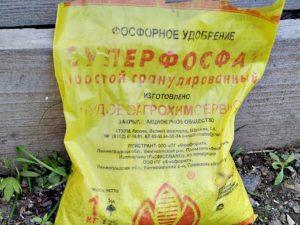
- Mixing ash with other mineral fertilizers, especially those containing phosphorus, can be harmful. In such mixtures, the element becomes indigestible by plants and settles in the soil as salts.
- Avoid adding ash to a given area too frequently. On average, the effects of this fertilizer's components on the soil last for about three years. Therefore, cucumbers require dosed fertilization if ash was applied the previous year.
Related posts:
 How to properly feed peppers with ash and is it possible to do so?
 Description of unusual methods for planting and growing cucumbers
 How to properly plant cucumbers in open ground with seeds, and at what depth
 How to care for cucumbers in open ground from planting to harvesting
 How to make a cucumber trellis with your own hands from scrap materials
 Description of the best varieties of Chinese cucumbers, planting, growing and care
 How to properly feed cabbage with ash, proportions for processing
 How to properly use ash in your garden and when to apply it