
- Chemical formula of superphosphate and its physical properties
- Signs of phosphorus deficiency in cucumbers
- Effect on plant growth and fruiting
- Advantages and disadvantages of the product
- Instructions for use of fertilizer
- How to prepare a solution: norms and dosage
- When is it necessary to fertilize plantings?
- Methods of applying fertilizer
- Superphosphate in the substrate for sowing seeds
- Aqueous extract based on the preparation
- How often should cucumbers be fed?
- In the greenhouse
- In open ground
- Compatibility with other types of fertilizers
- Safety precautions when working with the drug
- What to do in case of overdose
- A serious mistake gardeners make when using superphosphate
Throughout the growing season, cucumbers should receive phosphorus fertilizer. Applying superphosphate to cucumbers ensures vigorous growth and development of seedlings. The fertilizer also has a positive effect on the taste and size of the fruit.
Chemical formula of superphosphate and its physical properties
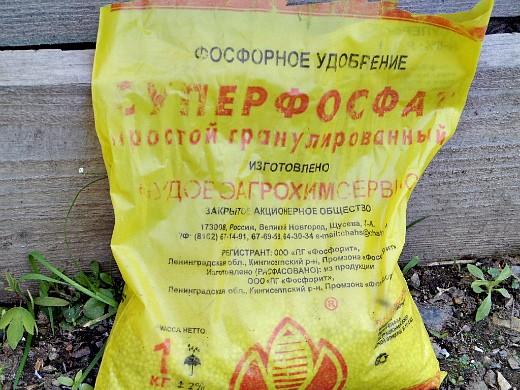
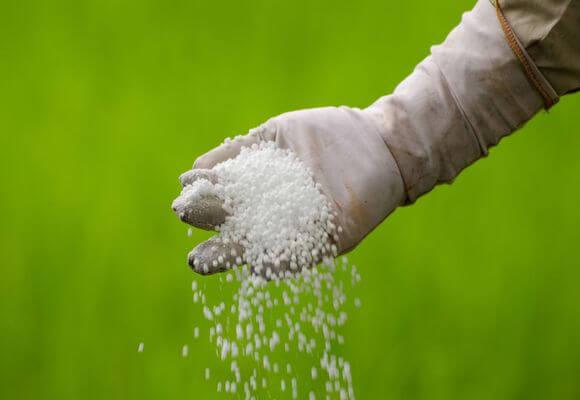
Superphosphate is a balanced complex fertilizer consisting of a number of chemical nutritional components. The main element is phosphorus. The fertilizer also contains beneficial microelements such as sulfur, calcium, magnesium, and others. The key physical properties of the substance include:
- flowability, which gives the ability to sow simultaneously with the placement of seeds in planting holes;
- low caking, due to which the powdered product does not form lumps during long-term storage;
- hygroscopicity and high moisture capacity.
Signs of phosphorus deficiency in cucumbers
Symptoms of phosphorus deficiency in plants can be detected visually by inspecting the above-ground portions. The following signs indicate a deficiency:
- Leaves may take on a brownish, dark burgundy, blue, or other unusual hue. Spots may also appear on the foliage.
- Leaf fall due to poor root development due to a lack of phosphorus in the lower layers of soil.
- Externally, the plants look depressed and not fully developed.


Effect on plant growth and fruiting
Fertilizing with superphosphate Superphosphate affects several processes in cucumber development simultaneously. It stimulates root growth, accelerates the growth of green mass, increases yields, and improves the taste of vegetables. Due to the complex effects of superphosphate on plants, a deficiency is highly undesirable.
If the soil contains low levels of fertilizer, the fruits become smaller and the yield is significantly reduced.
Advantages and disadvantages of the product
Superphosphate has become widely used among gardeners due to its many advantages. The main ones are:
- absence of toxic components;
- can be used on all types of soil;
- complex effect on plants;
- compatibility with other fertilizers;
- Safe to use when applied in the recommended amount.
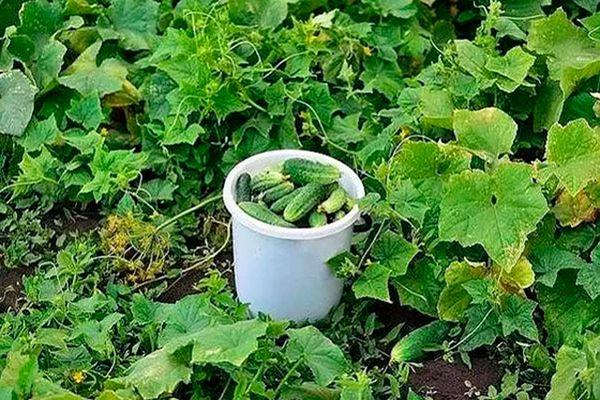
Despite its undeniable advantages, superphosphate has several disadvantages. If used incorrectly, it can make the soil too acidic, which will negatively impact plant growth and development. Furthermore, superphosphate has a short-term effect and must be applied regularly to prevent depletion.
Instructions for use of fertilizer
Before using superphosphate, check the soil's pH level and, if necessary, apply lime or dolomite flour. Fertilizers should be applied a month after these preventative measures to ensure the beneficial micronutrients remain intact.
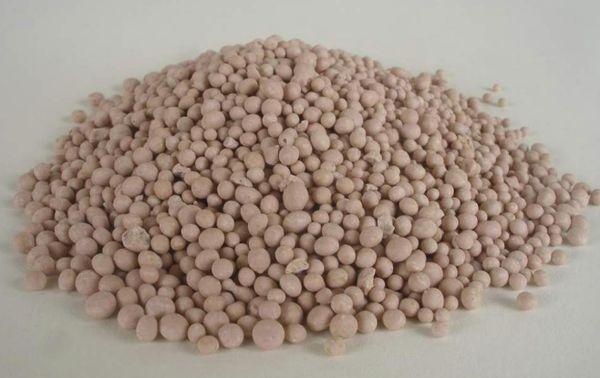
How to prepare a solution: norms and dosage
In most cases, the fertilizer is applied to the soil simultaneously with watering. This accelerates its action and increases its effectiveness. To prepare a concentrated solution, mix 300 g of superphosphate with 3 liters of hot water and let it steep for several hours, stirring occasionally. By the time the solution is ready, the crystalline elements will not have completely dissolved, but will have shrunk in size.
Before applying to the soil, dilute 100 ml of the solution in a bucket of water. For spring fertilizing, an additional 20 mg of nitrogenous substances and 500 g of wood ash can be added to the mixture. Regardless of the season, the dosage is 40-50 g per square meter of soil for cultivated soil and 55-70 g/m2 for soil in crop rotation.


When is it necessary to fertilize plantings?
It is recommended to apply a superphosphate solution to the soil 3-4 times in the fall and spring. Typically, the fertilizer is applied during pre-sowing treatment, a week after planting seedlings, and during flowering and fruiting periods. It can also be applied in an unscheduled manner if symptoms of phosphorus deficiency are observed.
Methods of applying fertilizer
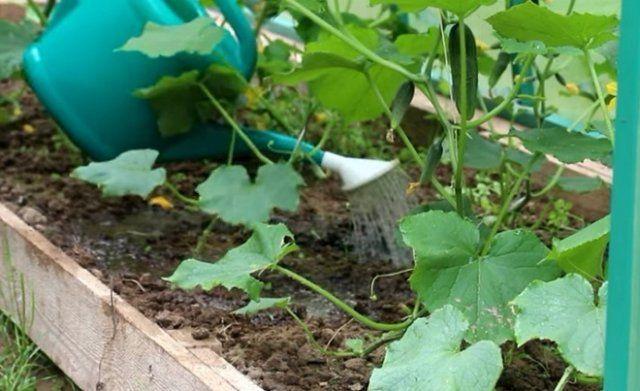
There are several ways to apply fertilizer to the soil. The simplest and most accessible is to water the plants with the nutrient mixture at the roots. Less common options include adding it to the seeding substrate and performing a water extract.
Superphosphate in the substrate for sowing seeds
When preparing the nutrient mixture for sowing cucumber seedlings, fertilizer is used to increase seed germination and promote vigorous germination. Before planting, add 1 tablespoon of superphosphate per 10 liters of substrate. Boric acid can be added as an additional element.
Aqueous extract based on the preparation
To perform an aqueous extract, pour boiling water over the fertilizer granules until they separate into liquid and sediment. The infusion is then poured into a separate container, and the sediment is re-mixed.
How often should cucumbers be fed?
Fertilizer is typically applied to the soil in the fall when preparing the beds and growing cucumbers. The frequency may vary depending on the growing conditions.
In the greenhouse
When growing cucumbers in a greenhouse, it's sufficient to apply superphosphate when digging, before planting, and 2-3 times during the growing season. Additional applications are required based on the condition of the plants.
In open ground
The amount of fertilizer required in unprotected soil is the same as for greenhouse cultivation. The only difference is that it is applied after harvest to improve soil fertility.
Compatibility with other types of fertilizers
Superphosphate can be used in combination with nitrogen and potassium fertilizers. Combination with urea and ammonium nitrate is not permitted.
Take a look Also

Safety precautions when working with the drug
When using superphosphate, several rules must be followed. Store the fertilizer in a warm, stable temperature and low humidity area. Store the superphosphate in an airtight container. Apply the prepared solution directly to the soil or discard it.
What to do in case of overdose
Plants consume only the required amount of phosphorus, so an overdose of superphosphate does not pose a danger to vegetable crops. At the same time, it is necessary to control the dosage in order to use the product more effectively.
A serious mistake gardeners make when using superphosphate
The most common mistake novice gardeners make when using fertilizer is incorrectly calculating the amount of fertilizer or using a weak concentration. This results in plants not receiving the necessary nutrients and significantly reducing yields.
Related posts:
 Description of unusual methods for planting and growing cucumbers
 How to properly plant cucumbers in open ground with seeds, and at what depth
 Description of the best varieties of Chinese cucumbers, planting, growing and care
 How to make a cucumber trellis with your own hands from scrap materials
 How to care for cucumbers in open ground from planting to harvesting
 Types and instructions for use of superphosphate fertilizer, composition and processing rules
 How to properly plant cucumber seedlings in a greenhouse and care instructions
 Types of fungicides for cucumbers in a greenhouse and instructions for use