
- How to properly sow cucumbers in open ground
- When to plant cucumber seeds in open ground
- According to the lunar calendar
- Depending on the region and climate
- Depending on the variety
- Scheme and methods for planting cucumbers in open ground
- Preparing the seed
- We choose a place and prepare the soil and beds
- Regular beds
- Ridged beds
- Warm beds
- Basic rules for sowing seeds
- How many cucumber seeds should I plant in one hole?
- How deep should cucumbers be planted?
- How to plant cucumber seeds, sprout up or down
- What fertilizers should be added to the hole when planting cucumbers?
- Minerals
- Organic
- Shelter after landing
- How to care for seedlings after planting outdoors
- Watering and humidity
- Fertilizer
- Shaping and garter
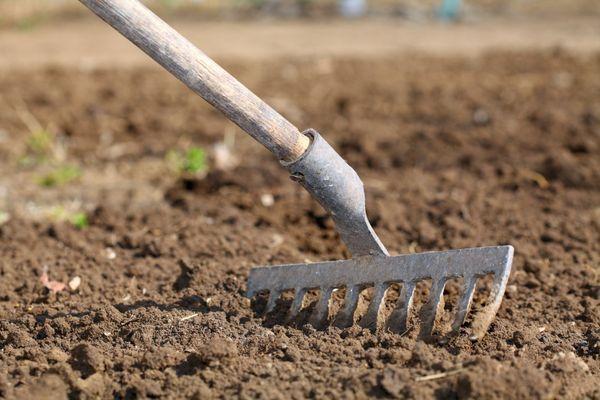
- Mulching, loosening, hilling the soil
- Pinching and pinching
- Diseases and pests
When planting cucumbers in open ground, it's important to consider a number of nuances. To ensure a bountiful harvest and avoid growing problems, it's important to consider planting timing, choose the right location, and prepare the seedlings. Care for the plants and proper agricultural practices are also crucial.
How to properly sow cucumbers in open ground
When sowing cucumbers in unprotected garden beds, you can use two methods: planting prepared seedlings or sowing the seeds directly into the soil. Regardless of the method, you'll need to select suitable predecessors. Cucumbers grow best in beds previously planted with root vegetables, legumes, tomatoes, cabbage, and onions. Long-term, continuous cultivation in the same area will result in reduced yields.
When to plant cucumber seeds in open ground
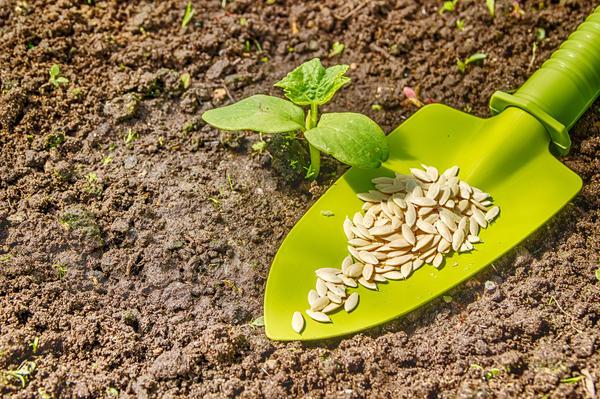
Sowing begins after a comfortable temperature has been reached, allowing the young cucumber seedlings to adapt to the surrounding conditions and begin to actively develop. Planting holes are dug in the prepared soil and several cucumber seeds are placed in each hole.
Typically, the planting period falls in late spring - early summer, depending on the specific vegetable variety and growing region.
According to the lunar calendar
The moon's phase influences vegetable growth. The lunar calendar indicates favorable and unfavorable periods for planting. Following the calendar's instructions allows for proper cucumber cultivation and reduces the risk of negative external influences.
Depending on the region and climate
The surrounding climate and weather conditions directly affect the sowing time.Since cucumbers are heat-loving vegetables, in regions with hot climates, seeds can be planted later. In areas with few warm days, cucumbers are planted early.
It is important to take into account that in certain regions, cultivation is permitted only in a greenhouse or under covering film.
Depending on the variety
All cucumber varieties are divided into several categories, each with different recommended sowing times. Specifically:
- early ripening varieties of cucumbers can be planted in early June;
- mid-season cucumbers are planted in April-May;
- Late-ripening varieties are best planted immediately after the risk of recurrent frosts has passed, in order to have time to harvest during the warm season.

Scheme and methods for planting cucumbers in open ground
There are various methods for planting cucumbers in open ground. Typically, when growing on a trellis, the vines are secured with two or three wire ties. The distance between rows is 70-90 cm, and the seeding depth is 3-5 cm.
Take a look Also

When planting cucumber seeds in garden beds, there are several possible schemes. The most common options are as follows:
- Single-row. Seeds are planted in a single row, 15-20 cm apart. The distance between rows should be at least 1 m.
- Double-row (ribbon) stitch. Each stitch is made of two rows, placed parallel to each other at a distance of 30-50 cm. The space between the stitches varies between 80-150 cm.
- Square-nested. Planting holes are dug at intervals of 65-70 cm. The diameter and depth of the holes are no more than 10 cm. The bottom of the holes is compacted, and several seeds are planted at a time to preserve the most developed specimens.

Adhering to planting patterns and spacing between rows and individual plantings is essential to ensure free root and aerial development. Furthermore, isolating the plants spatially simplifies maintenance and harvesting.
Preparing the seed
To improve seed germination and increase resistance to adverse conditions, pre-treatment is performed. First, the best seeds are selected, discarding damaged, deformed, and rotten specimens. Large seeds with a smooth surface and uniform color are suitable for planting.
The selected seed material is disinfected. To do this, prepare a weak solution of potassium permanganate and soak the seeds in it for 20-30 minutes. The seeds are then rinsed in warm water.

When growing cucumbers on a large scale, it's more convenient to disinfect them by heating them. To do this, heat the seeds for three days at 40 degrees Celsius (104 degrees Fahrenheit) on radiators or in an oven. Heating creates stress for the seeds, so it's important not to exceed the recommended temperature.
We choose a place and prepare the soil and beds
Cucumbers should be planted in areas with good daylight throughout the day. When grown in southern regions, light shade for a few hours per day is acceptable.
Structured soils with a high content of organic components are suitable for vegetable crops.
Cucumbers are best planted in sandy loam, black soil, loamy clay, or floodplain soil. Growing vegetables in soil with high groundwater levels or large amounts of stagnant moisture is not recommended.

If the soil on your property is highly acidic, it needs to be limed. This is accomplished by adding dolomite flour, crushed lime, or tuff. This procedure is performed in the fall, simultaneously with tilling.
With the arrival of spring, the dug-up areas are loosened, fertilized, and cleared of weeds. Before planting cucumbers, the soil condition must be constantly monitored and maintained.
Regular beds
Growing cucumbers in open beds is more difficult than in a greenhouse, but this method has its advantages. One of them is the flexibility of creating beds for a larger harvest and saving space.

To create standard raised beds, you need to dig a hole about 50 cm deep. The optimal size for raised beds is 3 m long and 1.5 m wide. To define the boundaries and maintain the shape of the beds, you can build a wooden box around the perimeter.
Ridged beds
Planting cucumbers on raised beds is recommended where the groundwater table is high. This type of bed promotes good soil warming and aeration, improving drainage of excess moisture. Raised beds also increase soil fertility by absorbing soil from paths and furrows.
To create raised beds, dig the soil and use a spade to cut ridges about 60 cm wide and at a 45-50 degree slope. The ridges are about 20 cm high. Since the edges of the ridges can dry out significantly in dry climates, it's best to make the slopes gentler on light soil. Furrows and rows are placed longitudinally along the ridges.
Take a look Also


Warm beds
There are several options for constructing heated beds. To create a sunken bed, remove the sod in a suitable location and dig a trench into which organic matter will be added. This type of heated bed is positioned slightly above ground level or flush with the soil, preventing drafts.
Another option is a raised, insulated bed, suitable for areas prone to spring flooding. After removing the top layer of sod, install a fence and fill the resulting box with soil.

Basic rules for sowing seeds
To ensure a large harvest, sowing cucumbers requires following several guidelines. Specifically, determining the appropriate number of cucumber seeds for germination, the planting depth, and the placement of the seeds is crucial. The subsequent growth and development of the seedlings depends on these minor details.
How many cucumber seeds should I plant in one hole?
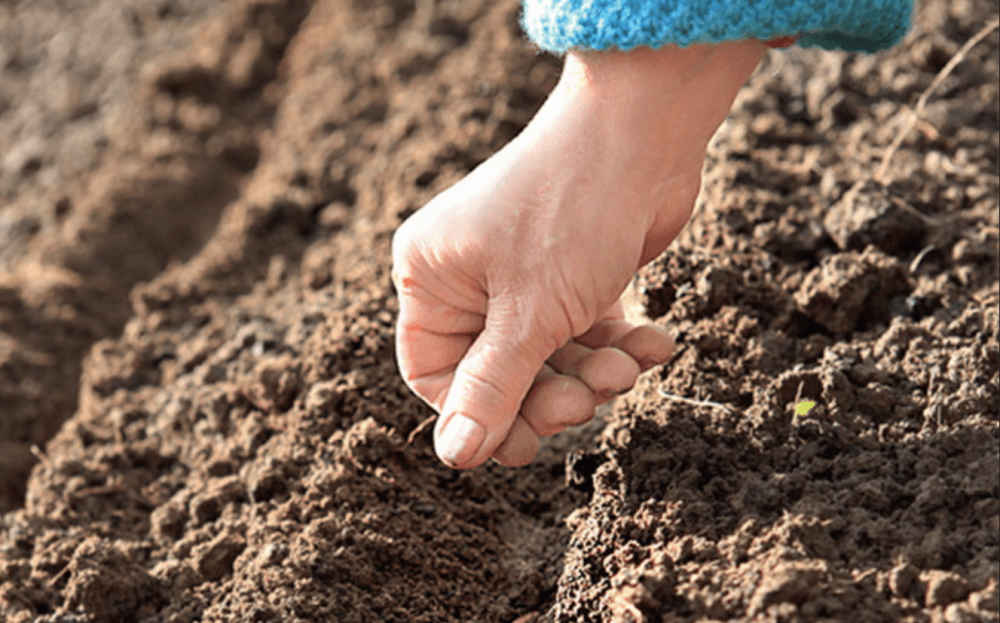
The number of seeds to plant in each hole can be determined based on your previous cucumber planting experience. If you're planting for the first time, it's best to plant 3-4 seeds per hole. From the germinated seeds, select the most vigorous seedlings and allow them to develop further.
How deep should cucumbers be planted?
It's recommended to sow cucumbers at a depth of 3-5 cm from the soil surface. When growing seedlings in compostable cups, place them whole in the soil. As they develop, the roots will penetrate the sides of the container.
When using peat tablets, plant at a depth of 5 cm. These tablets are disc-shaped, compressed peat, with cucumber seeds placed inside to promote active growth and better adaptation to the new location. Before planting, the tablets are soaked, which significantly increases their size.

How to plant cucumber seeds, sprout up or down
Place the seeds in the holes with the pointed end facing up. The root emerges from the pointed end and curves downward. The green shoots split the seed, pushing out the leaves and breaking through the soil. If the seeds are placed with the blunt end facing up and the pointed end facing down, the shoot will emerge from the soil along with the seed coat and may eventually die. It is recommended to plant the seeds not in a strictly upward direction, but with a slight tilt to the side.
What fertilizers should be added to the hole when planting cucumbers?
Active growth and proper development of cucumbers are ensured not only by favorable environmental conditions and high-quality seeds, but also by the use of appropriate fertilizers. Fertilizing enriches the soil in the beds with nutrients, which the plant absorbs through its roots. Foliar spraying is also recommended during the growing season.

Minerals
A complex of mineral fertilizers is used in conjunction with irrigation to promote rapid foliage growth and the formation of high-quality fruits. The following mineral fertilizers are used for cucumbers:
- urea;
- ammophoska;
- superphosphate;
- potassium compounds.

Organic
Organic matter is added to the soil throughout the growing season. Natural fertilizers increase plant resistance to disease, strengthen roots, and boost plant immunity. The quantity and quality of fruit produced with organic matter significantly increases.
Fertilizers such as wood ash, rotted manure, compost, and chicken manure are used for cucumbers.
Shelter after landing
In regions with a predominantly cool climate, seedlings should be protected from temperature fluctuations using a covering material. Tarpaulin, opaque plastic film, or thick fabric can be used for covering. It's important that the material doesn't weigh down the plants or damage their structure. Cover the seedlings only at night, and remove it on warm days to allow natural light to reach the sprouts.

How to care for seedlings after planting outdoors
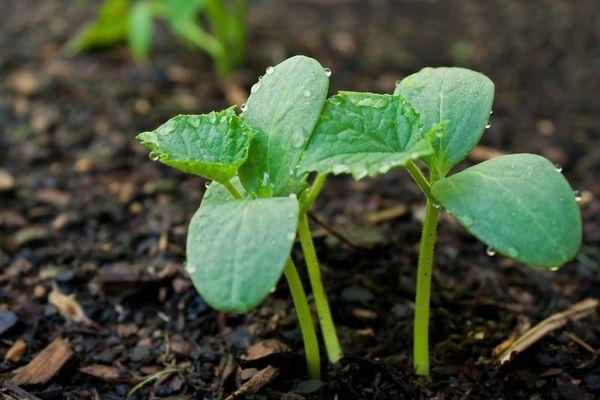
To achieve a stable and abundant cucumber harvest, comprehensive care is essential. This should include all basic agricultural practices: irrigation, fertilizing, pruning, soil cultivation, and pest and disease prevention.
Watering and humidity
The soil around the cucumbers is watered as it dries, typically 2-3 times a week. Warm water is used for irrigation. When cold weather sets in, watering is reduced to prevent root rot.
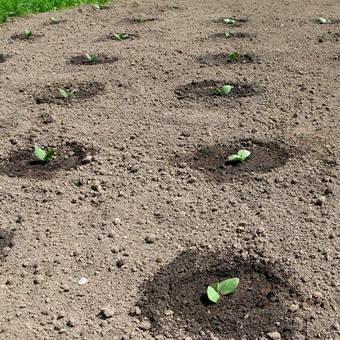
Surface watering of cucumbers is done early in the morning when humidity levels are high. Furthermore, watering the above-ground portions of the plants in the morning prevents leaf burn.
Fertilizer
Cucumbers need to be fertilized several times during the season. The first application is made with the seeds. Before sowing, add organic fertilizer to the planting holes. The next application is made 2-3 weeks after the cucumber seedlings have developed in their permanent location. The third application is applied during the period of active inflorescence and ovary formation. The final application is during fruiting to improve the taste of the vegetables.

Shaping and garter
The pruning procedure involves removing damaged and old foliage, which absorbs nutrients and interferes with plant ventilation. Pruning also ensures direct sunlight reaches the fruit. Staking is only required for tall-bush varieties.
Mulching, loosening, hilling the soil
The area around the plants is covered with mulch to better retain soil moisture. If mulching is not used, the soil is loosened after each watering to allow water to reach the roots. Hilling is done to stabilize the plants by spreading moist soil around the stems.
Pinching and pinching
The first 3-4 formed ovaries on plants are pinched to ensure the seedlings focus their energy on further development. Pinching out side shoots involves removing excess shoots. Timely pinching and cutting off side shoots allows for proper distribution of nutrients to the above-ground portion of the plant.
Diseases and pests
Throughout the cucumber growth and development process, visual inspection of the plantings is essential to monitor for signs of infection and pest damage. To combat plant diseases, protective sprays with fungicides are used. Heavily affected parts of the plantings are cut off and destroyed. Harmful insects are repelled with insecticides, and large pests are best removed by hand.
Related posts:
 Description of the best varieties of Chinese cucumbers, planting, growing and care
 Description of unusual methods for planting and growing cucumbers
 How to plant cucumbers in open ground under film: timing and cultivation technology
 When to plant cucumbers in open ground in Siberia, how to grow them, and the best varieties
 How to properly plant cucumber seedlings in a greenhouse and care instructions
 TOP 30 best determinate cucumber varieties with descriptions
 How to plant cucumbers in a greenhouse, at what distance and with diagrams
 How to make a cucumber trellis with your own hands from scrap materials