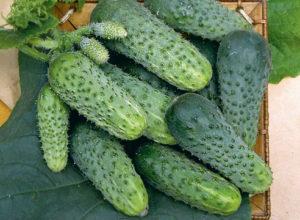
Vegetable growers use various products as growth promoters. Among them is succinic acid for cucumbers, the dosage of which depends on the soil type and the crop's development stage. While this product doesn't replace micronutrients, it does stimulate germination and help seedlings grow.
Benefits of a natural biostimulant
Succinic acid is produced by all air-breathing organisms. It acts simultaneously on all parts of the plant, stimulating appetite. The product is completely natural.

On a large scale, it is synthesized from brown coal and maleic anhydride, which is formed as a result of processing chemical industry waste.
The use of succinic acid as a biostimulant is recommended for beginning vegetable growers. It is used before applying targeted fertilizers.
The pure product resembles citric acid in appearance. It is a white, odorless powder in the form of small crystals that dissolve easily in water. The drug is available in various forms: tablets, pills (capsules with granules), and powder.
The choice of dosage form is based on the composition. This is because tablets may contain excipients that are harmful to plant development. When used for agricultural purposes, preference is given to the product in pill form, which contains fewer fillers.
The mild stimulating properties of the product allow it to be used on all parts of plants. Succinic acid does not accumulate in the soil.
Systematic treatment of plants with the preparation increases soil acidity, which is neutralized with lime and dolomite flour. Seed germination is increased by treating seeds with succinic acid.
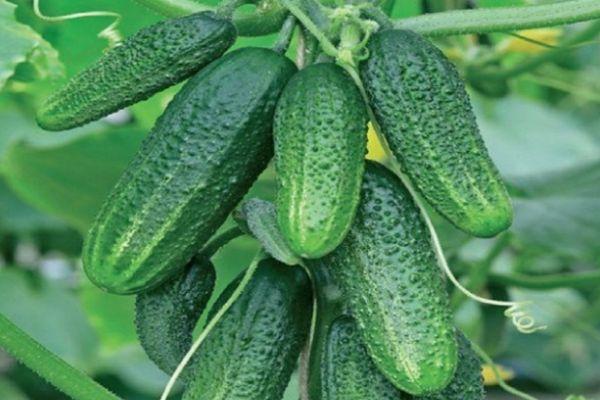
Spraying seedlings with an aqueous solution makes them more resistant to low temperatures, drought, and fungal and viral diseases. After two treatments, rapid fruit ripening is observed, and the amount of chlorophyll in the vegetative mass increases.
Fertilizing roots with an aqueous solution stimulates their growth and development. When applied to the soil, it neutralizes accumulated nitrates and destroys toxic compounds.
As a result of the research, succinic acid application rates were established to ensure proper cucumber development. The effective dosage is 25 mg per liter of water.
Preparation and application
The preparatory stage requires adherence to safety precautions. Contact of the concentrated solution with skin or mucous membranes may cause a burn.
 Therefore, you need to prepare the fertilizer with gloves. If the mixture gets on an open area of the body, neutralize it with an aqueous solution of baking soda and rinse with water.
Cucumber plants are treated with a mixture, the concentration of which depends on the intended use. For root irrigation, a saturated solution is prepared, and for spraying, a small amount of acid per unit volume of water is used.
Before preparing the mixture, calculate the required dose of the preparation for plant treatment. The prepared mixture cannot be stored for long periods.
Processing of seeds and seedlings
Preparatory work before planting cucumber seeds in the soil involves soaking them in a 0.2% aqueous solution. To prepare this solution, use 2 grams of succinic acid dissolved in 100 grams of water.
The mixture is poured into a container, which is then topped up with water heated to 18°C. The resulting solution should total 1 liter.
To strengthen cucumber seedlings when planting them in their permanent location, dissolve 2.5 g of the product granules in 1 liter of room-temperature water. To help the seedlings establish themselves, spray the plants with a spray bottle.
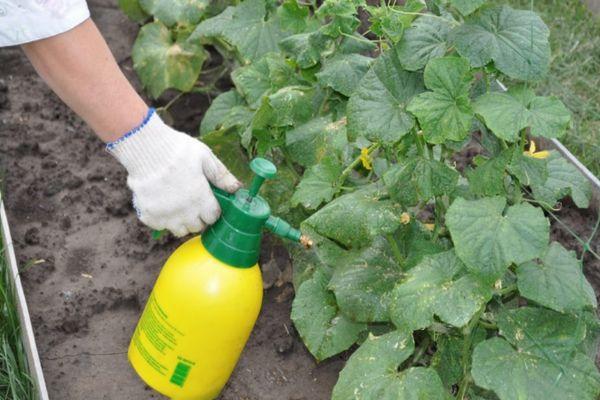
Watering with a 0.2% succinic acid solution helps the seedlings establish themselves in their new location and develop a strong root system. The watering depth depends on the age of the plants and the planting depth, but ranges from 15 to 30 cm. This is done once a week.
In cases of hypothermia, drought, or fungal diseases, cucumber seedlings can be restored using succinic acid. A 0.2% aqueous solution is used to spray the damaged areas. The procedure is repeated at intervals of 14-20 days.
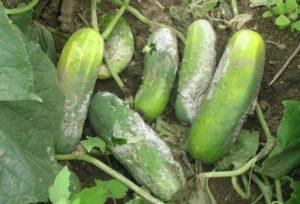
The effect of the drug on greenhouse cucumbers
Growing cucumbers in protected conditions during the cold season is a common method of harvesting. For successful cucumber cultivation, it is important to adhere to agricultural practices related to the proper nutrition of the crop.
One of the best preparations used for this purpose is succinic acid. As a result of experiments on a hybrid cucumbers Herman The effect of using a mixture of different concentrations and its influence on the quality and yield of the crop was established.
The first addition of the preparation to the nutrient solution was made three days after sowing, and then once at 14-day intervals. The mixture was used at all stages of crop development in summer, fall, and winter-spring rotations.

The results of the study were assessed based on the overall health of the cucumbers. The highest score for this criterion was achieved by the group of plants treated with a mixture at a concentration of 25 mg per liter.
When applied at a 10 mg/L solution, cucumbers were no different from the control sample. Higher doses of the preparation had no significant effect.
After transplanting the crop to its permanent location, accelerated root development is observed. The use of the preparation stimulates flowering, significantly increases the number of ovaries, and increases the yield by more than 1.5 times.
The use of succinic acid increases plant drought resistance and ensures environmentally friendly products. The product is used when cultivating cucumbers in open fields.
Related posts:
 Description of unusual methods for planting and growing cucumbers
 How to make a cucumber trellis with your own hands from scrap materials
 Types of fungicides for cucumbers in a greenhouse and instructions for use
 How to properly plant cucumbers in open ground with seeds, and at what depth
 How to care for cucumbers in open ground from planting to harvesting
 Description of the best varieties of Chinese cucumbers, planting, growing and care
 How to properly plant cucumber seedlings in a greenhouse and care instructions
 Indications and instructions for using succinic acid for plants