
- Description and characteristics of cucumbers Herman
- Pros and cons of the variety
- How to grow the crop correctly?
- Soil requirements
- Preparation of planting material
- Sowing rules
- How to care for a plant
- Watering
- Soil loosening
- Hilling
- Formation of the whip
- Fertilizer
- Diseases, pests and their prevention
- Harvesting and storage rules
- Gardeners' reviews
Who doesn't love the crunch of delicious pickled cucumbers? Especially if you grow your own. However, you always want a higher yield and fewer maintenance steps. Then a hybrid, self-pollinating variety is the perfect solution. For example, the Herman F1 cucumber variety. Despite its recent origins, this variety has become a favorite among Russian gardeners and homemakers.
Description and characteristics of cucumbers Herman
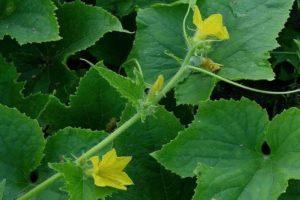
The Herman F1 cucumber variety was developed in the Netherlands by the renowned breeding company Monsanto and registered in 2001. The plant is easy to grow and thrives both in open ground and greenhouses. The flowers do not require pollination, making care much easier.
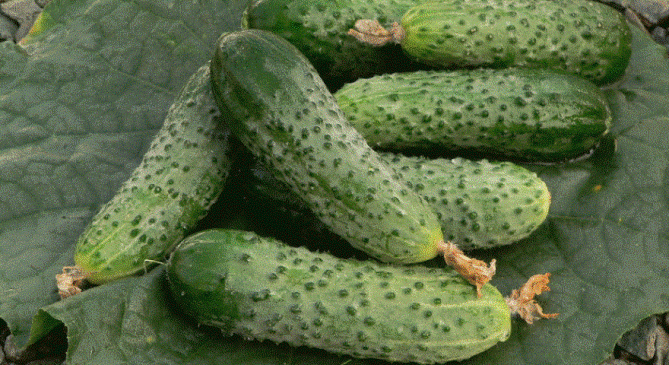
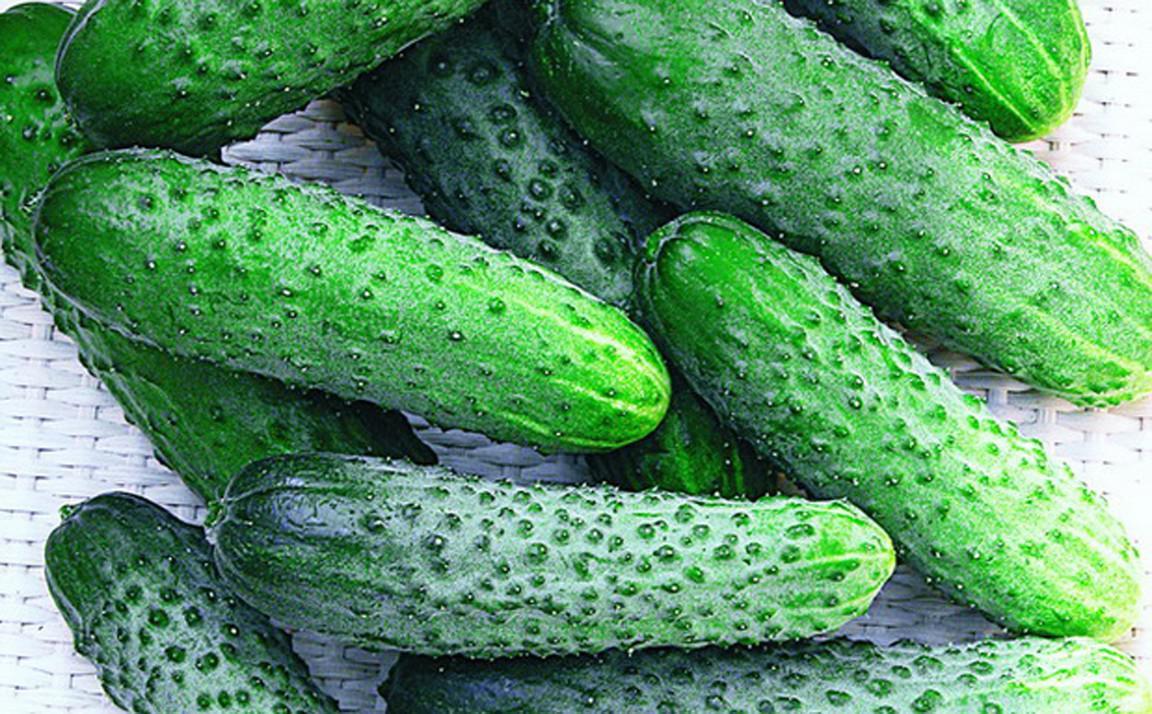
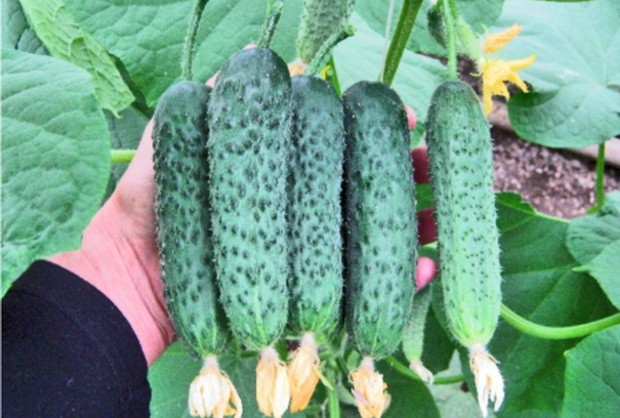
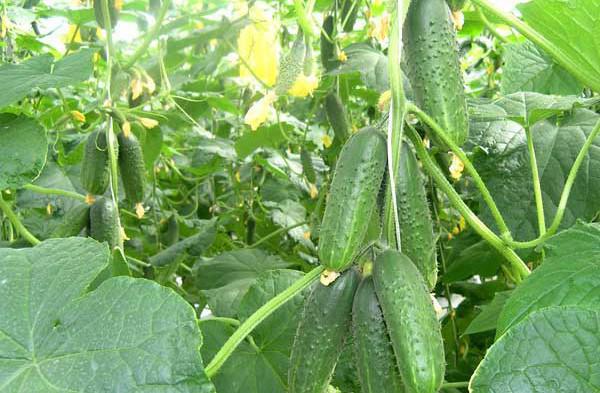
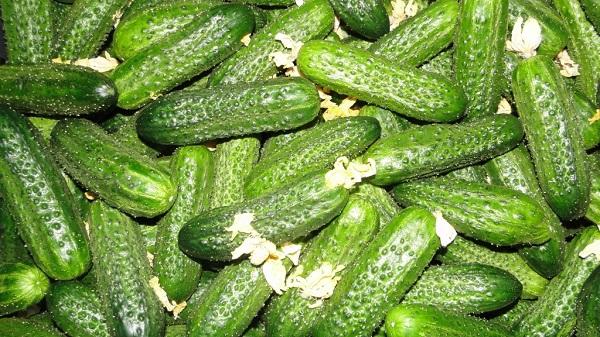
The ripening period ranges from 36 to 40 days, and the inflorescence contains 4 to 8 ovaries. The fruits range in color from pale to deep green, with large, light "pimples." The average length of a single Herman cucumber reaches 10 centimeters, and the circumference varies from 2 to 3 centimeters. With these parameters, a ripe Herman cucumber weighs 100 grams.
Pros and cons of the variety
The German variety has an extensive list of advantageous features:
- self-pollinated;
- ripens in a short time;
- the fruits are tasty, without the characteristic bitterness;
- high yield characteristics;
- the plant tolerates diseases well;
- stability of color and taste during storage;
- versatility in use.
But there are also a number of disadvantages:
- seedlings cannot be transplanted;
- temperature fluctuations have a negative effect on the crop;
- low resistance to bush rust;
- the seeds are not suitable for further use.
How to grow the crop correctly?
To ensure healthy and fruitful cucumbers, it's recommended to prepare in advance. Read the description of the Herman F1 cucumber variety, read reviews, learn about soil requirements, and learn about subsequent care.
Soil requirements
A stable temperature is an important criterion for planting the Herman cucumber variety. It is not recommended to plant the plant in soil below 12 degrees Celsius.
Therefore, planting times need to be adjusted individually, taking into account weather conditions. Alternatively, cucumbers can be grown in greenhouses, where the gardener can regulate the temperature independently.
It's also recommended to fertilize the soil before planting. Ideally, this should be done in the fall.

To do this, you need to add the following to one square meter:
- 5 kilograms of humus;
- 2.5 peat;
- another 2.5 sand;
- 15 grams of superphosphate;
- 15 grams of potassium nitrate;
- 15 grams of ammonium nitrate.
Preparation of planting material
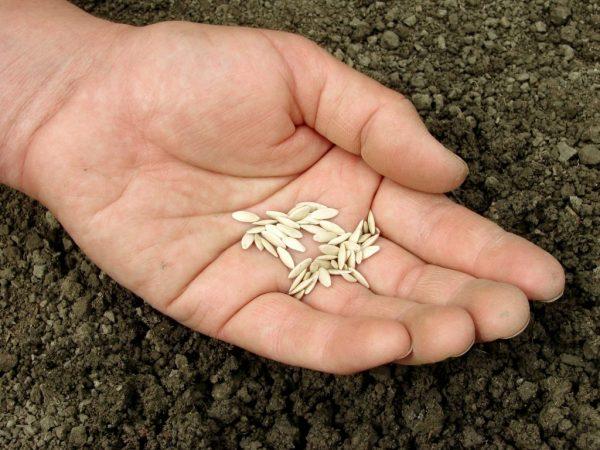
Seeds of hybrid varieties (including German) do not require any additional treatment. However, many recommend spraying them with a growth stimulant immediately before sowing and soaking them at 60 degrees Celsius for 2-3 hours. High-quality seeds, such as those available from Aelita and Gavrish, are recommended.
Seeds collected from last year's harvest are unsuitable for sowing, but some gardeners still plant them. In this case, they will need to be disinfected. Optimal products include NIUIF-2, TMTD, and others.
Sowing rules
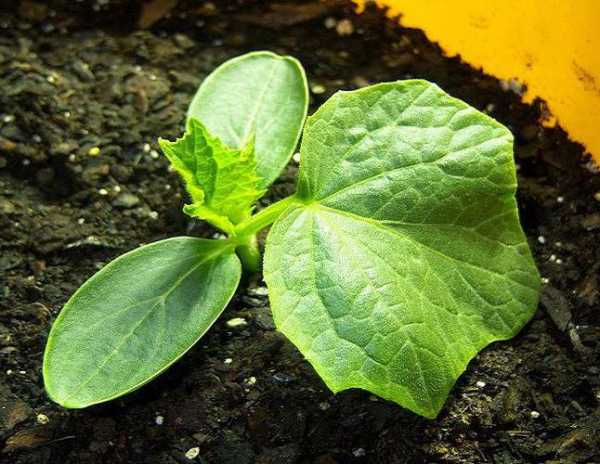
The German variety requires ample space for optimal growth and high yields. Therefore, it is recommended to carefully adhere to the planting pattern: space between rows should be at least 60 centimeters, and 30 centimeters between plants.
Important! Since seedlings do not tolerate transplanting, it is recommended to sow seeds in individual containers covered with plastic film.
This is necessary to minimize stress on the plant during transplantation. When planting outdoors, simply remove the plastic film, lower the roots and soil into the hole, and cover with soil.
How to care for a plant
To ensure a bountiful harvest, Herman cucumbers require special care. If left to their own devices, the fruits will grow small, misshapen, and bitter. Gardeners should be aware that cucumbers require constant supervision and regular watering. If you plan to be away for more than a week, it's recommended to delegate this responsibility in advance or install an automated irrigation system. A timed watering sensor is expensive and may not always be effective.
Watering
As we know, cucumbers are 85% water, so they require plenty of fluids and a consistent growing schedule. On average, it's recommended to water the Herman variety once every three days, while avoiding two key mistakes made by novice gardeners:
- Avoid watering German cucumbers with cold water. This leads to a sharp decline in immunity, unstable root function, and, consequently, developmental delays.
- Avoid overwatering the plant, as this can lead to water accumulation around the trunk. Excess water will cause root rot and the stem to become brittle.

Soil loosening
It's recommended to loosen the soil for Herman cucumbers regularly, approximately the second day after watering – this ensures the soil is moist but not too sticky to the tools. Weeding should also be done at this time. When using sharp metal tools near the roots, it's important not to cut the plant, as this will cause a wound. If you can't avoid cutting the stem, treat the affected area with Bordeaux mixture.
Hilling
Hilling cucumbers is not a necessary procedure, and many gardeners advise against it, as it can easily damage the roots. However, careful hilling improves the flow of minerals and increases yields.

Formation of the whip
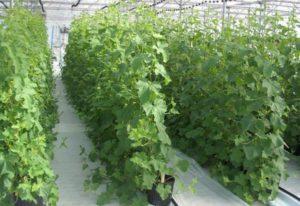
To begin, it's recommended to extend trellises next to each bush to which the vines will be attached. In a greenhouse, the crossbars serve as the foundation, but creating a trussing system in open ground requires careful design. It's recommended to begin shaping the vines from the first days after planting. To do this, remove the lower leaves.
Important! This procedure is performed with pruning shears, not by hand. Otherwise, you risk damaging the bush. It is recommended to begin shaping the bush when it reaches 4 centimeters.
It's not recommended to completely remove side shoots; pinching them back at a distance of 20 centimeters is better. The number of shoots retained depends on the gardener, but no more than three is recommended.
Fertilizer
Fertilizing for cucumbers Herman is introduced step by step:
- 20 grams of nitroammophoska per 10 liters of liquid when 3 true leaves form;
- a teaspoon of potassium sulfate per 10 liters of water during flowering;
- 30 grams of "Wonderful Garden" per 10 liters of water once a week during harvest time.
Periodically, mulch with a humus layer up to 5 centimeters thick. This will protect against possible short-term temperature drops and improve the absorption of minerals.
Diseases, pests and their prevention
The main danger when growing Herman F1 cucumbers is rust. This disease causes the foliage to dry out completely and the crop to fail. However, the spread can be stopped at the initial stage (when the leaves have just begun to turn yellow) using a folk remedy.
To prepare the solution you will need:
- Infuse 300 grams of ash in hot water;
- grate a handful of 72% laundry soap;
- mix with a bucket of water.
Mix everything thoroughly, pour into a convenient container, and spray in the evening, every 7 days, until the infection is completely gone. Incidentally, ash not only combats fungi but also helps get rid of parasites (aphids, whiteflies).
Harvesting and storage rules
It's recommended to harvest every two days. Small cucumbers (5-7 centimeters) are picked for pickling; cucumbers up to 10 centimeters are good for salads. Fresh cucumbers should be stored in a cool place (but not in the refrigerator, as they will become sour there) for up to a week.
Gardeners' reviews
Gardeners note the decent harvest quality, ease of care compared to other cucumber varieties, and pleasant taste, which characterize this variety as positive. Even its susceptibility to certain diseases doesn't overshadow its advantages.
Related posts:
 The best cucumber varieties for open ground in the Moscow region and their cultivation
 TOP 30 best determinate cucumber varieties with descriptions
 30 Best Dutch Cucumber Varieties with Descriptions and Characteristics
 How to make a cucumber trellis with your own hands from scrap materials
 When to plant cucumbers in open ground in Siberia, how to grow them, and the best varieties
 Description of unusual methods for planting and growing cucumbers
 Description of the best varieties of bee-pollinated cucumbers, rules for their formation and care
 Description of the best varieties of Chinese cucumbers, planting, growing and care