
- Why fertilize cucumber seedlings at home?
- Signs of micronutrient deficiency
- Which remedies are worth using and which ones should be avoided?
- Methods of introducing fertilizers on balconies: which is best?
- Foliar method
- Root method
- Popular types of fertilizers for windowsill feeding
- Use of ready-made mixtures
- Iodine for cucumber seedlings
- Folk remedies
- Wood ash and manganese
- Banana peel
- Eggshell
- Onion peels
- Coffee grounds
- Sugar
- Potato peelings
- Azofoska
- Hydrogen peroxide
- Bread infusion
- What to choose
- During the growth period
- During flowering
- During the development of fruits
It's easy to make nutritious fertilizer for cucumbers at home. It's important to follow all recommendations for dosing and frequency of application. The recipes use only safe and effective, time-tested ingredients. At each stage of development, the crop requires different micronutrients. Certain signs can help determine which component the plants are lacking. There are several methods for applying fertilizer.
Why fertilize cucumber seedlings at home?
Without regular fertilizing, growing a cucumber crop on the balcony will be problematic. To grow and form fruit, cucumbers require a constant supply of beneficial microelements. The limited volume of soil in the pot is constantly depleted, and the plant develops poorly.
The benefits of additional feeding are determined by the following indicators:
- the root system is actively formed and strengthened;
- plant growth is accelerated;
- many ovaries are formed;
- the harvest quantity increases;
- the fruits are formed evenly with excellent taste qualities;
- the fruiting period is extended.
Signs of micronutrient deficiency
To understand what element cucumbers lack, you need to know the first signs of the problem:
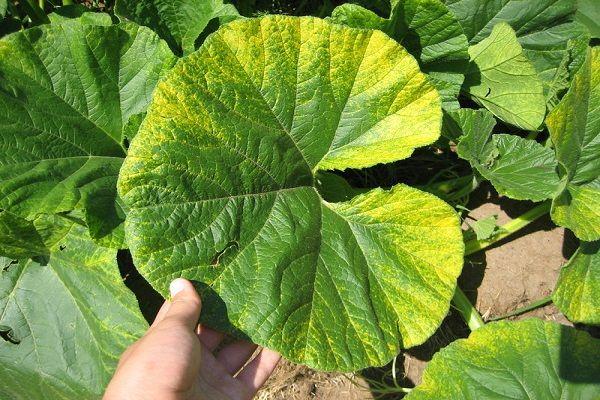
- A potassium deficiency causes flowers and ovaries to fall off, leaves to turn yellow and curl, and cucumbers to grow crooked and pear-shaped. The fruit tastes watery and bitter.
- Nitrogen deficiency is indicated by small, pale-green leaves. The stem becomes thinner. The fruits are small, deformed, and have a curved, narrow tip.
- If the leaf blade curls upward, the ovaries and flowers fall off, and the plant stops growing, then a phosphorus deficiency must be ruled out.
- A magnesium deficiency causes leaves to turn pale, leaving only the veins green. Yellow spots appear on the lower leaves.
- With a copper deficiency, the leaf blade turns pale, the shoots look weak, and the flowers quickly fall off.
- Calcium deficiency manifests itself as light-colored stripes on the leaves. These stripes gradually widen, and the leaves begin to dry out and fall off. The inflorescences become affected by rot, which spreads to the root system.
Which remedies are worth using and which ones should be avoided?
Fertilizing requires following certain rules:
- at the initial stage of growth, the introduction of nitrogen-containing compounds is required;
- at the flowering stage, the need for potassium and phosphorus compounds increases;
- During the period of fruit formation, you cannot use chemical fertilizers; it is better to choose organic fertilizers;
- Fresh manure cannot be added.
Methods of introducing fertilizers on balconies: which is best?
When growing balcony cucumbers, it is useful to combine root feeding with spraying fertilizer on the leaves.
Foliar method
Foliar spraying of cucumbers on the green foliage has a beneficial effect on their development. The nutrients are absorbed more quickly. Foliar feeding guidelines:
- the concentrate for processing is prepared weaker than for watering at the root;
- It is important to observe the dosages of all components;
- the procedure is carried out early in the morning or in the evening;
- Before fruiting begins, it is useful to spray the leaves with a urea solution;
- At the fruiting stage, spraying with a solution containing boric acid is recommended.

Root method
Root application allows beneficial micronutrients to remain in the soil longer, nourishing and strengthening the plant. Before applying the liquid fertilizer, the bed should be watered. This procedure is performed in the morning or evening.
Popular types of fertilizers for windowsill feeding
You can fertilize home-grown cucumbers with both ready-made products and compositions made according to folk recipes.
Use of ready-made mixtures
Popular ready-made fertilizers include superphosphate, potassium nitrate, ammophoska, nitrophoska, and urea. The recommended amount of the chosen product is diluted in a bucket of water and watered with the plants.
Iodine for cucumber seedlings
Iodine is an essential micronutrient involved in biological processes. A small amount of this element is necessary for the normal development of cucumber seedlings. Iodine is found in ash and manure. It's not available as a separate fertilizer, but you can prepare a solution yourself.
An iodine-based solution stimulates seed germination, destroys fungal infections, enhances plant immunity, and increases crop yield.
To treat cucumbers on a windowsill, dissolve just one drop of iodine in three liters of water. The resulting solution is sufficient for watering the seedlings once or for spraying the greens during the active growing season.
An effective solution is iodine with added milk. Add 350 g of milk and 4 drops of iodine to three liters of water. Water the soil and spray the foliage with the resulting solution.
Folk remedies
Compositions prepared according to folk recipes are considered effective and safe. The ingredients are readily available, inexpensive, and are well-received by all cucumber varieties. The key is to follow the dosage and processing instructions.
Wood ash and manganese
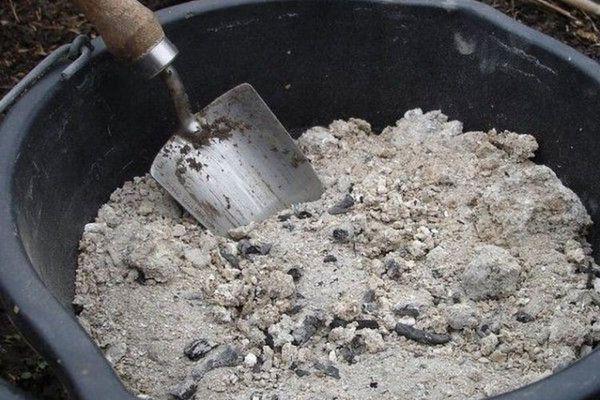
Wood ash is rich in chemical elements. It contains a lot of calcium, phosphorus, potassium, iron, zinc, and other microelements. Potassium permanganate is also a good organic fertilizer.
Wood ash and potassium permanganate improve crop growth and quality:
- cucumber leaves become larger, acquire a rich green color, and the harvest quantity increases;
- many flowers and ovaries appear;
- the process of fruit ripening is accelerated;
- the plant is less susceptible to diseases and pest attacks.
Cucumbers should be fed with ash as early as the seedling stage. The first application is recommended when the seedlings develop three true leaves. Dissolve 200 grams of wood ash in a bucket of warm water and let it sit for 5 days. Water the seedlings with the strained solution no more than once a week.
To prepare a potassium permanganate solution, dissolve 3 g of potassium permanganate in a bucket of water. Apply the prepared solution to the root zone of the plants, and loosen the soil after a while.
Banana peel
Banana peel fertilizer contains a high amount of potassium, with slightly smaller amounts of calcium, magnesium, and phosphorus. All of these components promote vigorous flowering and fruiting. Banana peel fertilizer also offers the following beneficial properties:
- strengthen and accelerate the growth of the root system;
- strengthen the plant's immunity;
- improve the taste of fruits;
- increase resistance to diseases and pests.
Using banana peels is easy. Simply cut them into small pieces and place them in the bottom of the container before transplanting the seedlings. As they decompose, they enrich the soil with essential nutrients.
![When is the best time to plant cucumbers in open ground in [year], favorable days according to the lunar calendar](https://harvesthub.decorexpro.com/wp-content/uploads/2019/01/posadka-po-lunnomu-kalendaryu-v-2018-godu-600x450-300x225.jpg)
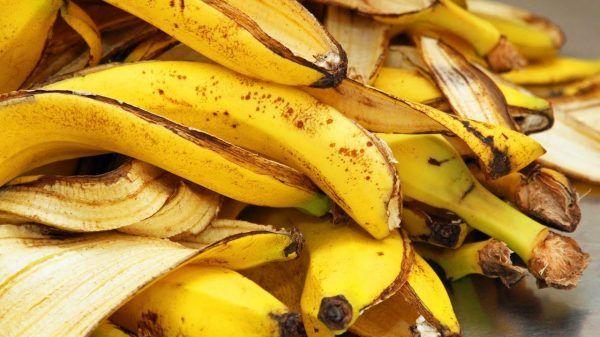
Liquid fertilizer is also effective. The peels of three bananas are cut into small pieces, poured into three liters of warm water, and left to steep for a couple of days. The infusion is then strained and diluted with water.
Eggshell
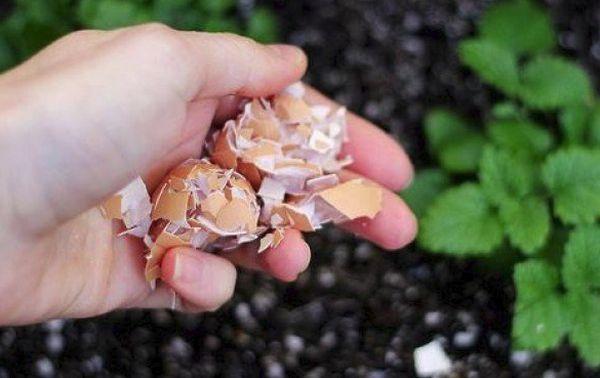
Eggshell fertilizer improves soil health and nourishes plants. Furthermore, this component has the following properties:
- saturates the plant with calcium, iron, sulfur, phosphorus, zinc, potassium;
- reduces the acidity level of the soil;
- improves the structure of the soil, making it loose and breathable.
Dry crushed eggshells are added to each hole during transplanting. A liquid infusion can be used to water cucumbers at any stage of the growing season. Crushed eggshells are poured with boiling water and left to steep for 5 days. Dilute the solution with water before use.
Onion peels
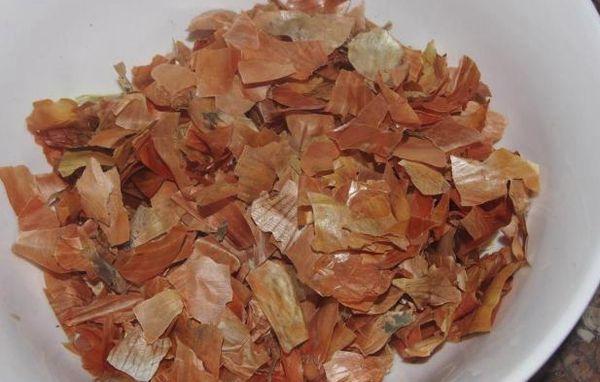
Onion peels contain many vitamins and microelements, which provide a whole list of beneficial properties:
- improves immunity;
- restores damaged plants;
- acts as an antibacterial agent.
To prepare the infusion you will need:
- Pour a bucket of boiling water over 200 g of husk;
- the mixture is kept for three days and filtered;
- should be diluted with water before use.
A decoction is also easy to prepare. Pour boiling water over the onion peels and simmer for another 5-7 minutes. After cooling, dilute with water and use it to treat the cucumbers.
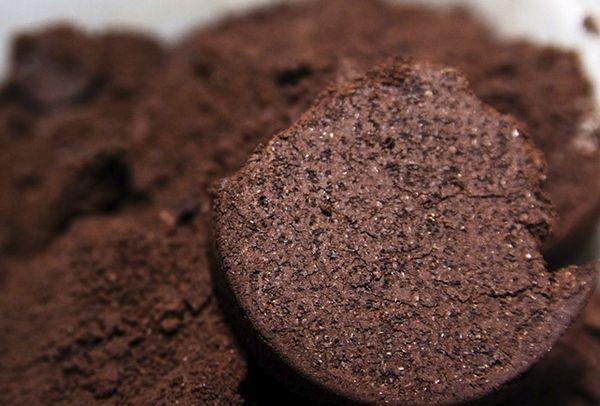
Coffee grounds
When used regularly, coffee grounds can replace chemical fertilizers. Beneficial properties of coffee ground-based fertilizers:
- improves soil structure;
- prevents pest attacks;
- the component attracts earthworms to the area, which make the soil loose and breathable;
- stimulates plant growth.
It's also important to note that the component contains a lot of nitrogen. Therefore, the solutions should be used with caution to avoid burning the roots.
Fresh coffee grounds should not be added to the soil, as this creates a breeding ground for mold and mildew. Dry the grounds first. Add the prepared soil mixture and coffee grounds to the planting containers.
Sugar
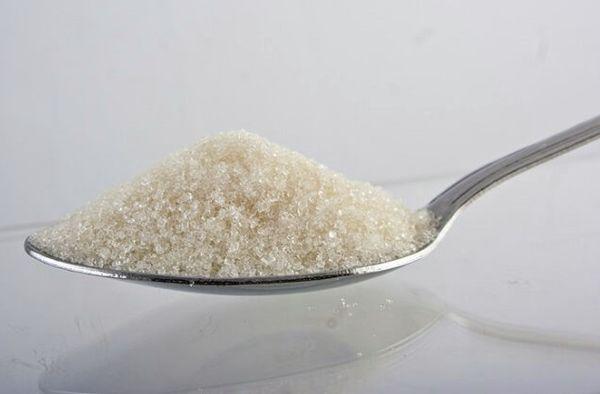
A fertilizer based on sugar and yeast is considered effective. The easiest way to prepare the solution is:
- 150 g of yeast is dissolved in three liters of water;
- add sugar;
- the container with the mixture is placed in a warm place for three days;
- Before use, the concentrate is diluted with water.
The prepared solution is sprayed on the greenery or watered on the soil, using 500 ml of solution for each root.
Potato peelings
Potato peelings help improve soil fertility and the quality and quantity of crops. They contain vitamins, mineral salts, organic acids, and microelements.
First, the component must be thoroughly dried. Then, decoctions or infusions are made. The peelings are poured with boiling water and left to steep for a full day.
Potato peelings are made into a nutritious paste. The peelings are soaked in boiling water and left for five days. During this time, the potato skins absorb all the moisture and swell. The mixture is then used as a fertilizing agent.
Azofoska
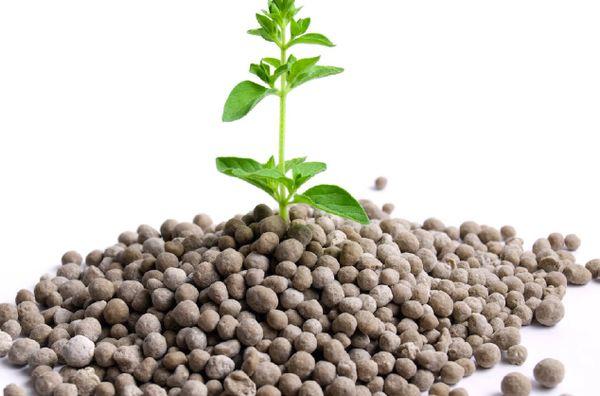
Azofoska is an inexpensive and effective complex mineral fertilizer. It contains a high concentration of nitrogen and slightly less phosphorus and potassium. It comes in the form of small white or pink granules that dissolve easily in water.
Azofoska has the following positive characteristics:
- increases crop yield;
- increases the amount of nutritional components in cucumbers;
- prolongs the fruiting period;
- strengthens plant immunity.
Dry granules can be distributed into the holes when transplanting seedlings. For root feeding, prepare a liquid solution. Dissolve 9 g of powder in three liters of water.
Hydrogen peroxide
Hydrogen peroxide is a popular solution used when growing cucumbers on a windowsill. A solution based on this component helps gently care for the crop at home:
- protects against viruses, fungi and bacteria;
- improves soil aeration;
- accelerates plant growth;
- strengthens the immune system.
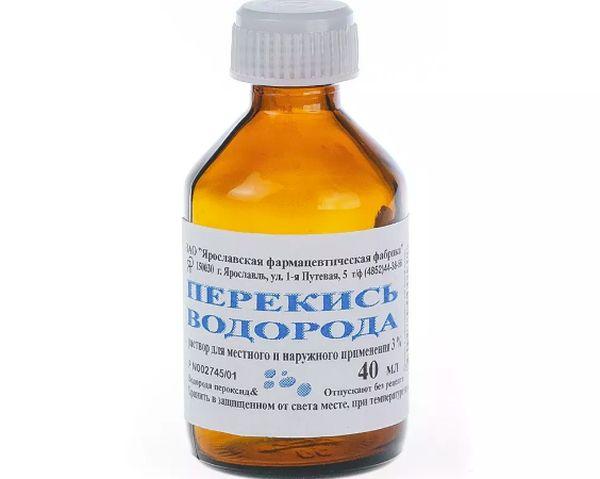
For cucumber seedlings, prepare a dilute solution. Simply dilute 30 mg of hydrogen peroxide in a liter of warm water. The solution is either sprayed on both sides of the leaves or watered at the roots.
Bread infusion
Traditional recipes are incomplete without bread infusion. This mixture contains a lot of proteins, carbohydrates, vitamins, and microelements, which improve soil composition and promote vegetable growth. Instructions for preparing the infusion:
- black bread crumbs are soaked in warm water;
- leave for three days to swell;
- then add sugar and leave for another three days;
- Before use, the concentrate should be diluted with water.
The prepared solution is sprayed on the greenery or poured under each cucumber bush.
What to choose
Cucumbers grown on a loggia require the addition of certain microelements at a certain stage of development.
During the growth period
The first cucumber shoots should appear within 6 days of planting. During the seedling growth stage, a complex fertilizer containing nitrogen, phosphorus, and calcium is required.
After 12 days, apply the first fertilizer. Dissolve urea and superphosphate in three liters of warm water. Water all the seedlings with the resulting liquid solution.
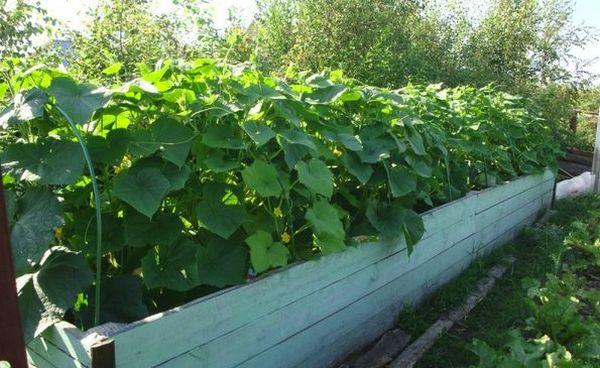
Two more fertilizing sessions are carried out at 12-day intervals. A solution based on nitrophoska and wood ash is suitable. Before applying fertilizer, be sure to water the soil with plain water.
During flowering
A month after planting, flowering and fruit set begin. During this period, plants require ample nutrition. A mixture of ammonium nitrate, superphosphate, and potassium sulfate is effective. Nitrogen levels should be reduced during the flowering stage.
During the development of fruits
Once the first fruits appear, repeated feeding is required. At this stage, it's helpful to water the plants with ash infusion, a nitrophoska-based solution, or bird droppings infusion. The components in these fertilizers help the green shoots develop plump and evenly.
Related posts:
 How to care for cucumbers in open ground from planting to harvesting
 Description of unusual methods for planting and growing cucumbers
 Description of the best varieties of Chinese cucumbers, planting, growing and care
 How to properly plant cucumber seedlings in a greenhouse and care instructions
 How to make a cucumber trellis with your own hands from scrap materials
 Why cucumber leaves are drying out and what to do, how to treat them in a greenhouse and in the ground
 Rules for treating and fertilizing cucumbers with brilliant green and iodine, and disease control
 How to properly plant cucumbers in open ground with seeds, and at what depth