
The Vyaznikovsky cucumber has been deservedly popular among Russian gardeners for over 100 years. Developed in Vyazniki for the conditions of central Russia (Moscow, Vladimir, and elsewhere), the variety gradually spread throughout the country. Currently, the cucumber is listed in the State Register of Seeds of Russia under the name Vyaznikovsky 37.
General description of the plant
The description of the Vyaznikovsky 37 variety classifies it as an early-ripening variety. Harvesting can begin as early as 35-40 days after germination. During the active fruiting period, up to 3 kg of fruit can be harvested per square meter per day. The bushes are resistant to mid-summer cold snaps and temperature fluctuations. Cucumbers can be grown in both southern regions (Krasnodar Krai) and in the harsh conditions of the Urals and Siberia.
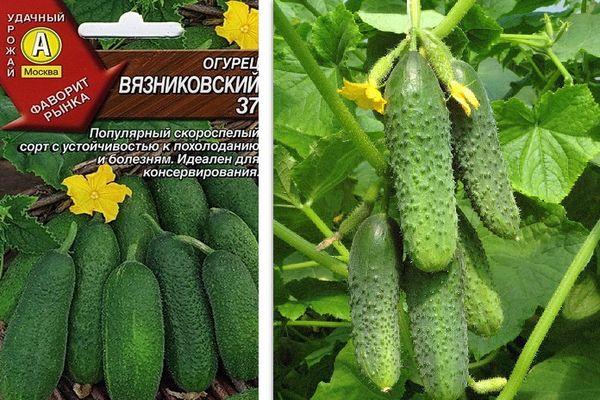
Vyaznikovskie cucumbers are suitable for both open and closed ground. When planting in a greenhouse, keep in mind that this variety is pollinated by bees, so leave the door open to allow insects access. Gardeners' recommendations indicate that Vyaznikovskie produce best when grown in open ground or plastic greenhouses.
Vyaznikovskie 37 cucumbers are resistant to fungal diseases (powdery mildew, etc.). They don't become bitter even with midsummer temperature fluctuations. They are tolerant of slight soil drying out, but require daily watering during severe drought.
The shoots are short, up to 2 m. When grown on a trellis, shaping is required: 3-4 flowers with ovaries are left on each side shoot, and then pinched. Without staking, the shoots are trained into 3-4 branches, producing several shoots from a single root.
The leaves are small, with unwrinkled blades. To prevent disease, it is recommended to remove old and yellowing leaves.
Characteristics of the fruits of the Vyaznikovsky 37 variety
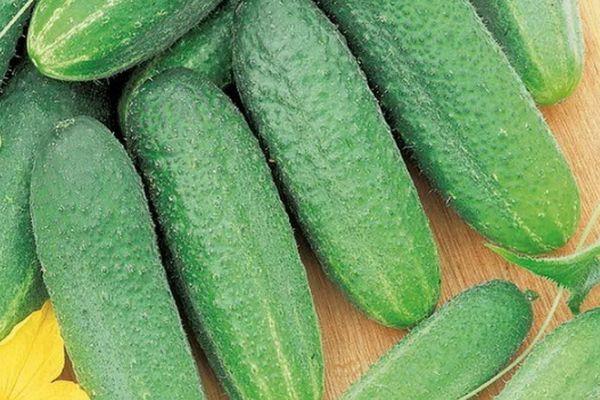
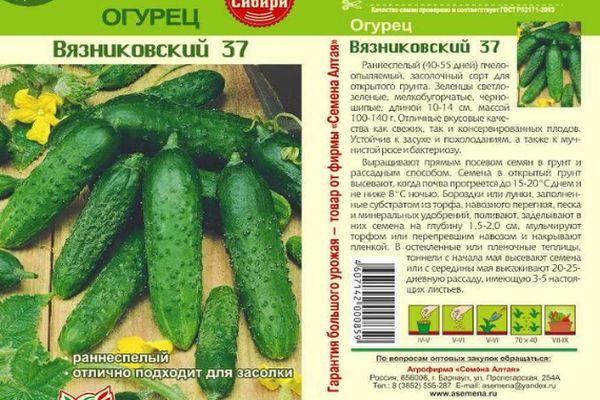
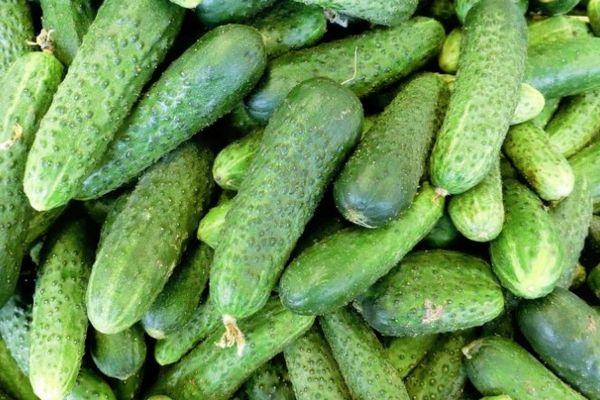
Cucumbers are cylindrical, elongated, and unribbed. The average length of a harvestable fruit is 10 cm, weighing 130-150 g. Seedlings can reach 14-15 cm.
The skin is soft, deep green when ripe, with a light tip and narrow, pale stripes that fade about one-third of the way through the fruit. Young cucumbers are covered with slightly convex but numerous tubercles with dark, blunt spines. As the ovary develops, the tubercles become less noticeable. Fruits at ripeness withstand transportation well and retain their marketable appearance for 2-4 days.
The cucumber flesh is dense and crisp. At technical maturity, the seed chamber occupies about 0.5 times the fruit's thickness and contains numerous small seeds. In slightly overripe cucumbers, the seeds become more visible but have not yet developed a tough shell, making these fruits perfectly suitable for consumption.
The taste is rated at 4.5-5 on a five-point scale. The fruits are not bitter and have a strong, distinctive aroma. There are no hollow spaces inside.
A versatile variety. Its early harvest allows it to be used in salads and appetizers, as well as for all types of fresh consumption. Small fruits are harvested during the peak season for canning. Slightly overgrown cucumbers of this variety can be pickled, salted, or made into pickles, removing the seeds and rough skin.
Agricultural technology of the variety
When growing in a greenhouse or open ground, you can use either seedlings or seeding in a bed. The former method allows for an even earlier harvest, while the latter allows for a later period of heavy fruiting, when tomatoes and other vegetables for garnishing begin to ripen. A combination of both methods is convenient in a garden plot.
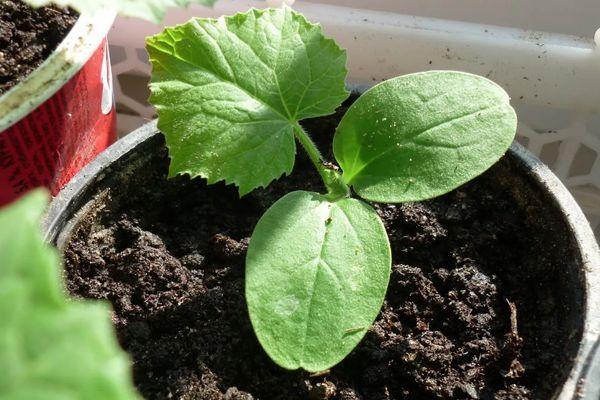
To grow seedlings, prepare peat pots with loose soil. Fill the pots to 2/3 of their capacity with soil. Before sowing, it's best to soak the seeds for 30-40 minutes in warm water with potassium permanganate, then place them in a damp cloth and germinate in a warm place (+30°C).
Seeds that sprout the next day can be sown, planting them about 1 cm deep in moist soil. Unsprouted seeds may germinate in the next 2-3 days, so don't throw them away. Keep the cloth moist.
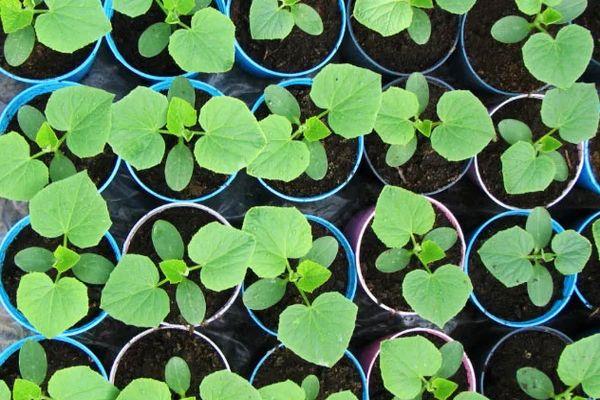
Let the seedlings grow for 2-3 weeks. During this time, add soil to the pots up to the cotyledon level. When the plants have 3-5 leaves, they can be planted in a greenhouse. If the bushes are not tied to a trellis, pinch off the top of the bush: this will allow you to get 3-4 lateral shoots, on which more female flowers will form.
When sowing in the ground, follow the same procedure, but sow the seeds directly into the permanent location. Cucumbers should be watered generously with warm water in the evening, and in hot weather, misted in the morning and evening to increase air humidity.
Related posts:
 Is it possible to soak treated cucumber seeds before planting and how to do it correctly?
 Description of the best varieties of Chinese cucumbers, planting, growing and care
 TOP 30 best varieties of cold-resistant cucumbers with descriptions and characteristics
 The best eggplant varieties for growing in a polycarbonate greenhouse: planting and care
 Description of the best varieties of bee-pollinated cucumbers, rules for their formation and care
 How to plant cucumbers in open ground under film: timing and cultivation technology
 Description of unusual methods for planting and growing cucumbers
 Carrot care guidelines for outdoor cultivation to ensure a good harvest
This year I planted two cucumber varieties, a late-ripening one and this one. I hadn't tried it before, but the sprouts have been appearing for a while now. I want to see for myself how early this variety is. I also liked the description that it's quite hardy and can handle various climates. I'll see how it turns out.