
There are two varieties of Alliance cucumbers. The first appeared on the market almost 20 years ago, in 1999. It is grown in almost all regions of Russia. This hybrid was developed by Russian breeders. In 2008, a second cucumber variety, developed by the Dutch company Bejo, appeared on the market. This early-ripening vegetable is grown in the North Caucasus and Nizhny Novgorod regions.
Both varieties are characterized by consistently high yields and disease resistance. However, they have their own characteristics that should be considered when choosing planting material.
Description of the Russian hybrid
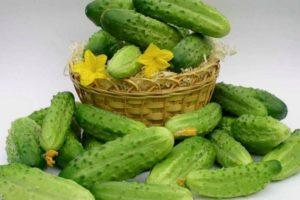
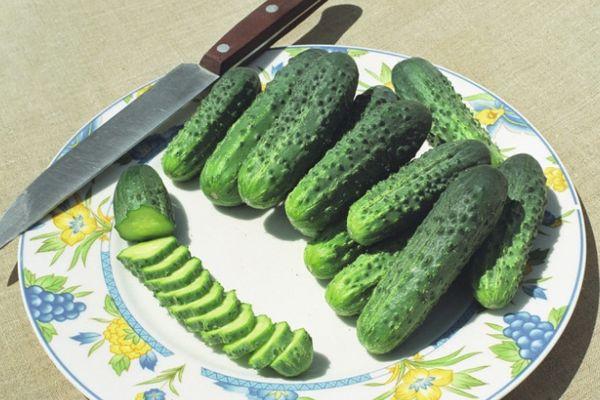
The Alliance F1 cucumber is designed for greenhouse cultivation. Ripening takes 50 to 55 days. Flowers are predominantly female, and the plant is parthenocarpic. Medium-height bushes bear small leaves with wavy edges. The ovary is cylindrical, with 1 to 3 ovaries per axil. The cucumbers are a regular cucumber shape with a short neck. Cucumbers are approximately 15 cm in size, weighing 95 to 115 g, and have a dense, rich green skin with small white stripes. The plant bears fruit until late autumn.
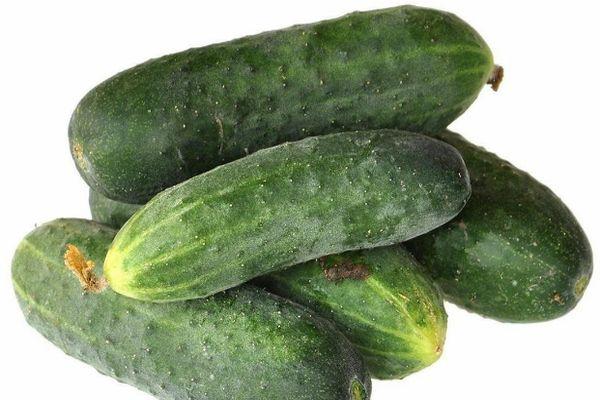
The variety's yield depends on the growing region. The minimum yield in the East Siberian region is 6.4 kg per 1 m². The highest yield is in the northwestern territories – 19 kg per 1 m².
This vegetable has excellent flavor and is used both fresh and for winter preservation. The main characteristic of this variety is its excellent immunity. The plant is resistant to diseases such as:
- powdery mildew;
- brown spot;
- downy mildew.
The fruits have a long shelf life and are easy to transport, which makes it possible to grow the vegetable for commercial purposes.
Dutch F1 Alliance
An early-ripening variety, it takes no more than 47 days from germination to harvest. It is pollinated by bees and is suitable for outdoor cultivation. The central branch has unlimited growth, and the leaves are medium-sized and dark green. The plant has a strong root system.
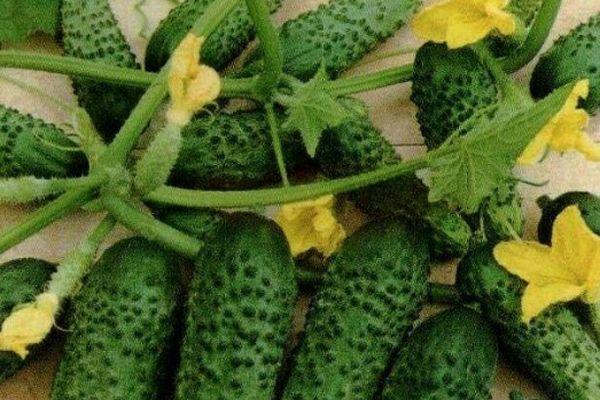
Description of fruits:
- cylindrical shape;
- fruit length - from 6 to 10 cm;
- weight - 70-90 g;
- the skin is thin, the top is light;
- high transportability;
- rich taste and persistent aroma.
This variety is not afraid of hot summers. Furthermore, the plant is resilient to temperature fluctuations. Seeds can be sown in late May, after night frosts have passed. Yields range from 150 to 485 centners per hectare, depending on weather conditions. These gherkin-type cucumbers are ideal for canning.
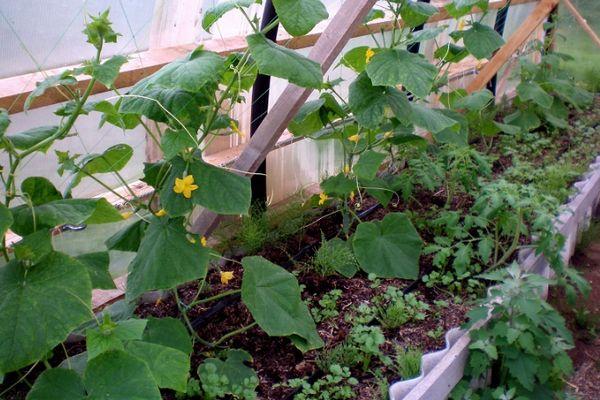
The plant is resistant to diseases and pests, and is not afraid of olive spot, mosaic virus, downy mildew, and powdery mildew.
Sowing and growing
The Russian Alliance F1 variety is best sown in a greenhouse; if planting outdoors, growing seedlings is recommended. It is less temperature-tolerant than the Dutch Alliance F1. Bejo cucumbers can be grown using any method. If you sow seedlings first, the first fruits will appear several weeks earlier.
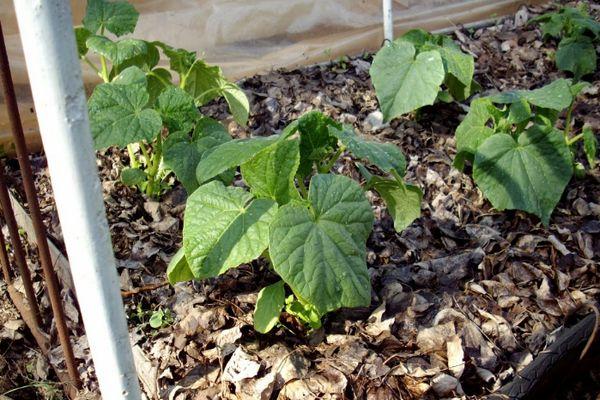
Sow seedlings a month before planting them in the garden. First, the seeds need to be germinated. Use damp cheesecloth for this. After sprouts appear, sow them at a depth of 1-2 cm. The soil should be moist. Maintain a temperature of 25°C in the room where the seedlings are located, and water the plants several times a week. Transplant the seedlings into the garden when the soil warms up to 10°C.
When sowing in open ground, place the seeds at a depth of 3 cm and space them 5 cm apart. The soil should warm to 14°C. A site on elevated ground is preferable. Planting on level ground is acceptable, but not in lowlands.
The main requirement is a large amount of sunlight; the area should be illuminated up to 15 hours a day. At the same time, the plant requires protection from the wind. It is recommended to plant tall crops, such as corn, near the cucumbers.
Watering should be regular; the variety prefers moist but loose soil. The plant isn't very tall, so weeding is essential. Fertilize with mineral fertilizers. However, if the summer is cool, organic fertilizers can be used. They generate a lot of heat as they decompose.
Typically, fertilizer and water are applied between rows in shallow furrows. This method helps protect the root system from erosion.
High yields and excellent taste have earned this vegetable nothing but positive reviews from gardeners. At the same time, the Alliance F1 variety is easy to care for and can be grown even by novice gardeners.
Related posts:
 Description of 30 varieties and types of Muscat grapes, planting, cultivation and care
 Description and characteristics of the 60 best sea buckthorn varieties, how to choose depending on the region
 The best grape varieties for growing in the Urals, planting and care rules in summer
 Description of the best and most productive cucumber varieties for open ground
 Description of the 90 best varieties of beans for open ground with names
 Beginner's Guide to Growing Grapes in Open Ground in Central Russia
 80 Best Eggplant Varieties for Different Regions with Descriptions and Characteristics
 A description of the best eggplant varieties for growing in greenhouses and open ground in the Moscow region.
Excellent taste. I've been planting this variety for several years now—it's disease-resistant, high-yielding, and has a good taste. But last year I used it as fertilizer. BioGrow, the harvest increased by 50%.