
- Eggplants for the Moscow Region: What are the characteristics and requirements?
- Eggplants for open ground
- Agate F1
- Albatross
- Robin Hood
- Giselle F1
- Mirval F1
- King of the North
- Snow
- The taste of mushrooms
- Eggplant varieties for greenhouses
- Bagheera F1
- Caviar F1
- The Black Prince
- Donetsk fruitful
- Hippopotamus
- Lolita
- Baikal F1
- The Fat Master
- Vicar
- Alenka
- Northern Blues
- Which variety to choose?
- How to grow eggplant seedlings for the Moscow region
- Growing eggplants in a greenhouse and in open ground
- When to harvest
- Mistakes of inexperienced gardeners
Many gardeners are currently trying to grow eggplants in their gardens. Despite their efforts and hard work, some fail to produce a decent harvest of eggplants. This can be due not only to improper care but also to the wrong variety of eggplant. Therefore, it's worth researching which eggplant varieties are considered best for greenhouse cultivation in the Moscow region.
Eggplants for the Moscow Region: What are the characteristics and requirements?
Eggplants are heat-loving plants, so it is difficult for them to tolerate low temperatures. The crop has a long growing season, and the average harvest period from planting is 110 days.
Breeding advances have allowed us to create a wide variety of eggplant varieties, some of which are recommended for cultivation in the Moscow region. The region has challenging climatic conditions, so varieties suited for this area require stress tolerance. These include early- and mid-season varieties, tall and short, suitable for both outdoor and greenhouse cultivation.
Eggplants for open ground
The advantage of outdoor planting is the ability to vary planting patterns, while eliminating the main drawback of greenhouses—the lack of space. In many cases, yields in outdoor beds are only slightly lower than those grown under cover.
To achieve good fruiting quality, it is important to select the right varieties whose selection qualities allow for outdoor planting.
Agate F1
A high-yielding variety that is undemanding to climate conditions. It can even be planted in the ground under cover, even from seeds, which are sown starting in the second week of May. The plant's distinctive feature is its tender, non-bitter flesh. The fruits are oblong in shape, with purple skin, and average weight reaching 230 g. With proper growing conditions and fertilizing, they can be grown from 1 m.2 They harvest up to 8 kg of vegetables.

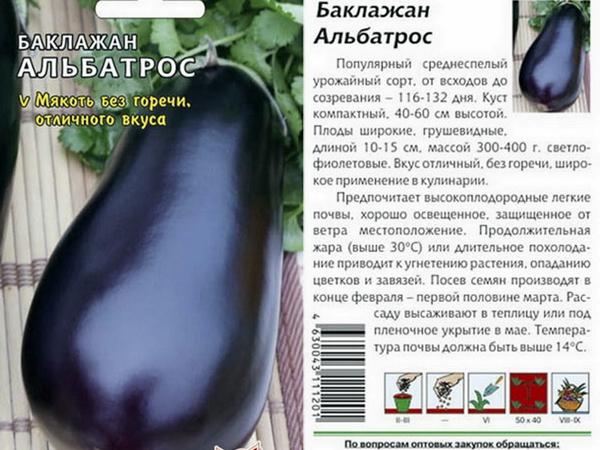
Albatross
The seeds of this variety demonstrate high yield rates, from 1 m2 Gardeners harvest up to 9 kg of eggplants. The plant is resistant to mosaic, but is susceptible to other diseases, requiring preventative measures. The first fruits form 120 days after planting.
The bushes grow to a height of 70 cm and produce numerous ovaries. The fruits, with a purple skin, lack the bitter flavor characteristic of most eggplants, and have a greenish flesh. The average length of the vegetable ranges from 15 to 20 cm, weighing 350 g.
Robin Hood
An early, easy-to-grow variety that can be grown by gardeners with little experience growing eggplants. The flesh has a delicious flavor, and the fruits are versatile. The first fruits are harvested in late July and early August.

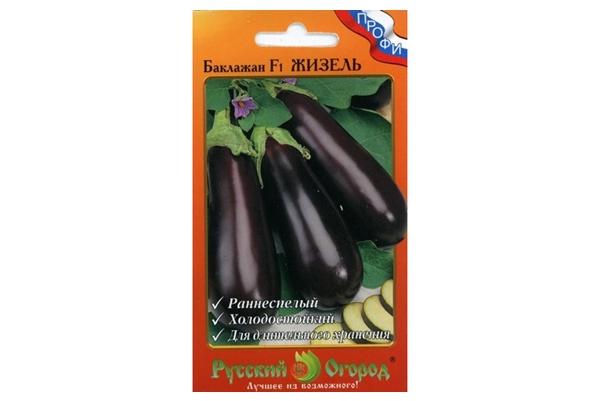
Giselle F1
A versatile hybrid that can be grown both in greenhouses and in open ground. Outdoors, the yield per 1 m2 The average eggplant weight is 9 kg (21 lbs) in the greenhouse, and 14 kg (30 lbs) in the greenhouse. Each eggplant weighs 500 g and reaches up to 25 cm (9 in) in length. The dark purple eggplants grow into a cylindrical shape. The white flesh of the eggplants has a delicate flavor. The shoots reach 120 cm (48 in) in height, so they require support. The first fruits are harvested on the 110th day.

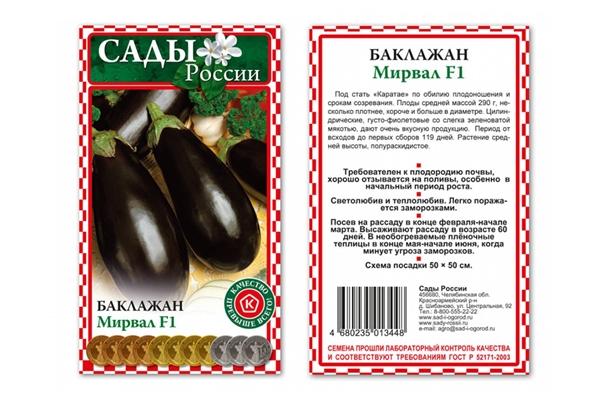
Mirval F1
An early-maturing hybrid. Medium-height bushes feature semi-spreading shoots. Cylindrical fruits are covered in purple skin, with a delicate flesh. Each fruit averages 300-500 g in weight, is approximately 20 cm long, and up to 10 cm in diameter. This variety boasts a long fruiting period and consistent yields.
King of the North
This variety is considered an ideal planting option and boasts a high yield in challenging climates, including the Moscow region. It is resistant to low temperatures and produces eggplants in mid-summer. Yields reach 12 kg.

Snow
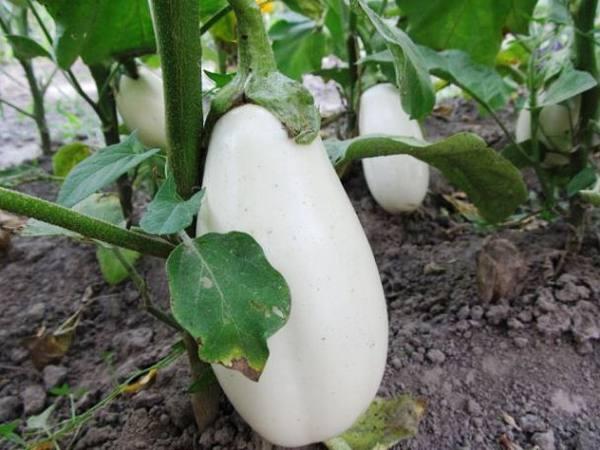
This high-yielding variety with a short growing season has a snow-white skin, light, tender flesh, and a rich flavor. The shoots reach a height of 90 cm and are characterized by a large number of ovaries. The average weight of the cylindrical eggplants is 280-320 g, and the first fruits appear on the 106th day.

The taste of mushrooms
This short-growing hybrid produces white fruit with a distinct mushroom flavor and no bitterness. The eggplants are medium-sized, weighing around 180g. Each 1m2 It is possible to harvest 6.4 kg of vegetables.

Eggplant varieties for greenhouses
Greenhouse eggplant varieties offer higher yields. Their advantage lies in their consistent yield and reduced vulnerability to environmental factors.
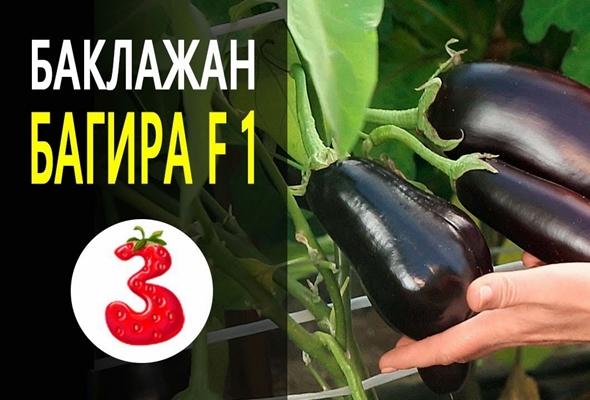
Bagheera F1
The bush can grow up to 1.2 m tall. A single plant yields 2.5-3 kg of fruit. This variety is distinguished by its deep purple color. The eggplants can reach 20 cm in length, 8 cm in diameter, and weigh 250-300 g. The delicious flesh has a greenish tint. The plant produces its first fruits after 100 days.
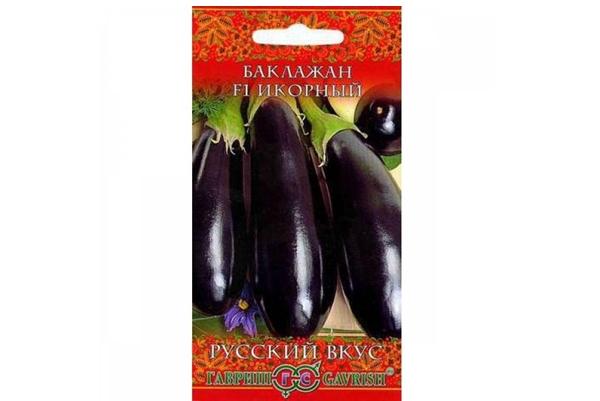
Caviar F1
The fruits are dark purple and pear-shaped. The white flesh is virtually seedless. This variety is versatile and ideal for home canning. The average vegetable weight is 350 g. The plant can grow up to 120 cm, so it requires staking.
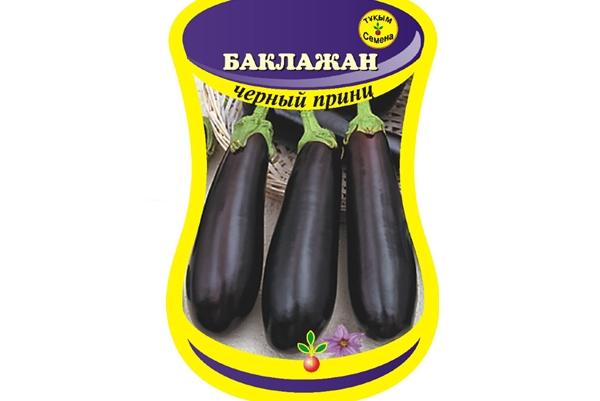
The Black Prince
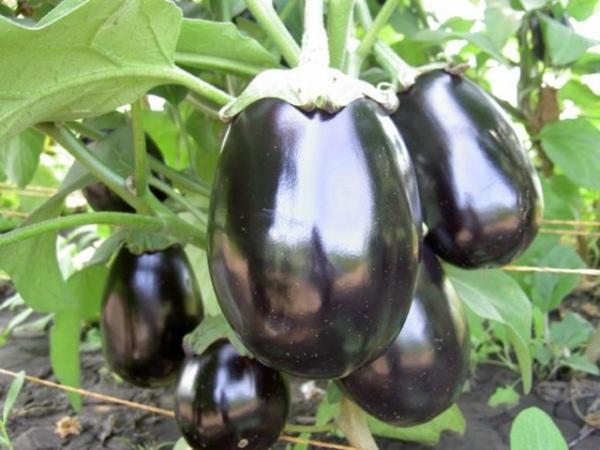
This productive variety produces dark, richly colored fruit. The average length reaches 25 cm, the diameter ranges from 5 to 7 cm, and the weight ranges from 150 to 230 g. The surface of the eggplant is slightly ribbed. The light yellow flesh is slightly bitter, so the eggplants are soaked in salted water before use. The bush reaches 60 to 70 cm in height, yielding up to 8.8 kg when grown in a greenhouse; in the open field, the yield is lower, at 6.5 kg.
Donetsk fruitful
An early-ripening variety, the small bushes grow to 50 cm tall. The cylindrical fruits have dark purple skin, are smooth and shiny. Each early-ripening fruit weighs approximately 130 g.

Hippopotamus
This plant is considered a high-yielding variety. In the Moscow region, the minimum yield per bush is 2.5 kg. When planted in greenhouses, it reaches a height of 75-145 cm. Each vegetable weighs between 250 and 340 g. The pear-shaped fruits with a shiny surface grow up to 18 cm in length and 8 cm in diameter.

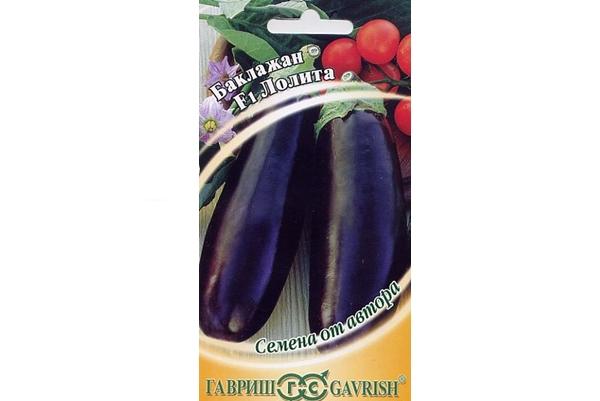
Lolita
A mid-season variety with a vegetative period of 105-115 days, reaching a height of up to 80 cm. The cylindrical fruits grow up to 22 cm long and have a dark purple skin with a slight cherry tint. The average fruit weight ranges from 310-330 g. The firm flesh is pale green and free of bitterness. A single plant yields an average of 2 kg, but under ideal conditions, this figure can reach 5 kg.
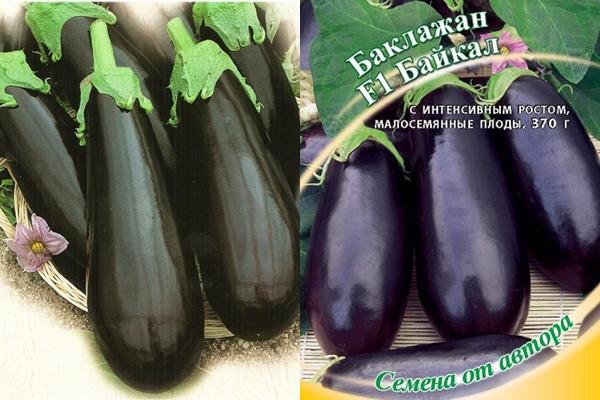
Baikal F1
A tall, mid-season hybrid. The eggplants are pear-shaped, reaching 14 to 18 cm in length and no more than 10 cm in diameter. The fruits, with glossy, dark skin, average 320 to 370 g in weight. The medium-dense flesh, with a whitish-green hue, is not bitter. One plant can produce 2.8 kg of fruit.
The Fat Master
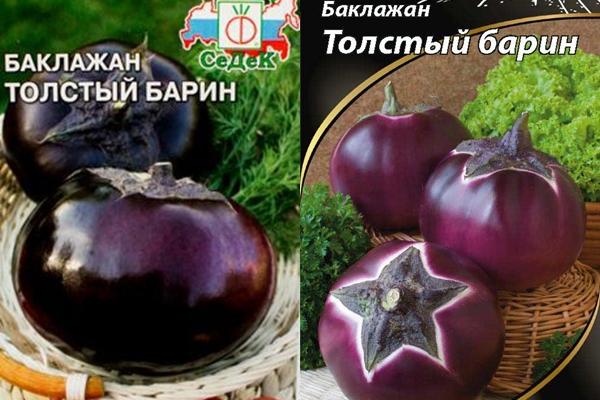
This medium-sized plant is distinguished by its spreading shoots. The first fruits ripen in 105-110 days. In greenhouse conditions, the bush grows up to 1 m. The eggplants have an unusual shape, resembling a sphere. The dark-colored vegetables weigh up to 250 g. The white flesh has no bitter taste. The yield per 1 m2 is 5.5 kg.
Vicar
The shoots reach a height of 50 to 60 cm. The pear-shaped fruit, rounded at the base, has a lilac tint and a glossy sheen. Each eggplant weighs 150-200 g.

Alenka
This greenhouse variety boasts a unique fruit shape and flavor. Ripe eggplants have bright green skin and light green flesh. The eggplants reach 15 cm in length and weigh up to 320 g. The flesh has a mushroomy flavor. The yield is 7.7 kg per square meter.

Northern Blues
This short-ripening hybrid bears fruit in 105-115 days. The plant can grow up to 170 cm. The oval-shaped fruits weigh up to 260 g. When fully ripe, the vegetables acquire a bright lilac color.

Which variety to choose?
For the Moscow region, it's recommended to choose early-ripening eggplant varieties or those with a mid-season ripening period. The region suffers from a shortage of warm days, with the first frosts likely to occur in October and shortening daylight hours, preventing late-ripening varieties from ripening and producing fruit. Short-season varieties typically ripen within 75-90 days, increasing the chances of a good harvest. Late-ripening varieties begin to ripen after 140 days, so they are not suitable for growing in the Moscow region. The advantages of early-ripening varieties include:
- good survival rate of seedlings;
- resistance to low temperatures;
- presence of resistance to diseases;
- short growing season;
- universality of fit;
- high yield rates.
Some early varieties can be planted both indoors and outdoors, allowing for flexible planting patterns. These varieties are recommended if you have any doubts about where to plant your future garden beds. When planted in closed structures, the average yield is on average 2 times higher than in open ground.
How to grow eggplant seedlings for the Moscow region
Growing eggplants in the Moscow region requires seedlings. The plant doesn't transport well and can be susceptible to transplant stress, so it's recommended to sow the seeds yourself and grow strong seedlings. Consider the following:
- Use only good quality seeds, soak them in a damp cloth for 4 days before planting;
- For growing, use disposable containers with drainage holes to naturally remove excess moisture;
- the soil is purchased or made independently by mixing soil, humus, ash, peat and sand;
- the seeds are planted no more than 2 cm deep, after planting the soil is moistened and the container is covered with film;
- After planting, the first shoots appear in 4-6 days.
Ten days after the first shoots appear, the film can be removed. Young seedlings are placed in a warm place with a temperature of +20 C, watering in a timely manner and loosening the soil if necessary.
Growing eggplants in a greenhouse and in open ground
Work with planting material begins in late February and continues until mid-March. Growing eggplants in a greenhouse and in open ground has several differences. Although both methods involve growing seedlings, the timing of planting young plants in the soil varies. The following recommendations should be followed:
- greenhouse - seedlings can be planted in the ground at the beginning of May;
- Outdoor conditions - planting is carried out when there is no threat of frost from May 25 to June 10.

Planting too early in the Moscow region will result in plant diseases or death. When planting seedlings in their permanent location, proper planting guidelines must be followed; a 60 x 60 spacing is recommended.
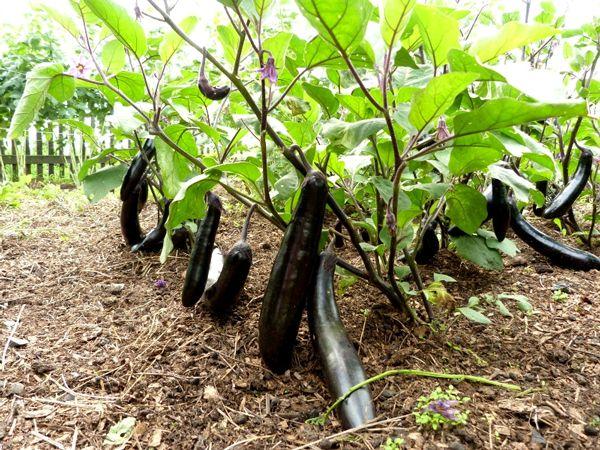
The main stem needs to be formed. To do this, leave two shoots and tie them up, removing side shoots as they form. Care involves regular watering and loosening the soil. During the growing season, fertilize with superphosphates, potassium chloride, and saltpeter.
As an alternative, you can use complex preparations - "Kristalon", "Kemira-Lux".
When to harvest
Harvesting time depends on several factors. Each variety has a specific growing season, which should be taken into account first and foremost. This period may vary slightly depending on care and weather conditions in the Moscow region. Harvesting should be completed before the onset of frost, as the vegetables will lose their flavor and appearance at lower temperatures.
It is recommended to harvest eggplants every 5 days. This frequency will reduce the risk of crop loss due to overripeness, as untimely harvested vegetables become bitter, develop voids, and their flesh becomes soft. Ripeness is indicated by the appearance of the vegetables meeting the manufacturer's specifications.
Eggplants can be picked before they are fully ripe; older, late-picked specimens become loose and lose their flavor. The appearance of a characteristic glossy sheen on the skin and the development of a rich color in dark varieties indicate that the eggplants are ready for harvesting.
Mistakes of inexperienced gardeners
Eggplants are a demanding crop, requiring proper growing conditions and proper guidelines. The key to a successful harvest of eggplants is choosing the right variety, having suitable soil, and following a number of recommendations. Some of the most common mistakes made by beginning gardeners include:
- insufficient light - eggplant requires 12 hours of light, so you should not choose shaded areas for planting; during the period of growing seedlings, use additional lighting;
- failure to follow the planting pattern - eggplants do not like "dense" planting, per 1 m2 It is necessary to plant 4 to 6 bushes; excessive thickening leads to growth inhibition, and poor ventilation significantly increases the risk of fungal diseases and reduces plant immunity;
- an error in timing - to be able to transplant to a permanent location, eggplant shoots must be at least 75 days old; when planting in a heated greenhouse, an age of 45 days is acceptable; it is with this feature in mind that the time for working with seeds is determined;
- Insufficient watering - eggplants require sufficient moisture and oxygen. Water generously with warm water once every 7 days and be sure to loosen the soil.
Some eggplant varieties can be tall, so additional support is needed. This can be achieved by tying them up using a trellis. When providing additional support, it's important to avoid overstretching the shoots.
During the growing season, it's important to maintain plant health and provide them with sufficient nutrients. This is achieved by fertilizing with a cow manure solution three or four times per season.
Related posts:
 80 Best Eggplant Varieties for Different Regions with Descriptions and Characteristics
 The best eggplant varieties for growing in a polycarbonate greenhouse: planting and care
 Causes and treatment of eggplant pests and diseases, how to combat them at home
 How to quickly prepare pickled eggplant in jars for the winter, the most delicious recipes and storage conditions for the preparations
 Making finger-licking good eggplant caviar with peppers and tomatoes
 How to properly plant and care for eggplants in open ground
 Characteristics and description of the Black Beauty eggplant variety, planting and care
 27 of the most delicious eggplant appetizer recipes for the winter