
By choosing Patti cucumbers for planting, amateur gardeners can count on a good harvest both in a greenhouse and in the open ground. This first-generation hybrid is produced by Sedek, which recommends it for cultivation in virtually any climate zone.
General characteristics of the plant
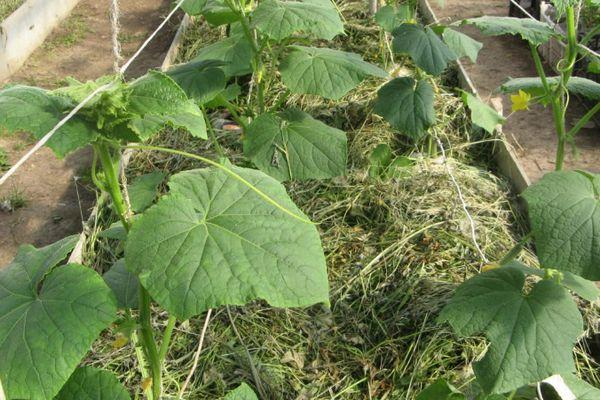
This is a medium-sized, vining variety with an indefinitely growing main shoot. In greenhouses, the vines must be tied and trained into an umbrella shape to produce a larger number of cucumbers per square meter. In open ground, gardeners take a different approach: they let the vines trail along the soil, but for a larger harvest, they pinch the main stem above the 4th or 5th leaf, producing 3-4 shoots from a single root.
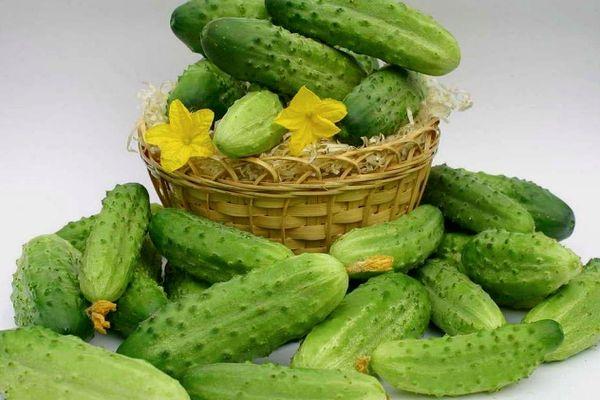
The Patti F1 hybrid cucumber was developed specifically for the Russian climate. It is resistant to summer temperature fluctuations and prolonged rainfall, and also tolerates hot, dry weather. Fruit sets throughout the summer, until the first frost. The hybrid is parthenocarpic and does not require pollination by bees.
Fruiting is cluster-type. Three to seven ovaries form in the leaf axils, growing successively. The plant produces predominantly female flowers, so there are almost no barren flowers.
The variety is resistant to most fungal diseases and is not affected by powdery mildew or downy mildew. It is also immune to cucumber mosaic. It may suffer from root rot during excessively rainy and cold summers when grown in dense, impermeable soil.
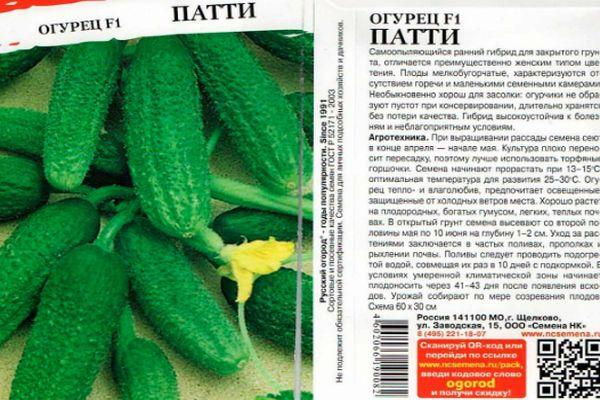
Gardeners' descriptions of the Patti cucumber hybrid emphasize its early maturity. The first cucumbers begin to appear 1.5 months after sowing the seeds. Mass fruiting begins after another two weeks. The total yield reaches 5-7 kg per square meter, and a single harvest can yield 0.5 kg of cucumbers from the same area.
Description of fruits
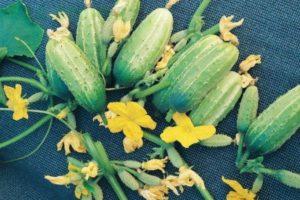
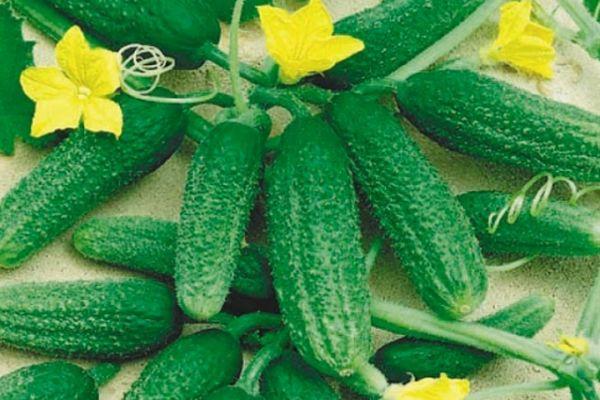
Gardeners' descriptions of the cucumbers note their small size and weight. The Patti hybrid is a gherkin-type variety, meaning it produces small fruits, up to 10 cm long and 2 cm in diameter. The cucumbers have a regular cylindrical shape and retain this shape even when slightly overripe. The cucumbers do not grow larger than their genetically determined size and do not become barrel-shaped. It is recommended to harvest them daily to allow subsequent ovaries to develop. However, even if the harvesting deadline is missed, gardeners can still harvest the cucumbers while they are still in good condition.

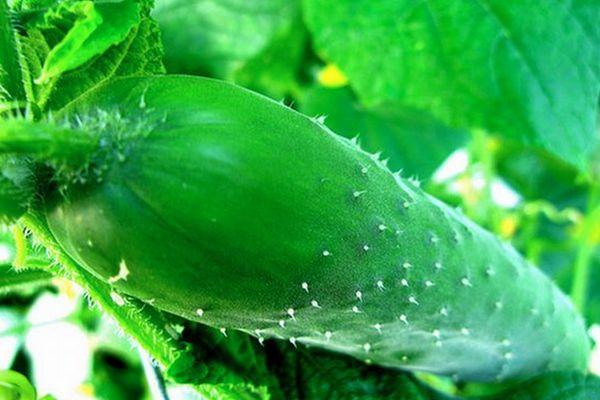
The skin is thin and shiny. When ripe, the color is deep green, with short, thin, light stripes on the top of the fruit. The fruit does not have a long shelf life, as the skin does not protect it well from moisture loss. It is best to eat or process the cucumbers within 2-3 days.
The flesh is tender, juicy, and crisp, but not too hard. The seed chamber occupies up to two-thirds of the fruit's diameter. Its capsules remain empty and contain no seeds. Reviews of the taste are high: the flesh contains sugars, giving it a sweet taste. Cucumbers do not produce cucurbitin, which imparts a bitter taste to the fruit.
The main use of gherkin varieties is whole-fruit canning. Small cucumbers look great in assorted dishes or individually. They can be pickled or salted without vinegar. Slightly overripe gherkins make delicious pickles. Sliced cucumbers are also used in winter salads and canned appetizers, and are included in lecho.
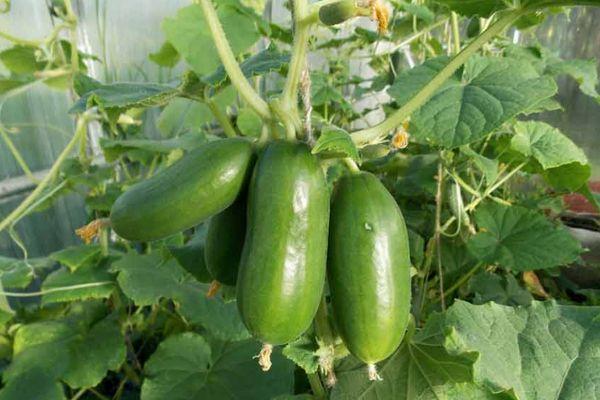
As one of the early varieties, Patti is indispensable for fresh consumption. Young, sweet cucumbers are loved by children and adults alike and can be recommended as a dietary supplement for certain ailments. They contain a lot of potassium, which helps eliminate water from the body and reduce swelling. Cucumber dishes extend beyond salads. The tender, aromatic flesh is included in okroshka and kuksi soups, while cucumber slices complement hamburgers and sandwiches, gourmet rolls, and canapés.
Cultivation techniques for Patti cucumbers
Cucumbers are most often sown directly into the ground in a greenhouse or a heated garden bed. Under these conditions, a harvest can be expected around the end of June. However, for even earlier harvests, amateur gardeners use seedlings. Once the desired temperature in the greenhouse or garden bed is reached, the seedlings are planted at the 4-5 leaf stage, saving approximately three weeks of cucumber growth.
Those who don't have their own garden often grow Patti on their balcony. Its small root system allows the plants to be planted in containers of about 10 liters and yield a good harvest.
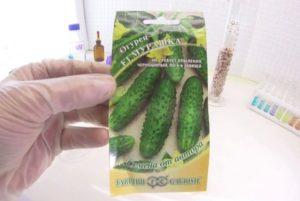
Growing cucumbers, by any method, begins with preparing the seeds. The seedlings should be soaked in a warm pink solution of potassium permanganate or Fitosporin for 30-40 minutes, then wrapped in a damp cloth. Place the seeds in a very warm place (+30°C) for 1-2 days. During this time, a small sprout (root) will appear on the pointed end of the seed. The sprouted seeds should be planted in loose, fertile soil made from equal parts humus and garden soil. When planting, you need to try not to break the root.
The seeds are planted in holes 1-2 cm deep. If sowing seeds for seedlings, it's convenient to pour the soil into 0.25-0.5 liter plastic cups. Keep the soil in the holes moist until the seedlings emerge. Water the young seedlings as the top layer of soil dries out.
When growing cucumber seedlings, provide them with plenty of light. It's best to place the cups on a south-facing window, where they receive sun almost all day. When the plants develop 4-5 leaves, carefully remove the seedlings with the soil and transplant them to their permanent location. No more than 4 plants can be planted per square meter.
To form a "umbrella" shape, the cucumber is tied to a trellis, and all side shoots are removed at the bottom 4-5 nodes. At the next 4-5 nodes, the ovaries on the main stem are allowed to grow, but the side shoots are removed. The next level of side shoots grow until a cluster of ovaries forms, and then the shoots are pinched.
After this, 4-5 shoots are allowed to grow to 2 nodes with ovaries and are also pinched. The next 4-5 levels will contain 3 nodes each. After this, the side shoots are allowed to grow without restriction. At this point, the main stem reaches a height of 2 m; it is thrown over the top of the trellis, pinched, and cucumber harvesting continues from the side shoots.
To ensure cucumbers don't suffer from mineral deficiencies, they are fertilized 2-3 times per season. Any complex fertilizer designed for pumpkins and melons (such as Agricola, Kemira, etc.) can be used for this purpose.
If no special fertilizers are available, apply a wood ash solution. Sift the ash, take 500-600 g of powder, and mix it with 10 liters of irrigation water. Pour this amount per 1 m² or distribute 1-1.5 liters under the roots of each bush. Repeat the application after 2-2.5 weeks.
Related posts:
 The best eggplant varieties for growing in a polycarbonate greenhouse: planting and care
 Methods for planting and propagating cherries at home
 Is it possible to soak treated cucumber seeds before planting and how to do it correctly?
 Causes and treatment of eggplant pests and diseases, how to combat them at home
 The best grape varieties for growing in the Urals, planting and care rules in summer
 Is it possible to grow an apricot tree from a seed in your garden? How to plant and care for it?
 Top 40 DIY New Year's Baking Recipes for 2020
 Carrot care guidelines for outdoor cultivation to ensure a good harvest