
- The history of the selection of a popular hybrid
- Pros and cons
- Description of the Murashka F1 variety
- Characteristics of the variety
- Fruits and yield
- Susceptibility to diseases and insects
- Rules for planting in the ground
- Preparing soil and planting material
- Sowing seeds
- Growing seedlings
- Transplanting into open ground: timing and step-by-step instructions
- Caring for a plant in open ground
- Watering
- Pinching out stepsons
- Loosening the soil and weeding
- Garter
- Top dressing
- Prevention and treatment of pests and diseases
- Harvesting and storage
- Reviews of the variety from experienced gardeners
The modern cucumber hybrid Murashka is grown on balconies, in greenhouses, and in vegetable gardens. The cucumbers ripen early. The taste and appearance of the cucumbers are marketable. They are delicious fresh and pickled. In a greenhouse, Murashka produces fruit until the first frost.
The history of the selection of a popular hybrid
Murashka F1 is a first-generation hybrid. Work on it was conducted at the Gavrish agrofirm's research division, the Greenhouse Vegetable Growing Research Institute. In 2003, the Murashka cucumber was added to the State Register. The research institute continued to improve its characteristics.
Murashka, along with the cucumber hybrids Kurazh, Piknik, and Pyzhik from Gavrish, has been a best-selling variety for about 10 years. Breeders have improved its economically important traits. Murashka's yield, adaptability, flavor, and immunity meet modern requirements.
Pros and cons
Assessing the advantages and disadvantages of this modern hybrid will help you make the right choice. Description of the disadvantages of the Murashka cucumber:
- low resistance to the causative agent of downy mildew;
- high risk of rot (root).
A feature of the hybrid, which cannot be considered a direct disadvantage, is that the yield is higher when cucumbers are grown using seedlings.
List of benefits of the Murashka cucumber:
- no barren flower;
- early maturity;
- no bitterness;
- resistance to powdery mildew;
- ease of care;
- commercial green fruits.
Description of the Murashka F1 variety
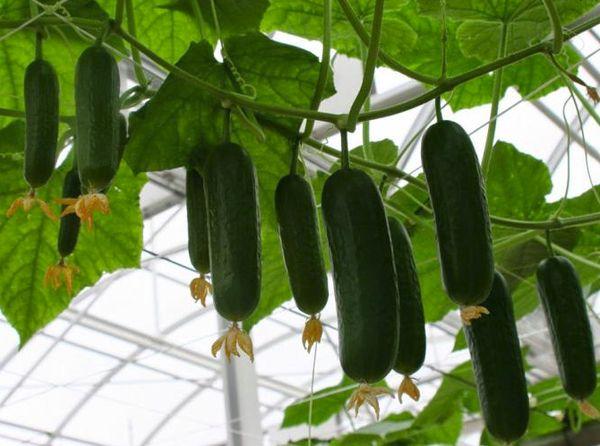
Murashka is a hybrid, so the fruits produce few seeds, making them unsuitable for propagation. This plant is parthenocarpic. The flowers are female, so the cucumber does not require pollinating insects. This variety is grown in the ground, greenhouses, and apartments.

Characteristics of the variety
The central stem of the cucumber is indeterminate. The number of lateral shoots is moderate; they are determinate with short internodes. The leaves are medium-sized, smooth, and light green. Bunches of 2-4 ovaries form in the axils. Ripening time is 35 days.
Fruits and yield
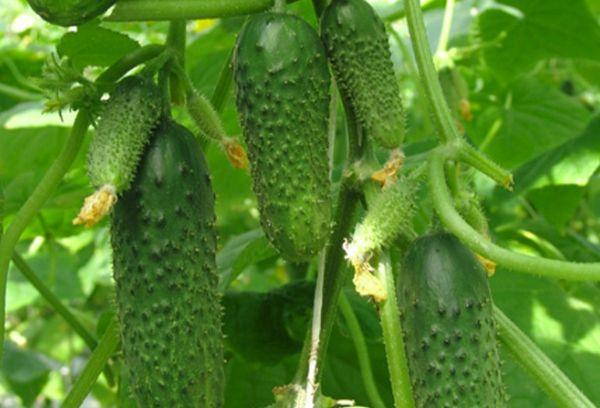
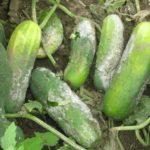
1 m² yields 11 kg of fruit. Sudden fluctuations in night and day temperatures negatively impact the Murashka cucumber's yield. Characteristics of Murashka cucumber fruit:
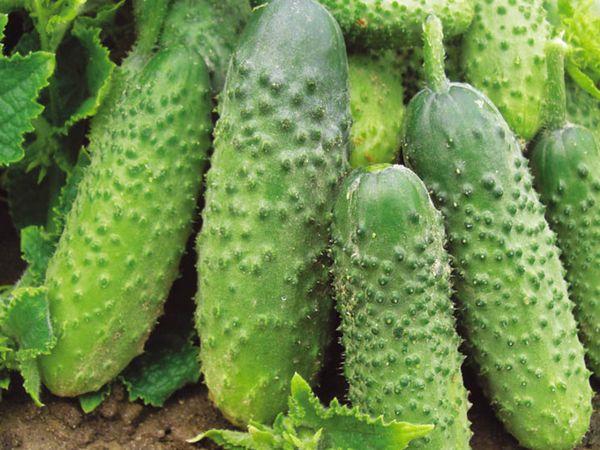
- large-tuberculate;
- black-thorned;
- cylindrical;
- weight 100 g;
- size 4 x 11 cm;
- the color is dark green at the base, light green at the tip;
- the taste is sweetish.
Reviews of the quality of the Murashka hybrid's fruits are positive. They are used for all types of preserves. Murashka cucumbers are especially good for pickling. They are always crispy.
Take a look Also
Susceptibility to diseases and insects
Signs of downy mildew may appear on bushes. In the initial stage, these are yellowish, oily spots on the outer surface of the leaves. In the later stages, the leaves dry out, turn lighter, and curl into tubes.
Murashka cucumber bushes are susceptible to root rot. It's easy to recognize a diseased plant. Signs appear in the root zone:
- the stem is brown;
- the leaves turn yellow, the shoots become thinner.
Rules for planting in the ground
The success of the future harvest depends on the quality of the seeds and the timing of planting the cucumber seedlings. For temperate climates, Murashka can be sown in late March or the first or second ten days of April. In early February, the seeds should be transferred to a cheesecloth bag and hung near a radiator. Warming (20-25°C) disinfects the planting material.
Preparing soil and planting material
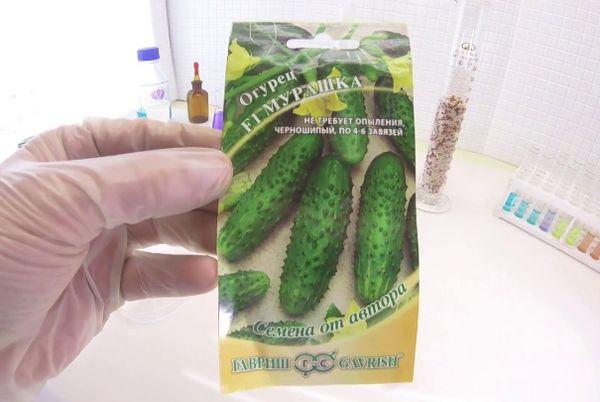
Murashka seeds that are 2-3 years old are suitable for planting. They have a better germination rate. Before planting, two steps should be taken:
- disinfection;
- hardening.
For disinfection, prepare a solution: 1 liter of hot water, a knife-tip of copper sulfate, boric acid, and 1 teaspoon of nitrophoska. Place the seeds in cheesecloth, soak them in the solution, and leave for 12 hours. Rinse and harden for 2 days in the refrigerator (0-2°C). Seeds that have undergone industrial processing are not subjected to these procedures.
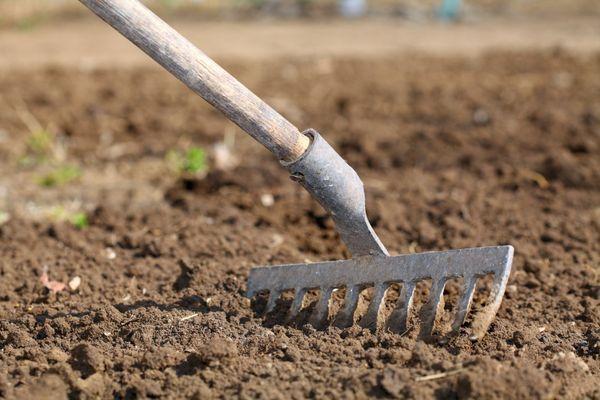
To grow cucumber seedlings, prepare cups or pots with a diameter of 12-15 cm. The soil mixture is made up of 1 part peat and 1 part garden soil. For every 10-liter bucket, add 2 cups of ash and ¼ cup of superphosphate.
Sowing seeds
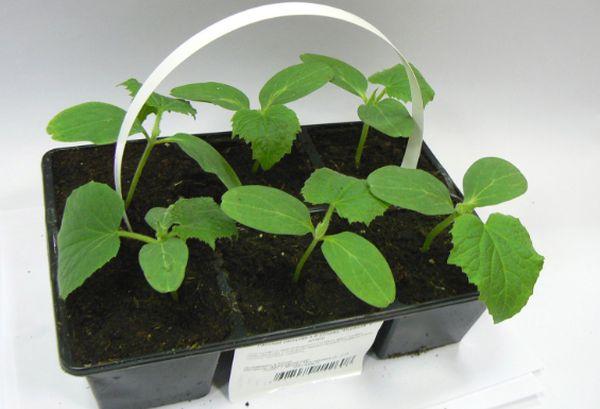
Time spent growing Murashka seedlings is well spent. Gardeners manage to speed up the ripening of the cucumbers by two weeks. The cups are filled with potting mix, not quite to the top, and watered. Two seeds are placed in each. Cover with a 2-cm layer of soil. The cups are placed on a tray and covered with plastic wrap.
Growing seedlings
Until seedlings emerge, maintain a room temperature of 26-28°C. Once sprouts emerge, place the tray in a south-facing window. On cloudy days, provide supplemental lighting for the seedlings. Reduce the room temperature to 20°C.
Seedling care includes:
- watering with warm water;
- backfilling of soil;
- top dressing in the phase of 2 true leaves.
Liquid fertilizer is prepared from 1 liter of water and 1 teaspoon of nitroammophoska. Murashka seedlings can be fed with "Zdraven Turbo." This complex fertilizer accelerates the development of a strong cucumber root system.
Transplanting into open ground: timing and step-by-step instructions
A week before transplanting, prepare the bed. Dig to a depth of 25 cm. Water with a hot solution:
- water - 10 l;
- liquid mullein - 0.5 l;
- dry bird droppings - 1 tbsp.;
- copper sulfate - 1 tsp.
The bed is covered with a piece of cellophane. The timing is determined by the weather and soil warming. On the day of planting, the soil temperature at a depth of 15-25 cm should not fall below 15-20°C. In most regions of the Russian Federation, Murashka seedlings are planted in the ground in late May or early June.
The standard planting pattern for hybrids is used: 3 seedlings per 1 m². The procedure is as follows:
- dig holes the size of a glass;
- 2 teaspoons of complex fertilizer for cucumbers mixed with soil are poured onto the bottom;
- water the holes;
- transfer the seedlings into the hole;
- sprinkle with soil;
- watered;
- mulch with humus.
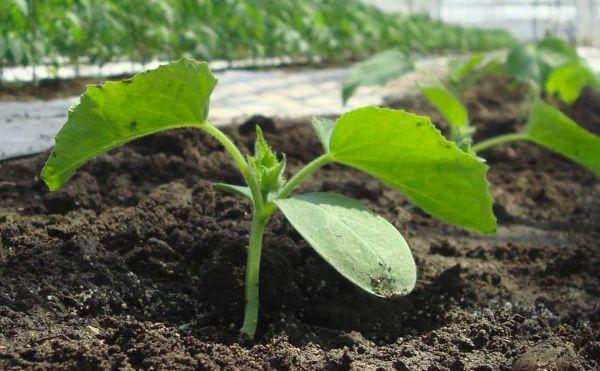
The seedling is planted at the same depth at which it grew in the planting container.
Caring for a plant in open ground
Growing lots of crisp cucumbers isn't easy. Cucumbers are finicky plants. They require simple but proper care.
Watering
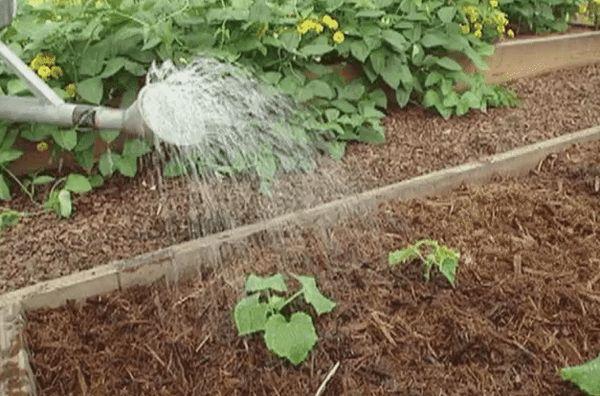
It's best to water Murashka cucumbers in the morning. Late evening watering can cause fungal diseases. Powdery mildew is also triggered by low temperatures and high humidity at night.
The temperature of the water used for irrigation affects plant health and fruit quality. Warm, settled water (20-25°C) is considered good. Cold water can cause bitterness and deformed fruit. The frequency of watering depends on the weather and precipitation: if it is wet, once a week; if it is hot and dry, every other day.
Water consumption depends on the phase:
- before flowering - 4 l/m²;
- during flowering - 10 l/m², but less often;
- during fruiting - 10 l/m² according to the usual schedule.
Pinching out stepsons
Murashka cucumber bushes growing in the ground are trained. Timely removal of side shoots helps distribute nutrients properly. During the initial stage, the plant develops a strong root system, which can provide the bush with all the necessary nutrients during fruiting.
Stepchildren are lateral shoots that form in the leaf axils. In the Murashka cucumber, they are removed according to a specific procedure:
- in the lower 4 axils, the ovary and stepson are completely plucked out;
- in the 5th, 6th, 7th, 8th, 9th, the flower (ovary) is left, the stepson is plucked out;
- All lateral shoots growing above the 9th axil are pinched after the 3rd leaf.
The central stem is thrown over the top of the trellis. The growing point is removed 1 m from the ground.
Loosening the soil and weeding
Loosening the top layer of soil improves oxygen access to the cucumber roots. This is done the day after watering. Murashka bushes need to be hilled 3-4 times per season. This prolongs fruiting.
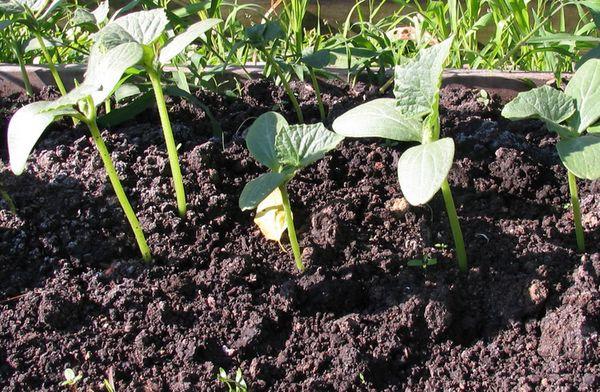
Additional roots form on the stem, improving the plant's nutrition. Weeding is carried out regularly. Weeds rob cucumbers of nutrients, become sources of infection and insects, and worsen the microclimate in the root zone.
Garter
The bush is tied up immediately after replanting. Synthetic twine is used. One of two tying options is used:
- bow;
- Slip knot.

Top dressing
The Murashka hybrid can be fed weekly. This will ensure a successful harvest.
If you don’t have enough time for this, you can limit yourself to 3 additional feedings:
- before cucumber flowering (infusion of mullein in a ratio of 1:10);
- during flowering (infusion of mullein in a ratio of 1:10 plus superphosphate 2 tbsp. per bucket);
- during cucumber fruiting (with ash infusion).
To prevent the ovaries from falling off, at the beginning of flowering, the Murashka cucumber bushes should be sprayed with the "Ovary" preparation for cucumbers.
Prevention and treatment of pests and diseases
To prevent diseases, practice crop rotation and sow green manure in the fall (spring). The following measures are taken to combat the main cucumber diseases:
- To prevent root rot, the soil is treated with the drug "Trichodermin";
- For downy mildew, use Fitosporin-M and Hom.
Harvesting and storage
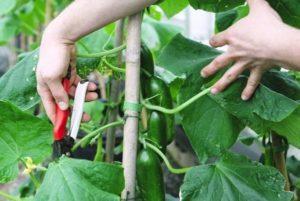
During peak fruiting, cucumbers are harvested every other day. To ensure longer shelf life, they are picked early in the morning or in the evening after sunset. The stalk should remain attached to the vine, so the cucumbers are trimmed with scissors rather than picked by hand. Store cucumbers in the refrigerator or in a cool, dark place.
Reviews of the variety from experienced gardeners
Elena Viktorovna, 53, Samara Oblast: "The Murashka variety is one of my favorites. It's very reliable. The hail destroyed all the vines. The bushes recovered and produced fruit for a long time. We were overwhelmed with the harvest."
Alina Igorevna, 28, Magnitogorsk: "I tested the Murashka cucumber seeds from Gavrish. They were pre-treated and pink, so I didn't soak them. The germination rate was 100%. I transplanted them into the ground when they had developed their third true leaf. The first ovaries formed 24 days after germination. I watered them daily and fed them with a chicken manure infusion with added nettles. I harvested 4 kg from each plant. I didn't let them overgrow, picking 10 cm cucumbers. There were no diseased plants, and the cucumbers were tasty and bumpy. There were no bitter ones. The yield was disappointing."
Tatyana Viktorovna, 41, Moscow region: "I planted five varieties of cucumbers (Tesha, Zyatek, Arkhip, Nezhinsky, and Murashka). I picked my first cucumbers from the Murashka variety. This variety was the first to bear fruit. The cucumbers are delicious."
Related posts:
 Description and characteristics of the Nezhinsky cucumber variety, cultivation and care
 Length and structure of the cucumber root system, how to properly hill them
 Description of the Muromsky 36 cucumber variety, growing and caring for young bushes
 The best cucumber varieties for growing in polycarbonate greenhouses in the Moscow region, planting and care
 Description and cultivation of the Armenian cucumber variety, planting and care
 Characteristics and description of the Parisian Gherkin cucumber variety, cultivation
 How to root cucumber shoots when propagating a plant
 Causes of cucumber diseases in open ground and how to combat them