
- General information
- Beneficial properties of the plant
- Varieties of Armenian cucumbers
- Advantages and disadvantages
- Growing technology
- Choosing time and place
- Preparation of planting material
- The landing process
- General care rules
- How to fertilize
- How to water properly
- Treatment against diseases and pests
- Collection and storage of varieties
- Gardeners' reviews
The Armenian cucumber variety has an exotic flavor. It's also highly beneficial for health. Growing this plant requires little extra effort, allowing for a harvest throughout the summer.
General information
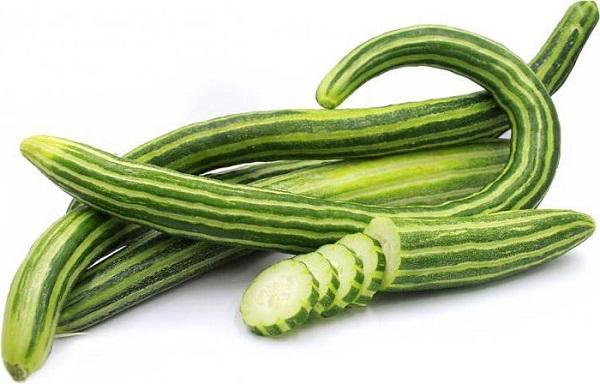
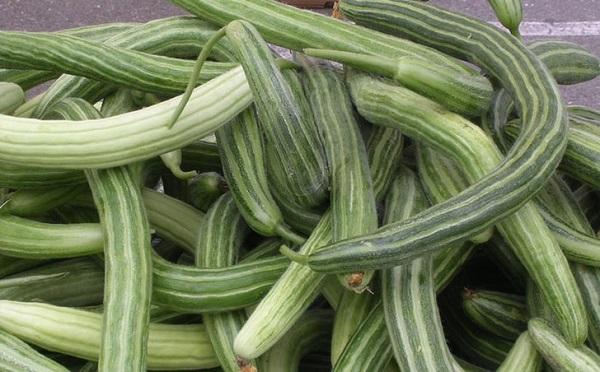
The Armenian cucumber is also known as the snake melon. The fruits are up to 50 centimeters long and weigh up to 1 kilogram. They have a slightly sweet and juicy taste. The plant belongs to the Cucumber genus and the Pumpkin family. The fruits have alternating stripes of white and green. When ripe, the flavor is reminiscent of melon.
The shoots of the Armenian cucumber can reach up to 4 meters in length. The leaves are bright green and melon-shaped. The skin is slightly pubescent. A characteristic feature of these fruits is that the juicy, dense flesh is virtually void of air. The seeds of the Armenian cucumber are small.
This is an early-ripening crop, maturing in 70-80 days. A single plant can produce up to 10 kg of fruit. The Armenian cucumber harvest continues until the first frost. This plant is grown both in greenhouses and in the open field.A distinctive feature of this variety is its high resistance to diseases and tolerance to sudden temperature changes.
Beneficial properties of the plant
Armenian cucumber has beneficial properties:
- Its consumption is beneficial for brain function. Armenian cucumber contains the flavonoid fisetin. Scientists have found that it strengthens memory and intelligence.
- Polyphenols (also known as lignins) are effective preventatives against ovarian, prostate, and breast cancer. They also contain phytonutrients, substances with anti-cancer properties.
- The fruits are rich in antioxidants and flavonoids. Examples include kaempferol, luteolin, apigenin, and vitamin C. These substances provide significant benefits to the human body. For example, kaempferol helps reduce the risk of cardiovascular disease.
- The B vitamins found in fruits help reduce anxiety. They are beneficial for those experiencing the devastating effects of stress.

Varieties of Armenian cucumbers
The most famous varieties of Armenian cucumber, or snake melon as it is also called, are:
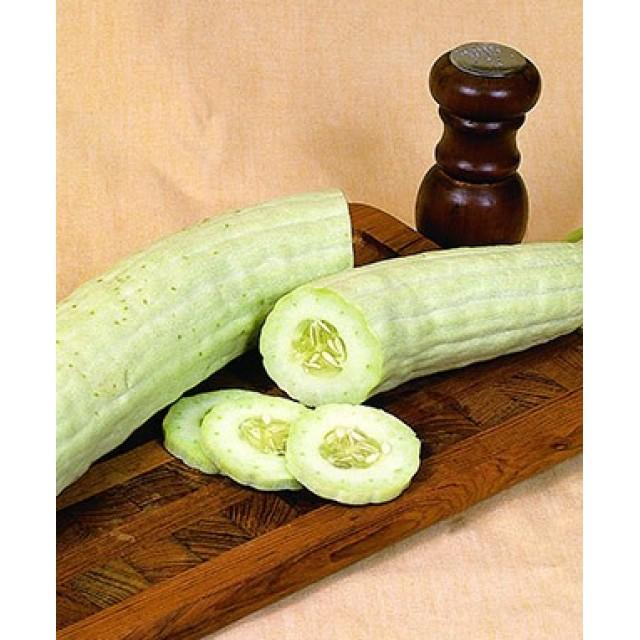
- Silver Melon.
- Bogatyr White.
- Green Bogatyr.
The listed species are known for their resistance to frost and drought, and have fruits that have a taste somewhat similar to melon.
Advantages and disadvantages
The variety tolerates drought well and does not require complex care.
One disadvantage is that the plant requires ample watering, which can require considerable effort.
Growing technology
Seeds for planting are taken from fully ripened fruits. Germination remains viable for 5 years.
Choosing time and place
When grown from seeds, seedlings are planted outdoors in mid-April. Armenian cucumbers are undemanding in terms of soil quality, so almost any plot can be used for cultivation.
Preparation of planting material
To ensure a good harvest, it is recommended to grow seedlings from seeds and then plant them in open ground.
To do this, seeds are planted in cassettes or peat pots in mid-April.
The landing process
Seedlings should be planted 4-5 centimeters deep. The distance between plants should be at least 1 meter. This is crucial because the plant's stems are long and can interfere with each other.
General care rules
Regular weeding and loosening is necessary.
How to fertilize
Although soil composition isn't critical for Armenian cucumbers, regular fertilization is crucial. Failure to do so will reduce yields. To provide this plant with essential nutrients, watering with diluted slurry every two weeks is sufficient.

Additional feeding:
- A mixture of equal parts ammonium nitrate, superphosphate and potassium salt is added to the soil when planting Armenian cucumber.
- When flowering occurs, add a mixture of equal parts urea, potassium sulfate, and superphosphate - 3 tablespoons, diluted in a bucket of water.
- Periodic watering with an infusion of ash and mullein will be useful.
All these fertilizers will provide complete nutrition to the plant.
How to water properly
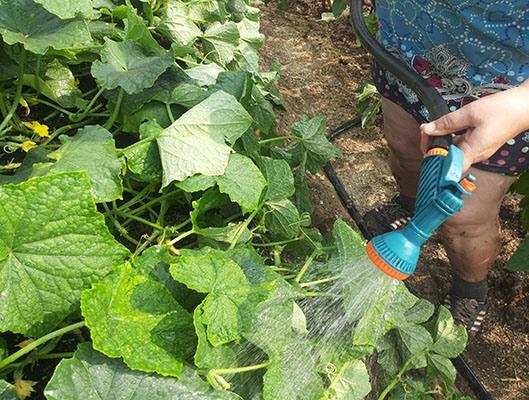
Armenian cucumbers prefer well-moistened soil. To achieve this, they need to be watered daily. Remember to use only warm water, and avoid splashing the leaves. Direct the water directly at the soil near the plant. 4-5 liters of water are needed per square meter. Once the fruit begins to form, this amount will need to be doubled.
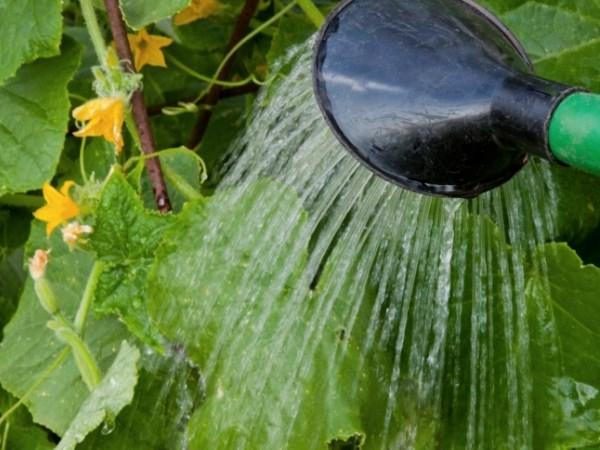
To prevent waterlogging with such frequent watering, the soil must be loosened regularly.
Treatment against diseases and pests
If Colorado potato beetles have infested your crops, we recommend treating them with insecticides such as Aktara, Tabu, or Regent.
Regular aeration and loosening of the soil is essential. This reduces the risk of fungal infestation or root rot.
If slugs appear on the undersides of leaves, a solution of red pepper or ash will help combat them. To detect pests early, regularly inspect the plant's leaves on both sides. Fofatox is effective against mole crickets.
Collection and storage of varieties
The fruits of the Armenian cucumber grow continuously.If left unharvested for a while, they can reach a length of up to one meter. At this point, the cucumbers are unfit for consumption because they become too tough and the skin becomes very thick.
The fruits are harvested when they are no more than 30 centimeters long. Harvesting is done throughout the summer, every two days.
Gardeners' reviews
Nina, 41 years old
I planted an Armenian cucumber. It bloomed well, but took a long time to set fruit. Pinching the tops of the largest stems solved the problem. I couldn't find any information on growing this plant. I decided to care for it like regular cucumbers. It has a pleasant cucumber flavor, but I didn't detect any melon-like notes. It's good for pickling or stewing.

Lyuba is 39 years old
In winter, I bought seeds of the Bogatyr Zeleny variety. I planted them in a barrel. I covered the seeds in early May. Of the five I planted, all sprouted. I left two plants in the barrel. They have plenty of ovaries and an abundance of male and female flowers. The fruits taste like zucchini with a hint of cucumber. In the summer, I cover the outside of the barrel with white cloth to prevent the roots from overheating.
Related posts:
 Description and characteristics of the Murashka cucumber variety, cultivation and care
 The best grape varieties for growing in the Urals, planting and care rules in summer
 Length and structure of the cucumber root system, how to properly hill them
 Description and characteristics of the Nezhinsky cucumber variety, cultivation and care
 Descriptions of the 20 best cherry varieties for the Moscow region, their planting and care
 The best eggplant varieties for growing in a polycarbonate greenhouse: planting and care
 80 Best Eggplant Varieties for Different Regions with Descriptions and Characteristics
 Characteristics and description of the cucumber variety Far Eastern 27, cultivation