
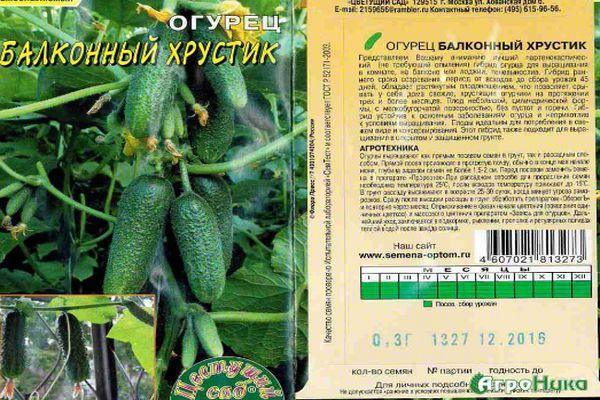
The Khrustik f1 cucumber is a hybrid developed by Russian breeders. It belongs to a group of early-ripening plants. It can be grown both outdoors and in greenhouses. Similar varieties with the same technical characteristics as this plant include the Vnuchok (Vnuchenka) hybrid and the Chudo Khrustik cucumber. These vegetables are eaten fresh, sliced, and pickled.
Some information about the hybrid
The characteristics and description of the variety are as follows:
- Cucumbers develop from the ovary within a week. The growing season from the first shoots to harvest lasts 35-40 days. All varieties similar to this one are characterized by their independence from bee pollination.
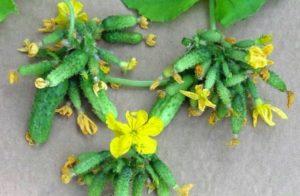
- The hybrid produces only female type inflorescences.
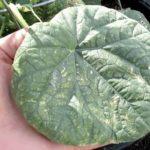
- The Khrustik cucumber bush reaches 120 cm in height, with large leaves growing on its branches, colored in dark shades of green.
- In each axil 3 or 4 ovaries develop.
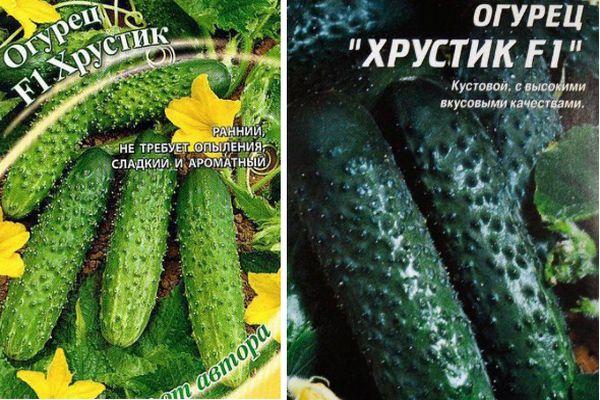
- Cucumbers are cylindrical in shape with oval ends. The skin is thin and dark green. It is covered with bumps and spines. Thin white lines run across the entire surface of the fruit.
- The length of the fruits reaches 100 mm with a diameter of 3 cm. The weight of each specimen reaches 80 g.
Reviews from gardeners growing the hybrid indicate that its yield reaches 10-11 kg of fruit per bush. Farmers note that the plant is resistant to diseases such as powdery mildew and root rot. cucumber mosaic virusBut the hybrid often suffers from a downy mildew variant.
This variety is a heat-loving plant, so in Russia it is preferred for cultivation in open areas in the southern regions of the country. In the central and northern regions, it is recommended to grow Khrustik only in heated greenhouses and hotbeds.
Different methods of hybrid germination
Some gardeners grow vegetables by directly sowing seeds into beds. To do this, choose sites with good sun exposure but no drafts. Choose sites that receive no more than 1-2 hours of shade per day.
To obtain a good harvest when sowing planting material directly into the ground, it is recommended to sow seeds in the last ten days of May.
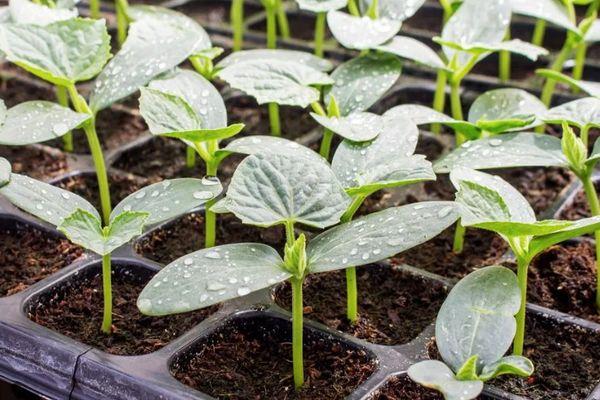
To obtain seedlings, seeds are treated with hydrogen peroxide, aloe vera juice, or potassium permanganate. They are then soaked in stimulants. After this, the seedlings are sown in boxes with light, manure-enriched soil. After five days, the first shoots appear. They are watered with warm water and then fed with nitrogen fertilizer. Once the young plants have grown, they should be transplanted to their permanent location.
To do this, the beds are disinfected, and a complex fertilizer (1 tablespoon per bush) and wood ash are added to the soil. Young seedlings are planted in 0.5 x 0.5 m spacing. Planting bushes too densely will significantly reduce yields. These procedures are carried out in mid-May if the gardener is planting in a greenhouse.
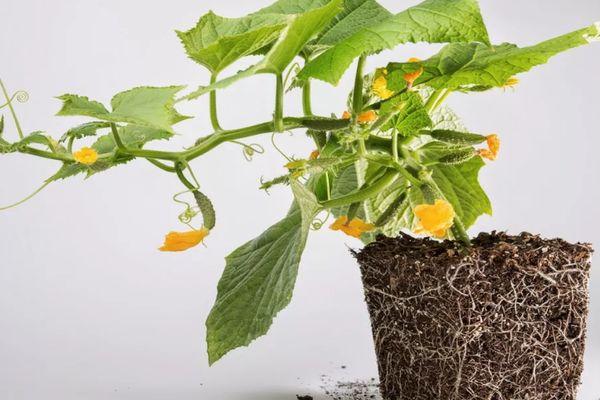
How to care for a growing hybrid
It is recommended to water this vegetable three times a week until fruiting begins. After this, increase the frequency to once a day. Maintain these settings until fruiting begins. Water with warm water that has been left to stand in the sun. This procedure is carried out early in the morning, before sunrise. Spray the bushes with moderate amounts of water. Overwatering the plants is strictly prohibited.
Fertilize the bushes with complex fertilizers or organic mixtures. This is done once every 8-10 days. Root-based fertilizers are recommended for the Khrustik hybrid.
After each watering, loosen the soil in the beds. This allows the plant roots to receive sufficient oxygen. To improve ventilation, remove the lower leaves from the bushes. To prevent garden pests (slugs and insects) from reaching the hybrid's roots, it is recommended to add wood ash to the soil in the beds.
 Weeding the beds will prevent young shoots from becoming infected with bacteria and fungi, as well as some garden pests that live on weeds.
Although Khrustik is immune to various diseases, the bushes are sprayed with medicinal products that kill bacteria and fungi as a preventative measure. To protect plants from diseases, not only chemicals but also copper sulfate are used.
If harmful insects (mites, aphids, and others) have infested your garden, treat the leaves of your plants with chemical pesticides. You can also use folk remedies against insects, such as copper sulfate or a soap solution.
Related posts:
 Description of unusual methods for planting and growing cucumbers
 How to care for cucumbers in open ground from planting to harvesting
 How to make a cucumber trellis with your own hands from scrap materials
 How to properly plant cucumbers in open ground with seeds, and at what depth
 Description of the best varieties of Chinese cucumbers, planting, growing and care
 How to properly plant cucumber seedlings in a greenhouse and care instructions
 Types of fungicides for cucumbers in a greenhouse and instructions for use
 Why do cucumber leaves curl inward and what to do about it?