
- Who is the causative agent of the disease?
- Varieties of cucumber mosaic
- Ordinary mosaic
- Green speckled mosaic
- White mosaic virus or CV2A
- Tobacco mosaic virus
- Causes of cucumber diseases
- Optimal conditions for the development of the disease
- Characteristic signs and stages of development of a viral disease
- Signs of common mosaic
- Signs of green mottled mosaic
- Signs of white mosaic
- Signs of tobacco mosaic
- What is dangerous about mosaic?
- How to fight the disease
- With the help of drugs
- Treatment with folk remedies
- Agrotechnical techniques that help cope with the disease
- Common mistakes made when treating cucumber mosaic
- Preventive measures
If cucumber mosaic is detected, treatment is carried out using folk remedies, such as spraying the plants with whey and iodine. If left untreated, various types of cucumber mosaic viruses can prevent new fruit from appearing, and if severe, they can lead to plant death.
Who is the causative agent of the disease?
The disease is caused by viruses. They are tiny and therefore easily pass through bacterial filters, hence their nickname "filter viruses." The disease attacks tissue cells, destroying them, reducing carbohydrate levels, and damaging chloroplasts. As a result, the leaves first wilt, and eventually the entire plant may die. When new seedlings are planted in the same spot, the mosaic pattern reappears on the cucumber foliage.
Varieties of cucumber mosaic
Currently, several types of cucumber mosaic are known, each caused by a specific type of virus. Each of these mosaics is distinct.
Ordinary mosaic
It is caused by the CMV virus. It typically spreads primarily in greenhouses. To eradicate it, the tops are collected and composted for two months.
Green speckled mosaic
This disease is caused by the cucumber virus. It primarily affects cucumbers grown in greenhouses. Cucumbers planted outdoors are rarely affected.
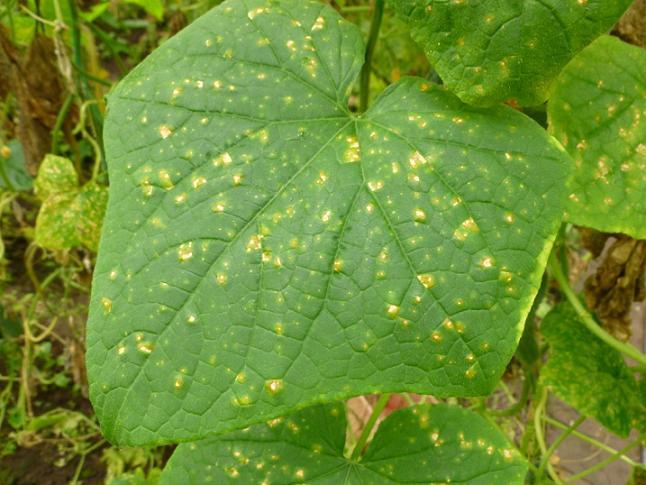
The disease reduces the yield by half. According to the description of green mottled mosaic, it causes light-colored veins to form on the foliage, followed by deformed leaves, and the fruit becomes short and spotted.
White mosaic virus or CV2A
White mosaic is caused by Cucumis virus 2A. When it multiplies, white cucumbers appear on the plant. The virus persists on the tops of cucumbers, in seed embryos, in the soil, and is transmitted through handling.
Tobacco mosaic virus
The tobacco mosaic virus was first discovered in 1892 by scientist Dmitry Ivanovsky. While attempting to filter contaminated tobacco, he noticed that the resulting filtration solution contained particles that could infect healthy cultures.

He then suggested that the solution contained either poison or tiny creatures undetectable under a microscope. In reality, it was the tobacco mosaic virus, and many other viruses that cause mosaic were subsequently discovered.
Causes of cucumber diseases
The causes of this cucumber disease include:
- Bushes become diseased after sowing diseased seeds. To prevent disease, sow healthy seeds. To determine if the seeds are healthy, you can perform a seed diagnostic. To do this, select 10 large seeds. Then place them in phosphates, adding quartz sand. If the seeds are infected, mosaic spots will appear on them within 10 days.
- The disease is carried by weeds, so you should not allow the weeds to grow too large.
- To prevent your bushes from getting sick, you should watch out for pests such as aphids, mites, and fleas, as they carry contaminated pollen.
- Members of the pumpkin family can be susceptible to disease, so they should be planted away from cucumber beds.
Optimal conditions for the development of the disease
The disease spreads most rapidly in greenhouses and open ground at temperatures above 25°C. Sudden weather changes and cold nights also contribute to the disease's spread, as do densely planted plants.
Characteristic signs and stages of development of a viral disease
Since there are many mosaic viral diseases, you can see different signs of the disease on the bushes:
Signs of common mosaic
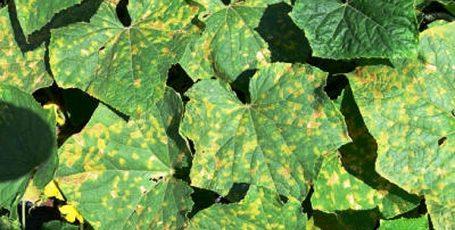
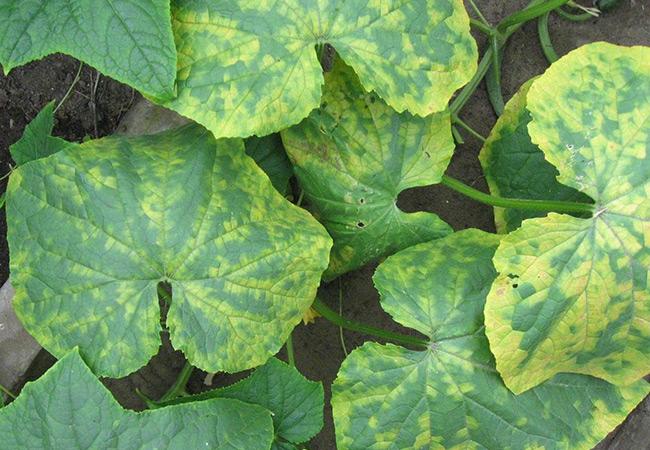
The virus spreads as a result of the young foliage of seedlings becoming deformed and wrinkled. Eventually, the entire foliage wrinkles, developing mosaic-like light green and dark green spots. The leaf edges curl downward.
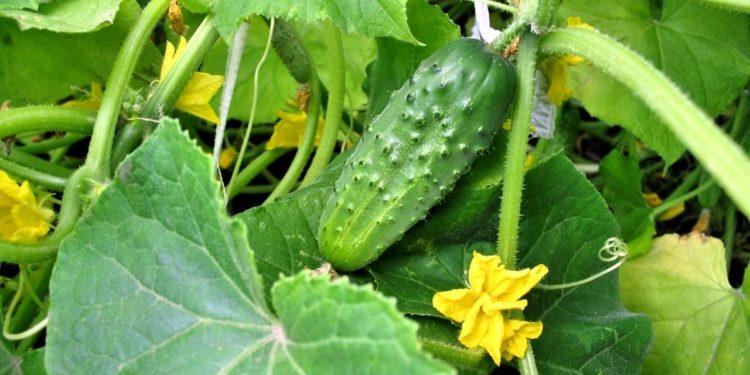
The bush stops growing, resulting in small leaves and short internodes, and it blooms infrequently. Sometimes the stem at the base of the bush cracks.
Signs of green mottled mosaic
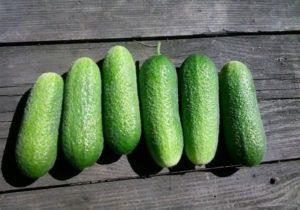
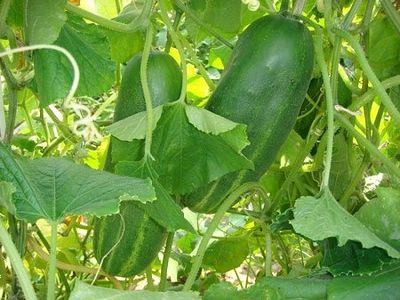
It can affect seedlings and mature plants. Affected plants grow slowly, and the cucumbers are spotted, short, deformed, and bitter. When cut, the seeds are very small and have not grown. Sometimes, necrotic spots are visible on the surface of the cucumber.
The disease can be detected approximately one month after planting seedlings in an open area.
If the disease develops from infected seeds, young seedlings become infected 14 days after sowing and die within 30 days. This type of virus damages the seed coat and embryos.
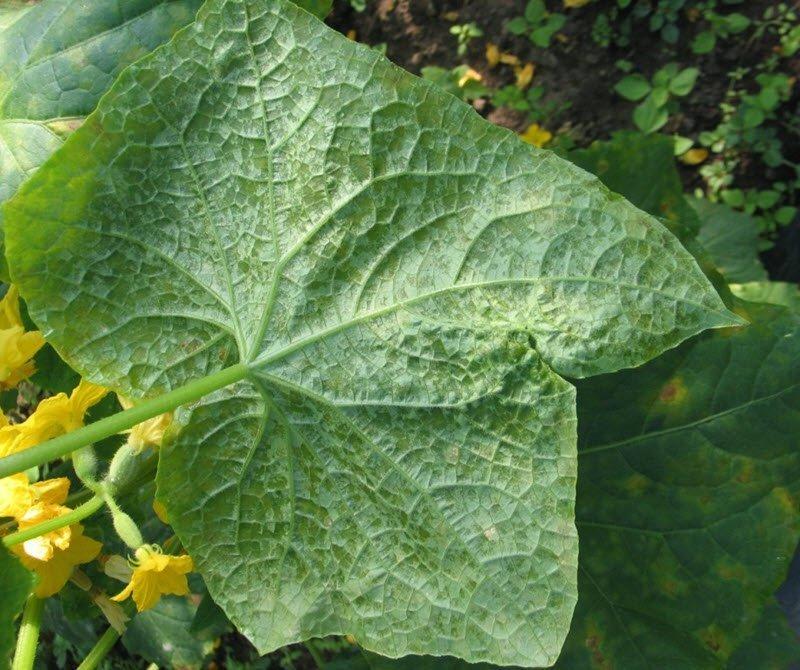
Once established, viruses move deeper and deeper through the blood vessels, eventually penetrating the roots. If diseased bushes grow in a garden bed and are accidentally damaged while pulling weeds, their sap will spill onto healthy bushes, causing them to also become diseased.
Signs of white mosaic
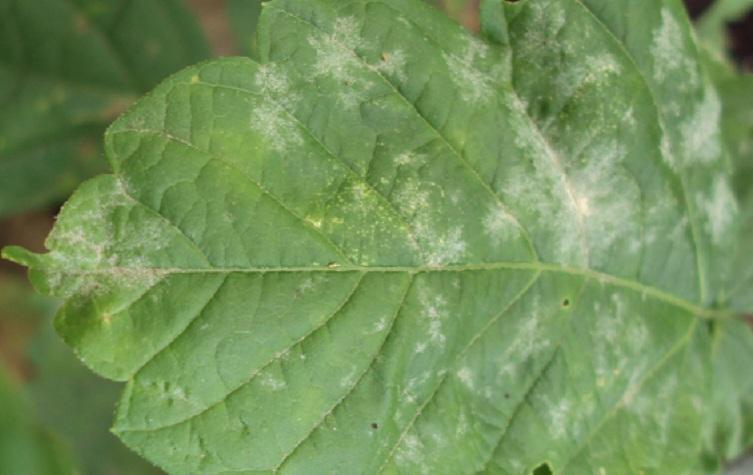
Initially, fuzzy whitish-yellow spots appear on young foliage near the veins. They are either ring-shaped or star-shaped. After a while, the spots turn white-green, then increase in size, merge, and the entire foliage turns white or yellow. Plants grow slowly, so very few green leaves appear.
Signs of tobacco mosaic
Tobacco mosaic viruses typically actively reproduce on tobacco, tomatoes, peppers, and cucumbers. A marbled mosaic pattern, as well as greenish-beige streaks, may be visible on the foliage. Blisters and bumps appear on the foliage, and the shoots later die. The disease reduces the quantity and quality of cucumbers, which become deformed.
In open areas, the tobacco mosaic virus can survive for up to 5 years.
What is dangerous about mosaic?
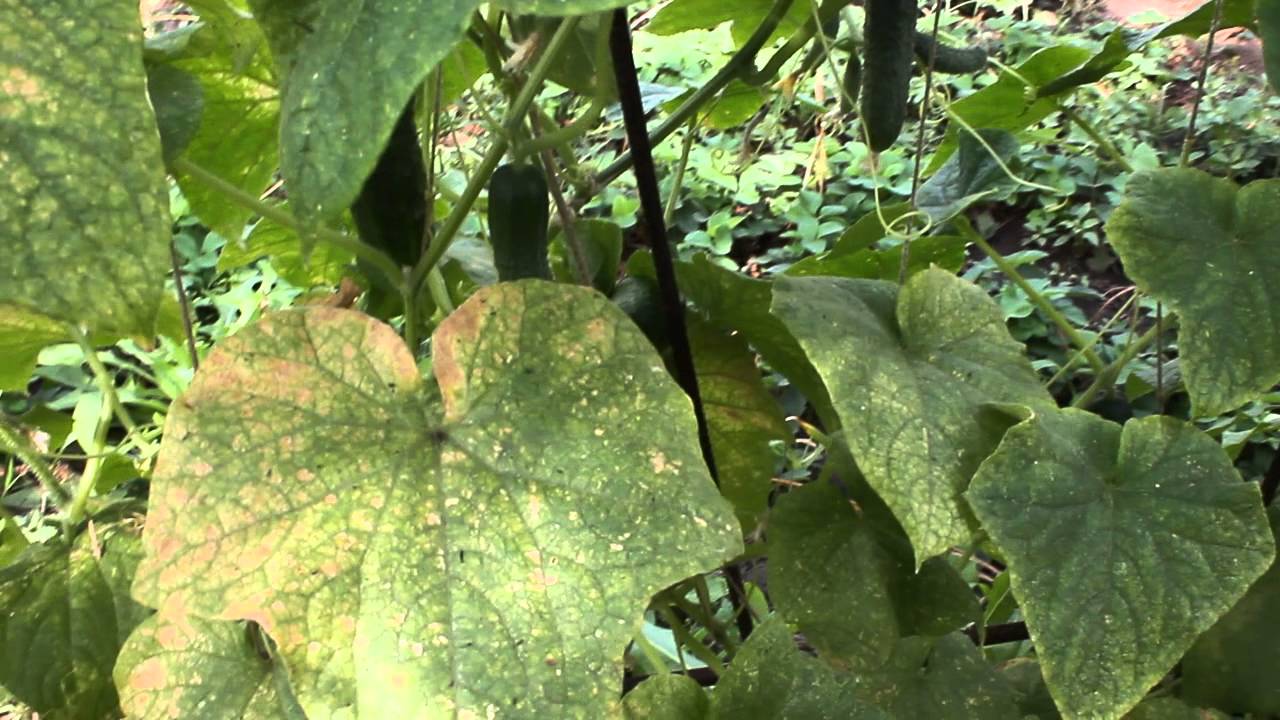
Any virus causes stunted plant growth and a reduction in the quantity and quality of the resulting cucumbers. The entire plant may also die.
How to fight the disease
It should be remembered that treating diseased bushes is difficult, so it is necessary to destroy sucking parasites, which are the main carriers of the virus, and take preventative measures.
Garden tools are disinfected with rubbing alcohol. Before treating tools that have come into contact with contaminated soil and cucumber plants, it is recommended to disinfect them with boiling water. Preventive measures include planting cucumber varieties resistant to mosaic and protecting crops from sunlight during hot and dry periods.
With the help of drugs
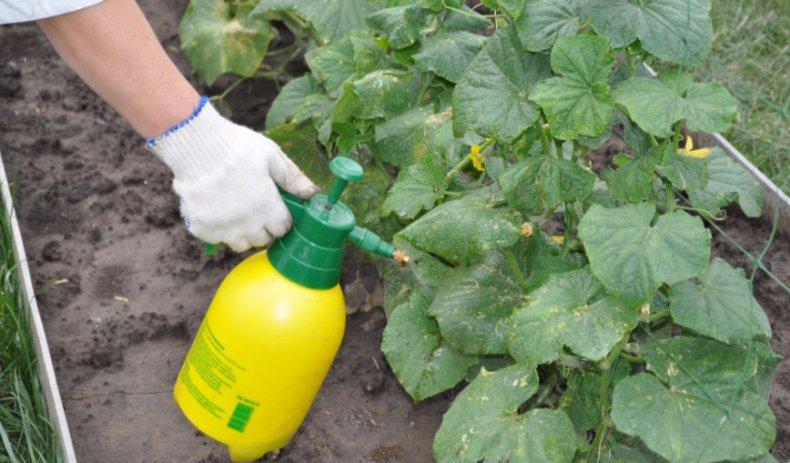
Green and other types of mosaic are treated similarly to those infected with the common mosaic virus. Seeds are disinfected in trisodium phosphate or a potassium permanganate solution.
Treatment with folk remedies
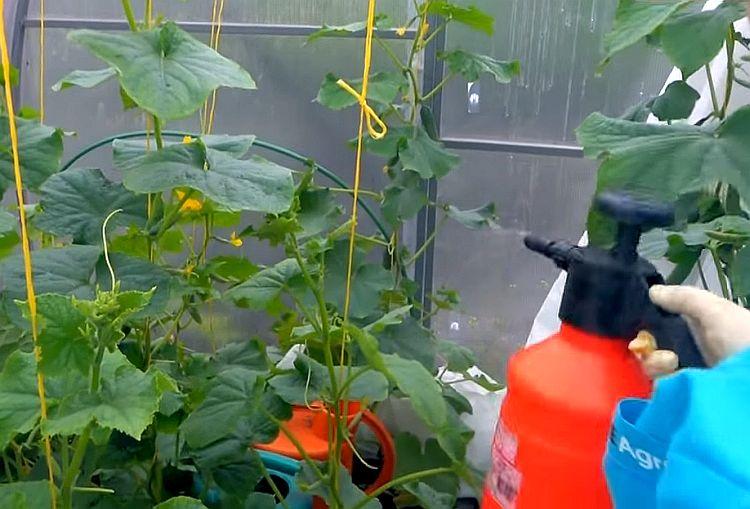
If the disease has just begun, then the plants should be treated with one of the following solutions:
- A ten percent solution of low-fat milk.
- Ten percent solution of skim milk and five percent alcohol solution of iodine.
To kill pests that can carry viruses, grate a clove of garlic and add it to a cup of boiling water. Then, pour this infusion into 2 liters of clean water and water the plants.

Agrotechnical techniques that help cope with the disease
Agrotechnical methods include:
- If you planted cucumber seedlings in a greenhouse, you should avoid planting pumpkins, watermelons, and melons nearby, as they may be affected by mosaic disease.
- The greenhouse is ventilated in order to make the air in it cooler, that is, below +30 degrees.
- You should not allow the plantings to become too dense, so you should thin out the plants and remove weeds in a timely manner.
- Diseased bushes are pulled out and burned.
- All equipment should be frequently wiped with rubbing alcohol, potassium permanganate solution, or copper sulfate solution to prevent transmission of viruses.
- Soil and plant tops left in the area can transmit the disease. Therefore, crop rotation is essential.
Common mistakes made when treating cucumber mosaic
Some viruses persist in the soil for a long time, so it's best not to plant cucumbers, melons, or pumpkins in the same area the following year. It's better to plant tomatoes, peppers, turnips, beans, radishes, and peas.
It's essential to collect diseased tops and burn them, rather than leaving them on the plot. Seed disinfection is essential.
Preventive measures
Prevention is necessary:
- Constantly pull out weeds.
- Fertilize bushes exclusively with sterilized substrates or infusions.
- Before planting, it is recommended to keep the seeds in a solution of potassium permanganate or trisodium phosphate.
- Sprinkle the soil with ash or water it with a solution of potassium permanganate.
- A method for protecting growing bushes from mosaic is to spray with a 3% solution of Farmaiod. This means using 0.3 kilograms of Farmaiod solution per hectare of plantings.
- You should not allow the air in the greenhouse to become too dry; you should place basins of water.
Remember that it is better to take preventative measures to prevent cucumber bushes from getting sick than to fight mosaic diseases.
Related posts:
 The best eggplant varieties for growing in a polycarbonate greenhouse: planting and care
 80 Best Eggplant Varieties for Different Regions with Descriptions and Characteristics
 Description of the best varieties of black tomatoes for open ground and greenhouses
 Potato curl control measures, causes and treatment of the disease
 Powdery mildew control measures on roses, using medications and folk remedies
 Signs of disease and pest attacks on strawberries, treatment methods
 Description and treatment of potato rugose mosaic, prevention
 Why cucumber leaves are drying out and what to do, how to treat them in a greenhouse and in the ground
Thank you. I hope your recommendations help me. My question is, is there an antiviral drug available over the counter that could help fight the mosaic virus?