
- Signs of seedling disease
- The leaves turn yellow and dry out.
- Thinning and drying out of the stem
- Leaf curl
- Developmental delay without apparent cause
- The roots of the seedlings are dying
- Cucumbers die after germination
- What diseases cause seedling death: treatment measures
- Fusarium
- Anthracnose
- Peronosporosis
- Powdery mildew
- Root rot
- Ascochytosis
- Mosaic virus
- Cucumber pests that cause yellowing and drying of leaves: control measures
- Melon aphid
- Spider mite
- Thrips
- Scale insect
- Whitefly
- Sprout fly
- Agronomic errors when growing in greenhouses and open ground
- Nutrient imbalance in the soil
- Low temperatures
- Incorrect lighting
- How to organize proper care for seedlings
- What and how to feed?
- How to water cucumbers?
- Correct temperature and lighting conditions
- Tips and recommendations from gardeners and horticulturists
- Conclusion
Vegetable growers who grow cucumber seedlings often encounter their plants gradually wilting. There are many different causes for this problem, so it's important to understand the underlying cause. Why are cucumber seedlings wilting and falling over?.
Signs of seedling disease
There are six main signs that indicate that cucumbers are starting to die.
The leaves turn yellow and dry out.
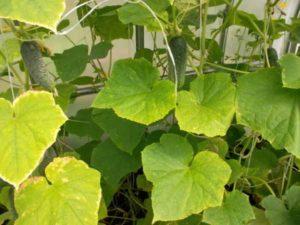
The most common symptom is yellowing of the leaves. This problem is most often caused by the tobacco whitefly. This small insect transmits many viral diseases.
Leaves often begin to dry out and turn yellow in self-pollinating parthenocarpic varieties. Drying of foliage leads to reduced fruiting and eventual death of the seedling.
Thinning and drying out of the stem
Drying of cucumber seedlings is accompanied by dry and thinning stems. These signs begin to appear if the seedlings become infected with root rot, which occurs due to improper care of the planted seedlings. Stems can dry out due to:
- sharp changes in temperature;
- using cold water when watering;
- lack of fertilizers.
Leaf curl
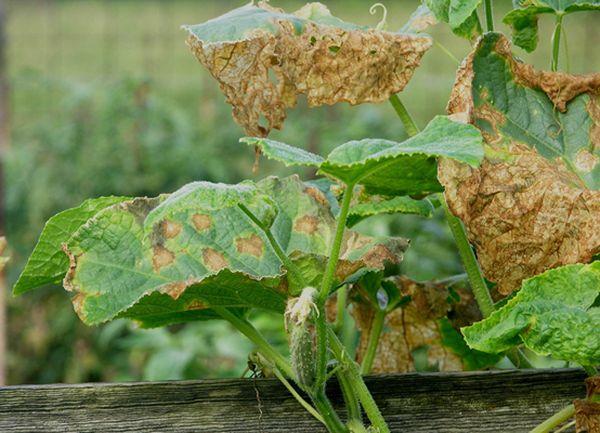
Seedling wilting, accompanied by leaf curling, occurs due to insufficient moisture. Plants use up too much water, causing the foliage to turn yellow and curl. Initially, yellow spotting develops on leaflets located on the lower branches. However, the yellowing gradually spreads to adjacent leaves above.
Developmental delay without apparent cause
Another sign of gradual wilting of cucumbers is the slow development of each stem on the plant. The bushes begin to develop more slowly than healthy cucumbers. This negatively impacts plant growth and the ripening rate of the fruit. This delay in bush development can occur at any stage of the vegetable's growth.
The roots of the seedlings are dying
Root system failure is associated with the development of fungal diseases caused by overwatering. Excessive moisture in the soil encourages the development of fungal bacteria, which gradually penetrate the roots. This leads to yellowing of the foliage and root death.
Cucumbers die after germination
There are cases where cucumbers begin to die immediately after the first shoots appear. This happens if undisinfected seeds are planted. Such seeds contain pathogens that become active after germination.
What diseases cause seedling death: treatment measures
There are a number of diseases that can cause cucumbers to wilt. It's recommended to familiarize yourself with their characteristics and treatment methods in more detail.
Fusarium
Gardeners often encounter fusarium wilt of cucumbers, which leads to the death of seedlings. The main causes of the disease are overheating and insufficient moisture. To combat fusarium wilt, the bushes are treated with Trichodermin or Planzir.
Anthracnose
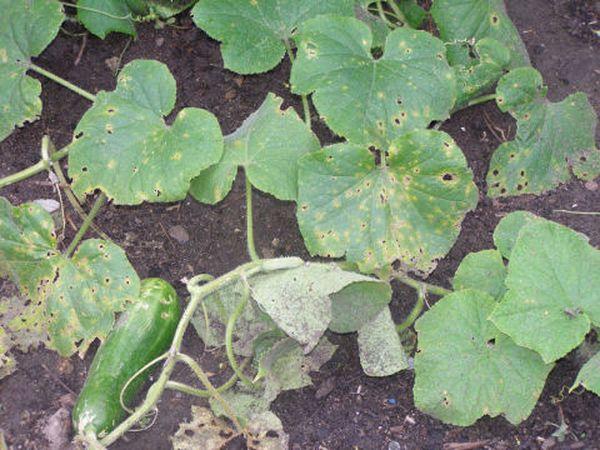
A common fungal disease that causes cucumber bushes to dry out. Also anthracnose appears on zucchini, melon, peas, raspberries, currants, and gooseberries. High temperatures and high humidity promote the development of the disease. Antifungal agents are used to combat the disease.
Peronosporosis
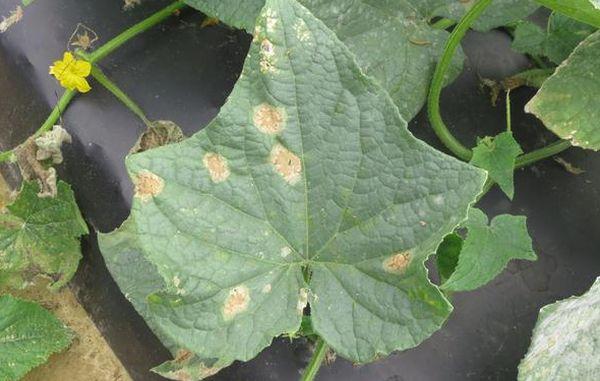
Greenhouse-grown cucumbers are often susceptible to downy mildew. This disease causes yellow, oily spots to appear on the upper and lower leaves. Over time, infected cucumbers wilt and dry out. The following chemicals can help control downy mildew:
- "Oxychom";
- "Acrobat";
- "Gliocladin".
Powdery mildew
Another disease that can cause vegetable wilting is powdery mildew. This fungal infection affects not only the leaves but also the roots. The roots stop developing, which stunts the growth of the infected plant. Whey can help combat powdery mildew. To create a spray for seedlings, mix the whey with water at a ratio of one part to ten.
Root rot
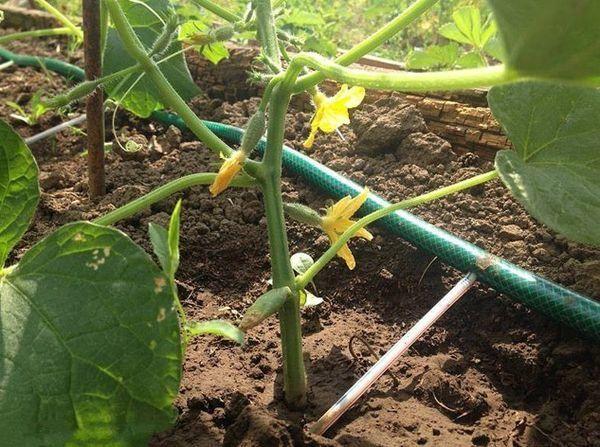
Many weakened cucumber seedlings develop root rot. The disease's development is facilitated by overwatering of the soil and air. Root rot also develops due to a lack of nutrients in the soil. Ground ash, charcoal, or chalk can help combat the disease. The powder is carefully sprinkled on the lower part of the stem.
Ascochytosis
The disease thrives in warm, humid climates, and therefore most commonly affects cucumbers grown in greenhouses. Ascochyta blight (Ascochyta spp.) becomes active in the spring, when cucumber seedlings are weakened. As the disease progresses, raised yellow spots appear on the stems and leaves. It can be treated with fungicides such as "Sproul" and "Thiram."
Mosaic virus
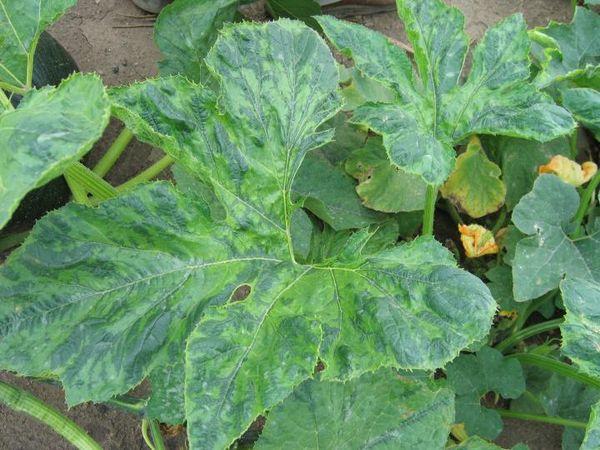
Mosaic disease appears in cucumber beds in early summer, when temperatures rise to 30 degrees Celsius. Affected leaves develop light spots and small, fine wrinkles. To eliminate the disease, seedlings are treated with fungicides.
Cucumber pests that cause yellowing and drying of leaves: control measures
Cucumbers planted in open ground are often subject to insect attacks.
Melon aphid
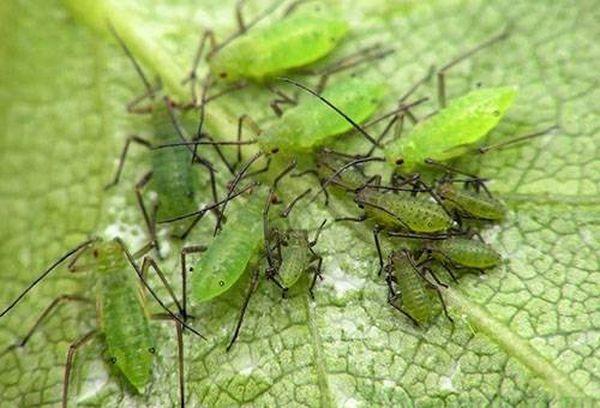
This is a dangerous pest that attacks most vegetable crops. Identifying melon aphids on leaves is difficult due to their small size and green color. These insects most often attack the upper leaves of cucumber plants. Aphids feed on plant sap, so if left untreated, the plants will wilt. Insecticides can help rid cucumbers of these pests.

Spider mite
A few weeks after planting, spider mites may appear on young seedlings. Adults are quite dangerous, as they can lay over three hundred eggs on the bushes within four to five days. Bushes infested with spider mites dry out and become covered in webbing. These pests can be eliminated with Fitoverm, Bitoxibacillin, and colloidal sulfur.
Thrips
Some people believe that thrips only attack houseplants, but they also occur on vegetables. The insects are most often found on leaf blades. Thrips cause the leaves of bushes to turn yellow and dry out.
To prevent pests from appearing on cucumbers, treat the plants with a mixture of celandine and garlic. Spray 3-4 times a week.
Scale insect
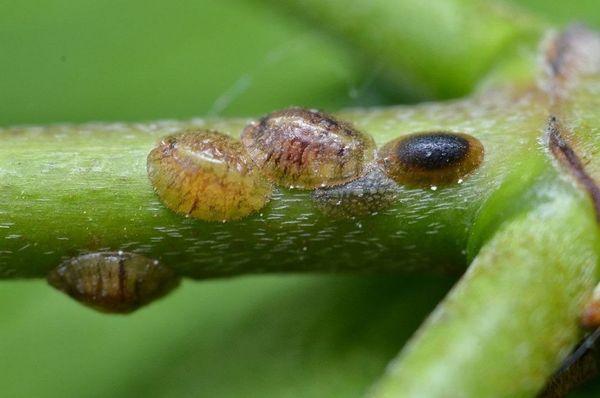
People who decide to plant cucumbers periodically encounter scale insects. This pest is dangerous because it is quite difficult to detect. Young scale insects are very small and therefore difficult to notice. Many people only discover this insect after the foliage has wilted. A one-time insecticide treatment will help get rid of scale insects.
Whitefly
The following signs indicate the presence of whiteflies on bushes:
- fragility of the stems, which can cause them to break;
- white sticky spots on leaves;
- deformation of the sheet plate;
- leaf fall.
Whiteflies can be controlled with a garlic solution containing brilliant green. To prepare it, add 150 grams of chopped garlic to a half-liter container of hot water and brilliant green. Let the solution steep for 3-4 days, then spray the bushes.
Sprout fly
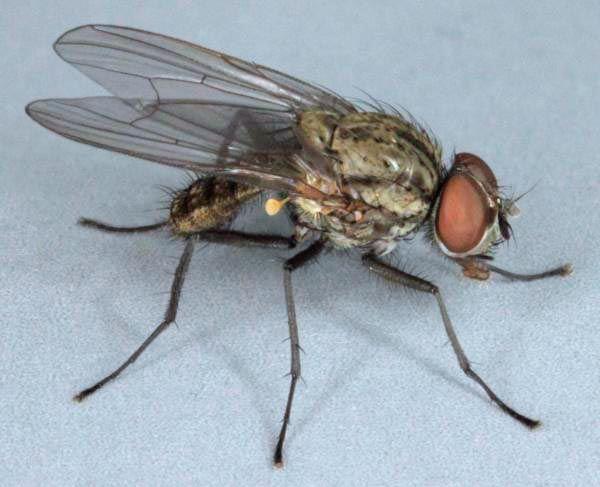
If the plant is planted outdoors, it is often attacked by cucumber shoot fly. The pest lays eggs on the leaves, which feed on the plant's sap. Over time, cucumber plants affected by shoot fly wither. To get rid of the fly, cucumbers are sprayed with insecticides.
Agronomic errors when growing in greenhouses and open ground
Sometimes seedlings experience poor germination and are more susceptible to viral or fungal diseases. This can occur due to agricultural errors when growing vegetables.
Nutrient imbalance in the soil
It's no secret that cucumbers require nutrients for normal seedling development. Therefore, it's essential to regularly add fertilizer mixtures to the soil.However, this should not be done too frequently, as excessive fertilizing can create an imbalance of micronutrients in the soil, leading to seedling wilting.
Low temperatures
When growing cucumbers, it's important to monitor the air and soil temperature. The soil temperature in the root zone should not fall below 18 degrees Celsius (64 degrees Fahrenheit). Lower temperatures will slow the germination of the seeds considerably. The air temperature should be 14-15 degrees Celsius (55-59 degrees Fahrenheit).
Incorrect lighting
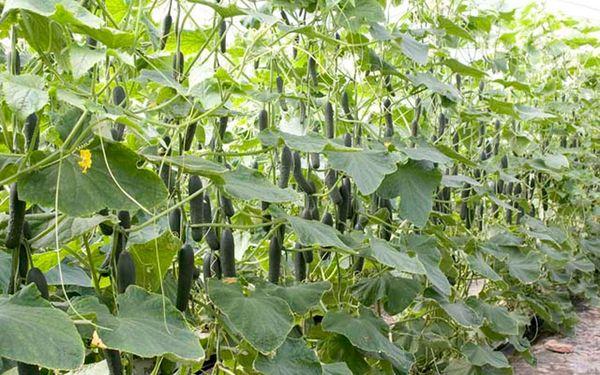
Experienced gardeners recommend proper lighting when growing seedlings in a greenhouse. To achieve this, LED lights are installed near the beds. If the bushes receive sufficient sunlight, additional lighting can be omitted.
How to organize proper care for seedlings
To ensure that cucumbers develop normally and bear fruit well, it is necessary to carefully care for the planted plants.
What and how to feed?
Fertilizing begins three weeks before planting vegetables in the garden. Mineral fertilizers are added to the soil, enriching it with potassium, phosphorus, and nitrogen. Approximately 80-90 grams of fertilizer are used per square meter.
During flowering and fruit formation, use organic fertilizers. The best organic fertilizers include chicken manure and chicken litter.
How to water cucumbers?
To ensure proper development of cucumber plants, they need to be watered regularly. Watering should be done at least three times a week to prevent the soil from drying out completely. In summer, water more frequently, as the heat causes moisture to evaporate quickly. Use warm water for watering.
Correct temperature and lighting conditions
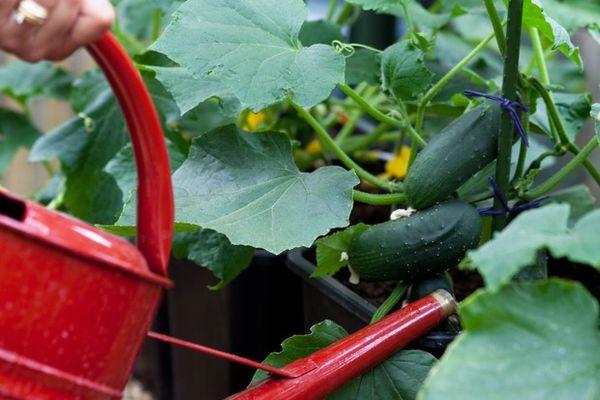
When growing cucumbers at home, you need to consider lighting and temperature conditions. Experts recommend planting cucumbers in sunny areas of the garden, avoiding shade. If cucumbers are planted in a shaded area, the seedlings will bear fruit poorly and develop poorly.
Tips and recommendations from gardeners and horticulturists
Sergey, 40: "I've been growing cucumbers at my garden plot for many years, but recently I encountered wilting of my seedlings. It turned out they were wilting due to blackleg. For a long time, I didn't know what to do or how to save the harvest. However, I then decided to spray all the infected plants with fungicides, and I can say it helped. The harvest was small, but I was able to save the seedlings."
Lyudmila, 50: "Last year, I decided to plant a few cucumbers for the first time and immediately ran into problems. All the seedlings were wilted and barely grew. I decided to take a closer look at the plants and discovered melon aphids. I immediately sprayed the bushes with insecticide, and the next day there was no trace of the pests."
Conclusion
Sometimes cucumber seedlings begin to turn yellow, wilt, and fall over. It's recommended to familiarize yourself with the main causes of this problem and methods for treating cucumbers.
Related posts:
 33 of the best recipes for delicious cucumbers for the winter
 Why cucumbers don't grow well in greenhouses and open ground, and what to do about it
 TOP 30 best determinate cucumber varieties with descriptions
 Description of unusual methods for planting and growing cucumbers
 How to care for cucumbers in open ground from planting to harvesting
 Why do cucumber leaves curl inward and what to do about it?
 TOP 14 recipes for pickling cucumbers so they're crispy
 TOP 10 recipes for quickly preparing lightly salted crispy cucumbers using cold and hot methods in a saucepan