
- Types of yellowing
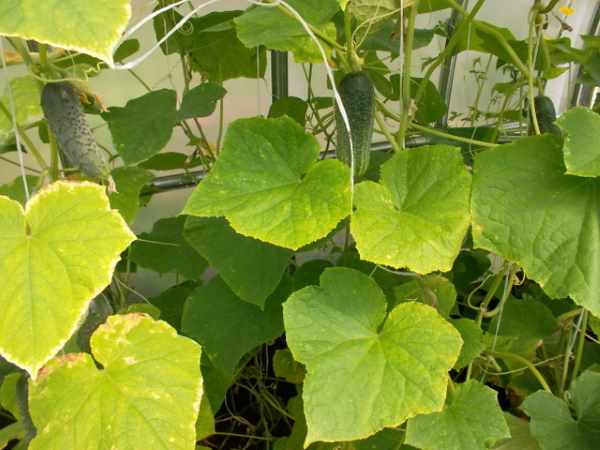
- The leaves turn yellow and curl up.
- The lower leaves are turning yellow
- Simultaneous yellowing of leaves and ovaries
- The edges of the leaves are turning yellow
- The leaves are turning yellow in spots
- Causes of yellowing leaves
- Lack of light
- Water deficiency or excess
- Damage to the root system
- Effects of hypothermia
- Nutrient deficiencies
- Impact of pests
- Fungal infection
- Aging of cucumber leaves
- Yellow spots due to sunburn
- What to do if the leaves on your cucumbers start to turn yellow
- How to water and feed cucumbers to prevent their leaves from turning yellow
- Folk remedies against yellowing
- Store-bought products for processing and fertilizing bushes
- How to prevent yellowing?
- Pest control, treatment products
- Spray with a nutrient mixture
- Light and temperature
- Apply timely fertilizing
- Organize proper watering
Yellowing leaves are a common problem faced by almost every gardener. There are several reasons why cucumber leaves may turn yellow. If you notice a change in foliage color, it's important to determine the cause and take appropriate gardening measures.
Types of yellowing
Yellowing of leaves can manifest itself in different ways. Sometimes the leaf blades change color completely, while in other cases they become spotted, curl, and fall off.
The leaves turn yellow and curl up.
Yellowing leaves, along with curling, are often the result of insufficient nutrients in the soil. Infectious diseases and pests can also contribute to this problem.
The lower leaves are turning yellow
In most cases, the lower leaves of cucumbers take on a yellow tint. This is because, when grown in unfavorable conditions, the plant directs its energy to more promising parts, including the upper leaves and ovaries where fruit develops. Sometimes, yellowing of the lower parts of the plant is a natural process, not a consequence of disease.

Simultaneous yellowing of leaves and ovaries
If cucumber leaves and ovaries are turning yellow, urgent measures will be needed to save the crop. Insufficient light, freezing, and a lack of minerals in the soil can cause simultaneous yellowing of leaves and ovaries.
The edges of the leaves are turning yellow
Yellowing of leaf edges is the primary sign of powdery mildew in cucumbers. If a fungal infection is suspected, treatment with a weak Bordeaux mixture is necessary. Discoloration of leaf tips can also be caused by irregular watering, dry climates, or a lack of potassium fertilizer.

The leaves are turning yellow in spots
Spots and vein discoloration are caused by pest infestations and diseases. As soon as you notice the first spots on the foliage, it's important to apply protective sprays to prevent damage to the plants and loss of a significant portion of the harvest.
Causes of yellowing leaves
Methods for protecting your vegetable crop depend on the specific cause of the yellowing. Once you notice the first symptoms of the problem, it's important to determine the exact cause in order to correct the situation and create favorable conditions for the proper growth and development of your cucumbers.

Lack of light
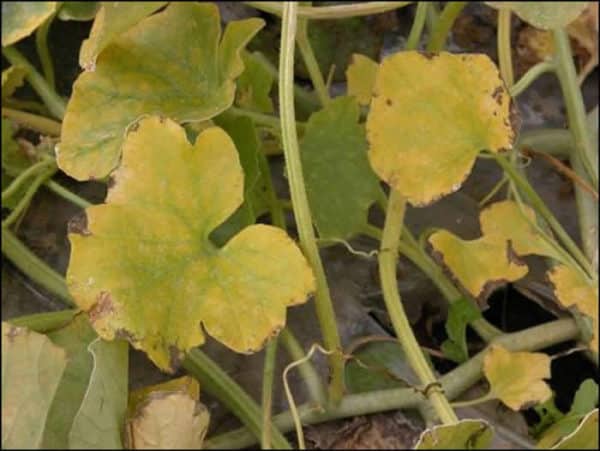
Some of the lower leaves on cucumber plants turn yellow over time due to insufficient light. This process is natural, as sunlight doesn't reach the base of the plants. Periodically rake up fallen yellow leaves from the garden bed to prevent plant debris from accumulating in the soil.
If yellowing is observed in large quantities or only on one side, it is necessary to make sure that the plant is not shaded during the day.
Water deficiency or excess
In favorable growing conditions, cucumbers only need to be watered 2-3 times a week. When planting in hot regions, the soil can be moistened daily. Insufficient water causes the roots to grow deeper into the soil and dry out. Overwatering can lead to plant rot.
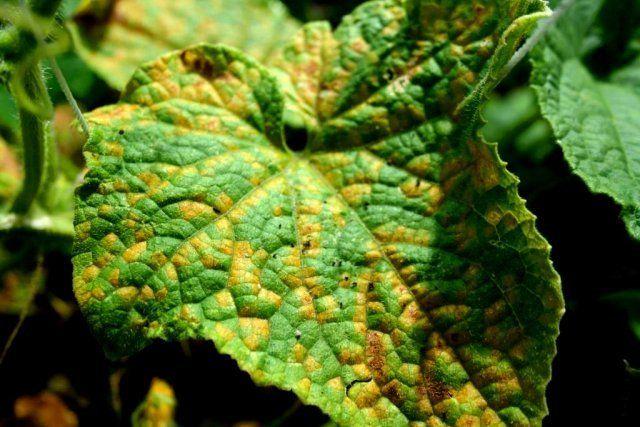
Root problems and improper watering can cause yellowing of leaves and fruit. To keep plants healthy and avoid losing a harvest, check the soil moisture level before each watering. For convenience, you can squeeze a lump of soil in your hand—if it crumbles, it means it needs to be watered again.
Damage to the root system
Mechanical damage to the roots negatively impacts seedling development, and the leaves may turn yellow. Beginning gardeners often damage the roots when transplanting seedlings into open ground, as well as during weeding and tillage.
To avoid damaging the roots during transplantation, it is recommended to wait until 1-2 leaves appear on the seedlings and remove them carefully, along with the root ball.
Loosening the soil around young seedlings cucumbers can be replaced by mulchingWeeds in garden beds should not be removed along with the roots, but rather cut off at the soil surface.
Effects of hypothermia
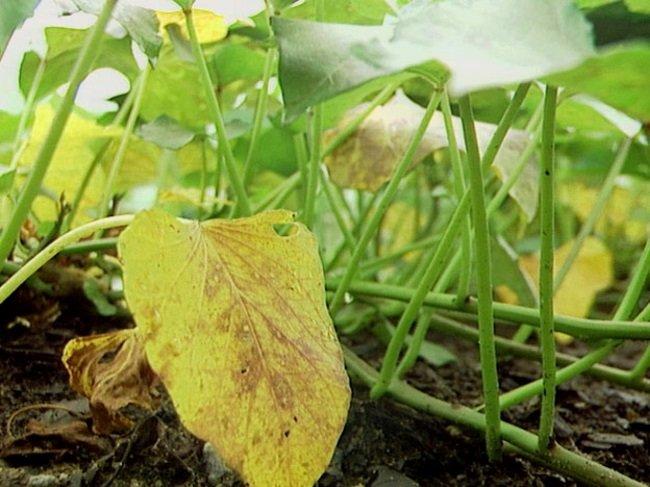
Cucumbers are heat-loving plants, and a significant drop in ambient temperature adversely affects their growth. Foliage may also turn yellow due to frequent temperature fluctuations. The optimal temperature range for growing vegetables ranges from 20-24 degrees Celsius.
In regions with predominantly cold climates, it's best to plant cucumbers in a greenhouse. Planting seedlings in a greenhouse allows for easier microclimate control. If vegetables are grown in garden beds, a covering material will be necessary when temperatures drop.

Nutrient deficiencies
Any vegetable crop requires nutrients during the growing season. A lack of fertilizer stunts plant growth and often causes yellowing of the leaves. Insufficient amounts of a specific nutrient can be determined by visual signs:
- If the leaves turn yellow and their edges dry out, they require fertilizing with magnesium and potassium.
- The appearance of dark green veins over yellowing indicates a lack of manganese and iron.
- Yellowing of the upper leaves occurs with copper deficiency.
Impact of pests
When pests infest vegetable crops, the leaves turn pale yellow, curl, and eventually die. To prevent the problem early, inspect your plants regularly, as pests such as spider mites and aphids often infest foliage in large numbers.
Fungal infection
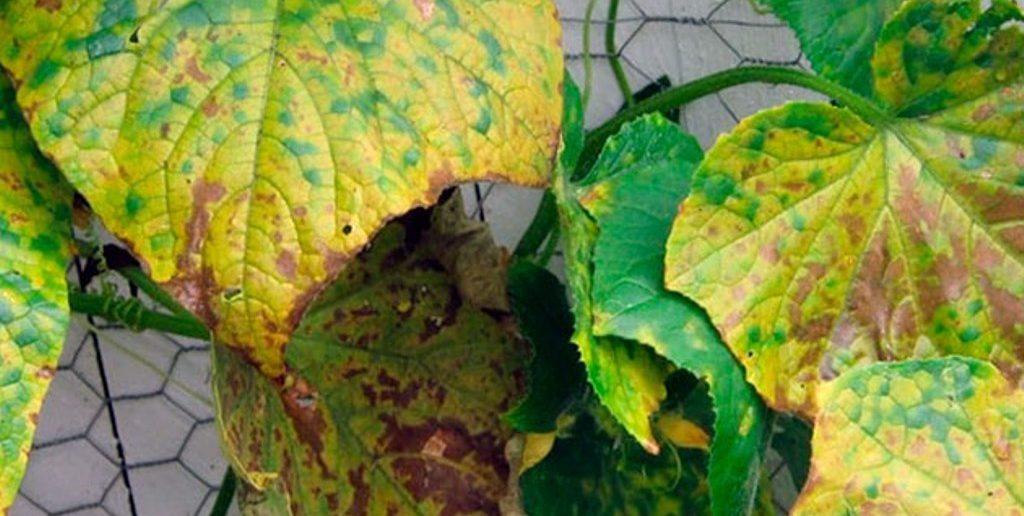
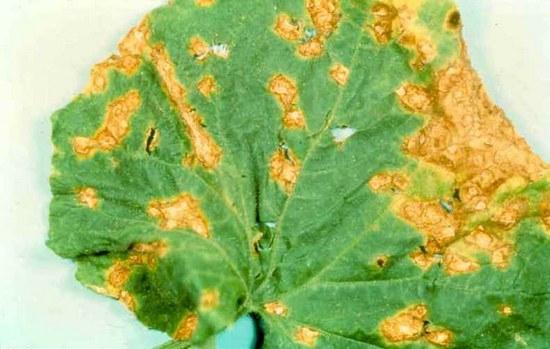
Fungal diseases, including fusarium and pythium, are accompanied by yellowing of the foliage as they spread through the bushes. Initially, the tops become covered with rusty spots, then the leaves change color completely and begin to dry out. Cucumber vines affected by fungus become limp and unresponsive to moisture. Fungal infections most often occur due to sudden weather changes and cold nights.
Aging of cucumber leaves
Over time, the green leaves on cucumbers become dull, turn yellow, and die off naturally. This is due to the cessation of photosynthesis. In this case, the only solution is to remove the old foliage to prevent it from rotting in the ground.

Yellow spots due to sunburn
Leaf burn occurs when water splashes on the leaf surface and is subsequently exposed to ultraviolet rays. Sunburn can also be caused by improper surface watering or condensation when grown in greenhouses.
What to do if the leaves on your cucumbers start to turn yellow
Immediately after detecting signs of yellowing, measures must be taken to restore proper cucumber development. The required treatments depend on the cause of the problem and the current condition of the crop.
How to water and feed cucumbers to prevent their leaves from turning yellow
You can cultivate the soil in the beds and spray the above-ground parts of the plants with various preparations, including folk remedies and specialized solutions.
Folk remedies against yellowing
An effective method is timely prevention using folk remedies. The following solutions are used to treat cucumbers:
- Mix 10 liters of water, 1 liter of milk, 20 g of soap, and 30 drops of iodine. Mix the ingredients thoroughly and use the resulting solution for spraying. Treatment should only be performed after four leaves have formed. It is recommended to perform this procedure 2-3 times per month.
- Bread solution. Place a whole loaf of bread in 10 liters of water and let it sit for 10-12 hours. After the bread has softened, add some green paint. Spray twice a month throughout the summer.
- Baking soda solution. Dissolve 20 grams of baking soda in 10 liters of water to create a soil-watering mixture. The solution can be used throughout the entire growing season.
Store-bought products for processing and fertilizing bushes
Ready-made plant and soil treatments are available at gardening stores. The most common options include Metronidazole, Fitosporin, and Multiflor.
How to prevent yellowing?
Proper care and adherence to agricultural practices can help prevent yellow spots on leaves. Growing in favorable conditions, cucumbers maintain their foliage color and produce a good harvest.
Pest control, treatment products
If symptoms of disease or pest infestation are present, immediate treatment with fungicides and insecticides is required. Preventative treatments are also recommended. If affected plants are not treated promptly, they will die and will not produce the expected harvest.
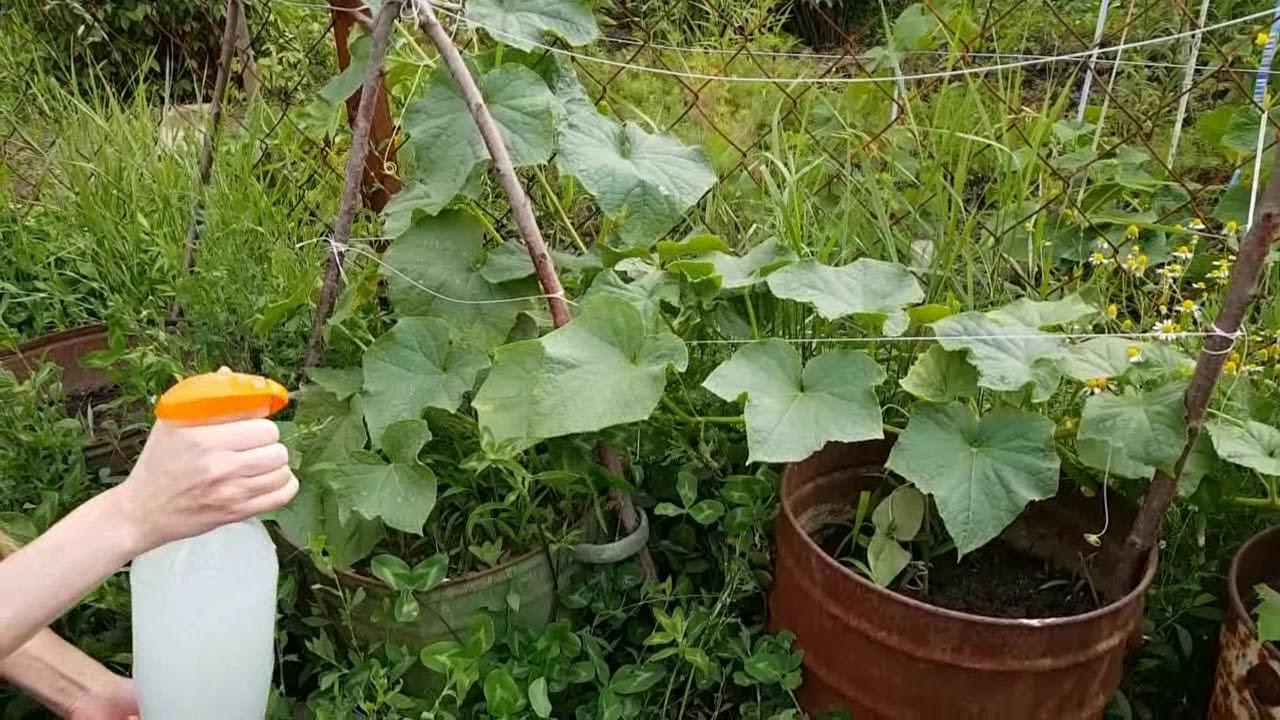
Spray with a nutrient mixture
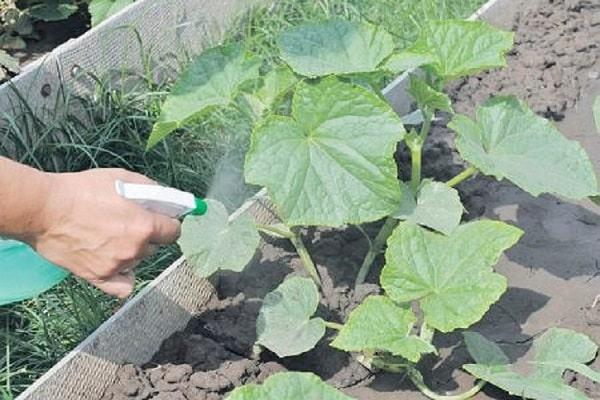
Fertilizing cucumbers with nutrient mixtures should be done several times during the season. Foliar spraying promotes abundant foliage growth, proper plant development, and timely fruit formation.
Light and temperature
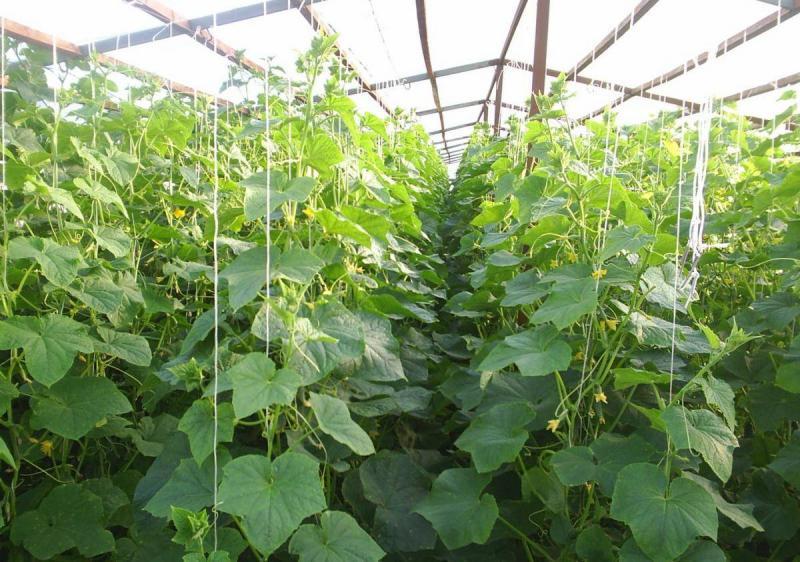
Cucumbers should be planted in a consistently sunny area, avoiding shade. When growing vegetables in a greenhouse, artificial light can be used to compensate for the lack of light.
The optimal temperature for growing cucumbers ranges from 22 to 28 degrees during the day and 18-22 degrees at night.
Overheating plants leads to accelerated aging, while temperatures falling below optimal levels lead to slower growth and reduced yields.
Apply timely fertilizing
It is recommended to feed the vegetable crop throughout the growth process. Fertilizer should be applied beginning at planting. Fertilizer should then be applied a week after transplanting to its permanent location. A third application is made during flowering. The final portion of nutrients is applied when the plant begins to actively bear fruit.
Organize proper watering
Cucumbers require soil moisture at all stages of growth and development. Water as the soil dries. Be sure to use warm water (25-28 degrees Celsius) to allow excess moisture to evaporate and ensure adequate moisture reaches the roots.
In cool or cloudy weather, watering should be limited, as the plants will absorb less moisture and will eventually rot. Furthermore, shallow watering will encourage fungus growth on the foliage. It's best to water the above-ground portion of cucumbers early in the morning, as humidity increases during the day.
The soil in the beds is moistened within a 15 cm radius and to a depth of about 20 cm. The area around the root collar is left dry to prevent rot. Water the cucumbers with a gentle stream, avoiding compacting the soil surface and damaging the roots located above.
Related posts:
 Why do cucumber leaves curl inward and what to do about it?
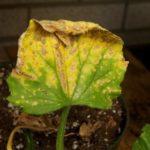 Why cucumber leaves are drying out and what to do, how to treat them in a greenhouse and in the ground
 Why are cucumber leaves turning yellow on the windowsill? What to do and how to treat them?
 Description of unusual methods for planting and growing cucumbers
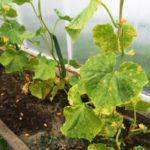 Why do cucumber leaves turn pale and what to do, how to feed and treat them
 How to care for cucumbers in open ground from planting to harvesting
 Description of the best varieties of Chinese cucumbers, planting, growing and care
 How to make a cucumber trellis with your own hands from scrap materials