
- Cucumbers on the windowsill turn yellow and dry out: symptoms and signs
- Causes of drying and yellowing of leaves of seedlings and mature bushes
- The wrong variety of cucumbers was chosen
- How to care for cucumbers properly
- Bacterial yellowing of cucumbers
- Fungal diseases
- Nutrient imbalance in the soil
- Deficiency or excess of moisture
- Too much or too little lighting
- Hypothermia
- Cucumber root injuries
- Excessive number of ovaries
- Pest infestation
- Melon aphid
- Spider mite
- Greenhouse whitefly
- Why do the edges of the leaves on my cucumber seedlings dry out?
- What to do if leaves turn yellow?
- Apply fertilizer
- Proper watering
- Optimizing light and temperature
- Pest control
- Prevention of yellowing by spraying with a nutrient mixture
Vegetable growers are often concerned about the question, Why do cucumber leaves turn yellow? on the windowsill and what to do to get rid of the problem. To grow a good harvest of cucumbers at home, you need to choose the right variety. Plant development problems can be caused by diseases, pests, improper care, or unsuitable conditions. Preventative measures will help prevent the recurrence of symptoms.
Cucumbers on the windowsill turn yellow and dry out: symptoms and signs
Growing cucumbers on a windowsill doesn't always go smoothly. The following signs indicate a problem:
- seedlings stop growing;
- the stem becomes thinner;
- the plant's color changes (pale or darkens);
- spots of various colors and sizes appear;
- the leaves curl, turn yellow and dry out;
- ovaries do not form or fall off;
- The fruits do not grow, have a deformed shape and a bitter taste.
If one of the listed symptoms appears, it is necessary to determine the cause in order to correct the situation in time and prevent a recurrence.
Causes of drying and yellowing of leaves of seedlings and mature bushes
Plant developmental problems can occur at any stage. Many factors can cause yellowing and drying of leaves, including mineral deficiencies, excess moisture, and disease.
The wrong variety of cucumbers was chosen
To harvest a good cucumber crop, you need to choose the right variety. Varieties with the following characteristics are suitable for growing on a windowsill:
- parthenocarpic or self-pollinating;
- not demanding of light;
- early ripening of the crop;
- long fruiting period;
- resistance to diseases and pests;
- determinate growth type.
If you don’t take all these requirements into account, you will have to spend a lot of time and effort to preserve the harvest.
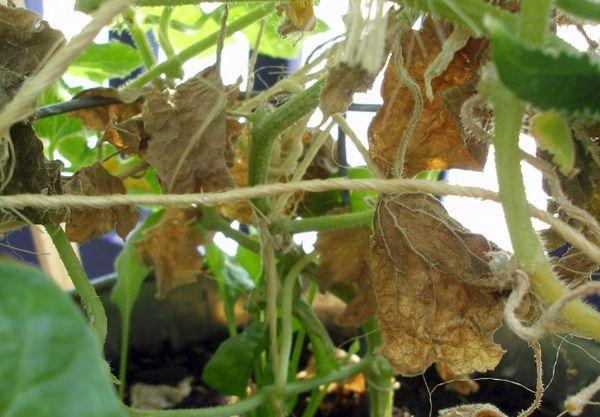
How to care for cucumbers properly
Caring for cucumbers at home is simple. Just follow these steps:
- watering;
- application of fertilizers;
- treatment against infections and pests;
- organizing a support for tying up a growing stem.
Water the plant only with warm, settled water. Spray regularly with a spray bottle.
The support will prevent the stem from twisting and will ensure free access of light and air to all parts of the plant.
Bacterial yellowing of cucumbers
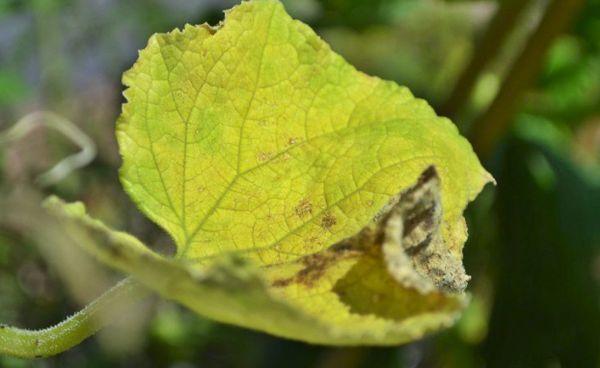
A common bacterial disease cucumbers on the windowsill are considered to be affected by bacterial blightBacteria affect any part of the plant.
The infection can be identified by a number of symptoms:
- leaves begin to turn yellow starting from the bottom rows;
- dark brown spots appear on the leaf blade;
- a whitish liquid is observed on the inside;
- the fruits are deformed.
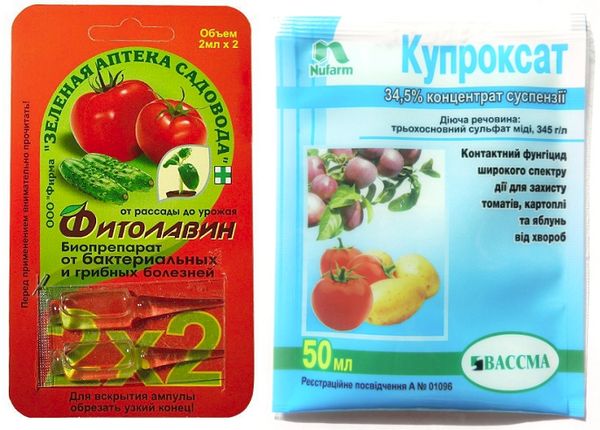
When the first signs of disease are detected, it is necessary to remove the damaged areas and treat all plantings with Bordeaux mixture, copper oxychloride, and also with preparations such as Fitolavin and Cuproxat.
Fungal diseases
Fungal infections spread rapidly, and if the problem isn't recognized promptly, the entire crop can be lost. Cucumbers are often susceptible to diseases such as:
- the fungus that causes powdery mildew attacks any part of the bush, and as a result it begins to dry out, turn white, and become covered with a coating resembling flour;
- Gray mold is accompanied by the appearance of gray spots, which over time leads to the wilting and rotting of the plant;
- White rot can be recognized by white growths that look like a web, the leaves become pale in color, begin to wither, curl and rot;
- root rot is indicated by wilting of the plant, dried leaves, dark spots, flowers and ovaries falling off, the root part becoming thinner and drying out;
- Downy mildew disease begins with yellowing of leaves, they become covered with yellow-brown spots and curl upwards, the embryos fall off and rot;
- Anthracnose manifests itself as brown spots on the leaves, deep spots on the stem and green fruits, gradually the leaves turn yellow, dry out and fall off.

At the initial stage of cucumber plant disease, folk remedies can be used. Popular solutions include whey-based solutions, wood ash, and solutions of Bordeaux mixture or copper sulfate.
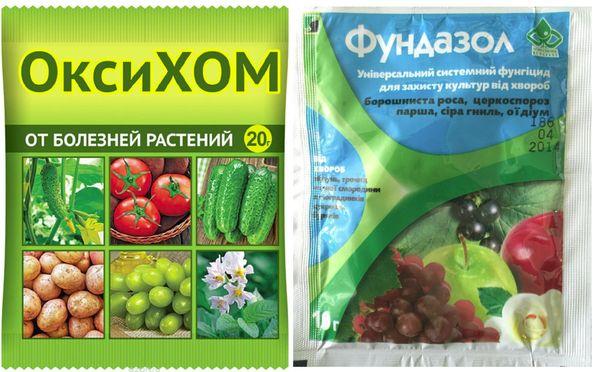
If the plant is severely affected by a fungal infection, it should be treated with chemicals such as Oxychom, Fundazol, Bayleton, and Topaz.
Nutrient imbalance in the soil
For cucumbers to thrive on a balcony, the soil must contain a certain set of micronutrients. A deficiency or excess of even one component can cause problems with plant growth and development:
- Excess nitrogen manifests itself as discoloration of the leaves. They become dark green, with yellow or grayish spots. Fruits become small, and nitrate levels increase. A nitrogen deficiency causes stems to thin, and the plant appears weak and limp.
- If the leaves darken and curl, you may suspect a magnesium deficiency. In this case, calcium is no longer absorbed, and the roots die. Magnesium deficiency can be recognized by yellowing leaves. Light spots appear on the lower leaves.
- Cucumber growth is stunted by excessive potassium application. Leaves turn pale, wilt, and develop spots. A potassium deficiency causes leaf edges to yellow, cucumbers to develop an irregular shape, and shoots to quickly wilt and fall off.
- Excess calcium makes the plant stiff and brittle. Leaves may turn yellow or white. A calcium deficiency causes white streaks to appear, and leaves gradually wilt and fall off. Rot can appear on any part of the plant, quickly spreading to the roots.
- Excess phosphorus causes the leaves to turn yellow, with whitish spots forming. Phosphorus deficiency is characterized by dry, yellow spots on the underside of the leaves, and flowers and ovaries may fall off.
Yellowing of cucumbers on the windowsill can also be a concern due to an imbalance of microelements such as boron, copper, sulfur, manganese, iron, and zinc.
Deficiency or excess of moisture
Basic the cause of yellowing and wilting of cucumber leaves The root system is underwatered or improperly watered. Vegetables prefer moist soil, but the roots should not be overwatered. Excess moisture restricts air flow, leading to root rot. Furthermore, excess moisture can cause fungal diseases.
A lack of moisture causes soil microorganisms to cease their activity, and plants receive insufficient nutrients. Cucumber leaves become limp and begin to turn yellow.
To check if the cause is due to improper watering, dig up the soil to a depth of 10 cm. If it's dry, water it according to the recommended amount (don't increase the amount to compensate for water loss from the previous days). If the seedlings are overwatered, it's best to replant them in a different container.
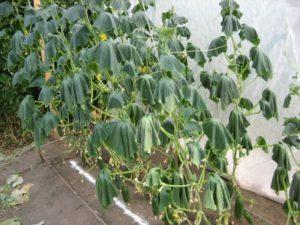
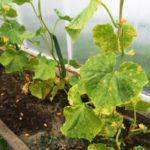
<img class="aligncenter size-full wp-image-34983" src="https://harvesthub.decorexpro.com/wp-content/uploads/2019/02/u-ogurtsov-zhelteyut-listya-12.jpg" alt="Balcony cucumbers» width=”600″ height=”419″ />It is enough to water cucumbers once a week. During the period of ovary formation and flowering, the frequency of irrigation is increased.
Too much or too little lighting
If the leaves of cucumbers on the balcony are turning yellow, it's likely they're not getting enough light. In this case, you can remedy the situation by moving the container with the seedlings to a brighter windowsill. If this isn't possible, you should provide an additional light source (plant lamps or fluorescent lamps are suitable).
Cucumber plants should be protected from direct sunlight. It can burn the cucumber leaves, causing them to curl, dry out, and develop spots. Shading the window during midday is recommended.
Hypothermia
A drop in room temperature slows down the plant's metabolism, causing it to wilt. The soil temperature in the root zone should not fall below 17 degrees Celsius. If temperatures remain low for an extended period, the plant loses its ability to absorb nutrients.
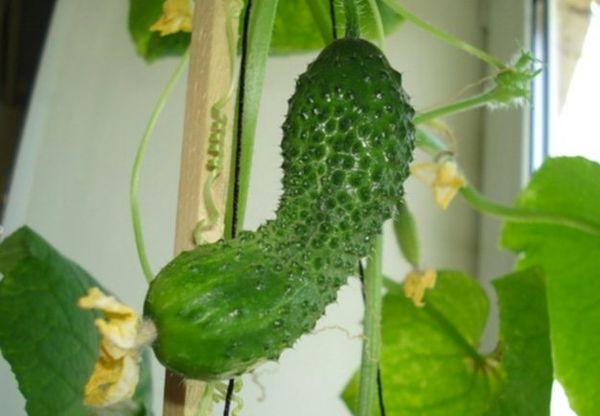
As a result of hypothermia, seedling growth stops, then the leaves begin to turn yellow and dry out at the tips. Gradually, the entire plant dies. You can save the cucumbers by moving the pots to a warmer location.
Cucumber root injuries
Cucumber roots can be damaged by both pests and growers themselves during transplanting or soil loosening. This causes the leaves to turn yellow and dry out.
If the cause of yellowing and wilting of the plant is injury to the root system, it is necessary to apply nitrogen fertilizers and hill the plant up to 2-3 cm.
Excessive number of ovaries
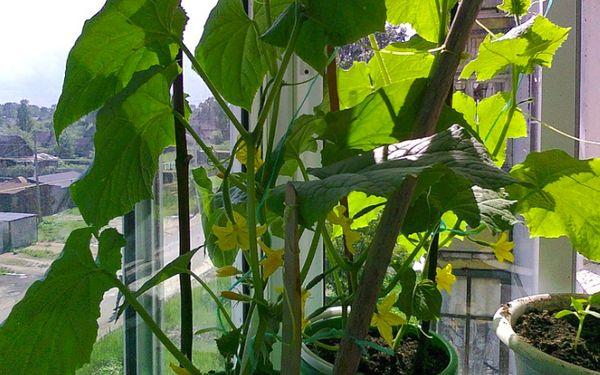
If more than 25 ovaries form on a single stem, the plant will not be able to provide them with adequate nutrition. As a result, the plant's leaves and ovaries dry out, turn yellow, appear limp, and begin to fall off.
Pest infestation
Pests often cause poor plant growth and low yields. Larvae can be found on the surface of untreated seeds or in untreated soil.
Melon aphid
Aphids are small. They come in a variety of colors: yellow, black, brown, and green. They feed on the sap of young shoots. As a result, plant growth slows, and the leaves turn yellow and dry out. Aphids are also dangerous because they transmit viral diseases.
Spider mite
This small pest is bright red in color. Its body is no more than 0.6 mm long. It resides on the underside of the leaf blade and feeds on plant sap.
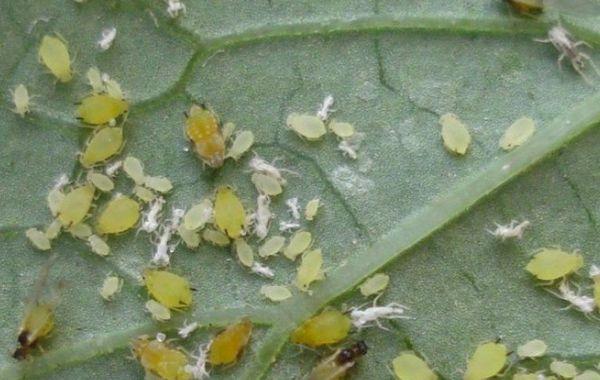
Obvious signs of a pest infestation include whitish spots and milky webbing on the underside of the leaf. Gradually, the leaves begin to turn yellow, curl, and dry out.
Greenhouse whitefly
The whitefly is a white winged insect, no larger than 4 mm in size. Signs of infestation include the formation of a sticky, whitish coating on the leaves. The leaves gradually turn yellow, become deformed, and dry out.
Why do the edges of the leaves on my cucumber seedlings dry out?
If cucumber seedlings are turning yellow, then the reasons may be:
- improper watering;
- insufficient lighting or excess light;
- fungal infections;
- pest attack;
- temperature changes.
As soon as the cause of the problem is identified, we begin to resolve it immediately.
What to do if leaves turn yellow?
If you notice yellow leaves on your cucumber plants, you need to make adjustments to their care and growing conditions, and also inspect the plants for other symptoms.
Apply fertilizer
At the first sign of yellowing leaves, apply an ammonium nitrate solution. Repeat the procedure twice, 5-6 days apart. If the problem persists, try fertilizing the plants with a nitroammophoska solution.
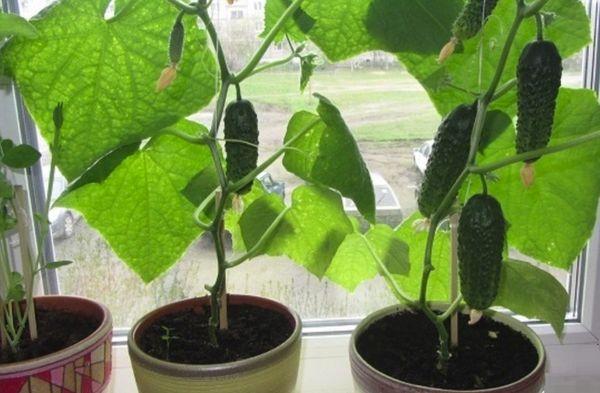
Both a deficiency and an excess of micronutrients are harmful to plants. Therefore, it's important to adhere to the dosage and application intervals. Nitrogen is essential for foliage growth, phosphorus is essential during flowering, and potassium fertilizers are essential during fruiting.
Proper watering
Balcony cucumbers require regular watering. On sunny, hot days, water daily. Use only warm, settled water. Reduce watering on cloudy days. Watering should be done in the morning or evening.
Optimizing light and temperature
When growing cucumbers, the room temperature should be +24 degrees during the day and +17 degrees at night.
Cucumbers should be protected from direct sunlight, so shade the window during hot midday hours. If there's insufficient light, provide artificial lighting.
Pest control
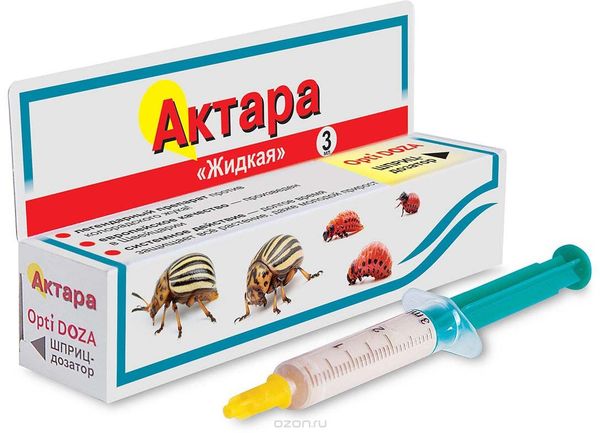
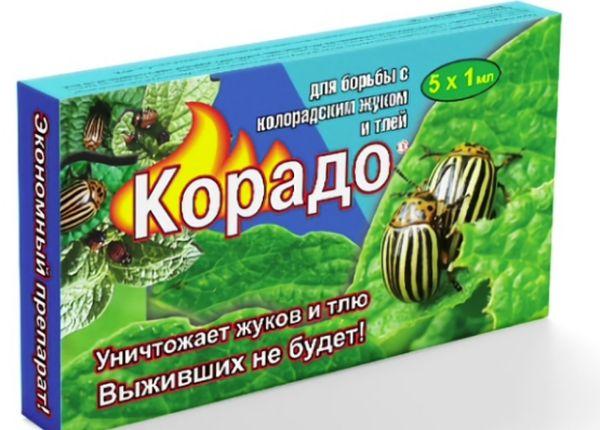
Garlic infusion and ash-soap solution have proven effective folk remedies against aphids. If the problem persists, treatments such as "Komandor," "Korado," and "Aktara" are used.
Bordeaux mixture, a solution of ammonia, hydrogen peroxide, and tobacco dust can help get rid of spider mites. Effective biological treatments include Akarin, Fitoverm, and Aktofit. In extreme cases, chemical treatments are used.
Whiteflies are controlled using products such as Aktara, Akarin, and Iskra. Folk remedies are also considered effective. Infusions of dandelion or yarrow are available, as are solutions with soap, wood ash, and garlic.
Prevention of yellowing by spraying with a nutrient mixture
To prevent the plant from wilting and yellowing, a number of preventative measures should be taken:
- It is important to select only the appropriate variety of cucumbers for growing on a windowsill;
- Before planting, seeds should be disinfected with a solution of potassium permanganate;
- You shouldn't plant cucumber bushes too close together;
- It is important to establish the correct watering and fertilization regime;
- You need to monitor the air temperature and humidity levels in the room.
Preventive treatments with solutions containing wood ash, onion peel, baking soda, kefir, mullein, and urea will help prevent yellowing of cucumber leaves.
Related posts:
 Why do cucumber leaves curl inward and what to do about it?
 Why cucumber leaves are drying out and what to do, how to treat them in a greenhouse and in the ground
 Description of unusual methods for planting and growing cucumbers
 How to care for cucumbers in open ground from planting to harvesting
 Reasons why cucumber leaves turn yellow and what to do, how to treat and feed them
 Description of the best varieties of Chinese cucumbers, planting, growing and care
 Why does white rot appear on cucumbers in a greenhouse and what can be done to treat it?
 Why do cucumber leaves turn pale and what to do, how to feed and treat them
I read through it and didn't find any reference to the apartment's location in the building or the specific direction the windows face. If it's the sunlit side, you'll have to work hard with the cucumbers. The same goes for the completely shaded side; you need to find a balance of light and shadow, which may not exist in this apartment.