
Bacterial leaf spot (or angular leaf spot) of cucumbers is one of the most common diseases of this crop. This disease can affect virtually any variety, regardless of cultivation method. Therefore, neither a greenhouse, nor sun or fresh air can protect a plant from this problem.
The only thing that can protect cucumbers from this scourge is prevention. This must be high-quality and timely. If you follow these agricultural guidelines, you can reap a bountiful harvest of delicious and crisp cucumbers.
When does bacteriosis develop?
The main cause of this disease is high humidity. Therefore, gardeners should always carefully monitor the watering regimen for cucumbers. This crop thrives on water, but excess moisture can cause serious problems. If high humidity is combined with high temperatures, bacterial blight can develop even in varieties with good immunity.
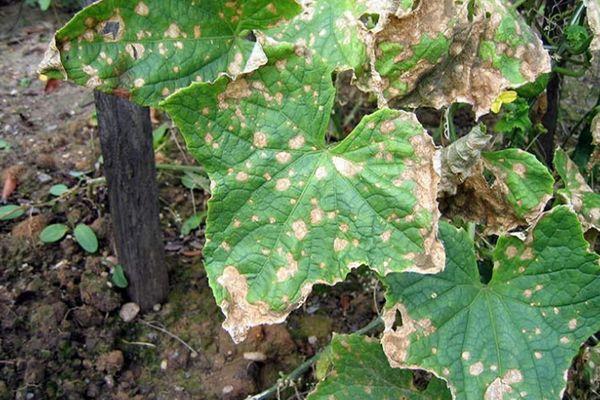
Wind and rain spread the disease. However, purchasing contaminated seeds can be a problem. Careful monitoring of the quality of planting material is essential, otherwise the disease can spread to other plants. Diseased cucumber tops can also cause active bacterial blight. Therefore, all spoiled greens should be removed and burned immediately.
The bacterial blight virus penetrates very quickly. A slight wound on the plant is enough for harmful particles to immediately invade. This can damage not only the green part of the cucumber but also the roots. If the bacterial blight penetrates the fruit, all the seeds within the cucumber will be affected. Therefore, such cucumbers should never be used for planting next year.
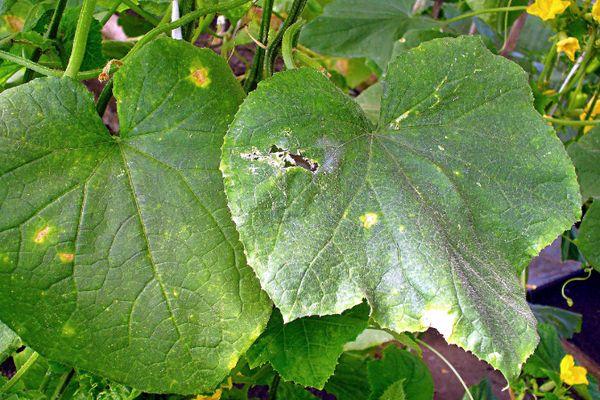
Bacterial rot thrives in high humidity and temperatures, which are common in greenhouses. Therefore, it's important to ensure humidity levels remain below 80%, especially at temperatures around 25°C.

Symptoms of bacterial blight in cucumbers
A gardener can quickly determine that a plant is suffering from this particular disease. A close inspection of the plant is enough to immediately reveal the problem. Angular spots appear on the leaves, initially yellow, then turning brown. If excessive humidity is not eliminated, a slimy coating may be observed on the plant. This indicates a serious stage of the cucumber disease.
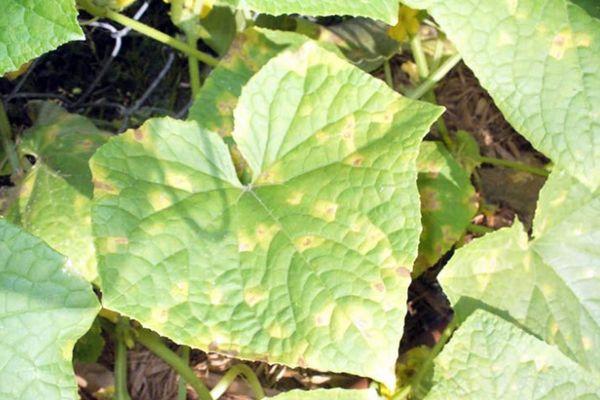
If at this stage a sharp decrease in the level of moisture in the air and soil is observed, then cucumber leaves will begin to turn white and rapidly fall off. It's also possible that the main leaf will remain, but the affected area will dry out. A hole will form in its place. Over time, all the foliage will disappear from the bush, and the plant will stop growing.
It's worth noting that if gardeners fail to treat bacterial blight on cucumbers, 30-100% of the green foliage can be affected. This also affects the fruit. On diseased plants, the fruit will be very small and crooked. Such cucumbers should never be used for seed production.
If the disease's progression isn't stopped promptly, it will cause significant damage to crops. Bacterial blight spreads quickly from one plant to another, leading to a loss of at least 50% of the harvest.
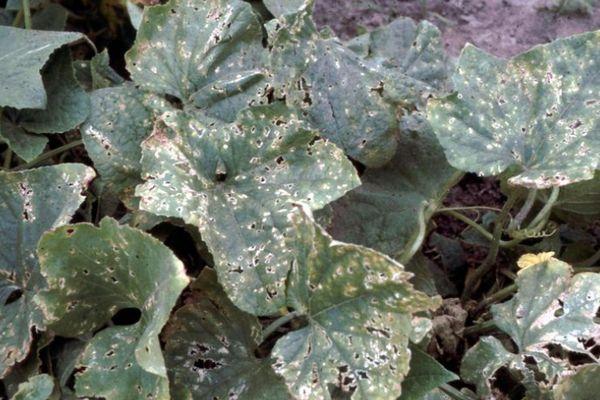
It is worth noting that the angular cucumber leaf spot can occur on at any stage of plant development. This could be the very beginning of the growing season or an already fruiting bush.
Cucumbers with bacterial spot have an unpleasant appearance and a short shelf life.
Preventive measures
To avoid such problems, preventative measures are essential to protect plants from bacterial blight. Prevention is especially important for varieties with weak immunity to the disease. Timely spraying helps gardeners preserve not only their harvest but also their nerves.
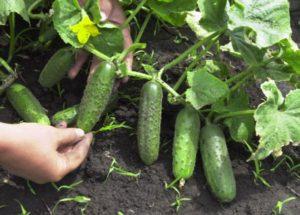
One of the most important preventative measures is choosing a planting site. The site for cucumbers should be sunny, as bacterial blight dislikes intense sunlight. Don't forget that cucumber plants need to be tied up. This is important, as contact with the soil will facilitate the spread of the disease. Furthermore, care should be taken to protect the roots. They need to receive enough oxygen and nutrients, so don't forget about the need to hill and loosen the beds.
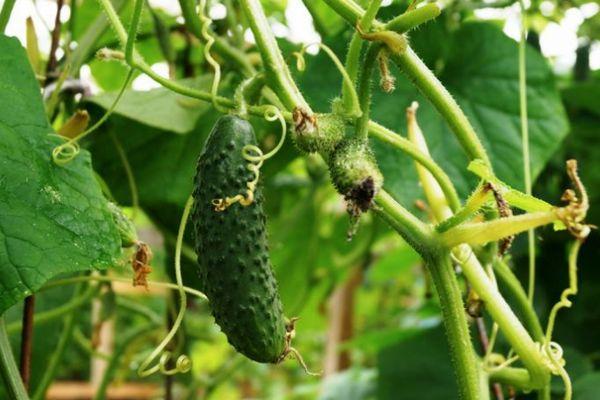
To protect plants from bacterial blight, it's important to fertilize the soil beforehand. Strong cucumber plants will be less susceptible to various diseases. Preventative spraying with specialized chemicals is also necessary from time to time. This will give bacterial blight no chance. For fertilizer, consider superphosphate, urea, potassium salt, manganese, and copper sulfate.
For preventative spraying, experts recommend Hom and Energen. They are diluted in 10 liters of water and then sprayed on bushes throughout the growing season.
It's also important to choose planting material wisely. If your cucumbers frequently suffer from bacterial blight, consider Masha, Oktopus, Dalnevostochny, Murashka, Delikatesny, and Lesha varieties. These varieties are considered resistant to many diseases, including bacterial blight.
Methods of control
If the plant already shows obvious signs of disease, chemical treatments are necessary. It will be difficult to combat bacterial blight by other means. It's also important to remember that it's impossible to cure already infected foliage. It will have to be removed and burned.

To combat bacterial blight, use Bordeaux mixture, copper oxychloride, and Bayleton. Gardeners also recommend Fitolavin, Kuproksat, and Abiga-Peak.
You can supplement the treatment with a folk remedy. For example, a decoction of onion peels, steeped for 15 hours and then used to spray cucumber crops.
Related posts:
 Description of varieties of sowing peas and cultivation, to which family they belong
 How to propagate and grow peas, cultivation technology, and care in open ground
 80 Best Eggplant Varieties for Different Regions with Descriptions and Characteristics
 Causes of cucumber diseases on the balcony and effective methods of their treatment
 Is it possible to plant carrots in July or at the end of June? What are the best days and care instructions?
 Causes of phylloxera in grapes, control measures with drugs and folk remedies
 The best eggplant varieties for growing in a polycarbonate greenhouse: planting and care
 Causes and symptoms of 30 plum diseases, treatment and pest control

This disease often occurs if you overwater your seedlings. Don't forget about bioactivators; they will help strengthen and protect your seedlings from similar problems.