
- We select high-yielding and early-ripening varieties for planting
- Favorable factors for high yields
- In greenhouse conditions
- In open ground
- Recommendations for accelerating growth and increasing yields
- Properly prepare and germinate seedlings
- Choosing the best place to plant bushes
- Strengthening the root system
- We select predecessors and neighbors
- Establishing proper watering
- Stimulating pollination
- We remove extra stepsons
- We organize stable fertilization
- We mulch the plantings
- Loosening the soil
- Getting rid of unproductive bushes
- Don't keep the fruits on the vine for too long
- What microelements does a cucumber need for good growth and fruiting?
- What medications can be used?
- Folk recipes
- Conclusion
Cucumber growers want to get plenty of ripe cucumbers. It's recommended to understand in advance how to grow a good cucumber harvest and what steps are required to achieve this.
We select high-yielding and early-ripening varieties for planting
To harvest a good crop of ripe cucumbers, you need to grow high-yielding varieties of vegetables. The following cucumber varieties are among the most productive:
- April cucumber. Those who want to get many ripe cucumbers from each plant can plant this hybrid variety. Among the advantages of this plant are its tolerance to low temperatures and resistance to olive spot and mosaic. Ripe fruits of the April cucumber are covered with small spines and are green. The bush does not require staking, as it does not grow taller than one meter.
- Herman. This hybrid cucumber variety is considered the most productive, as a single seedling can yield over 12-15 kilograms of ripe fruit. The fruits ripen within 45 days after planting. Each one weighs up to 150 grams and reaches 12 centimeters in length. Herman's fruits are often used for homemade preserves.
- Zozulya. This early-ripening, high-yielding cucumber is resistant to viruses and frost. In the first half of summer, Zozulya plants begin to bear fruit, which grow up to 20 centimeters long as they ripen. The cucumbers are covered with bright green, bumpy skin.
- Klavdia. This cucumber variety produces tall bushes that, under optimal conditions, grow up to 2-3 meters in height. Experienced gardeners recommend tying them to a trellis for better fruiting. Klavdia's cucumbers are small, weighing only 80-90 grams. They make a great vegetable dish or a delicious salad.
- Muravey. This is a remontant cucumber, designed for planting outdoors. The harvest ripens in 30 days, making it considered an ultra-early cucumber. This variety is popular with gardeners due to its resistance to many common diseases.
- Masha. Another ultra-early cucumber with cluster-type flowering. The cucumbers can be harvested 35-45 days after transplanting the seedlings into the garden. Housewives use these cucumbers for whole-fruit canning.

Favorable factors for high yields
Before planting cucumbers, you need to familiarize yourself with the favorable factors that improve the fruiting of the vegetable crop.
In greenhouse conditions
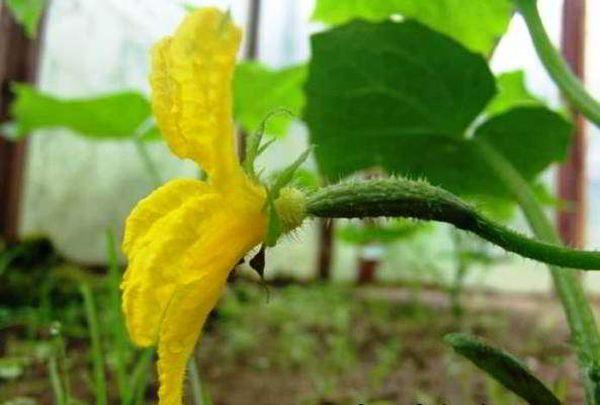
When growing cucumbers in a polycarbonate greenhouse, it's recommended to create favorable conditions for the vegetable. To do this, ensure the planted plants receive sufficient light. Without adequate lighting, the seedlings will stretch and produce fewer fruits. If the greenhouse is located in the shade, several indoor lighting fixtures will be necessary.
It's also important to monitor the temperature. Temperatures shouldn't exceed 30-35 degrees Celsius, as too much heat can cause cucumber buds to wilt.
In open ground
Factors that contribute to a better yield of cucumbers planted in the garden include optimal soil moisture and nutrient levels. To maintain soil moisture, you'll need to regularly water the plants with warm water. To saturate the soil with nutrients, the area where cucumbers are planted must be fertilized at least three times per season.
Recommendations for accelerating growth and increasing yields
It is important to familiarize yourself in advance with the basic recommendations that will help stimulate fruit development and increase vegetable yield.
Properly prepare and germinate seedlings
Cucumber seeds are planted in the spring, 1-2 weeks before the last frost. The seeds are disinfected and soaked in water beforehand. A regular plastic container or peat pots are used for planting.
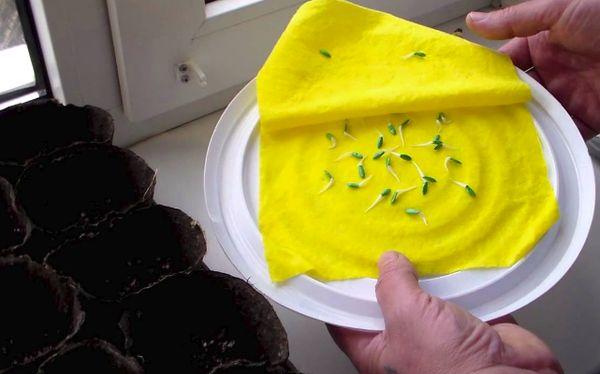
Cucumber seedlings should be grown in bright rooms where the temperature does not drop below 20 degrees Celsius. They are transplanted into the open ground when the first true leaves appear.
Choosing the best place to plant bushes
Before transplanting the seedlings, you need to choose a growing location. Cucumbers should be planted in areas that receive full sun and are well protected from strong winds. The soil should have a moderate acidity.
Strengthening the root system
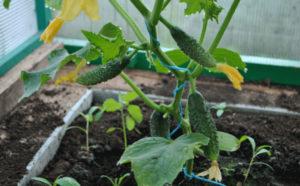
Experienced vegetable growers recommend rooting cucumbers, as this improves yields. Roots can be strengthened by forming adventitious roots. To do this, press the lower part of the stem to the ground and sprinkle it with moistened soil. Within just 7-10 days, the buried stem will begin to root.
We select predecessors and neighbors
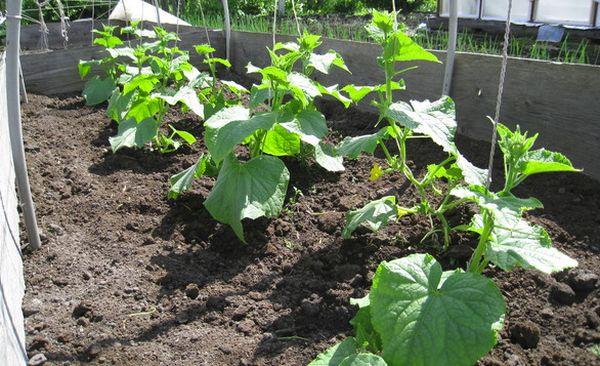
Some gardeners grow cucumbers in areas where incompatible vegetable crops were previously grown. Cucumbers should not be planted in areas where basil, potatoes or garden marjoram grew. The best predecessors are considered to be carrots, tomatoes, onions, peppers and eggplants.
Establishing proper watering
The growth and fruiting of cucumbers depend on watering. It's important to water the plants properly to ensure they have enough moisture to form young fruit. Water the soil daily or every other day to prevent the topsoil from drying out. This is best done in the evening or early morning.
Stimulating pollination
The main stimulator of pollination for many plants are insects, which become active in late spring. However, when growing cucumbers in a greenhouse, you have to pollinate the plants yourself. To do this, you'll need to transfer pollen from the male flower to the female flower yourself. This must be done very carefully to avoid accidentally damaging the flowers.
We remove extra stepsons
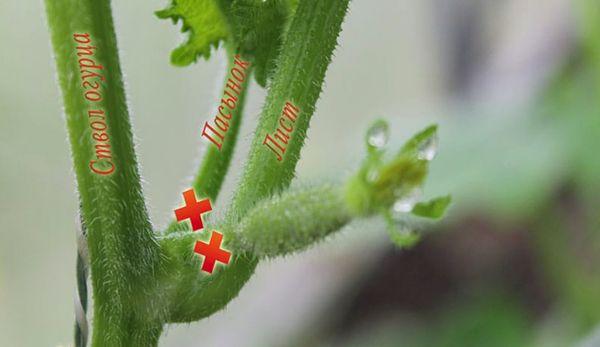
Stepchildren are extra shoots that need to be removed. Before doing this, it's best to read the instructions and recommendations for removing stems from cucumber plants. It's important to remove all shoots that aren't producing fruit. You should also prune out any stems that are starting to dry out.
We organize stable fertilization
Planted cucumbers must be fed, as without micronutrients it is impossible to achieve high yields.
The first fertilizer application is done a week and a half after transplanting the seedlings. For this, use mullein mixed with water at a ratio of one to ten. Superphosphate and ammonium nitrate, which promote fruiting, can also be used.
We mulch the plantings
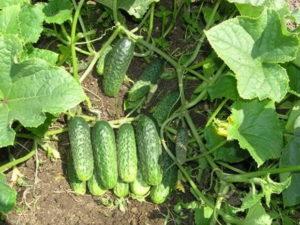
Mulch is used to improve the soil's composition and enrich it with nutrients. Sawdust, manure, straw, peat, and even plastic film are used for mulching. Avoid using fresh grass as mulch, as it can cause barren flowers on the bushes.
Loosening the soil
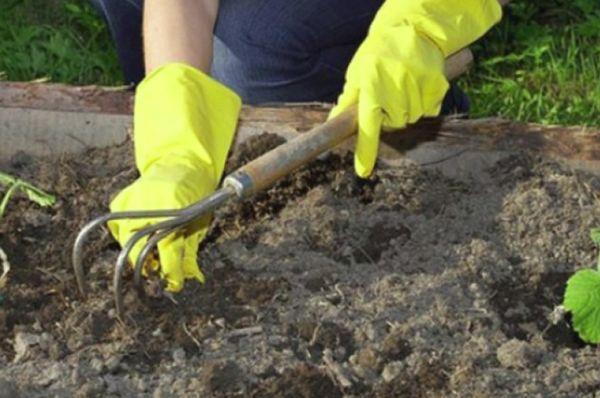
The soil must be loosened after each watering to improve oxygen and moisture permeability. The area should be loosened to a depth of 3-4 centimeters. Avoid loosening the soil deeper to avoid damaging the roots.
Getting rid of unproductive bushes
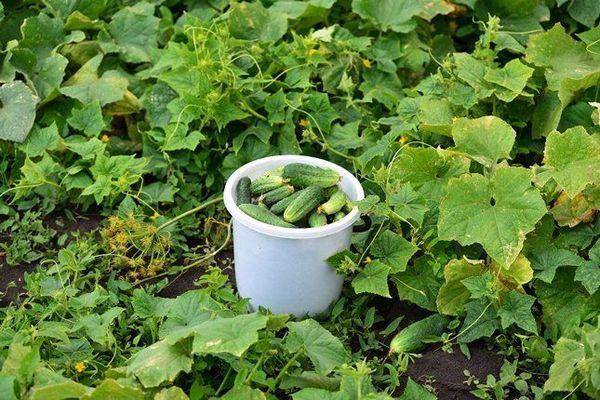
To ensure a bountiful cucumber harvest, you should regularly inspect the plants and remove damaged leaves, which reduce the cucumber's productivity. You should also remove unproductive shoots, which consume nutrients needed for rapid ripening.
Don't keep the fruits on the vine for too long
Some gardeners believe that they should harvest the largest cucumbers, but this is not true. Keeping cucumbers on the vines too long reduces the yield. Therefore, ripe cucumbers should be picked 2-3 times a week to prevent them from becoming overripe.
What microelements does a cucumber need for good growth and fruiting?
You can speed up the ripening of vegetables and increase their yield using certain micronutrients.
What medications can be used?
There are several biological agents that are used to increase crop yields:
- "Azogran";
- Biogran
- "Bakterin".
Folk recipes
Some prefer to use folk remedies to improve fruiting. These include:
- Yeast mixture. To make it, add 5 grams of yeast to half a liter of cold water. The solution is then mixed with 30 liters of water and used to water the bushes.
- Nettle tincture. Dried nettles are steeped in water for 20-30 hours. The tincture is then sprayed and watered on cucumber seedlings. It is recommended to do this in the evening or on cloudy days.
Conclusion
Many gardeners want to harvest a good cucumber crop this summer. To ensure a bountiful harvest, it's important to familiarize yourself with the basic recommendations for improving cucumber fruiting.
Related posts:
 How to quickly germinate cucumber seeds before planting at home
 How to properly plant cucumber seedlings in a greenhouse and care instructions
 Description of unusual methods for planting and growing cucumbers
 How and when to plant cucumber seedlings in open ground
 How to prune cucumbers in a greenhouse to ensure a good harvest, a formation scheme
 How to properly plant cucumber seedlings at home and what to feed them with
 How to make a cucumber trellis with your own hands from scrap materials
 Description of the best varieties of Chinese cucumbers, planting, growing and care