
Among the wide variety of cucumbers, the Magnat f1 stands out. It's an early-ripening vegetable, disease-resistant, and produces a good harvest. It doesn't require much care; the main rules are ample watering and timely fertilizing. This is a hybrid variety, as indicated by the f1 designation, so seeds must be purchased annually.
Description and characteristics
Magnat f1 is an early variety, with a maturation period (from germination to harvest) of no more than 50 days. It is self-pollinating, making it versatile and suitable for both open-field and greenhouse cultivation. It is grown in Russia, Moldova, and Ukraine. The plant is moderately branched and quite vigorous, with most flowers being female. Large leaves provide protection for the fruit from the scorching sun.

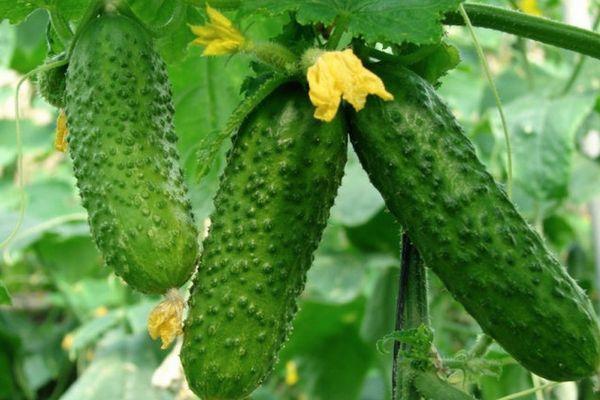
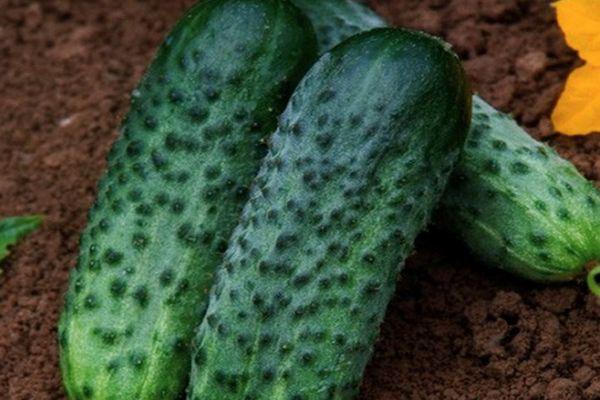
Description of fruits:
- cylindrical, regular cucumber shape;
- color is rich green;
- the weight of ripe cucumbers is from 70 to 95 g;
- fruit length 9-11 cm;
- has medium-sized stripes;
- the skin is dense;
- The thorns are white.
A plus is its excellent flavor, free from bitterness. Furthermore, Magnat F1 cucumbers do not turn yellow, as often happens with other varieties. The average yield is 9-10 kg per square meter, exceeding that of varieties such as Izyashny and Yulian F1.
The vegetable is not susceptible to viral infections, such as cladospora leaf spot, or olive leaf spot. However, its immune system is not perfect, so prevention of other diseases, such as downy mildew, is required. It's best to use specialized products suitable for hybrid plants. However, if the risk is low, homemade remedies can also be used.
Magnat's characteristics (yield, flavor) make it an excellent choice for large-scale cultivation and subsequent sale. It can be eaten fresh or canned. The small size of the fruit allows for whole cucumbers, ensuring they remain firm and crisp.

Growing methods
The planting site should be well-lit; cucumbers prefer sunny, draft-free areas. Planting time depends on the region and growing method. Sowing outdoors occurs in late May or early June. The crop will be ready for harvest in August. By growing seedlings in advance, the harvest can be completed several weeks earlier. Cucumbers are planted in a greenhouse in early May, when the weather has stabilized and there is no risk of night frosts.
The easiest way to grow this variety is by sowing it in open ground. It's suitable for the northwestern, central, and southern regions. Sow when the soil warms to 12°C. The variety prefers well-drained soil with low nitrogen content. If the soil is highly acidic, it's recommended to treat it with limestone.
Seeds can be hardened off, which will increase plant resilience and improve yield. To harden, place the seeds in cheesecloth and immerse them in water. Once the seeds have swollen, refrigerate them for 2 days at a temperature of 0°C to +5°C. Sow cucumbers, 2-3 seeds per hole, 50 cm apart. The holes should be 1-2 cm deep. After the seeds have emerged and leaves have formed, prune out weaker plants.
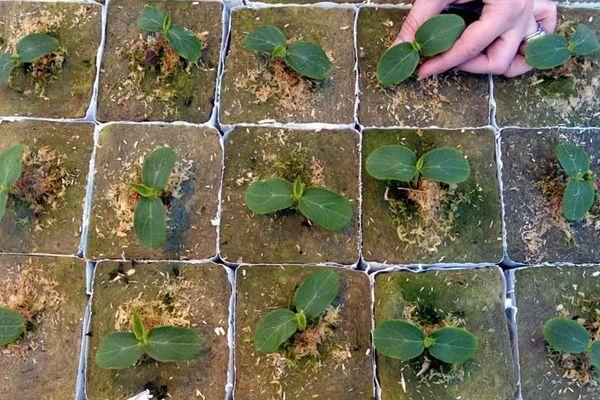
To get an early harvest, many gardeners grow seedlings. Reviews from many vegetable growers confirm that the seed germination rate in this case is almost 100%.
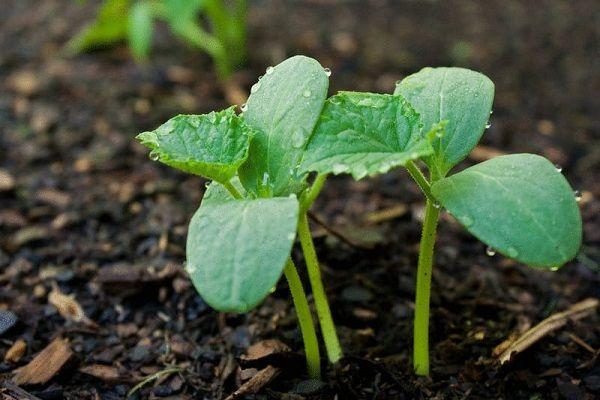
Before sowing, the seedlings are warmed to 25°C. Large seeds are preferred. Peat, sawdust, and wood ash are added to the soil. Germinated seeds are placed individually in separate containers. Water the seedlings once every 7 days. The seedlings are transferred to the open ground (greenhouse) after 3-4 true leaves have formed, typically 3 weeks after germination.
Caring for the variety
Regardless of whether they're grown in a garden bed or a greenhouse, cucumbers need to be watered with warm water in the evening—not frequently, but with plenty of water. While the plant is flowering, watering once a week is sufficient. However, during the ripening period, watering should be done every 3-4 days.
To ensure a good harvest, the vegetable requires fertilizing and regular loosening of the soil around the plant. After planting, loosen the soil every other day to a depth of 4 cm. As the seedlings grow, loosen the soil every 7 days.
Cucumbers need to be fed with mineral and organic fertilizers. Alternating between different types of fertilizer is considered optimal. Organic fertilizer is suitable for the first application. Mineral complexes are used at least once every 10 days. On average, five applications of each type are needed.
Fertilizers are especially important during the flowering and fruit ripening periods.
Since this is a hybrid variety, there is no point in collecting seeds from the cucumbers, as the varietal characteristics are not passed on to the next crop. Cucumbers store well and are easily transported over long distances.
Related posts:
 Description of the best varieties of Chinese cucumbers, planting, growing and care
 TOP 30 best varieties of cold-resistant cucumbers with descriptions and characteristics
 Top 50 Best Cucumber Varieties for Polycarbonate Greenhouses with Descriptions
 35 Best Powdery Mildew-Resistant Cucumber Varieties with Descriptions
 Is it possible to soak treated cucumber seeds before planting and how to do it correctly?
 Description of the best varieties of bee-pollinated cucumbers, rules for their formation and care
 How to prepare pickled cucumbers in adjika for the winter without sterilization and Caucasian style: recipes
 TOP 10 recipes for quickly preparing lightly salted crispy cucumbers using cold and hot methods in a saucepan