
- Choosing a variety for planting seedlings?
- How to prepare seed material
- Soil preparation
- Timing and technology of sowing
- In an open area
- In the greenhouse
- At home
- Methods of germinating seedlings
- Features of containers and planting seedlings
- In tablets
- In cassettes
- In cups
- Peat pots
- We create optimal conditions for growing strong seedlings
- Light mode
- Picking
- Temperature and humidity
- Top dressing
- When should I transplant sprouted seeds?
- Seedling planting technology
- Landing patterns
- Planting density
- Dimensions of beds and planting holes
- We organize proper care for the plant
- Irrigation frequency
- Fertilizing
- Formation of the whip
- Prevention of diseases and insect infestations
- What problems do gardeners most often face: methods of control
- The seedlings are turning yellow
- The young animals are stretching excessively
- Young shoots are rotting
- Conclusion
Many gardeners consider planting cucumber seedlings to be the most crucial stage of growing this vegetable crop. Therefore, it's important to familiarize yourself with all the key aspects of growing and planting cucumber seedlings in advance.
Choosing a variety for planting seedlings?
Before you start growing vegetables, you need to choose the right variety. Vegetable growers most often plant the following cucumber varieties:
- Nezhinsky. A well-known variety developed by Ukrainian breeders. These cucumbers ripen in 45-55 days, making them considered early ripening. The Nezhinsky variety's advantages include its flavor and ease of cultivation.
- Khrustyashchiy. A bee-pollinated plant, suitable for planting outdoors. The first cucumbers can be harvested 55-65 days after planting. Khrustyashchiy's fruits are quite large, growing up to 10-15 centimeters.
- Hector. Those who prefer to plant early vegetables should consider this variety. Hector's cucumbers fully ripen in 35-40 days. Ripe cucumbers turn dark green and average 12-13 centimeters in length.
- Zozulya. An early-ripening cucumber variety, its fruits ripen in 50 days. Zozulya's main characteristic is the size of its mature cucumbers, which grow up to 20 centimeters in length.
- Aquarius. A compact variety suitable for growing indoors. The cucumbers are very aromatic and delicious, reaching 8-10 centimeters in length.
How to prepare seed material
Before planting vegetables, you need to prepare the seed material in advance.
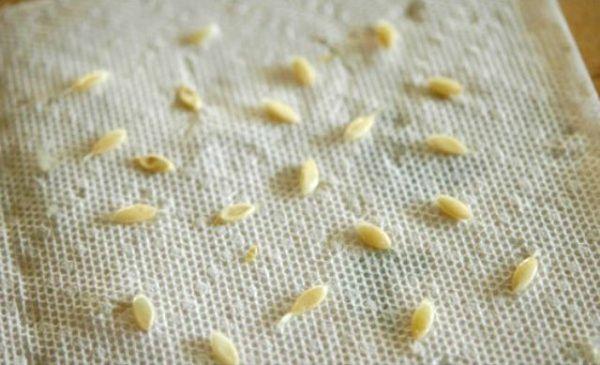
When preparing seeds, the following procedures are performed:
- Calibration. Plant only selected seeds that will grow well. When selecting seeds, pay attention to their shape. Deformed and too small seeds are discarded immediately, as they will grow poorly.
- Disinfection. To remove pathogens from the seeds, they must be disinfected beforehand. A folk remedy for this is a 1% manganese solution. The seeds are soaked in the solution for 30-45 minutes, after which all the seeds are rinsed in warm water and dried.
- Soaking. This is the most common method of pre-sowing seed treatment. People soak cucumbers to speed up their growth. Soaking is done in transparent containers made of glass or plastic. A small piece of cloth or a regular napkin is placed at the bottom of the container. The seeds are placed on top and covered with a small amount of water. The seeds are soaked for 1-3 days.
Soil preparation
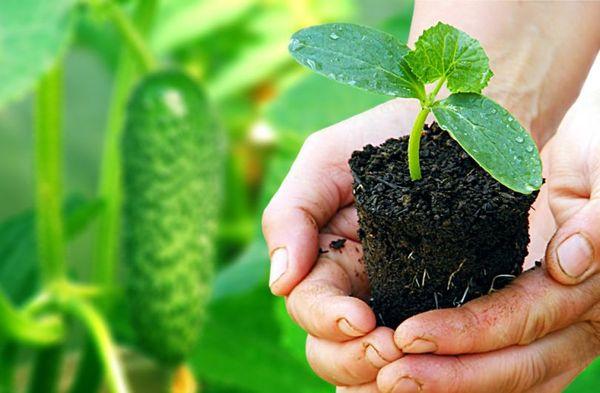
To ensure that cucumber seedlings grow quickly, they must be grown in a pre-prepared soil mixture.
Experienced gardeners recommend using lightweight soil mixtures that include leaf mold. Therefore, when creating the soil mixture, it's important to add rotted fallen leaves to the soil.
To create your own compost, pile all the leaves together in a small pile and water them regularly with cold water. To speed up the process, you can cover the leaves with plastic wrap to retain moisture.
Take a look Also
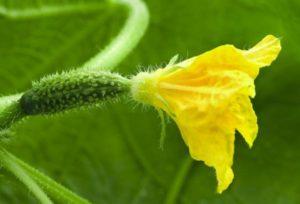
River sand is also added to the soil, making it more porous. Creating a sand substrate involves several stages:
- washing and cleaning sand from contaminants;
- drying the washed material on a heated frying pan;
- adding cooled sand to a container with soil.
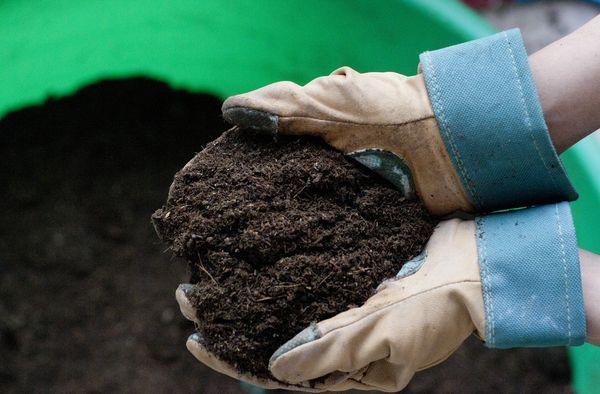
To improve soil fertility, add a little chalk and peat. You can also water the soil with a solution made from coconut coir. To create the solution, mix one block of coconut coir with 15 liters of boiled water.
Timing and technology of sowing
It is recommended to decide in advance when it is best to sow cucumbers for growing seedlings.
In an open area
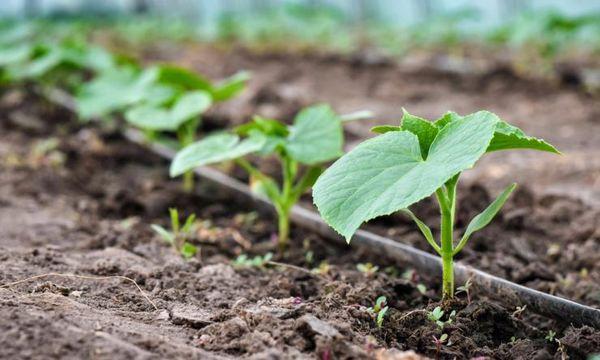
When determining the timing of sowing cucumber seeds outdoors, it's important to consider the region's climate. The air temperature should be at least fifteen degrees Celsius (15 degrees Fahrenheit). Therefore, seeds are planted in late spring, when temperatures don't drop below this level. Residents of northern regions can plant vegetables in the second half of May, while gardeners in central and southern regions can begin planting in late April.
In the greenhouse
Sometimes the climate in some regions prevents people from sowing cucumber seeds outdoors, so they have to plant them indoors. Growing vegetables in greenhouses is much easier because you can regulate the temperature inside.
To enjoy fresh cucumbers all summer, plant seeds no later than April. Early-ripening varieties can be planted in early May.
At home
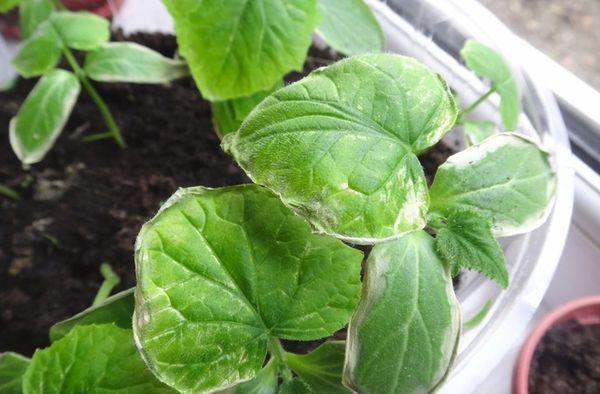
Sometimes people grow cucumbers indoors, not in a garden or greenhouse. They often choose low-growing varieties that don't grow taller than 30-35 centimeters. You can grow cucumbers indoors at any time of year.
Methods of germinating seedlings
Before planting cucumbers outdoors, you need to germinate the seedlings. There are several methods for germinating cucumber seedlings that many vegetable growers use:
- In the ground. This is the simplest and most common method for growing vegetable seedlings. With this method, plants are grown in containers filled with a pre-prepared soil mixture.
- Soilless. This is a new method for growing cucumber seedlings. Its key feature is that no soil is required to grow the young seedlings. To germinate the seedlings, line the bottom of a plastic container with a napkin. Then, gently water it, and then place the seed on the surface. The sprouted seeds are transferred to a plastic container, covered with a lid, and placed in a warm room. Seedlings should appear in 7-10 days.
Features of containers and planting seedlings
There are several types of containers for sowing cucumber seeds. It's recommended to familiarize yourself with the specifics of the containers you'll use for growing seedlings beforehand.
In tablets
Some vegetable growers prefer to plant cucumbers in small peat pellets. These containers are small, flat peat disks with a hole in the center. They are made using not only peat but also compost with other mineral microelements. Before using, these pellets are soaked in water to expand several times their size.
One cucumber seed is planted into each soaked tablet.
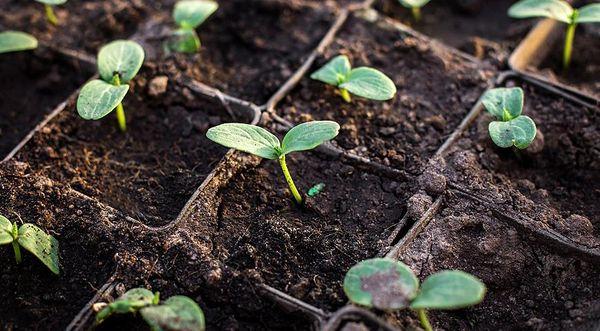
In cassettes
The cassette method is used for growing cucumbers, cabbage, onions, tomatoes, and celery. The main advantages of cassettes include:
- ease of planting;
- rapid survival of seedlings;
- rapid emergence of the first shoots.
In cups
Sometimes gardeners use ordinary cups to plant seeds and grow cucumber seedlings. Before planting, they create special spaces in the bottom of each cup to oxygenate the soil. Then they fill the containers with potting soil and make holes in it. One or two seeds are planted in each cup.
Peat pots
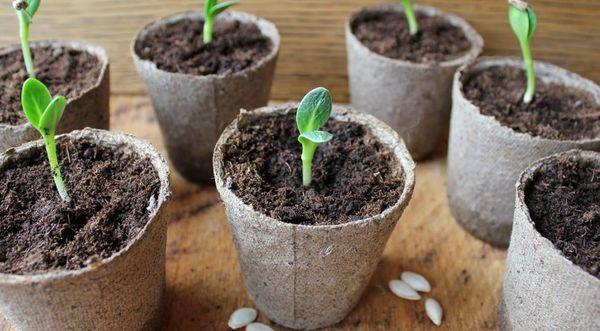
Vegetable growers most often use peat pots for germinating seedlings. The main advantage of these containers is that the planted vegetables don't need to be pricked out, as the seedlings are transplanted into the soil along with their pots. Seeds are planted in peat pots in the same way as in cups.
We create optimal conditions for growing strong seedlings
To ensure that planted seedlings do not grow poorly, it is necessary to create optimal conditions for their cultivation.
Light mode
Cucumbers are considered sun-loving plants, so when growing seedlings, ensure they receive sufficient light. It's best to place the seedling containers on well-lit windowsills. You can also add a few additional lighting fixtures indoors.
Picking
Experienced gardeners advise against transplanting seedlings, as this vegetable crop does not tolerate transplantation well. Therefore, it's recommended to plant cucumbers in peat pellets or pots, which can be planted in the garden along with the seedlings.
Temperature and humidity
It's no secret that cucumbers are a heat-loving vegetable. Seedlings should be grown indoors where the temperature remains between 25 and 30 degrees Celsius. Once the first strong cotyledon leaves emerge, the seedlings are transferred to a cooler room where the temperature does not exceed 25 degrees Celsius.
Top dressing
During seedling development, feed them once with mineral fertilizers containing phosphorus and nitrogen. If the plant appears unhealthy, feed it again after 1-2 weeks.
When should I transplant sprouted seeds?
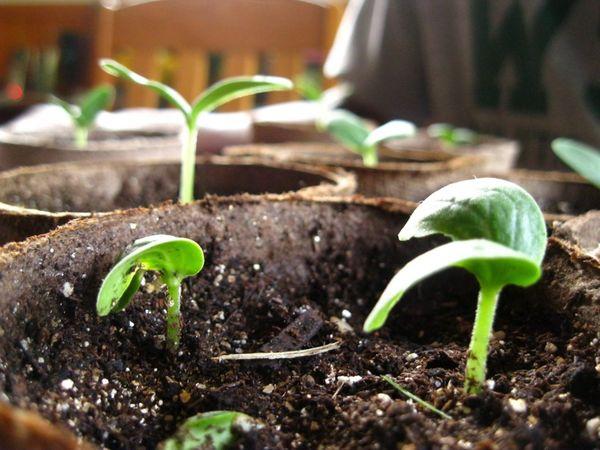
The timing of transplanting grown seedlings depends on the location where they will be grown. If grown in a greenhouse, the seedlings can be transplanted in mid- or late April. Seedlings are planted in open ground under plastic a month later—in late May, when the soil has warmed up well. If, however, the cucumbers will not be grown under plastic, the seedlings are planted in early June.
Seedling planting technology
To plant cucumbers correctly, you should familiarize yourself with the technology of planting this vegetable crop.
Landing patterns
There are three schemes for planting cucumbers:
- Row planting. The most common planting method, vegetables are planted in rows, with the distance between each row being 60-65 centimeters.
- Double-row ribbon planting. If you plant seedlings using this pattern, the row spacing should be about 100 centimeters.
- Nesting. In this case, special nests are made in the rows into which the seedlings will be planted.
Planting density
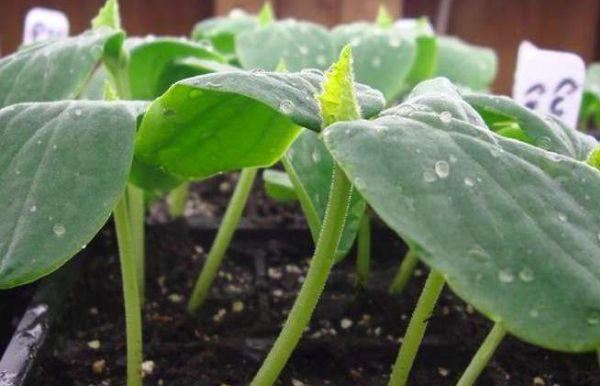
To ensure proper vegetable growth, plantings must be properly spaced. Avoid planting too close to one another, as this can expose the seedlings to fungal or viral diseases. Crowded plantings also deprive the plants of nutrients and light. The distance between each bush should be at least 60 centimeters.
Dimensions of beds and planting holes
The seedlings shouldn't be planted too deeply, so the holes should be about 5-8 centimeters deep. The holes should be 10-12 centimeters wide and long.
We organize proper care for the plant
High yields can only be achieved through proper care of the planted bushes.
Irrigation frequency
Water cucumber plants no more than four times a week. Only warm water should be used. Cold water is contraindicated, as it promotes root rot and powdery mildew.
Fertilizing
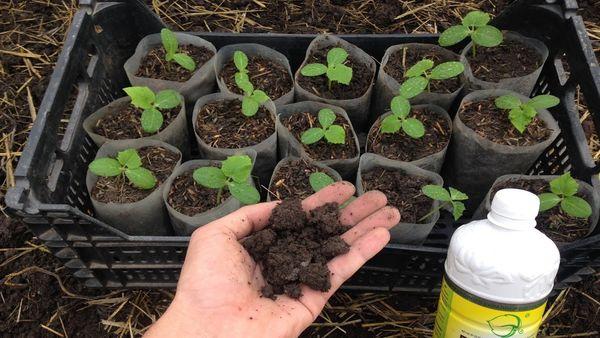
Cucumbers will need to be fertilized periodically, as without them they will grow and bear fruit poorly. The first fertilizer should be added to the soil a week after transplanting the seedlings. The next fertilizer application should be done 20-25 days later.
Formation of the whip
Pruning begins after the first lateral shoots appear on the seedlings. During bush formation, the weakest stems, which will not produce fruit, are pruned. Diseased shoots must also be removed.
Prevention of diseases and insect infestations
To prevent plants from suffering from insect infestations and diseases, it's important not only to properly care for the planted bushes but also to spray them with fungicides. This will prevent the development of many fungal and viral diseases.
What problems do gardeners most often face: methods of control
There are several common problems that cucumber growers often encounter.
The seedlings are turning yellow
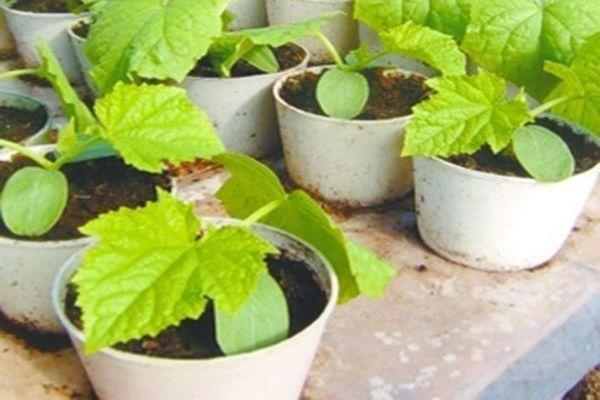
Gardeners often encounter yellow spots on the leaves of their growing seedlings, which eventually cover the entire leaf surface. This problem occurs due to infrequent fertilization. Therefore, to prevent yellowing, add organic matter and mineral fertilizers to the soil more frequently.
The young animals are stretching excessively
Stretching of seedlings occurs due to improper plant care. It is accompanied by curling foliage and slow fruit growth. Creating optimal conditions for cucumbers will help prevent stretching. Ensure they receive sufficient moisture and nutrients. Ensure adequate light is also provided.
Young shoots are rotting
Young sprouts rot if they are grown in high-humidity conditions. Most often, rot is caused by improper watering and the use of cold water. To prevent this problem, water the sprouts with warm water 3-4 times every 10 days.
Conclusion
Cucumbers are considered the most common vegetable crop, grown by almost every gardener. Before planting, it's important to familiarize yourself with recommendations for sowing seeds, feeding, watering, and shaping the plants.
Related posts:
 The best eggplant varieties for growing in a polycarbonate greenhouse: planting and care
 What is the best way to feed tomato seedlings to make them plump?
 Rules for growing tomatoes in open ground, choosing a variety, planting and care
 How to prune grapes step by step for beginners
 Description of the best cucumber varieties for the Urals, planting seedlings and growing
 33 of the best recipes for delicious cucumbers for the winter
 TOP 30 best determinate cucumber varieties with descriptions
 Description of the best pepper varieties for greenhouses and open ground in 2025