
- Do I need to germinate cucumber seeds before planting?
- Advantages
- Flaws
- How to speed up the germination of cucumber seeds?
- Stimulation
- Soak
- Warming up
- Calibration
- Etching
- Hardening
- Bubbling
- What preparations should be used to stimulate plant growth?
- How to quickly germinate seeds: methods and technologies
- The soil-free toilet paper method
- We plant seeds in peat tablets
- Planting cucumbers in peat pots
- On a damp cloth
- Growing cucumbers in a roll-up
- Planting seeds in cups
- Sowing cucumbers in coconut substrate with boiling water
- How to properly germinate cucumber seeds at home
- Optimal temperature
- Humidity and lighting
- Fertilizing and watering
- Protecting crops from pests and diseases
- On what day do cucumber seeds germinate?
- Why they don't hatch: reasons and ways to restore growth
- Conclusion
Before planting cucumbers, many gardeners recommend pre-germinating the seeds. This helps the plant establish better in its new location and prompt the first shoots to emerge. It's recommended to learn how to quickly germinate cucumber seeds beforehand.
Do I need to germinate cucumber seeds before planting?
Some people wonder whether it's necessary to soak and sprout seeds before planting them in the garden. Many vegetable growers prefer to use dry, unsprouted seeds when planting. Most often, people plant these seeds because they don't want to waste time and effort on pre-sowing preparation, which is essential before planting vegetable crops in the ground.
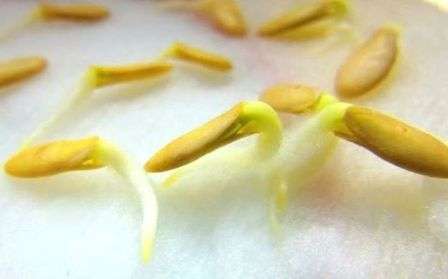
Experienced vegetable growers know that cucumbers are a heat-loving crop that sprouts faster after soaking. To ensure faster growth after planting, it's important to sprout cucumbers in advance. This procedure has certain advantages and disadvantages that need to be addressed.
Advantages
The main advantages include the following:
- Selecting seeds that will grow well. By soaking cucumber seeds in water, you can see which ones grow best. It's best to discard any that fail to germinate immediately.
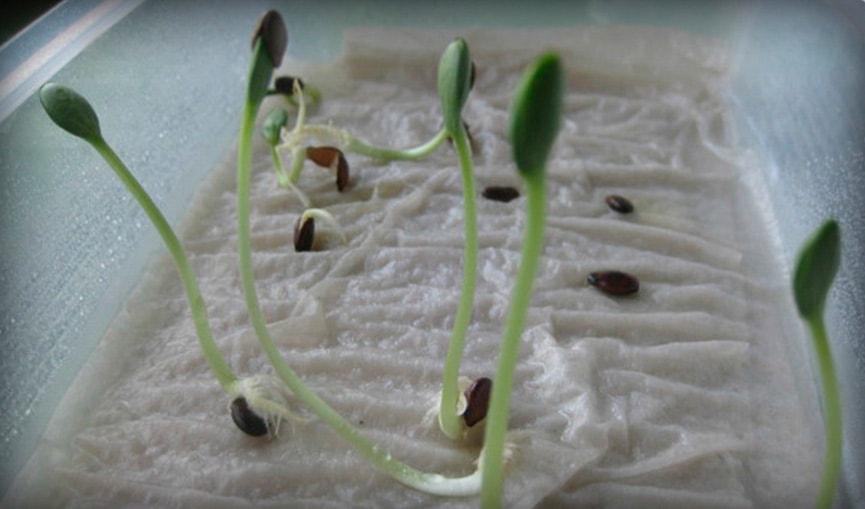
- Uniform germination. Sprouted seeds germinate simultaneously—8-10 days after planting.
- Disease resistance. Soaking strengthens the seeds and makes them less susceptible to fungal and viral diseases.
Flaws
The main drawback of pre-sprouting vegetables is considered to be its difficulty. Therefore, some vegetable growers plant unsprouted cucumbers in their gardens.
How to speed up the germination of cucumber seeds?
There are several methods that help speed up the cultivation of seed material.
Stimulation
To stimulate growth, special stimulants are often used, such as:
- Epin-Extra. The preparation is made into a solution, in which each seed is soaked for 20 minutes.
- "Zircon." To prepare a mixture for treating the seed, add 5 drops of "Zircon" to 400 milliliters of water. Soak for half an hour.
Soak
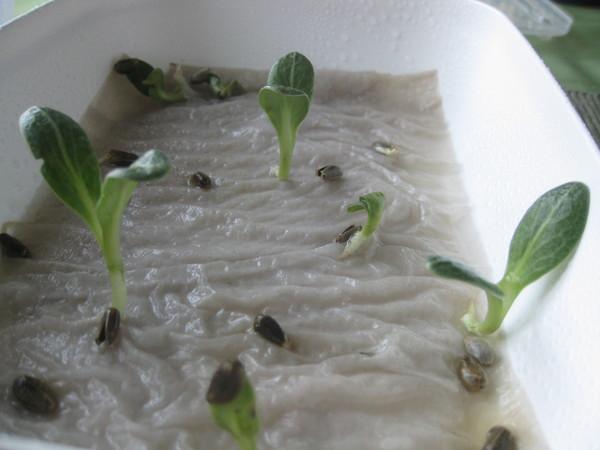
Soaking is considered the simplest method for accelerating the emergence of the first seedlings in the garden. Using this method, the germination time is reduced by three days. To soak, all the seeds are placed in a container of warm water. The water should be heated to 25-27 degrees Celsius. You should not soak cucumbers in cold water, as this will negatively affect germination.
Warming up
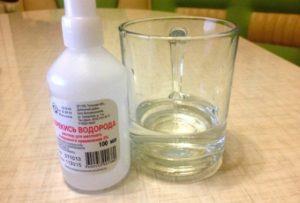
Another method used to speed up the germination of planted cucumbers is pre-sowing heating. To warm the seeds, place them on a sunny windowsill for a day. You can also use an ultraviolet lamp, which is considered a good substitute for sunlight. Experts advise against prolonged heating with the lamp; 3-5 minutes of daily exposure is sufficient.
Calibration
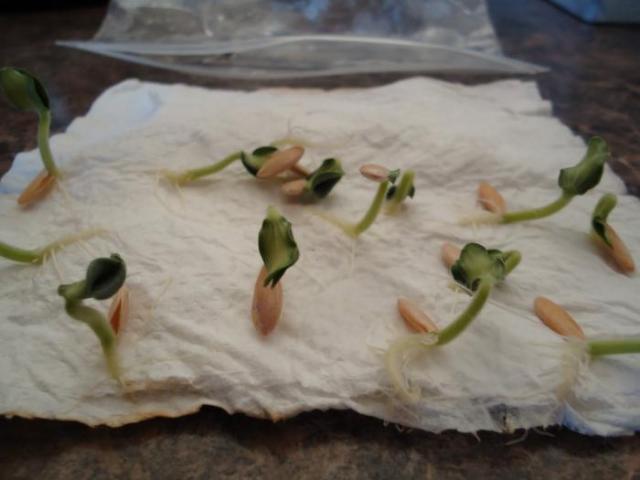
Before planting vegetables, you need to calibrate the seeds. This procedure is performed to select seeds that will grow well. To do this, pour water heated to 20-25 degrees Celsius into a small cup. Then, add the seeds to the container and let them soak for 35 minutes. Good seeds will settle to the bottom, while poor-quality ones will float.
Etching
To prevent future diseases, treat newly planted cucumbers with potassium permanganate. Experts recommend using a 2% solution, which won't harm the seeds. Don't soak the cucumbers in the potassium permanganate for too long; 10-15 minutes is sufficient. After treatment, rinse with plain water and dry.
Hardening
Before planting, cucumbers need to be hardened off to acclimate them to temperature fluctuations. To do this, place the seeds in a refrigerator for 10-15 hours, where the temperature is maintained at 1-2 degrees above zero. Then, remove them and transfer them to a room with a temperature of 20 degrees Celsius. This procedure should be repeated 2-3 times in the two weeks before planting outdoors.
Bubbling
Bubbling is used to speed up the germination of cucumbers. This technique involves soaking the seeds in a container of water for an extended period of time. This exposes them to oxygen-rich air bubbles. The cucumber bubbling time should not exceed three hours.
What preparations should be used to stimulate plant growth?
There are several products that can speed up the germination of cucumber seeds. These include:
- Kornevin is a popular product used not only to stimulate plant growth but also to protect seedlings from diseases. To create a solution, add 2 grams of Kornevin to a liter of liquid. The seeds are treated once 2-3 days before planting.
- Silk. Used to treat tomato, pepper, and cucumber seeds. Silk improves the development of vegetable crops and increases their yield. It also boosts the plant's immunity and protects against fungal diseases.
- Sodium humate. To prepare a solution for sprouting seeds, add 55 grams of the solution to five liters of heated water. Let the mixture steep for about 5-6 hours before use.
How to quickly germinate seeds: methods and technologies
To quickly sprout cucumbers, special technologies and techniques are used, which should be familiarized with in advance.
The soil-free toilet paper method
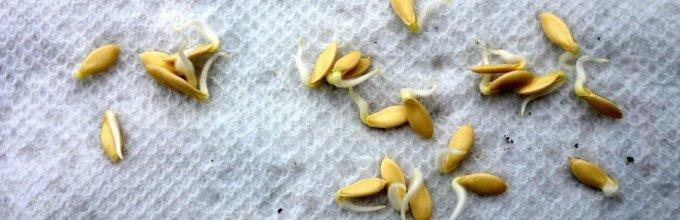
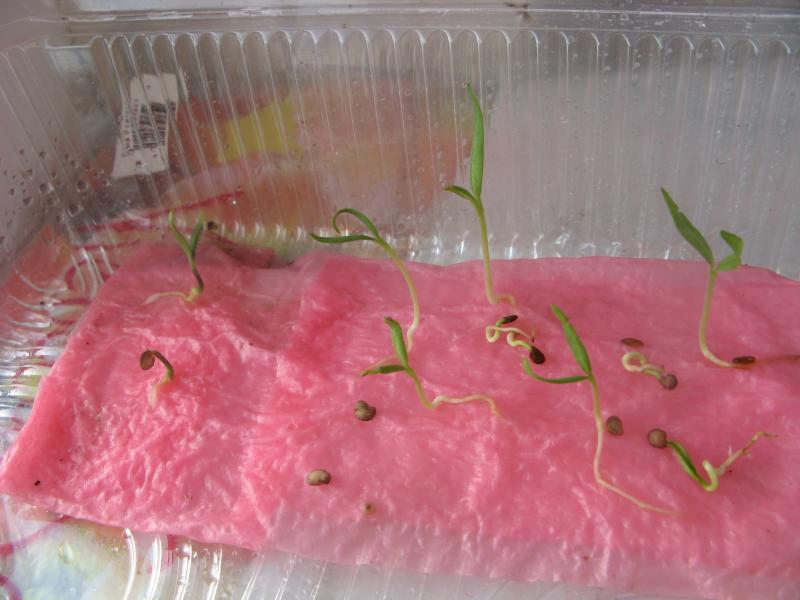
Toilet paper contains components that positively affect cucumber growth. It contains cellulose and other polysaccharides, which act on plants in the same way as organic fertilizers. Before germination, the paper is spread out on a flat surface and sprayed with water. Then, seeds are laid out in a row on the paper, covered with a sheet, and rolled into a roll. After a few days, the cucumbers will begin to sprout.
We plant seeds in peat tablets
A peat tablet is compressed peat shaped like an oval disk. Each tablet has small holes in the surface where the seed is placed. Before use, the peat tablets are placed in a container of water and soaked for about 10 minutes. Once they have doubled or tripled in size, seeds are placed in the holes and covered with peat.
Planting cucumbers in peat pots
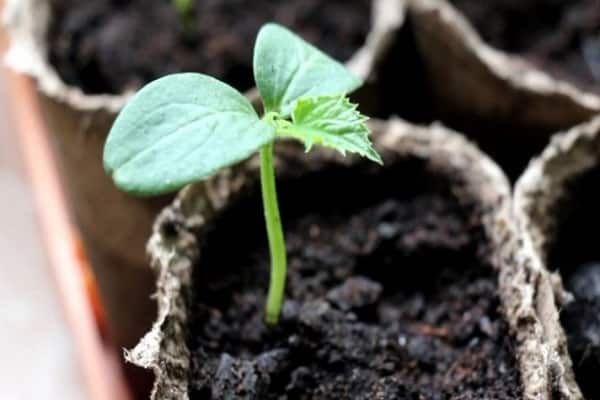
Some gardeners use a special peat pot to grow seedlings. It's filled with a soil mixture that includes not only soil but also organic and mineral nutrients. Then, they make holes in the soil and plant the sprouted cucumber seeds in them.
On a damp cloth
Another common method for sprouting cucumbers is using a damp cloth. The seeds are carefully spread out on the cloth surface. Then, warm water is poured over the seeds. It's crucial not to use boiling water, which can ruin the seeds. The seeds are then covered with another piece of damp cloth. Germination in the cloth takes 4-5 days.
Growing cucumbers in a roll-up
Growing seedlings in a roll-up is a relatively new technique that allows you to grow strong seedlings.
This method can be used not only when planting cucumbers, but also other vegetable crops.
A plastic film is spread on the surface, covered with paper, and watered. Then, seeds are placed 4-6 centimeters apart. The paper-plastic strip is then carefully rolled into a roll.
Planting seeds in cups
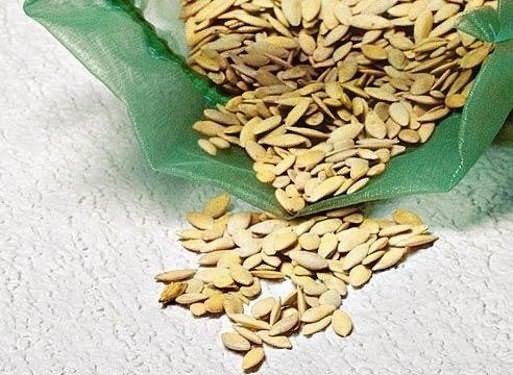
Many vegetable growers sow seeds in cups. Before sowing, small holes are made in each container to allow oxygen to penetrate the soil. The cups are then filled with soil mixed with fertilizer. The seeds are planted at a depth of 1-2 centimeters.
Sowing cucumbers in coconut substrate with boiling water
Coconut substrate, made from coconut coir and coconut fiber, is considered a good option for growing cucumber seedlings. Before use, the coconut coir pellets are soaked in boiling water to swell. Then, the seeds are planted.
How to properly germinate cucumber seeds at home
It is necessary to familiarize yourself with the basic features of growing cucumbers at home.

Optimal temperature
When growing cucumbers, you need to pay attention to temperature conditions. It's important to ensure that temperatures don't drop below 20°C (80°F). You should also ensure that the air temperature doesn't exceed 25-26°C (77-89°F). High temperatures slow down seed germination and prevent seedlings from developing normally.
Humidity and lighting
Cucumbers are sun-loving vegetables, so they should be planted in well-lit areas. In gardens, choose areas that receive consistent sun. Shaded areas are unsuitable, as the seedlings grow more slowly there.
Air humidity should not exceed 80%, since plants are more likely to get sick when the humidity is too high.
Fertilizing and watering
Cucumbers require periodic soil moisture, as without it they won't grow. Water the seedlings three times a week with warm water. Avoid using water that's too hot or too cold, as this can damage the root system.
The bushes are fertilized with mineral fertilizers that contain a lot of phosphorus, phosphate, calcium, magnesium and potassium.
Protecting crops from pests and diseases
To prevent cucumbers from getting sick and being attacked by insects, regularly treat them with Baktofit, Fitolavin, or Ordan. Spray the seedlings in the evening or morning.
On what day do cucumber seeds germinate?
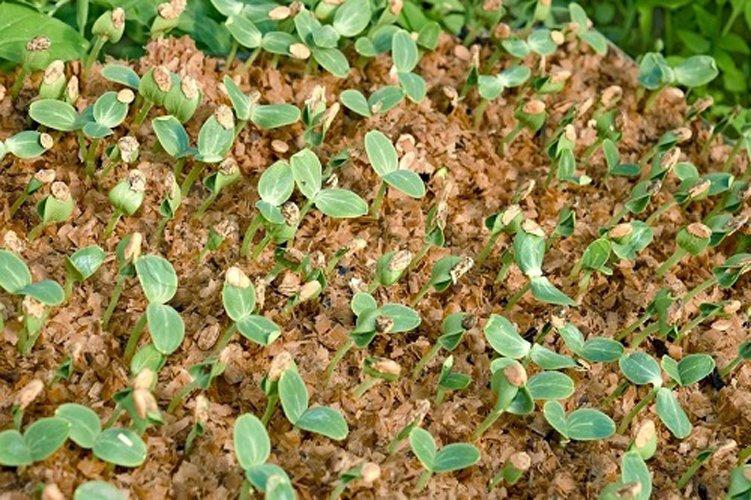
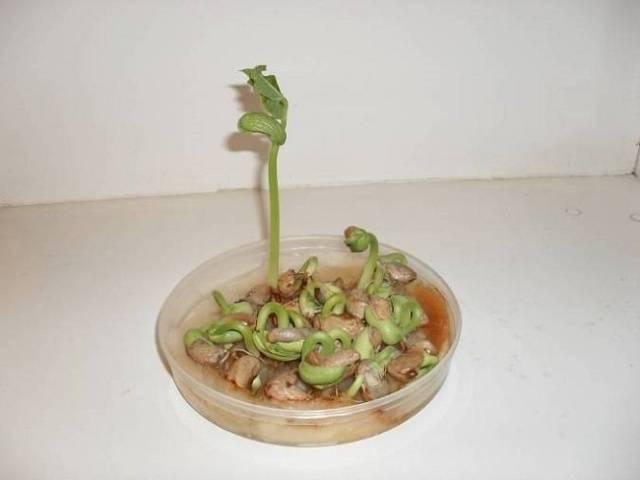
Many gardeners wonder how many days it takes for cucumber seeds to germinate. It all depends on the germination method used and the conditions created. If done correctly, the seeds will begin to sprout within 5-7 days. However, some cucumber varieties sprout 1-2 days earlier.
Why they don't hatch: reasons and ways to restore growth
Some vegetable growers are having trouble germinating cucumbers because they fail to sprout. This problem most often occurs when using poor-quality seedlings. Germination can also be delayed if vegetables are grown in cold rooms with poor lighting.
Conclusion
Before growing cucumbers, you need to germinate the seeds. Before doing so, you should familiarize yourself with the benefits of sprouting, as well as common methods for accelerating the growth of seedlings.
Related posts:
 Is it possible to soak treated cucumber seeds before planting and how to do it correctly?
 Description of unusual methods for planting and growing cucumbers
 How to properly plant cucumber seedlings in a greenhouse and care instructions
 Description of the best varieties of Chinese cucumbers, planting, growing and care
 How to care for cucumbers in open ground from planting to harvesting
 How to soak cucumber seeds before planting and is it necessary?
 How to properly plant cucumbers in open ground with seeds, and at what depth
 How to properly prepare cucumber seeds for sowing in open ground