
- Basic rules for pre-sowing treatment
- Calibration
- Preventive disinfection of cucumber seeds
- Warming up
- Bubbling
- Hardening cucumber seeds in the refrigerator
- How to Properly Prepare Cucumber Seeds for Planting: Nuances and Technology
- For open ground
- For indoor use
- How to germinate cucumber seeds for seedlings?
- Agrotechnical techniques to improve germination
- Shelf life of cucumber seeds
- When to sow seeds for seedlings
- What kind of soil is suitable for planting cucumbers?
- Recommended sowing depth in the soil
- Temperature and light conditions for growing cucumber seedlings
To get a decent, strong, and viable harvest from a cucumber seed, you need to put in the effort. One of the key factors in achieving this is proper preparation. cucumber seeds for subsequent sowing in open groundThe quality of the seedlings, as well as the quantity of fruits and their taste, depend on this.
Basic rules for pre-sowing treatment
Pre-sowing treatment of cucumber seeds involves a number of procedures. These include:
- identification of empty and underweight seeds;
- calibration;
- disinfection of the surface of seeds;
- warming up, for faster obtaining of the first shoots;
- top dressing;
- germination;
- hardening, so that no temperature changes are scary.
To select the perfect cucumber seeds, they need to be prepared first. First, select the empty and underweight seeds.
To sort, pour a liter of water into any container, add a spoonful of salt, and stir the liquid.
Then, the seeds should be dipped into the resulting solution. Those that float to the surface are empty or underweight, so they can be safely discarded along with the water. They are unusable. The rest are removed and sent to dry.
Calibration
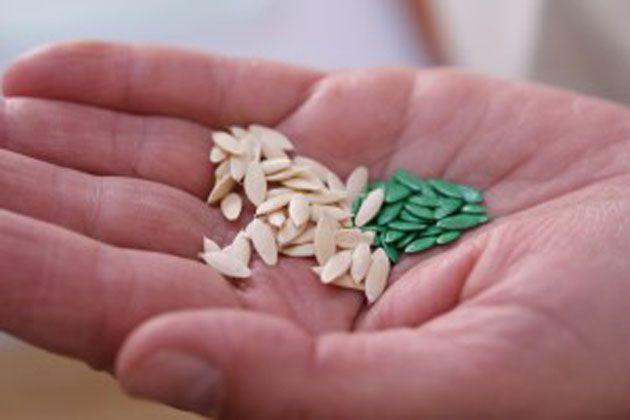
Calibrating seeds means sorting them by size and density. It's not uncommon for the same variety to have seeds of varying sizes. This doesn't mean you should throw out the small ones, they're of poor quality, and unsuitable for planting—it's just important to sort them. This will help with planting.
Preventive disinfection of cucumber seeds
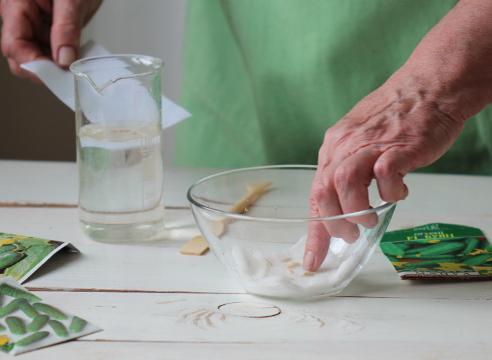
Disinfecting cucumber seeds eliminates all potential parasitic microorganisms that may have infected the crop. This procedure is performed using a strong potassium permanganate solution applied to the crop.
First, the seeds are soaked in a prepared solution containing potassium permanganate for twenty minutes, then rinsed with plain water. Finally, they are allowed to dry. This simple procedure will kill any parasites and disinfect the crop.
In addition to the suggested methods, ready-made treatments can be used for crop treatment. Fitosporin-M is quite effective, helping to effectively combat many diseases hidden in cucumber seeds. In this case, treatment takes one hour.
Warming up
The warming stage is essential for seeds, as it accelerates the germination process. In this case, simply keeping cucumber seeds near a radiator or other heating device can help. This warming process lasts for one month.
If you don't have that much time, you can thoroughly warm the seed at 50 degrees Celsius. This process will take three hours. After that, the seed is ready for planting. It will then yield a bountiful harvest, even earlier than expected.
Bubbling
The bubbling method involves exposing the seeds to oxygen for a period of time. This is necessary to remove the protective layer from the seeds, thereby accelerating their germination after planting.
In this case, the sprouts begin to germinate faster and better than without bubbling. The difference is usually about eight days. This procedure can be done at home using a liter jar and an aquarium air pump.
Hardening cucumber seeds in the refrigerator
Hardening off allows the crop to effectively withstand various temperature conditions. To do this, wait until the cucumber seeds have sprouted slightly and then place them in the refrigerator for one day, on the very bottom shelf. This will be enough to harden them off. Then you can proceed to sowing.
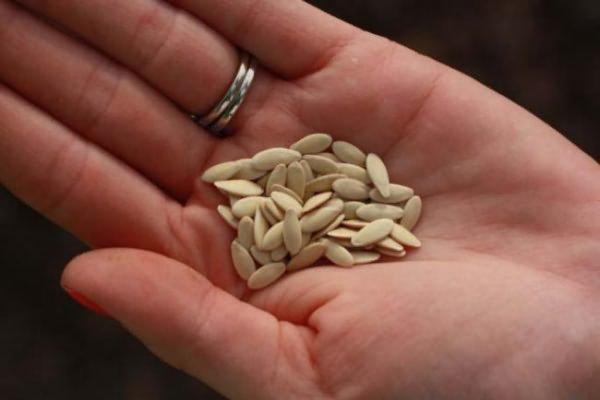
How to Properly Prepare Cucumber Seeds for Planting: Nuances and Technology
Before planting cucumber seeds, you should decide whether you plan to use open or closed soil. This is important, although many gardeners agree there are no fundamental differences.
For open ground
Seeds that will be grown outdoors should be prepared according to the previously described procedure. Cucumber seeds should be tested a month before planting. To identify large hybrids, soak the seeds in a solution with regular table salt for five minutes.

Those that float to the surface are unsuitable for planting. Those remaining on the bottom are dried and prepared for planting in the ground. To ease their adaptation period, it's best to feed the seeds with a vitamin-rich fertilizer, then rinse and wrap them in any thick cloth. Leave the seeds in a dark place for five days.
For indoor use
When preparing seeds for planting indoors, it's important to consider the specific climate created by a greenhouse. This includes increased humidity, dense plantings, and a different temperature than in open ground. As a result, any fungal diseases will spread more quickly. Therefore, one of the most important steps in seed pre-treatment is disinfection.
Take a look Also
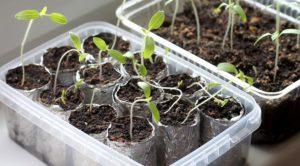
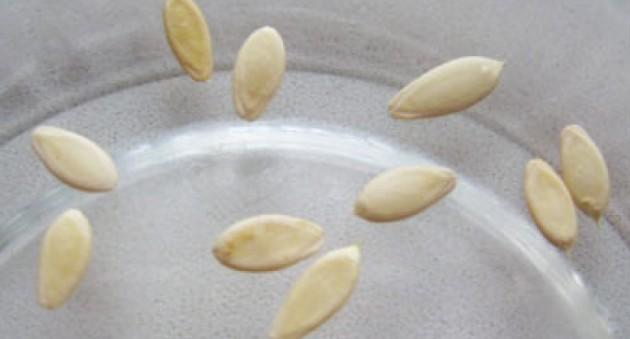
For this, use a potassium permanganate solution or boric acid. Afterwards, the seeds must be rinsed and then dried. They can also be treated with ultraviolet light for three minutes. Then place them in a bag and seal it tightly.
Another important procedure for pre-sowing planting of seeds in closed ground is warming up.
This will help the plant form as many female flowers as possible. After that, you can begin growing them.
How to germinate cucumber seeds for seedlings?
In most cases, germination is accomplished in one way. Place damp cheesecloth on a plate and place the seeds on it. Store them for three days, after which they will be ready for planting.
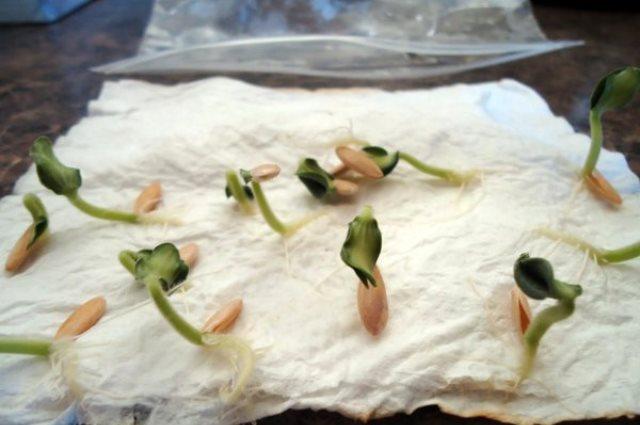
It's not advisable to grow dry seeds, as the emerging seedlings will be more vulnerable, prone to injury, and grow slowly. Some gardeners and horticulturists immerse the seeds in water. It's important not to overwater them during germination. Otherwise, they will suffer from a lack of oxygen, begin to deteriorate, and fail to germinate.
If you want to soak the seeds for germination, use melted or boiled water and hydrogen peroxide. It's best to soak a cotton cloth in this solution, then place and wrap the cucumber seeds in it. Place the cloth in a bag to maintain the required temperature, and germination will occur within three days.
Agrotechnical techniques to improve germination
To speed up and prepare seeds for planting and subsequent germination, you can use a technique called scarification. This procedure involves breaking the seed coat using thermal, mechanical, or chemical means.
Mechanical processing involves crushing the seeds using stones or coarse sand. Thermal scarification involves placing the seeds in a cloth bag, which is then immersed in cold water and then in hot water. Seeds whose shells burst will germinate quickly.
Chemical treatment involves the use of acids. However, this method is rarely used by gardeners, as it is considered unsafe.
Shelf life of cucumber seeds
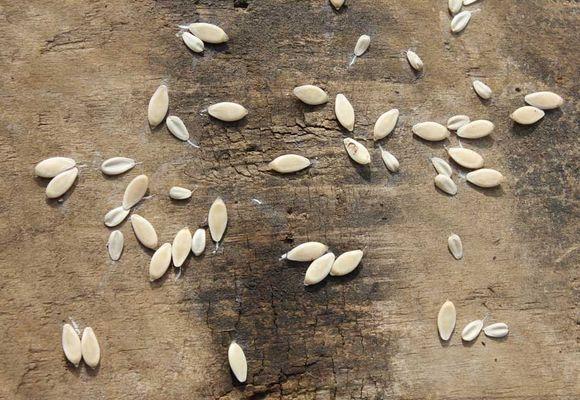
An important factor in selecting cucumber seeds is their shelf life. If they've been stored for up to two years, the crop will produce more male flowers. If they've been stored for more than three years, the plant will be covered in female flowers.
If the seeds have been well dried and ripened, they can subsequently go into a dormant state and be stored for up to seven years.
When to sow seeds for seedlings
Cucumbers are fast-growing plants. Therefore, their seeds should be sown in late April. However, seeding should begin as early as the 20th of that month.
If the seedlings will be growing in a greenhouse, the seeds are planted two weeks earlier than the designated time. This will ensure a good early harvest.
What kind of soil is suitable for planting cucumbers?
Soil quality is important when planting cucumbers. It needs to be rich in minerals and nutrients. Cucumbers have a weak root system, so they won't tolerate heavy soil. The soil should be well-drained and well-ventilated. Ideally, the soil should be rich in humus.
Recommended sowing depth in the soil
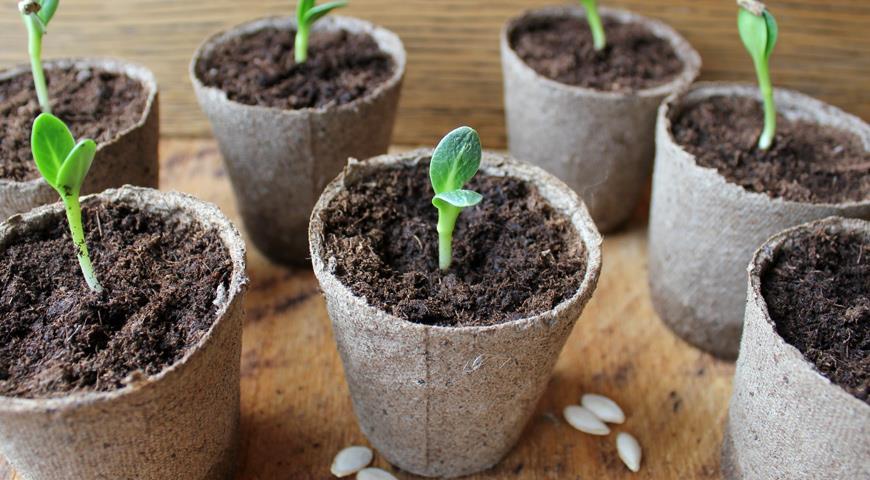
When planting, small seeds are buried at a shallow depth—up to one centimeter. Large seeds, however, can be planted at a depth of 1.5 centimeters. When transplanting this crop into the soil, it should be planted at a depth of three to five centimeters.
Temperature and light conditions for growing cucumber seedlings
The optimal temperature for subsequent seedling growth is considered to be 25-28 degrees Celsius. The same recommendation applies to the seedling growth period. The crop is then moved to a cooler location, where the temperature does not rise above 20 degrees Celsius.
Lighting should also be adequate. If it's insufficient, special lamps are used. By following these conditions, you can get a wonderful harvest from your cucumber seeds.
Related posts:
 Is it possible to soak treated cucumber seeds before planting and how to do it correctly?
 Carrot care guidelines for outdoor cultivation to ensure a good harvest
 How to properly plant cucumbers in open ground with seeds, and at what depth
 How to soak cucumber seeds before planting and is it necessary?
 How to prepare tomato seeds for planting seedlings
 Description of unusual methods for planting and growing cucumbers
 How to quickly germinate cucumber seeds before planting at home
 Description of the best varieties of Chinese cucumbers, planting, growing and care