
- Why treat seeds before planting?
- Preparatory work
- Calibration and sorting of seed material
- Preparation of containers and materials
- When should the procedure be performed?
- Disinfection
- Treatment with Fitosporin
- Potassium permanganate
- Hydrogen peroxide
- Vodka and alcohol solution
- Baking soda
- Folk remedies for accelerating seed germination
- Onion peel infusion
- Aloe juice
- Potato juice
- Honey tincture
- Ash solution
- Succinic acid
- Mustard
- Treatment with bioactive substances
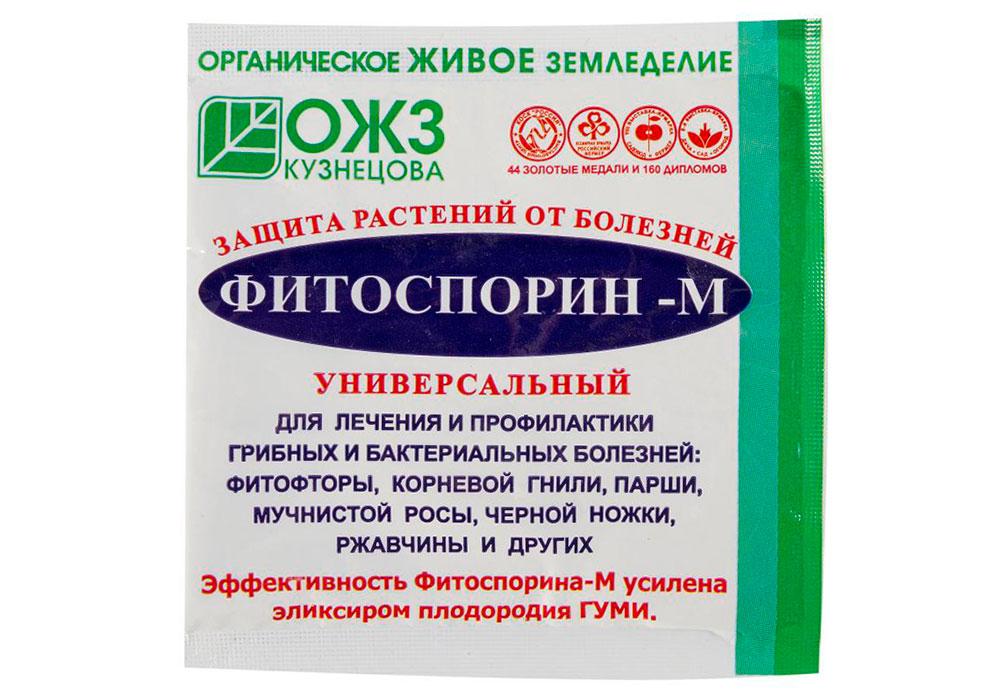
- Fitosporin
- Baikal EM
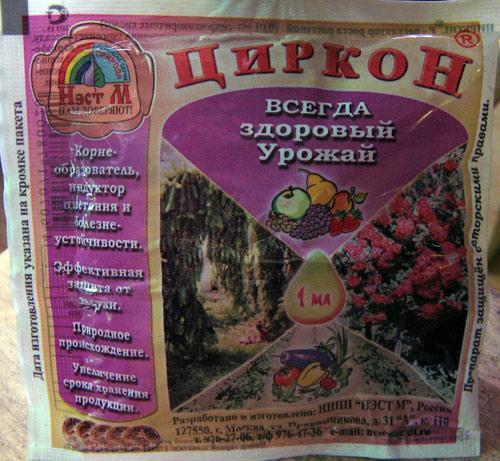
- "Zircon"
- The nuances of soaking seeds in Epin
- Methods
- Dosage and solution preparation
- Instructions for use
- Hardening
- In the refrigerator
- Under natural conditions
- Heat treatment
- Bubbling
The key to a future vegetable harvest is choosing the right seeds. If you want to grow strong, disease-resistant tomatoes, you need to properly prepare tomato seeds for planting. This includes a number of steps, including sorting and disinfection. It's important to help the seeds germinate quickly so they have time to produce high-quality shoots.
Why treat seeds before planting?
It is necessary to prepare planting material for sowing in order to:
- select viable seeds;
- enhance the protective properties of tomatoes;
- prepare plants for temperature changes.
By pre-planting, gardeners ensure everything necessary for the growth and development of tomato seedlings. After all, they often use seeds they collected themselves. These need to be disinfected as potential carriers of infection. It's best to use seeds that have been stored for two years.
Properly treated containers and soil for seedlings play a major role in seed germination and subsequent tomato health.
Preparatory work
They begin preparing for tomato planting well in advance. They buy seeds from a specialty store. This saves them the trouble of processing them. However, if the planting material is from their own harvest, they begin sorting the seeds, selecting the best ones.

Calibration and sorting of seed material
Pre-sowing work begins with removing bags of dried tomato seeds. They are sorted, removing small and damaged ones. To ensure all the seeds are preserved and will germinate, calibration is performed. To perform this procedure, a salt solution of 30-50 grams per liter of water is poured into a bowl. Add the seeds in small batches.
Floating seeds are removed as unsuitable for planting. The seeds should be soaked in a concentrated solution for 10-15 minutes. The seeds that fall to the bottom of the container are of good quality. They are collected by straining them through a sieve, washed under running water and dried by placing them on a sheet of paper.
Preparation of containers and materials
The following containers are chosen for planting tomatoes:
- wooden boxes;
- containers;
- peat cups and tablets;
- disposable cups;
- clay pots.

If peat containers don't require disinfection, wooden and ceramic containers can be disinfected with boiling water or a potassium permanganate solution. Cups can be disinfected with a solution of potassium permanganate or boric acid. The soil is prepared in the fall, and in the spring, a nutrient-rich mixture of humus, peat, and garden soil is created. The soil should be doused with boiling water or baked in the oven.
When should the procedure be performed?
All seed preparation work should be carried out 1.5-2 months before planting. If the planting dates tomatoes are determined by the lunar calendar, then you need to calculate the timing of the preparatory work. The best time to sow tomatoes is when the Moon is in the signs of Taurus, Pisces, and Scorpio.
A good harvest is obtained when the sun is in the constellation Capricorn. The optimal time for planting tomatoes is early to mid-March. The soil and containers are prepared 2-3 weeks in advance, including disinfection. After this, the soil is allowed to become enriched with beneficial microorganisms.
Take a look Also

Disinfection
Disinfecting tomato seeds is essential. Without this procedure, a high yield will be impossible. Harvested tomato seeds can be contaminated with fungal and bacterial infections. Microorganisms remain viable in the seeds and become active under favorable conditions.
It's not hard to find a solution for treating planting material. There are plenty of disinfectants available.
Treatment with Fitosporin
Fitosporin contains bacterial spores that destroy pathogenic microorganisms. Seeds treated with the product are coated with a special film, protecting them from late blight and powdery mildew.
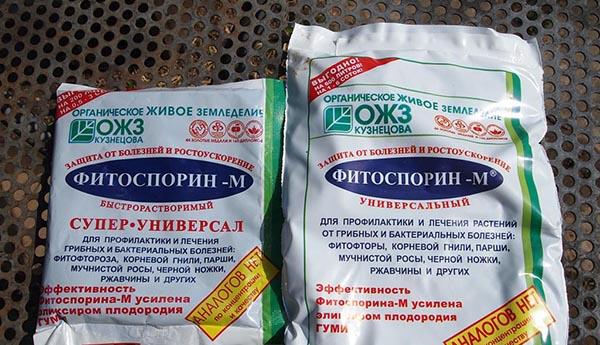
To soak tomato seeds, dissolve 1 teaspoon of the paste or powder in a glass of water. The water temperature should be no higher than 35 degrees Celsius. Let the liquid steep for 30 minutes, then soak the tomato seeds in a linen bag for 2-3 hours.
Potassium permanganate
Many gardeners use potassium permanganate as a seed dressing before planting. The product copes well with the destruction of bacteria on the surface of planting material. But it doesn't penetrate the surface. Therefore, it's necessary to use other solutions in conjunction with potassium permanganate. Treatment with a 1% solution is carried out for 30-45 minutes. A solution of this concentration is prepared by adding 1 gram of crystals to 100 milliliters of water, or 1 teaspoon to 3 cups.

Hydrogen peroxide
Soak tomato seeds in hydrogen peroxide before planting in order to:
- strengthen the immunity of future plants;
- destroy pathogenic fungi and bacteria;
- speed up germination.
To prepare the required solution, dilute 1 tablespoon of hydrogen peroxide in 0.5 liters of water. Let the material sit for 12 to 24 hours.
Vodka and alcohol solution
Vodka or diluted alcohol is also used for disinfection. Place tomato seeds in a cheesecloth bag and soak them in the prepared solution for 15 minutes. This will soften the hard shell, allowing the tomatoes to germinate faster. Alcohol also kills any pathogens inside the seeds. After the procedure, be sure to rinse the seeds thoroughly and spread them in a thin layer on paper to dry.
Baking soda
Soaking vegetable seeds in baking soda is an excellent preventative against infections. Prepare a weak solution of one teaspoon of baking soda per liter of water. Let the seeds soak for 24 hours to ensure optimal disinfection. After soaking, rinse and dry the planting material.
Folk remedies for accelerating seed germination
After the planting material has been disinfected, it needs to be fertilized to speed up the emergence of strong seedlings. Here, the methods tried and tested by gardeners come to the rescue.
Onion peel infusion
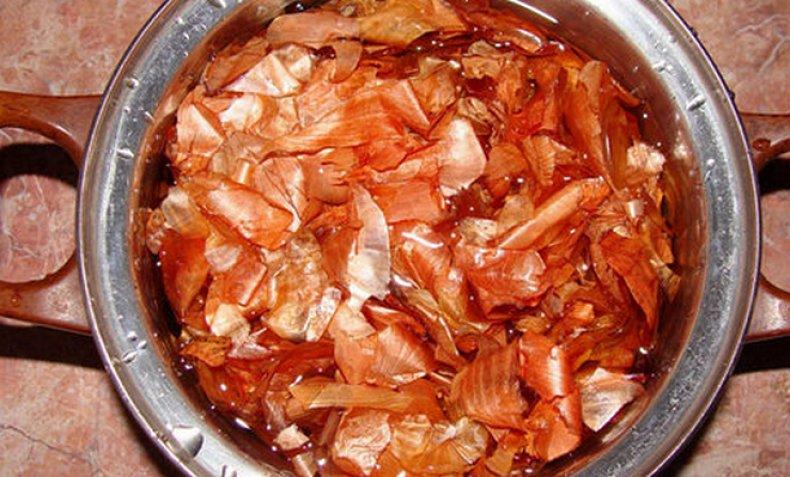
To soak tomato seeds, use an infusion of onion peels. Prepare it in advance. Place a handful of peels in a container and pour 500 milliliters of boiling water over them. The infusion is steeped for three days. Leave the seedlings to soak for three to four hours. This will allow them to absorb the necessary nutrients. A teaspoon of wood ash is often added to the solution.
Aloe juice
Applying aloe juice to tomatoes before planting will have a beneficial effect on the plants: it has an immunomodulatory, bactericidal, and growth-stimulating effect. 100% germination is ensured by soaking the seeds in aloe juice. The solution is prepared from the lower leaves of a three-year-old tree. After keeping the fleshy leaves in the refrigerator for a week, squeeze out the juice and dilute it 1:1 with water. Place the bag containing the seeds in the juice for 10-12 hours. Afterwards, dry the treated material without rinsing.
Potato juice
The nutrients in potato tubers are essential for improving tomato germination. Raw potatoes are first frozen. Then, they are cut into small pieces and juiced. The seeds are then soaked in the juice for 12 hours.

Honey tincture
Biogenic honey stimulants will allow you to see friendly shoots in 3-4 days. Dissolve a teaspoon of honey in 0.5 cups of warm water. Place tomato seeds on a napkin placed on a saucer. Drizzle the honey solution over them. Cover with a napkin, and drain off any excess liquid. The procedure is complete after 2-3 hours. If the napkin begins to dry out during this time, gradually add more of the sweet infusion.
Ash solution
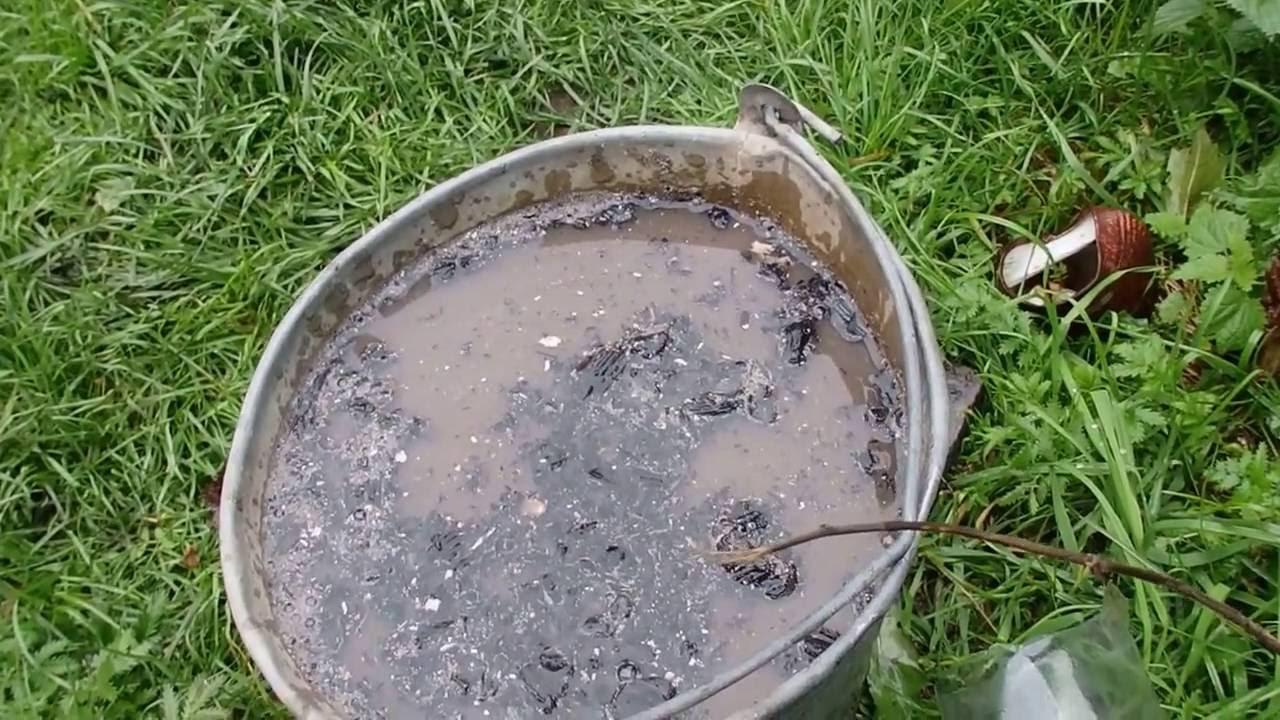
As a source of essential elements—phosphorus, potassium, and calcium—ash is also used to accelerate tomato growth. Two tablespoons of the mixture are dissolved in a liter of water and left for two days. After straining, a bag containing seeds is dipped into the solution. After 3-5 hours, the seeds are removed, dried, and planted in the soil.
Succinic acid
Succinic acid stimulates seedling growth. The solution is prepared by dissolving one acid tablet in a liter of water. The seedlings should be soaked in the solution for at least 12 hours. After this, they are dried and planted in the soil.
Mustard
Mustard powder is dissolved in water, and a bag of tomato seeds is dipped in it. This stimulates growth and warms the seed coats, which will help tomato sprouts emerge more quickly. The proportions for the mustard solution are one teaspoon per 0.2 liters of warm water. The bag of seeds is dipped in after the powder particles have almost completely dissolved. Leave the seeds in the growth stimulator for up to three hours.

Treatment with bioactive substances
You can revive tomato seeds using special ready-made products. These products contain components that accelerate tomato germination.
Fitosporin
A microbiological preparation containing beneficial bacteria not only boosts the immunity of vegetable plant embryos but also accelerates seedling germination. Immunoactive factors produced by Bacillus subtilis protect tomatoes from damage and promote their growth.
The seeds are placed in a linen bag and dipped into a bioactive solution for 10-12 hours. Prepare the solution by adding 3-4 drops of concentrate to half a glass of warm water. The water temperature should be around 35 degrees Celsius. Let the solution sit for 2 hours before use to activate the Bacillus subtilis.
Baikal EM
The product contains lactic acid bacteria, which promote lush tomato growth. Dissolve 5 drops of the liquid product in a glass of water. It's best to soak the seedlings for 1-2 hours. After this treatment, even overdried seeds will sprout.
"Zircon"
The product is used to regulate seedling growth and improve fruit quality. Soaking seeds in the biostimulant will accelerate germination. Add 1-2 drops of "Zircon" to a container with 300 milliliters of water. Soak the seeds for 8 to 16 hours. Remember that the substances in the prepared solution need to activate. This requires warm water and 1-2 hours.
The nuances of soaking seeds in Epin
The effect of Epin Extra on seeds is compared to the effect of ginseng on the human body. To achieve the desired results from your tomato harvest, you need to properly treat the seeds before planting.
Methods
Representative brassinosteroid hormones are produced in ampoules of 1 and 5 milliliters. When using the preparation for tomato seeds, the resources contained in the planting material are strengthened. This allows seedlings to emerge more quickly. They develop fully, growing into plants capable of producing high yields.
The product stimulates seed growth when soaked. And by irrigating the soil with an Epin solution, you can stimulate the seedlings after planting.

Dosage and solution preparation
For tomato seeds, the dosage of Epin is as follows: 4 drops per 100 ml of water. Prepare the solution using boiled water cooled to 35 degrees Celsius. Do not use metal utensils when preparing the solution. Epin's healing properties are lost in light and alkaline environments. Be sure to dilute the solution to a minimum concentration. How long to soak tomato seeds in Epin depends on their degree of dehydration.

Instructions for use
Do not use food containers to prepare the growth stimulator. Add the seeds 30 minutes after dissolving the drops in water. Place the seeds in a cheesecloth or linen bag in the solution and leave for 12 to 18 hours. Then dry the seeds and plant them in the soil.

Hardening
Gardeners debate whether tomato seeds need to be hardened off. The benefit of this procedure is that the seedlings can easily survive low temperatures after being planted outdoors. However, it's important to properly keep the seeds cold to avoid damaging the entire planting stock.
In the refrigerator
Hardening off tomato seeds should be done after soaking. Place the seeds on a plate and place them on the bottom shelf of the refrigerator. The temperature should not fall below 2°C (37°F). After 12 hours, remove the plate and keep it in a room with an air temperature of 20-22°C (68-72°F) for 12 hours. Repeat this process 2-3 more times.

Under natural conditions
It can be hardened and tomato seeds in the snowThis method requires that there be no severe frost outside. The bag containing the seedlings is placed in a wooden box, covered with snow, and placed outside for no more than 12 hours. Alternatively, the seeds can be placed in a cellar or basement where the temperature is cooler.
Heat treatment
A week before planting, warm the seeds to promote germination. To do this, place them in hot water, adding more as they cool. It's best to place the bag containing the seedlings on a radiator for three days. This will prevent the seeds from drying out and keep them viable.
 The action of hot air or water awakens the internal forces of tomato seeds, giving them the opportunity to germinate rather than sit in the ground for a long time.You can alternately soak tomato seeds in hot water for 2 hours and then in cold water. This will help future plants be resilient to extreme weather conditions.
Bubbling
Tomato seedlings appear en masse if the seed material is bubblingThe procedure involves saturating the material with oxygen using a special device. After placing the seeds in a container of water, an aquarium air pump is inserted. The seeds should fill a quarter of the water at a temperature of 20 degrees Celsius.
When air bubbles from an aquarium compressor circulate through the water, the seeds move, becoming saturated with oxygen. For tomatoes, 12 hours of this treatment is enough to enhance their germination. After this treatment, the seedlings will be strong, successfully grow, and produce delicious fruits.
Related posts:
 Carrot care guidelines for outdoor cultivation to ensure a good harvest
 What is the best way to feed tomato seedlings to make them plump?
 Is it possible to soak treated cucumber seeds before planting and how to do it correctly?
 How to soak cucumber seeds before planting and is it necessary?
 What fertilizers and when to use for feeding tomatoes in a greenhouse
 How to properly prepare cucumber seeds for sowing in open ground
 Rules for growing tomatoes in open ground, choosing a variety, planting and care
 How to plant, grow, and care for tomatoes in a polycarbonate greenhouse