
- The main mistakes that lead to disastrous results
- Too dense sowing
- Unsuitable soil
- Incorrect irrigation of seedlings
- Excess moisture in tomato seedlings
- Irrigation deficit
- Errors when picking
- Clogged drainage holes where seedlings are planted
- The influence of external factors on seedlings
- Violation of temperature regime
- Lack or excess of light
- Drafts
- Pests of tomato beds
- Diseases of tomato seedlings
- Blackleg
- Fusarium
- Rot
- Brown spot
- Mosaic
- Aspermia
When tomatoes aren't feeling well, the plants wilt, the leaves turn yellow, and if left untreated, the shoots dry out. Tomatoes thrive in warmth, but in extreme heat, they don't absorb nutrients. Tomato seedlings require good light but can also be burned by direct sunlight. Tomatoes respond well to fertilizer, but if there are too many micronutrients, they begin to turn yellow, require irrigation, and if water stagnates, the roots rot. The appropriate course of action depends on why the tomato seedlings are dying.
The main mistakes that lead to disastrous results
Tomato seedlings and young plants dry out when proper agricultural practices and care are neglected. The plants become vulnerable to pests and unable to fight off diseases.
Too dense sowing
Seedlings stretch and stems stop developing when tomatoes lack space, ventilation, light, and nutrients. This happens if the seeds are sown too densely. After thinning, the tomatoes begin to develop, the excess plants are transplanted into another container, and they quickly take root.
Unsuitable soil
Beginning gardeners worry about what to do if their seedlings have fallen over. Seedlings can't grow well in heavy soil. The soil, clumped together, doesn't allow air to pass through. To improve the soil structure, add vermiculite, and reduce acidity with ash. If possible, it's best to transplant the growing tomato plants to a looser substrate.
Incorrect irrigation of seedlings
Before germination, it's best to regularly moisten the soil around the seedlings with a spray bottle. When the soil dries out, the leaves droop. Water the dry soil, and the tomatoes will revive.
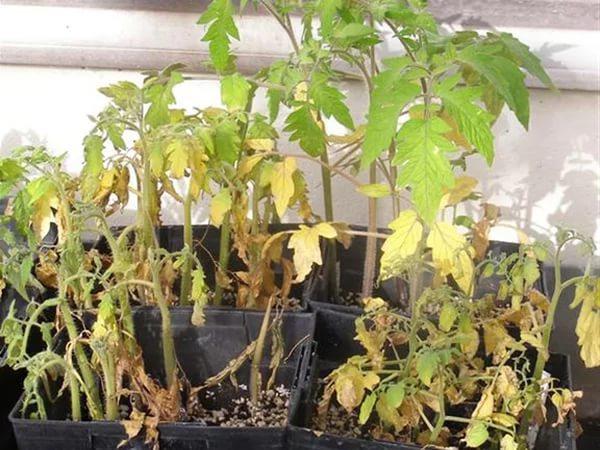
Excess moisture in tomato seedlings
Seedlings shouldn't be watered frequently or excessively. Neither a shortage nor a large volume of water provides benefits to the plants.
In case of over-irrigation:
- Moisture stagnates.
- The roots are rotting.
- The seedlings are dying from black leg.

To prevent overwatering, first fill the tomato seedling containers with expanded clay or fine gravel. Then, fill the seedling containers with a nutrient-rich substrate.
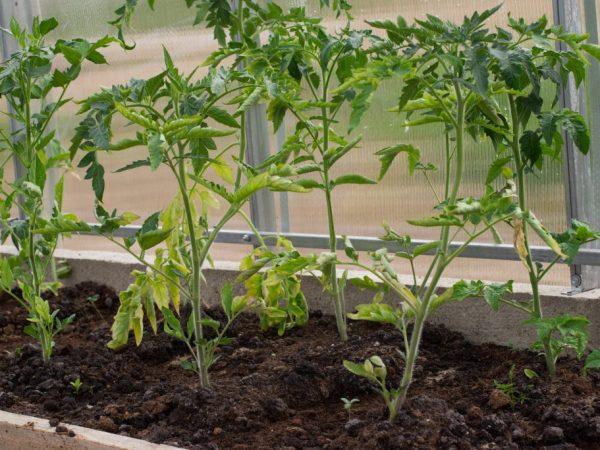
Irrigation deficit
The soil around the seedlings should be watered as soon as the top layer dries out. If the soil is dehydrated, the seedlings will wilt and fall over, but they quickly recover after irrigation. Water should be added gradually, rather than injecting large amounts at once.
Errors when picking
When transplanting, the roots must be removed from the container with soil. To make this easier, the soil should be thoroughly moistened beforehand. Tomato stems will rise on the second or third day after transplanting.
To ensure that the seedlings take root and don’t wither away:
- The procedure begins when 2 leaves appear.
- They make a spacious hole.
- They don’t pinch the entire root, but only a third of it.
Tomato plants will not thrive if the stem or underground part of the plant is damaged. Using unsterilized tools during transplanting can introduce mycelial spores into the cuts, causing serious diseases.
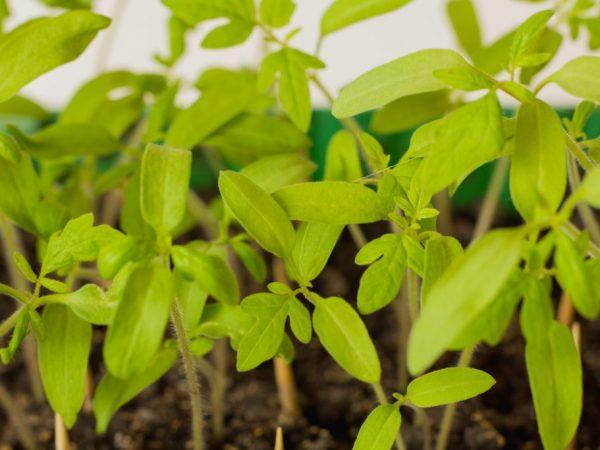
Clogged drainage holes where seedlings are planted
Before sowing tomato seeds, add a layer of expanded clay and pebbles to the containers to absorb moisture. Only then should the container be filled with the substrate. If the drainage holes are missing or clogged, water will stagnate during heavy watering, which can lead to root rot and seedling death.
The influence of external factors on seedlings
Tomatoes thrive when provided with optimal conditions. Young plants react negatively not only to heavy soil and nutrient deficiencies, but also to cold and heat.
Violation of temperature regime
Seedlings thrive at 18–20°C. If the mercury rises to 35°C, the leaves wilt and the shoots droop. When the temperature drops to 15°C, tomato stems turn purple because they are deprived of phosphorus. At 5°C, the seedlings no longer recover.
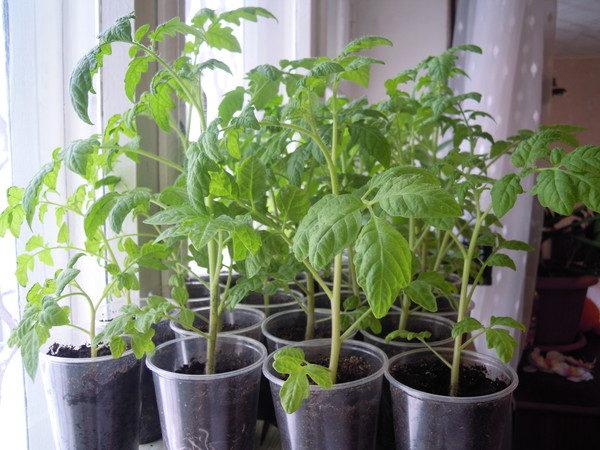
Lack or excess of light
The tender leaves on young tomato plants need to be shaded from direct sunlight, as the lush foliage can turn yellow and dry out due to sunburn. If the seedlings have become elongated, it's necessary to install an additional fluorescent lamp; tomatoes thrive in long daylight hours, and they simply feel dark.
Drafts
Seedlings placed on a windowsill sometimes droop. Even though the apartment is warm, the plants seem frozen. If it's cold outside, avoid opening the window or setting the ventilation mode. Young tomato plants don't tolerate drafts well.
Take a look Also
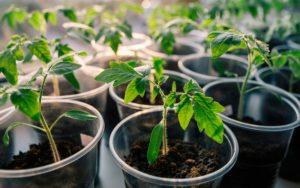
Pests of tomato beds
Succulent seedlings attract pests. Microscopic green or white insects destroy shoots and suck the sap from leaves. The presence of aphids on tomatoes is indicated by the appearance of a sweetish coating.
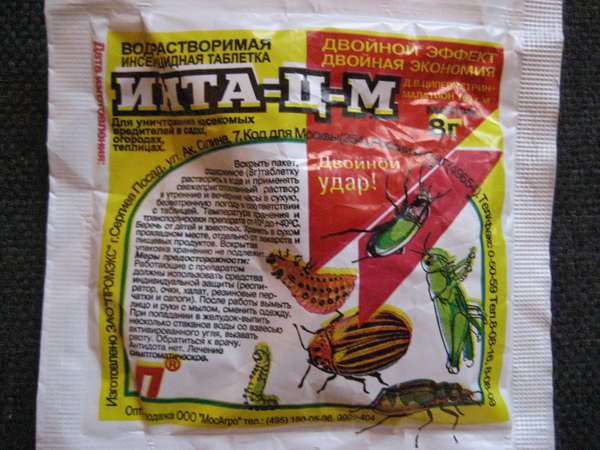
To control the pest, wipe the bushes with soap and water and spray with insecticides such as Fitoverm, Intavir, or Aktara. Repeat the treatment after a week.
The inconspicuous whitefly lays hundreds of eggs on the undersides of leaves. The larvae pierce tiny holes with their proboscis to extract sap. To kill these pests, use products such as Actellic and Intavir, and sticky tape can be used at home.
When transplanting tomato plants into the garden, danger also awaits them. The mole cricket eats the roots and devours the stems. The tomatoes, gnawed by the pest, wither and die.
The cockchafer lays large larvae that cause significant damage not only to seedlings but also to fruit bushes and young trees. These pests are difficult to eradicate even with chemicals. Before planting a vegetable garden, preventative measures must be taken.
Diseases of tomato seedlings
Young and mature tomato plants suffer from fungal infections, viruses, and bacteria. Pathogenic microorganisms become active due to poor agricultural practices and improper care.
Blackleg
Insufficient light and excess moisture can cause tomato stems to suddenly darken and thin out. The fungus penetrates the seedling's root and spreads the infection to other plants. To protect your seedlings from blackleg:
- The soil is disinfected with a solution of potassium permanganate or formalin.
- Stop watering for a while.
- Diseased bushes are covered with ash and coal.
Disinfecting the soil, tomato seeds, and containers before planting helps prevent fungal growth. Seedlings should be moistened only with warm water.
Fusarium
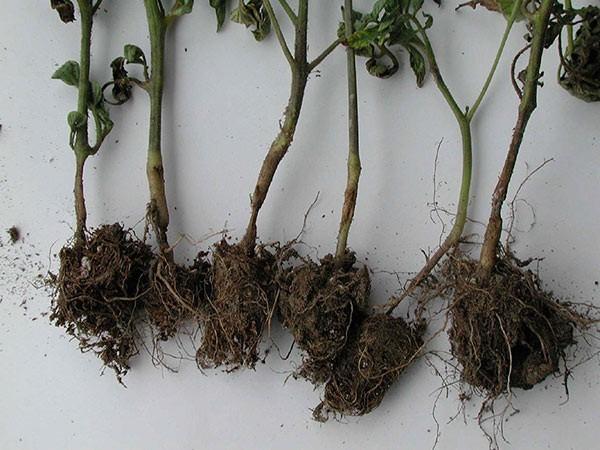
A disease caused by the Fusarium fungus, it damages tissue and destroys blood vessels in tomatoes. Signs of infection first appear on the lower leaves of seedlings, where they turn yellow and the petioles become deformed. Fusarium then causes the upper shoots to wilt. When the roots die, the tomatoes dry out and fall over. To prevent the disease:
- Crop rotation is observed.
- The seeds are treated with the drug "Fundazol".
- The substrate is disinfected with copper sulfate.
- Dolomite flour is added to the soil.
High humidity and low temperatures promote the development of fusarium. The infection is transmitted by untreated tools.

Rot
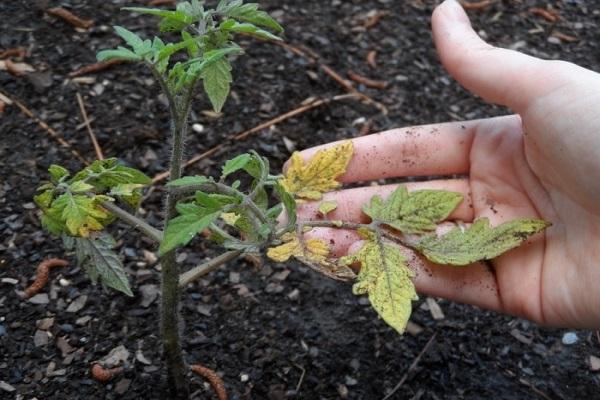
If preventative measures are ignored, and proper agricultural practices and care are not followed, brown depressions will form at the base of the plant stem, leaves will fall off, and the tomato seedlings will die. Root rot affects the tomato plants, not just the stems. Affected plants should be removed, and the substrate disinfected with copper sulfate.
Brown spot
At low temperatures and high humidity, seedlings tomatoes are affected by cladosporiosisFirst, rough brown spots appear on the underside of the leaf blades. Spores of the fungus that causes the disease are directed toward healthy plants, and the diseased tomatoes dry out. If no action is taken, all seedlings, whether grown indoors on a windowsill or in a greenhouse, will die.
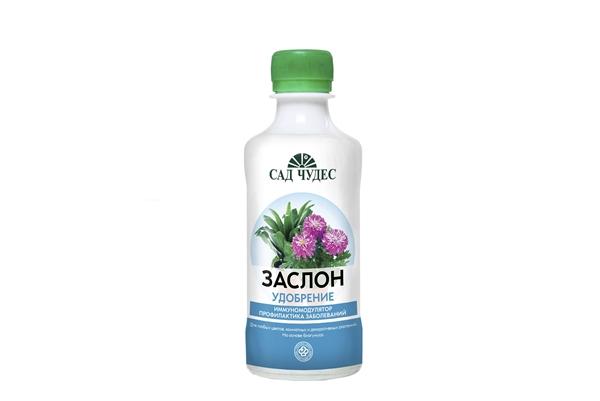
To prevent brown spot, containers are disinfected with copper sulfate before sowing, and tomato bushes are sprayed with the chemical preparation "Zaslon".
Mosaic
The virus that causes this dangerous disease is transmitted by untreated seeds. To reduce the risk of infection, tomato seeds are soaked in potassium permanganate. When infected with mosaic, leaves become discolored and covered with whitish spots. The seedlings turn yellow and die.
Diseased bushes are uprooted and burned, and tomatoes that have not yet become infected are sprayed with milk to which a teaspoon of urea has been added.
Aspermia
Aphids not only suck the juices from tomato leaves but also transmit pathogens to healthy plants. High humidity and improper watering in the greenhouse can trigger the Aspermia virus. In the acute form of the disease:
- leaves are curling;
- the veins turn blue;
- the seedlings are lagging behind in development.
To combat the problem, tomato plants are sprayed with Komandor, Aktara, Acrobat, and the biological agent Agat. Aspermia affects tomatoes grown only indoors.
Related posts:
 What is the best way to feed tomato seedlings to make them plump?
 Why tomato seedling leaves may wilt and curl, and what to do about it
 The best eggplant varieties for growing in a polycarbonate greenhouse: planting and care
 How to Properly Sow Tomato Seeds for Seedlings: A Step-by-Step Guide
 Why tomato seedlings may turn yellow and what to do about it
 Why does cabbage grow tall in the garden and what can be done about it?
 What fertilizers and when to use for feeding tomatoes in a greenhouse
 Why are tomato seedlings thin and long and what to do to fix it