
Fungal infections can ruin a gardener's hard work. However, tomato cladosporiosis, for which control methods and medications are known and readily available, can be prevented or cured at the first sign of infection. The disease spreads in the second half of summer, and in Russia, it primarily affects greenhouse tomato crops.
Causes of the disease
Ideal conditions for fungal growth are found in greenhouses or warm, humid climates. Cladosporiosis, also known as brown spot, requires humidity levels of 80% or higher and air temperatures reaching 25°C. The fungus persists in greenhouses or on plantations where susceptible nightshade varieties were grown.
Spores of the pathogenic fungus can be carried by irrigation water, on the clothing of vegetable growers tending to the plants, and even by air currents in drafts. On the diseased plant, unique bodies called conidia form. These spore-filled bodies can survive for up to 10 months.
If the greenhouse was not cleaned thoroughly in the fall and the room was not disinfected, the spores are quite capable of successfully overwintering and re-emerging when favorable conditions arise.
The fungus has the ability to change. Therefore, even some varieties with genetic resistance are sometimes affected by new strains of the pathogen. Plants that lack immunity to the disease suffer from infection every year, creating a breeding ground for spores to persist in the garden.
Signs of brown spot disease
Cladosporiosis of tomatoes, or brown leaf spot, affects tomato bushes approximately in the middle of the growing season, when they bloom and begin to bear fruit.
Symptoms of the disease are easy to notice with the naked eye:
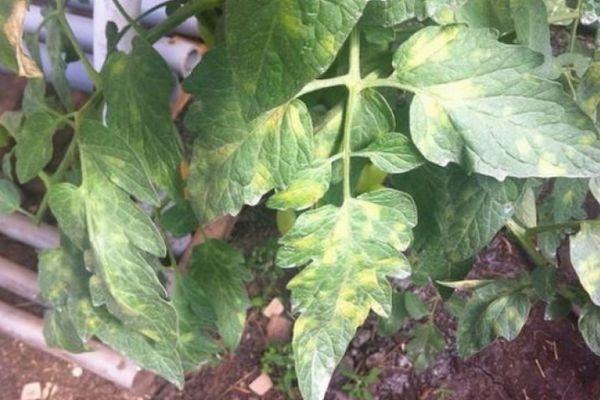
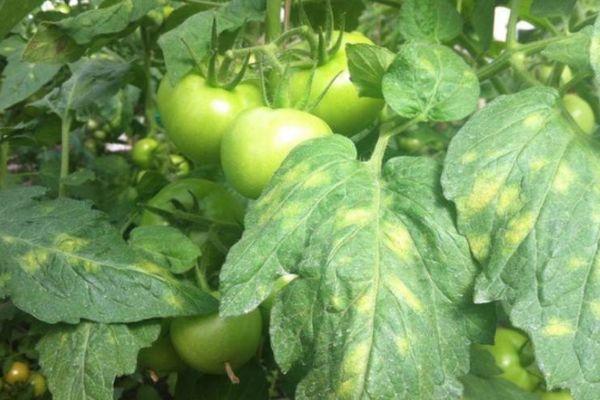
- Small, irregularly shaped yellow-green spots with blurred edges appear on the leaf surface. This symptom is usually of no concern to the inexperienced gardener. On the underside of these leaves, a light coating may be visible, which is a colony of microscopic fungi.
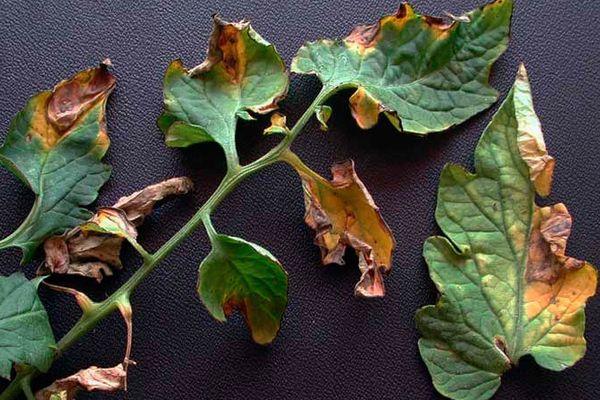
- As the disease progresses, the spot turns yellow and then brown. The underside of the leaf also takes on a similar hue, and the fungal colony becomes velvety. During this time, new spores are released, infecting surrounding plants and spreading throughout the plantation.
- Leaves begin to lose shape, curl, turn yellow, and dry out. Affected foliage falls from the tomato plant, leaving bare stems.
Take a look Also

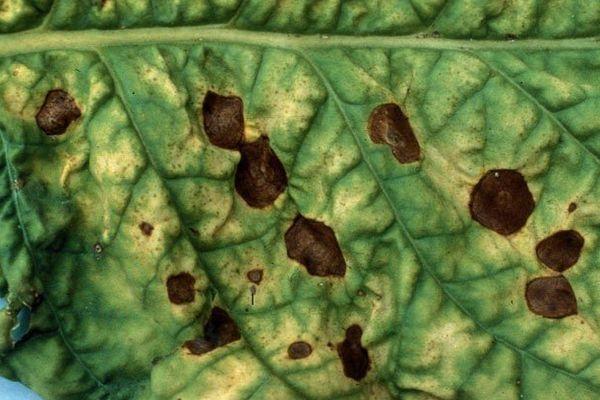
Brown spot of tomatoes rarely affects fruits or stems. Only the smallest ovaries are susceptible to this disease, but its danger lies elsewhere. Due to the loss of leaves, tomato plants virtually cease photosynthesis. Under these conditions, both flowers and already formed green fruits perish. Gardeners will only be able to harvest fruits that ripened before the disease spreads.
To avoid crop losses, preventative measures should be taken, such as planting tomatoes resistant to cladosporiosis or treating infected plants as soon as the first signs of the disease appear. Fungicides have been developed to kill the fungus. Tried-and-true folk remedies can also be effective in the early stages of the disease.
How to treat and prevent the spread of Cladosporiosis?
Folk remedies for fighting the disease are relatively harmless to the owner of the property, but they don't always produce the desired effect. Using them can simply waste time, allowing the fungus to spread, making treatment more difficult.
For processing the plantation using traditional methods, the following can be recommended:
- Dissolve 15-20 drops of iodine tincture in 0.5 liters of milk. Mix the liquid with 5 liters of water, and use the resulting solution to spray the plants. Repeat the treatment every 2-3 days until all signs of the disease have disappeared. This method is effective only in the earliest stages of the disease, when light spots appear on the leaf surface.
- Dissolve 30 g of potassium chloride in 10 liters of water and add 40 drops of iodine tincture. Generously spray the soil and tomato plants with the solution twice a day (morning and evening) until the plants' condition returns to normal.
- Sift wood ash, take 300 g of powder, and dilute it in 1 liter of water. Boil for 10-15 minutes, then strain. Mix the resulting liquid with 10 liters of water and use the solution to spray tomato plants and the surrounding soil.
- A good disinfectant is potassium permanganate. Prepare a pink solution for spraying. Treatment can be performed 1-2 times a day if conditions are favorable for fungal growth.
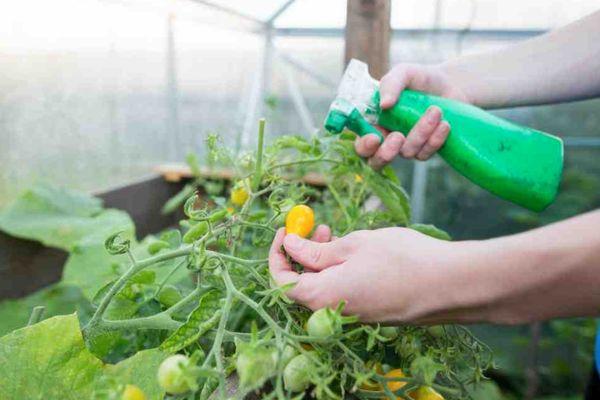
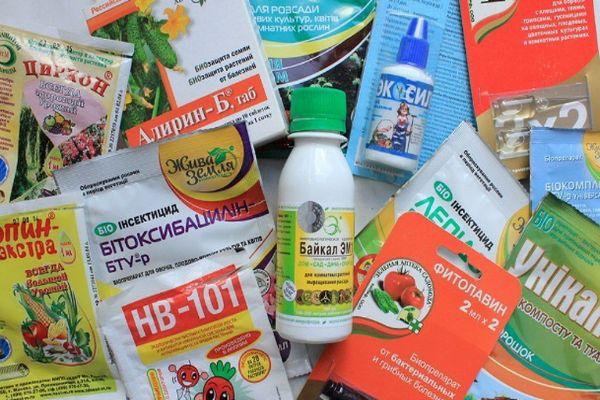
When using folk remedies, monitor the condition of your tomato plants. If signs of disease persist, consider purchasing modern chemical and biological treatments and learning how to combat the infection using modern methods. Chemicals may be harmful to humans, but they have high activity against infection. By treating tomatoes according to the instructions, adhering to the application times, and taking personal safety precautions, gardeners are completely safe from health risks.
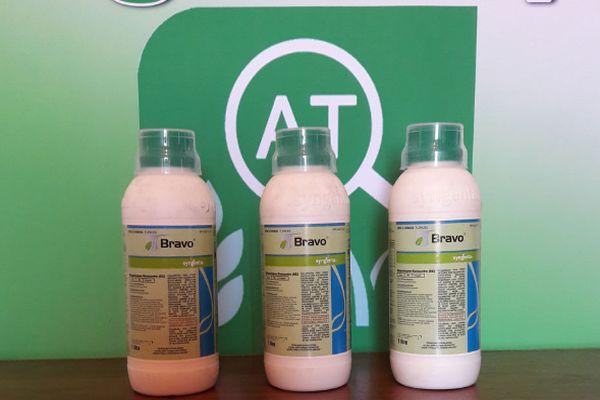
Broad-spectrum fungicides used for more than just tomato cladosporiosis include Bravo, Kaptan, HOM, PolyHOM, and others. After the initial treatment, another spray is applied two weeks later to kill any remaining fungal spores.
At home, you can prepare a solution of copper sulfate and colloidal sulfur (available at gardening stores). Add 1 tablespoon of copper sulfate and 3 tablespoons of colloidal sulfur to 10 liters of water. Spray both the plants and the surrounding soil. Repeat the treatment after 5-7 days. These products are toxic, so safety precautions must be observed:
- carry out spraying in special clothing;
- protect your hands with gloves and your respiratory system with a respirator or gauze bandage;
- If there is a draft, get rid of it or spray the product so that the air current carries the drops away from the person.
After treating tomatoes, change clothes and wash your face and hands with soap, as any contact with the pesticides may have occurred. Pesticides should not be used during the ripening period of tomatoes or for 15 days before.
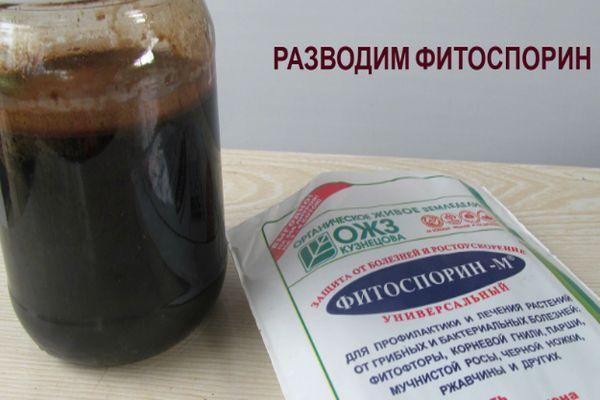
Besides fungicides, there are other products that can effectively combat fungi. They are virtually harmless to humans, but they must be used according to the instructions:
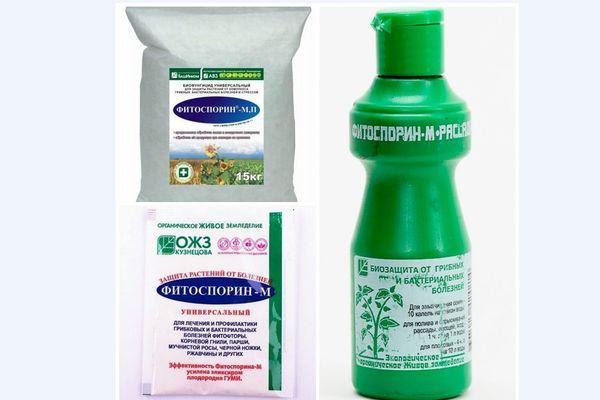
- Prepare a Fitosporin solution at a rate of 5 g per 10 liters of water. Apply the solution 2-3 times, with a 2-week interval between applications.
- Fitolavin-300 is diluted at a ratio of 20 ml per 10 liters of water. It is used for spraying.
- The modern drug Pseudobacterin-2 is prepared according to the included instructions. It is capable of combating various infections of garden crops.
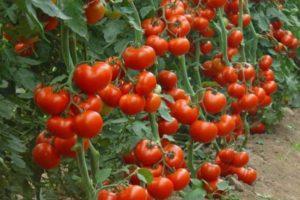
The use of agricultural chemicals in cases of plant disease helps quickly and reliably combat the infection. But any disease is easier to prevent.
Prevention
The primary preventative measure in a greenhouse is cleaning and disinfecting the room in the fall. Stems from last year's plants should not be left until spring. Bordeaux mixture and copper sulfate solutions, Fitosporin, freshly slaked lime, a hot, strong solution of potassium permanganate, and other disinfectants are used for disinfection. These solutions are used to wash glass or plastic, and to spray or whitewash wooden parts of equipment.
Other measures are also used:
- the soil in greenhouse beds needs to be changed once every 1-2 years;
- When growing tomatoes, ventilate the greenhouse more often;
- remove leaves from the lower parts of plants;
- If signs of disease appear, try to reduce humidity (by ventilation) and do not allow water to come into contact with the green parts of the tomatoes.
A good preventative measure is to grow tomato varieties resistant to brown spot. In 2025, you can plant hybrids such as Vologda and Bohemia, Ural, Spartak, Olya, and others. These are modern, high-yielding varieties, specially bred by breeders.
To prevent fungal infections in the greenhouse, it's recommended to grow seedlings yourself. Before sowing, treat the seeds by soaking them in a solution of Fitosporin or potassium permanganate. Following simple preventative measures will completely protect your plants from the disease.
Related posts:
 What is the best way to feed tomato seedlings to make them plump?
 What fertilizers and when to use for feeding tomatoes in a greenhouse
 Description of tomato diseases and their treatment, how to process them
 The best eggplant varieties for growing in a polycarbonate greenhouse: planting and care
 What is the best way to mulch tomatoes in open ground and greenhouses?
 Methods for planting and propagating cherries at home
 How to prepare tomato seeds for planting seedlings
 Causes and treatment of eggplant pests and diseases, how to combat them at home