
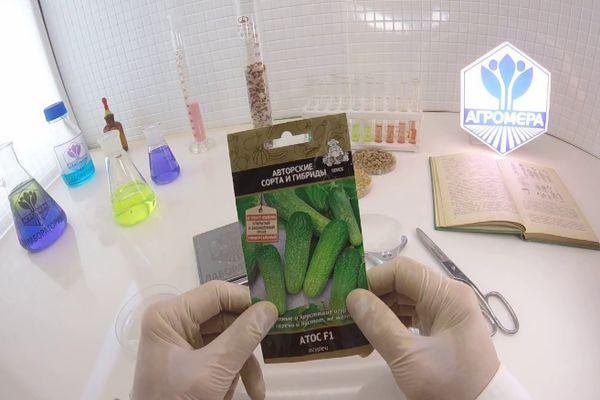
The Athos cucumbers, described below, were developed by Russian breeders. This hybrid is suitable for growing outdoors and in plastic greenhouses. The plant does not require insect pollination. The Athos f1 cucumber is an early-ripening cucumber hybrid. Athos is eaten fresh, used in salads, and canned for winter storage.
Technical data of the crop
The characteristics and description of the Athos cucumber variety are as follows:
- A full harvest occurs 30-35 days after the first shoots emerge. Ripening fruits appear on the plant as early as July.
- The bush reaches a height of 1.5-2.1 m. The hybrid tolerates sudden temperature changes well. The plant thrives in hot weather and does not die from drought.
- The leaves have a characteristic cucumber shape and are dark shades of green. The bush has a medium number of branches.
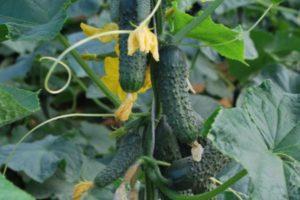
- Three to five flowers develop on each node. The plant bears fruit in clusters. A single bush can sometimes produce 15-20 cucumbers.
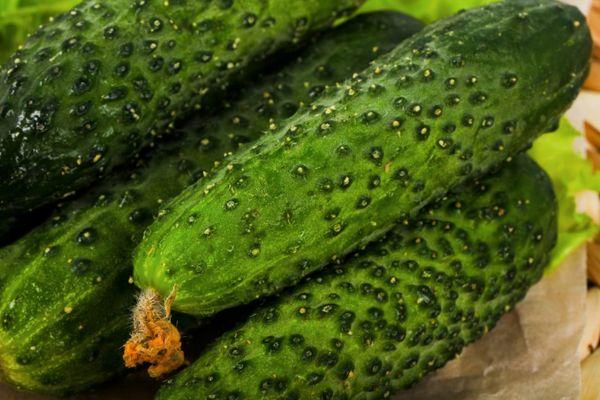
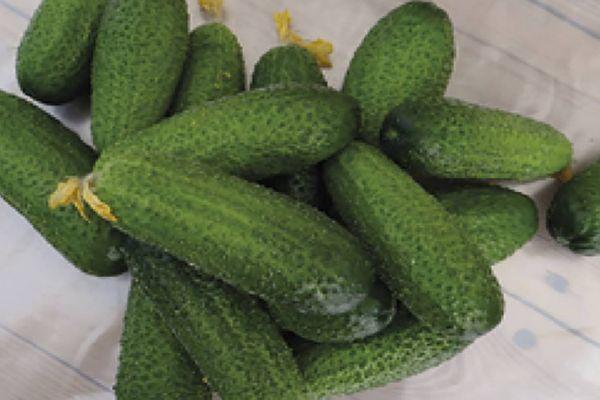
- The fruits are green in color. The bumps on their surface are barely noticeable. The interior of the fruit is very dense, as there are no voids.
- Cucumbers are up to 100 mm long with a diameter of 3 cm. The weight of cucumbers is from 70 to 100 g.
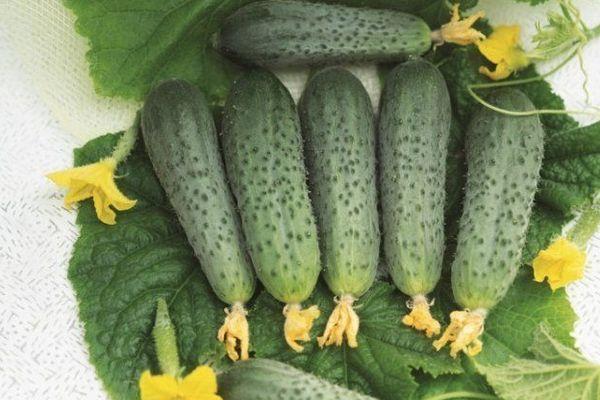
Feedback from farmers growing the hybrid indicates that 10-12 kg of fruit can be obtained per square meter. A truck loaded with cucumbers can transport the harvest over any distance; Atos can be stored in refrigeration units for up to 14 days.
In Russia, this hybrid is grown in open ground in the southern part of the country. In the temperate zone, plastic greenhouses are required for growing the plant. In the Far North and Siberia, heated greenhouse complexes and hotbeds are used for cultivating Athos.
How to care for a growing hybrid
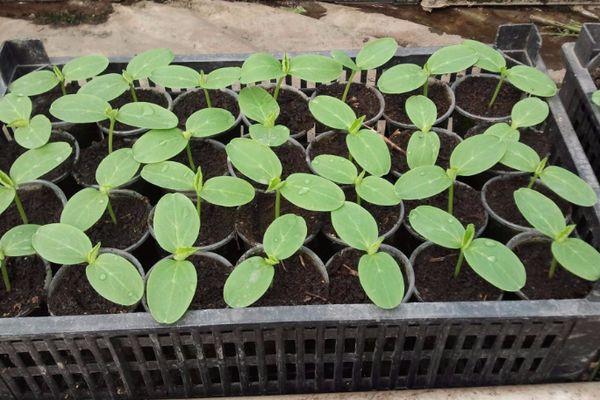
The bushes can be grown by sowing seeds directly into the ground or using seedlings. In the latter case, the resulting seedlings are transplanted to permanent beds in late April, when there is no risk of sudden cold snaps at night. If the farmer chooses to use direct seeding, the seeds are planted at a depth of 15-20 mm.
Plants are planted in 0.5 x 0.5 m beds. It is recommended to tie the bushes to a trellis. All side shoots above four leaves should be removed weekly.
Loosening the soil to improve aeration of the hybrid's root system is done immediately after watering. This procedure accelerates the growth of the bushes. Mulching the soil protects the plants from certain fungal infections. It also helps kill garden pests that feed on the hybrid's roots.
Weeding your garden beds helps eliminate the risk of weed-borne diseases infecting your vegetables. Weeding is recommended once every 10 days. Weeding kills the insects that infest the weeds along with the weeds.
Plants are fertilized three times throughout the season. Organic fertilizers such as chicken manure and mullein are used for this purpose. Mineral mixtures (superphosphate and nitrogen fertilizers) are applied during the hybrid's flowering period and before the first fruits form.
Water the bushes with warm, sun-settled water. This should be done every day, early in the morning or late in the evening. Water the hybrid moderately. Avoid allowing puddles to form under the stems, as this can lead to root rot. If water gets on the leaves during watering, clean them off to prevent the bushes from burning on a sunny day.
Control of diseases and garden pests
This hybrid has strong immunity. Athos is highly resistant to powdery mildew and cucumber mosaic virus. It is also resistant to downy mildew and root rot.
To prevent the plant from becoming infected with fungal and bacterial infections, it is recommended to maintain 90% humidity and an air temperature of 20-22°C in the greenhouse.
As a preventative measure, ventilate the greenhouse twice a week. It's a good idea to clean glass structures with soapy water to remove any dirt.
If the hybrid is grown outdoors, the farmer must ensure the soil does not become over-watered to prevent disease. Drying out the soil is also dangerous.
When insects (aphids, spider mites, flying pests) appear in the garden, various chemicals, such as Vermex, are used to control them. Folk remedies are also effective in controlling pests; for example, a garlic infusion is suitable for treating beds with this type of cucumber.
Related posts:
 Description and rules for growing Athos grapes
 Description of the Krasotka grape variety, planting and care technology
 Description of the Julian grape variety, planting and care instructions
 TOP 30 best varieties of cold-resistant cucumbers with descriptions and characteristics
 35 Best Powdery Mildew-Resistant Cucumber Varieties with Descriptions
 Description and pruning group of clematis Ernest Markham, planting and care of the hybrid
 Description of the best tomato varieties for greenhouses in the Kirov region
 Description and characteristics of the 30 best hazelnut varieties, cultivation