
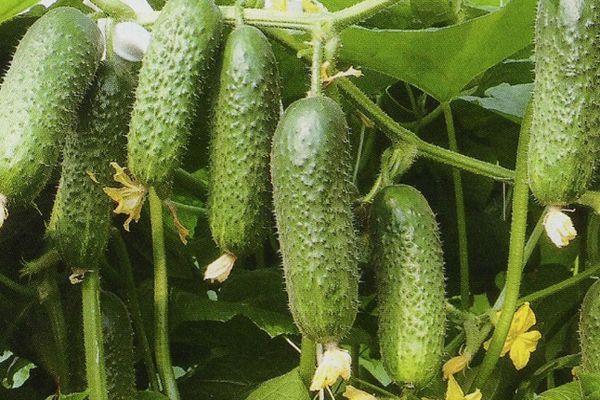
The modern, high-yielding cucumber, Kibriya F1, is a Dutch-bred variety. Developed for commercial vegetable production, it produces fruit without bee pollination. The vine produces exclusively female flowers, 2-5 of which are located in the axils of each leaf.
Plant characteristics
The bushes are tall, with stems often exceeding 3 meters in length. The leaves are medium-sized and slightly wrinkled. It takes approximately 45 days from sowing to the first fruit. After the main fruiting period begins, 3-4 kg of cucumbers are harvested per square meter. Harvesting is carried out daily, and the total yield reaches 19-20 kg per square meter. The parthenocarpic Kibriya cultivar is well suited for growing indoors and can be cultivated anywhere in Russia.
Open-ground cultivation is possible with the use of plastic covers to cover temperature fluctuations. This variety is relatively heat-loving; in Siberia and the Far East, yields may significantly decrease and vegetation may cease if temperatures drop below +10°C. Reviews indicate that cucumbers easily overcome stress if the temperature drop is short-lived.
In a greenhouse, it is recommended to tie the plant to a trellis or net, shaping it into a single stem. Unlike common domestic parthenocarpic varieties, the lower 4-5 buds should be removed. The ovaries in the axils of the remaining leaves are left, but the side shoots are removed. When the vine reaches the top of the trellis, it is draped over the top rope, pinched, and the resulting side shoots (1-2) are left in place.
According to gardeners, the Kibriya cucumber is resistant to the main cucumber diseases common in greenhouses (powdery mildew and olive spot). Resistance to root rot is low, and the Kibriya F1 variety is susceptible to fusarium and rhizoctonia.
Description of fruits
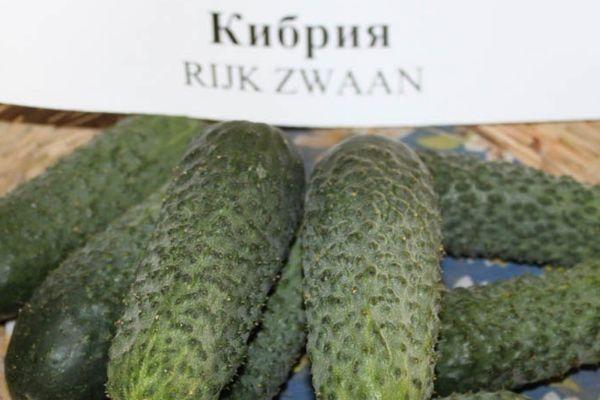
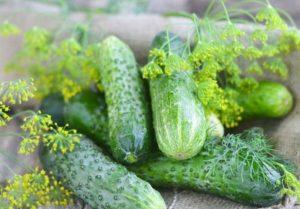
The vine produces cucumbers of uniform size and weight. They are cylindrical in shape, with a length-to-thickness ratio of 3:1. It is recommended to harvest cucumbers no longer than 8-9 cm. These cucumbers are best suited for canning and fresh eating. The average weight of such a fruit is 80-90 g.

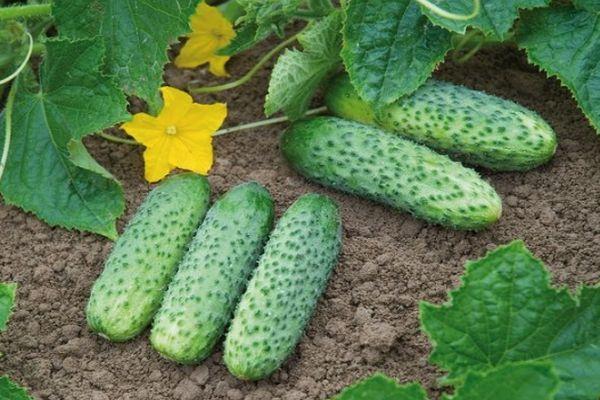
The skin of a young cucumber is covered with closely spaced small tubercles. The spines are blunt and white. As the cucumber grows, the surface becomes smoother, but the skin becomes slightly rougher. The fruit is dark green, with a lighter tip and similar stripes about 2 cm long. The hybrid variety Kibriya is distinguished by its good shelf life and transportability without wilting or loss of marketability.
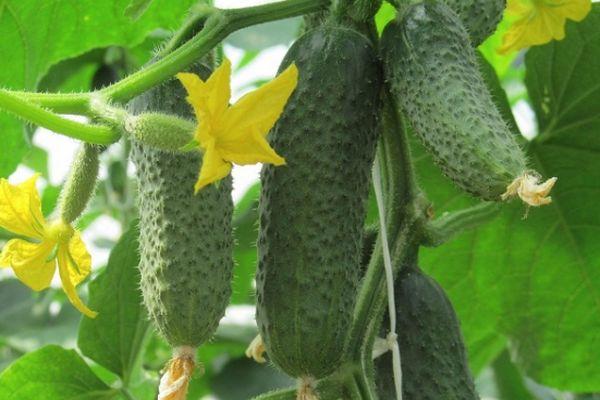
The cucumber flesh is dense, without noticeable voids. Air pockets do not form, even when stored for several days. The seeds are virtually invisible at the technical stage of ripeness, but as the fruit matures, they occupy 0.5 of the cucumber's diameter. The taste is excellent.
Gherkins are good for pickling and salting, either as part of vegetable platters or on their own. Overripe cucumbers can be seeded and their tough skin removed, and used to make pickles and preserves, salads, and appetizers. Large cucumbers can be grated and frozen for use in okroshka or similar dishes.
This early variety is also suitable for fresh consumption. Slightly overripe fruits, discarded during canning, are convenient for salads and slicing. Excess produce can be easily pickled using a simple method for lightly salted consumption.
How to grow cucumbers
The seeds of the hybrid variety Kibriya F1 are sold pre-processed. They have an unusual pink or greenish pearlescent color. They are sown directly into peat pots or pellets, without soaking or germination.
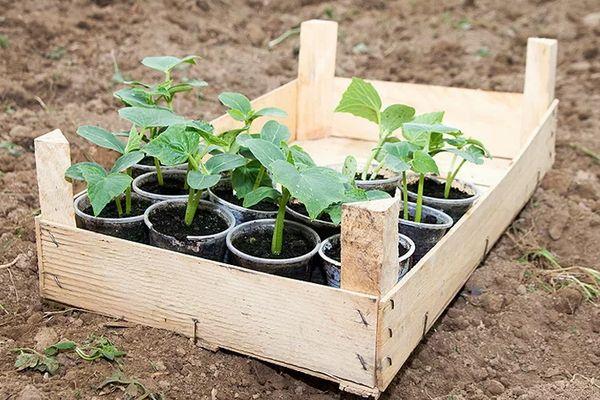
Use store-bought soil (for cucumbers) or mix your own from equal parts of last year's compost and garden soil. If the soil is heavy and compact, add peat. The basic requirements for cucumber seedling soil are looseness and permeability.
Plant two seeds per pot (the extra seedling can be transplanted to another container if desired). Place the seeds 1 cm deep. The ideal temperature for germination is 30°C. After germination, gradually reduce the temperature to 22°C. Grow the seedlings for 2-3 weeks, until 3-4 leaves develop, and then transplant them into a greenhouse.
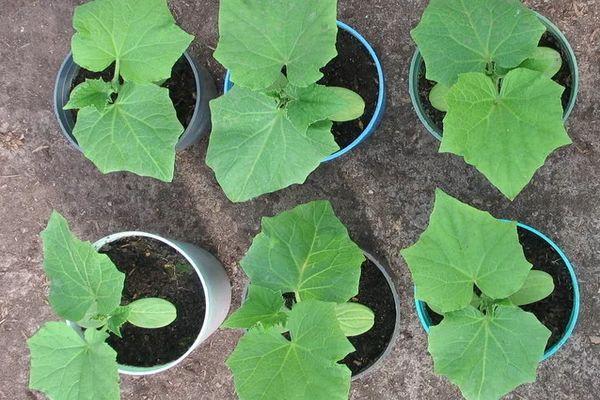 Planting is carried out at the rate of 2-3 bushes per 1 m². When planting, do not remove the plants from the pots: the peat containers in moist soil will become soft, and the roots will grow through them. The planting method is the least traumatic for cucumbersIf necessary, the plant can be carefully removed from the containers with a lump of soil and transplanted into the garden beds.
Further care consists of timely watering. Cucumbers are watered in the evening with warm water (25°C). Spraying or sprinkling can be used to increase humidity. The plants require a lot of moisture, so daily watering is recommended.
Fertilizers high in potassium and phosphorus (Kemira, Agricola, etc.) are added to the irrigation water once every two weeks. Nitrogen levels should be kept to a minimum to prevent the accumulation of harmful nitrates in the fruit and to direct the plant's energy toward fruit set rather than foliage production.
Related posts:
 The best eggplant varieties for growing in a polycarbonate greenhouse: planting and care
 Methods for planting and propagating cherries at home
 Is it possible to soak treated cucumber seeds before planting and how to do it correctly?
 Growing and caring for hazelnuts in open ground, rules for planting hazelnuts
 The best grape varieties for growing in the Urals, planting and care rules in summer
 Causes and treatment of eggplant pests and diseases, how to combat them at home
 Top 40 DIY New Year's Baking Recipes for 2020
 The health benefits and contraindications of black currants