
- The most popular varieties for the Kirov region
- Vyatichi
- Khlynovsky
- Stolypin
- Baron
- Energo F1
- For greenhouse conditions
- For polycarbonate greenhouses
- Super Red F1
- Drive F1
- Russian Tsar F1
- Kirzhach F1
- DJ F1
- For film greenhouses and hotbeds
- Tolstoy F1
- Scarlet Caravel F1
- Intuition F1
- Bloody Mary
- Pink Magic F1
- What to choose for open ground
- Low-growing tomatoes
- Muscovite
- Betta
- Disease resistant
- Vologda F1
- Charisma F1
- Alaska F1
- Firebird F1
- Ural F1
- The most productive crops
- Cio-chio-san
- Semko-Sindbad F1
- De Barao
- Hybrid Ivanhoe F1
- Alhambra
- The most delicious
- Andromeda F1
- Sweet bunch
- Brown sugar
- Gina
- Bull's heart
- The Black Prince
- Nevsky
- Miracle of the Earth
- No pinching required
- Favorite 6 F1
- Gunin F1
- Galaxy F1
- Red Arrow F1
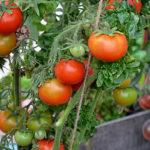
Growing tomatoes in a greenhouse in the Kirov region is entirely feasible. A greenhouse makes it easier to create a microclimate for tomatoes. Farmers strive to saturate the market with early-season vegetables. However, in the harsh climate with its short summers and early autumn, a successful tomato harvest is only possible in greenhouses. It's important to choose varieties and hybrids that produce fruit in low heat and sunlight conditions, i.e., those grown in greenhouses.
The most popular varieties for the Kirov region
Tomatoes are a heat- and light-loving crop. Furthermore, the plant has a long growing season. To ensure a guaranteed harvest, it's important to know which varieties and hybrids to plant. It's recommended to pay attention to their characteristics, such as shade tolerance and growth and fruit set at moderate average daily temperatures.
Breeders are developing new tomato varieties specifically for this region. Regionalized tomatoes should be planted in the Kirov region first.
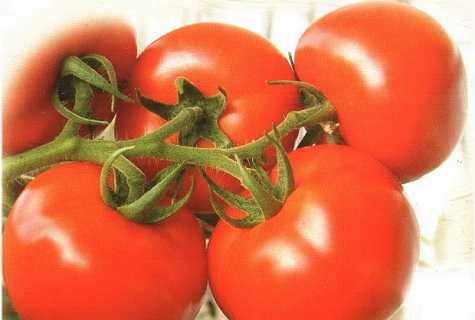
Vyatichi
Hybrid features:
- early ripening (up to 100 days from hatching to harvest);
- resistance to fungal diseases;
- stress-resistant: easily tolerates temperature fluctuations;
- bushes with unlimited growth (stretch up to 1.8 m);
- the fruits are red, dense, juicy;
- the taste is sour;
- the weight of one tomato is up to 170 g;
- excellent transportability.
The advantages of tomatoes are excellent storage and resistance to cracking.
Khlynovsky
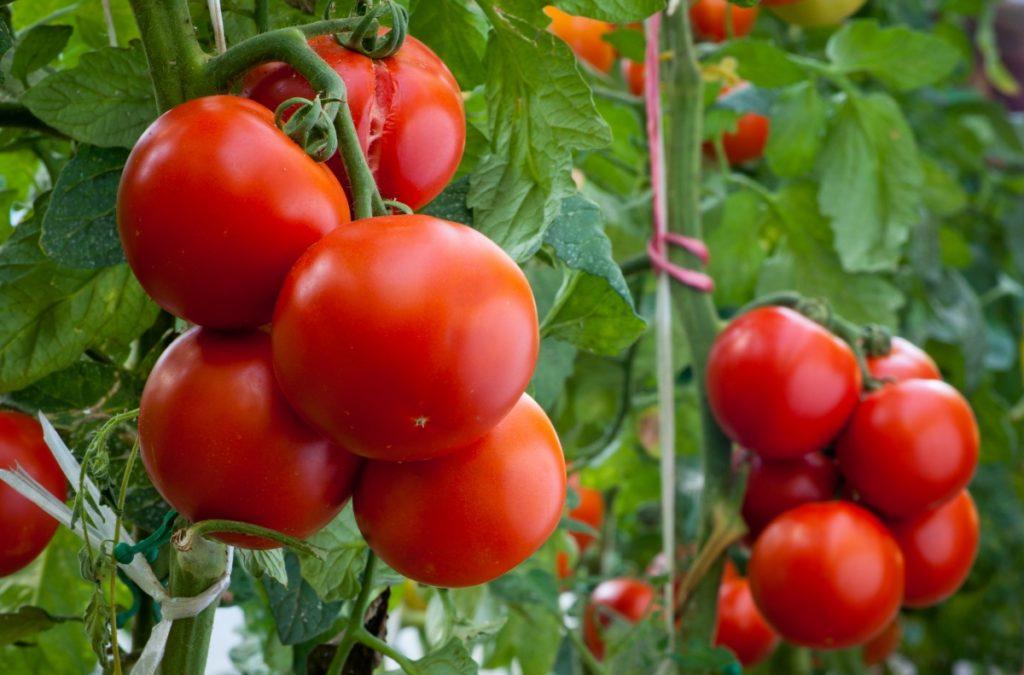
This tomato produces fruit 98 days after germination. Characteristics:
- the bush has a massive habit: support is required;
- tomatoes are dense and juicy;
- the taste is sweet, slightly spicy;
- excellent transportability and long-term storage of fruits;
- the color of vegetables is red;
- weight up to 300 g.
The tomato is productive: the farmer will receive a guaranteed early harvest.
Stolypin
The variety is resistant to fungi and sudden changes in daytime temperatures. The harvest is ready for sale 80 days after germination. The tomatoes are easy to transport over long distances and store well without refrigeration. The tomatoes are red and firm.
Consumers are eager to buy tomatoes because they make not only delicious salads, but also excellent preserves.
Baron
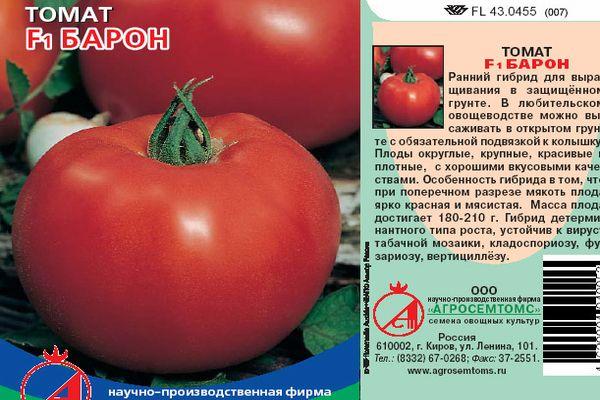
An early-ripening tomato. Resistant to fungi and tobacco mosaic virus. The flavor is sweet and sour. Baron is suitable for greenhouse cultivation. The fruits transport and store well. The tomato is of interest to consumers: the fruits have a universal purpose.
Energo F1
An excellent tomato for growing in greenhouses and open ground. The plant has a vigorous habit: its size must be controlled and side shoots must be removed. Tomatoes easily tolerate short-term drought and daily temperature fluctuations. Consumers enjoy the uniform, firm tomatoes.
For greenhouse conditions
Manufacturers offer seeds separately for greenhouses made from modern plastic materials and lightweight film covers. It is especially important for a farmer to distinguish the characteristics of planting material: any error reduces the profitability of the enterprise.
For polycarbonate greenhouses
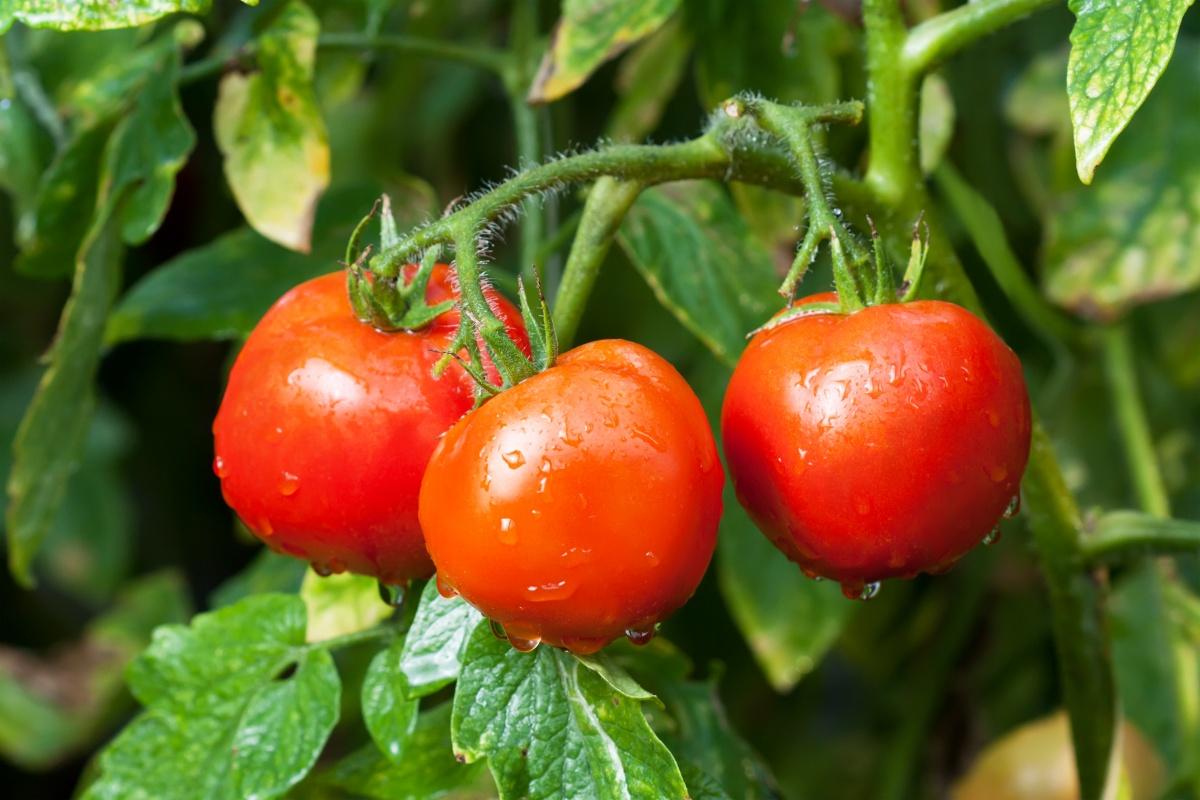
Polycarbonate greenhouses retain heat better than regular film, so they can accommodate less stress-resistant varieties and hybrids.
Super Red F1
A salad hybrid. Ripens in 115 days. The fruits are red, with firm flesh and a sweet and sour flavor. They are easy to transport to the retailer.
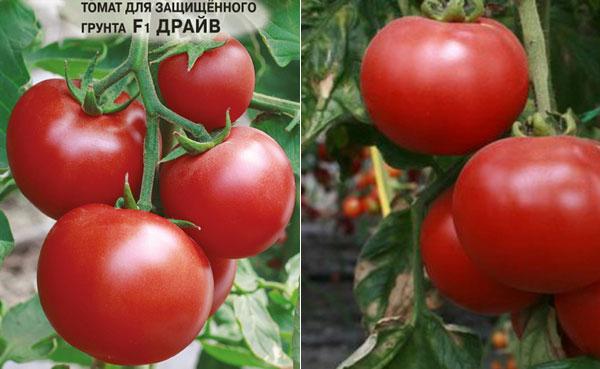
Drive F1
It produces a consistent harvest. It demonstrates tolerance to heat, drought, and temperature fluctuations. It is resistant to fungal diseases.
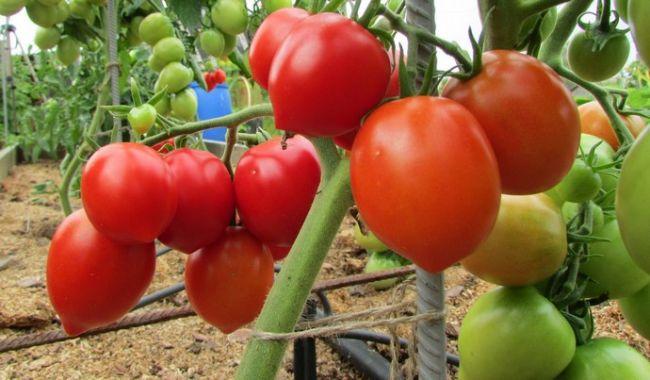
Russian Tsar F1
This hybrid is designed for both farms and private households. It produces pink-red tomatoes with excellent flavor. These tomatoes are versatile and easy to transport to the retailer.
Kirzhach F1
The bushes are vigorous, the stems strong. The tomatoes grow dense and fleshy. The fruits are versatile, with the harvest ripening simultaneously on all plants.
DJ F1
This hybrid produces large, transportable fruits with a sweet and sour flavor. It's easy to grow, demonstrating tolerance to drought and low temperatures.
For film greenhouses and hotbeds
In these shelters, the temperature quickly equalizes. Stress-resistant plants should be placed here.
Tolstoy F1
This hybrid produces fruit suitable for salads. The bushes are vigorous and require shaping and pinching. It is easy to care for and tolerates drought and low temperatures.
Scarlet Caravel F1
An excellent new hybrid: breeders introduced it in 2017. The plant is vigorous and tall. The fruits are sweet and sour, firm. The tomatoes store well under normal conditions and are easy to transport over long distances.
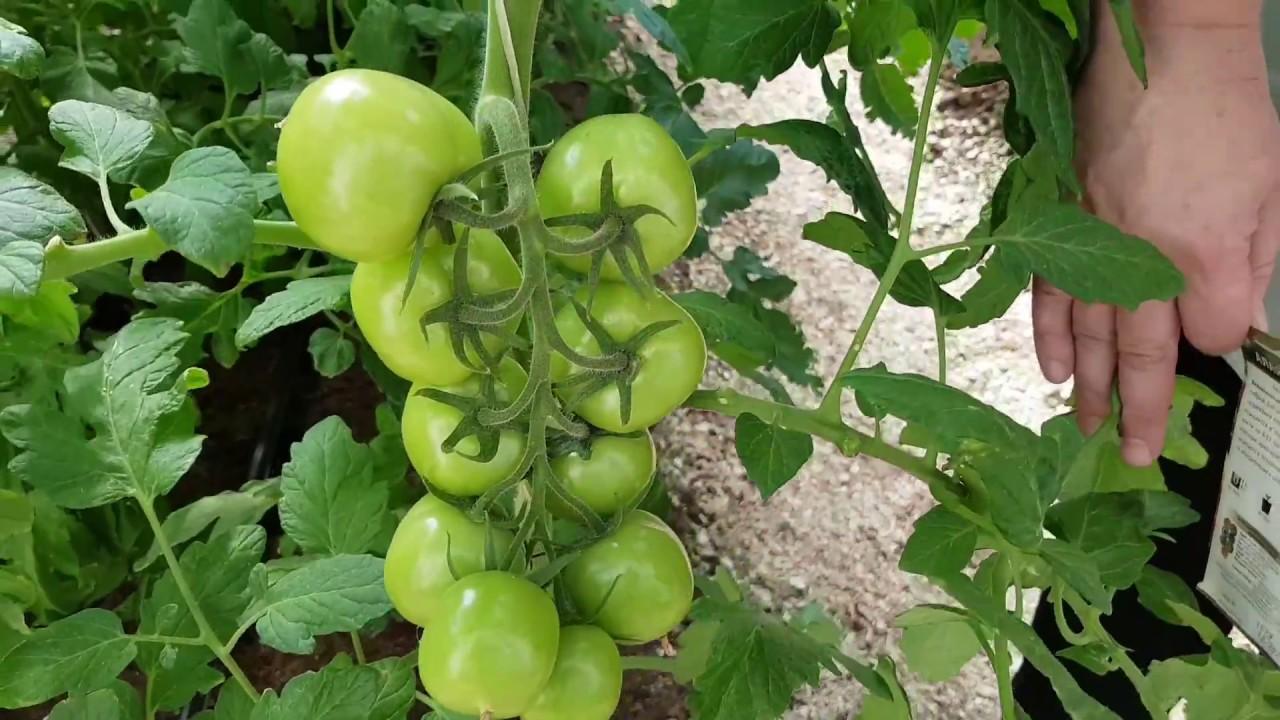
Intuition F1
The hybrid is distinguished by its uniform fruit, each weighing up to 110 g. The harvest is uniform. The fruits are suitable for all purposes.
Bloody Mary
This hybrid was developed by Gavrish for farm cultivation. The fruits are ribbed and have juicy flesh. The harvest ripens gradually. These tomatoes are easy to transport and market.
Pink Magic F1
This vigorous plant requires pinching and staking. The hybrid is tolerant of low light, heat, drought, and temperature fluctuations. The fruits are pinkish-red in color and marketable.
What to choose for open ground
In the Kirov region, some farmers are planting tomatoes outdoors. They study feedback from their colleagues and select the best varieties and hybrids.
Low-growing tomatoes
Many farmers prefer to grow determinate tomatoes. They yield less than tall tomatoes, but they also require less maintenance.
Moreover, in low light conditions, low-growing varieties and hybrids produce better results.
Muscovite
This variety was developed in 1976. The plant is compact, reaching up to 60 cm in height. Moskvich requires minimal care, being tolerant of low moisture and light. It produces consistently high yields: the first tomatoes can be harvested 80 days after germination.

Betta
Created by Polish breeders, its main advantage is its ultra-early ripening fruit. The bush is compact, requiring no pinching or staking. The tomatoes are small, juicy, and sweet. They form clusters of 5-6 tomatoes.
Disease resistant
Farmers must grow tomatoes that are guaranteed to produce marketable fruit. They can't afford to waste time treating diseases. Therefore, it's recommended to choose disease-resistant varieties and hybrids.
Vologda F1
The indeterminate hybrid demonstrates resistance to:
- Cladosporiosis;
- tobacco mosaic virus;
- fusarium.
Ripens in medium terms (115 days from the moment of seed germination).
Charisma F1
This mid-season indeterminate hybrid is characterized by the fact that it is not affected by cladosporiosis, fusarium, or tobacco mosaic virus.
Alaska F1
This is an excellent hybrid for growing in climates with cool, short summers. Alaska is undemanding to climate conditions and resistant to fungal diseases. Even in unfavorable weather, it will yield up to 5 kg per plant.
Firebird F1
This hybrid produces yellow tomatoes. With proper cultivation practices, farmers can achieve yields of up to 13 kg per square meter. The plant is resistant to cladosporiosis and fusarium.

Ural F1
This is a tall, mid-season hybrid. It ripens 115 days after germination. Yields up to 5 kg per plant. The hybrid is resistant to fusarium, cladosporiosis, and tobacco mosaic virus.
The most productive crops
For a farmer, tomato yield is a crucial indicator. It directly impacts the profitability of the business.
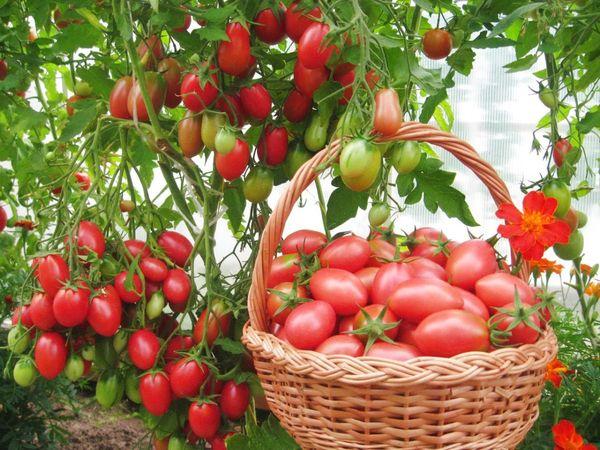
Cio-chio-san
This tomato grows up to 2 m tall and requires staking and pinching. The plant is resistant to tobacco mosaic virus and cladosporiosis. The stated yield of plum tomatoes is up to 4 kg per plant.
Semko-Sindbad F1
This is a compact, early-ripening hybrid. The tomatoes are medium-sized (80-90 g), firm, and red. A farmer can obtain (with proper agricultural technology) up to 10 kg/square meter of greenhouse.
De Barao
Breeders present several variations of the variety:
- with red fruits;
- with yellow ones;
- with black (green-brown).
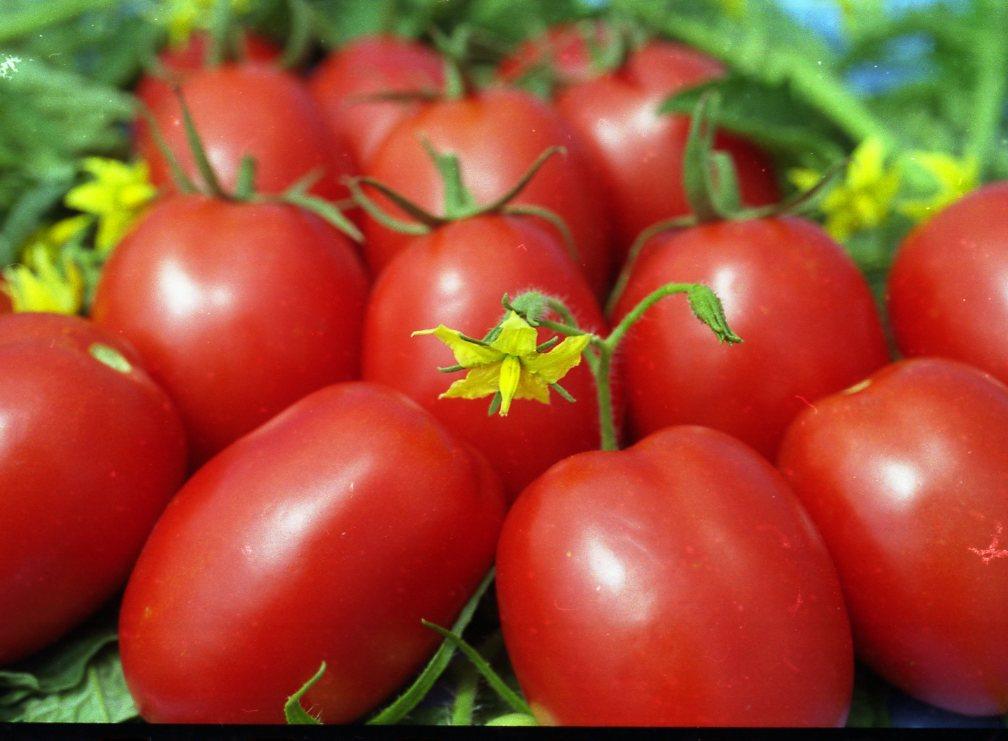
The berries are plum-shaped. The fruits are collected in clusters of eight. The bushes are vigorous and indeterminate, requiring staking and pinching. Yields are up to 12 kg per square meter of greenhouse space.
Hybrid Ivanhoe F1
A vigorous plant that requires staking and training into 2-3 stems. Fruits grow up to 170 g. Two to three plants are recommended per square meter. The stated yield is up to 12 kg/square meter.
Alhambra
The tomato has a medium ripening period (115 days from germination to first fruit). The bush is spreading and tall. The harvest is consistent throughout the season. A farmer can obtain up to 13 kg per square meter of greenhouse space. Currently, the creator of the variety has stopped producing seeds of the hybrid.
The most delicious
Farmers must sell their produce quickly. To do this, they must consider consumer preferences. Shoppers want to see not only tomatoes for winter canning but also vegetables for fresh consumption.

Andromeda F1
Breeders have developed two types of hybrid:
- with yellow fruits;
- with pink ones.
This tomato is easy to care for. The fruit has a sweet, honey-like flavor. However, the thin skin makes it difficult to transport the harvested crop: it is recommended to sell it locally.
Sweet bunch
This tomato delights with its sweet, neatly clustered tomatoes. The flavor is preserved even during processing. The yield is respectable: up to 8 kg/square meter. However, the thin skin makes transportation and long-term storage difficult.
Brown sugar
Ripens 120 days after germination. The fruits are flattened, brown, and sweet. This is a salad variety, making long-distance transportation to the point of sale difficult.
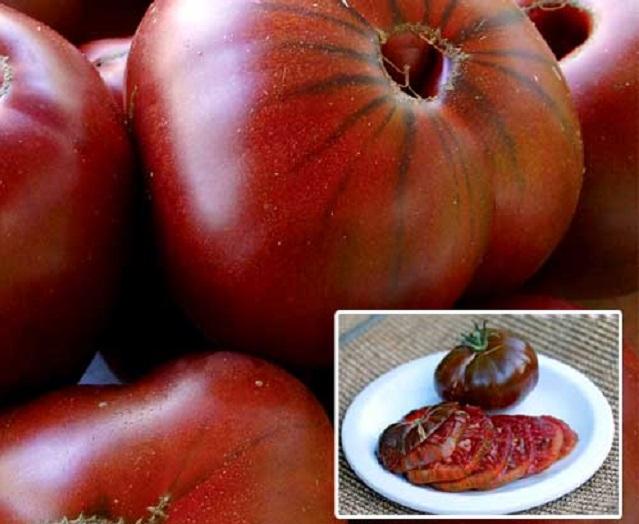
Gina
An excellent mid-season variety. The bush is neat and compact. The plant produces sweet, orange-red fruits. The fruits are durable and easy to transport.
Bull's heart
An excellent salad variety. The fruits are large, with 4-6 per plant. The skin is thin, making them difficult to transport to the consumer.
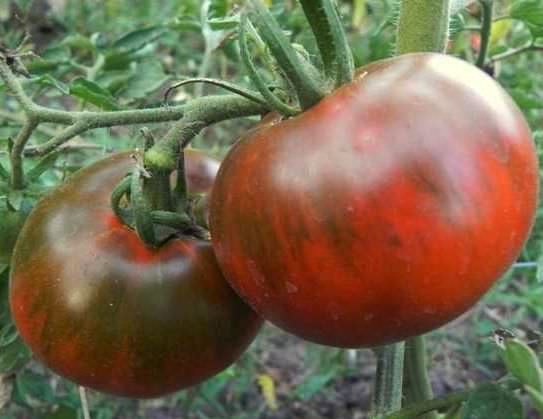
The Black Prince
Externally, tomatoes look like De Barao is blackThe tomatoes are sweet and come in clusters of 6-8. Their flavor is preserved even during processing. They are easy to pick and transport.
Nevsky
The compact bush produces early-ripening fruits. The tomatoes are red and glossy. The skin is firm, and the flesh is juicy and sweet and tart. These tomatoes are suitable for all-purpose use.
Miracle of the Earth
Sweet pink tomatoes. Each one weighs up to 200 g. The flesh is juicy, the skin is thin (difficult to transport). The fruits are eaten fresh.
No pinching required
Tomato plantings on farms occupy large areas. Removing side shoots every 3-4 days can be difficult. Therefore, some growers choose varieties and hybrids that don't require this procedure.
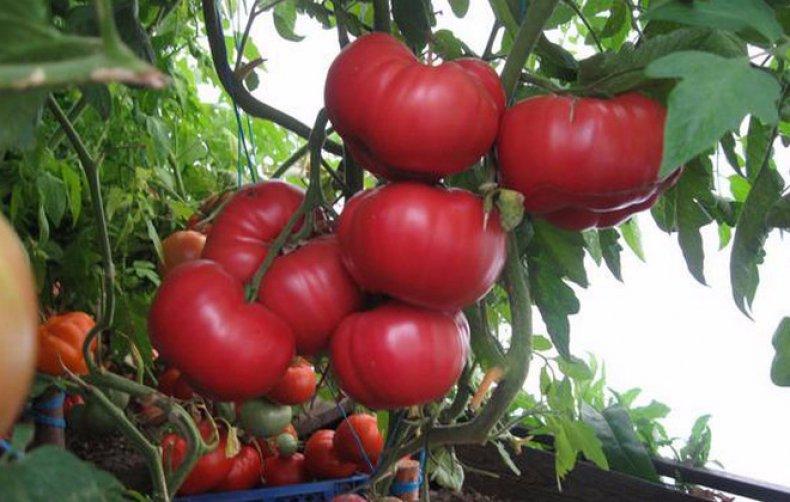
Favorite 6 F1
The hybrid ripens 115 days after germination. The fruits are beautiful: orange-red. The flesh is juicy, sweet and sour. The plant requires moderate pinching.
Gunin F1
The fruits ripen 100 days after germination. The hybrid is tolerant of fluctuating temperatures and low light. The fruits are red and sweet and sour. The bushes are lightly overgrown: side shoots are removed moderately.
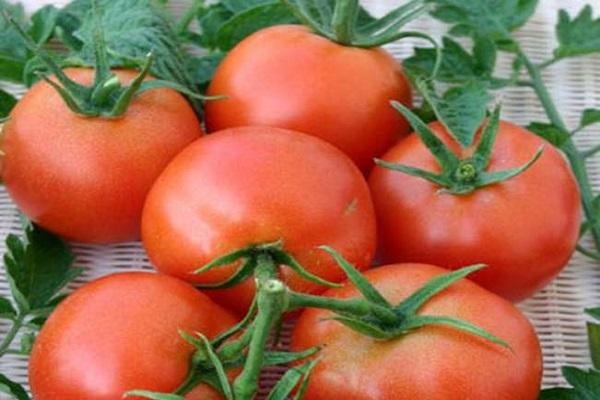
Galaxy F1
A hybrid with red-black fruits. The tomatoes are firm and sweet. The bush produces few lateral shoots, so pinching is not required.
Red Arrow F1
An excellent hybrid with cluster tomatoes. The fruits are red and have a sweet and sour flavor. These tomatoes are versatile. They produce virtually no side shoots, so pinching out any side shoots is not required.
Related posts:
 What varieties of tomatoes are best to plant in a polycarbonate greenhouse?
 Description of the best varieties of black tomatoes for open ground and greenhouses
 Description of the best Dutch tomato varieties for greenhouses and open ground
 Description of the best tomato varieties and ratings for greenhouses in 2025
 Description of the best tomato varieties for open ground and greenhouses in the Krasnodar region
 Description of the best tomato varieties for Udmurtia for open ground and greenhouses
 Which tomato varieties are best for open ground?
 Description of the best tomato varieties for open ground in the central zone