
- Description and characteristics of the De Barao tomato
- Characteristics of bushes
- Flowers and fruits
- Tomato yield
- Transportability
- Advantages and disadvantages
- Varieties of the variety
- Pink
- Black
- Red
- Tsar's
- Giant
- Gold
- Orange
- Growing in a greenhouse
- Preparing material for planting
- Planting dates
- How to plant correctly?
- Care instructions
- When to water?
- What to feed?
- How to grow tomatoes outdoors?
- Preparation of planting material
- Soil preparation
- When and where to plant?
- Planting technology
- Features of care in open ground
- Watering and fertilizing the plant
- Bush formation
- Diseases and pests
- When and how is the harvest collected?
- Reviews from experienced gardeners and summer residents
Compared to De Barao tomatoes, other tomato varieties are considered more demanding. This variety produces high yields and requires little care. Despite these characteristics, however, it stands out among other tomatoes for its excellent taste. Therefore, this variety is often planted by novice gardeners.
Description and characteristics of the De Barao tomato
De Barao is a hybrid tomato variety characterized by rapid and uncontrollable bush growth. This tomato is suitable for both open field and greenhouse cultivation.De Barao is a late variety: ripe berries appear 115 days after sowing the seeds.
There are several varieties of this tomato, each with a different fruit color. Each berry contains numerous seeds that can be used to grow the crop in future seasons.
Characteristics of bushes
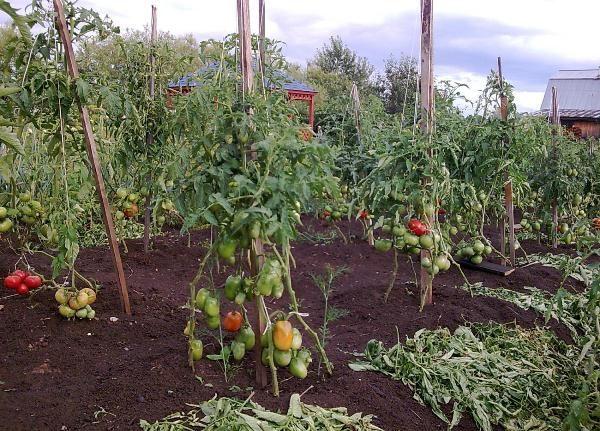
The plant reaches four meters in height (average 2.5-3 meters). Its trunk is thick and branched, requiring regular pruning. The dark green leaves are medium in size.
Flowers and fruits
The inflorescences are compact and form at the level of the ninth or eleventh leaf. Subsequent ones form further from the first.
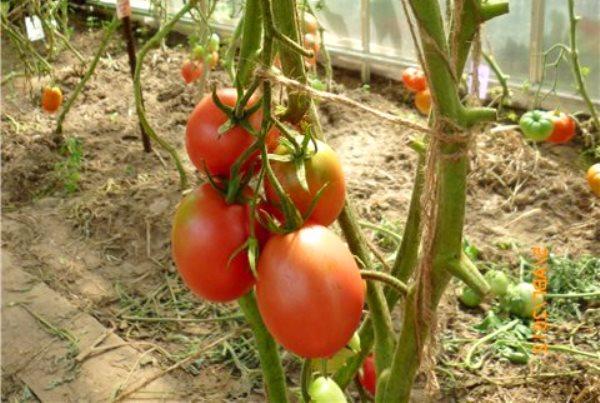
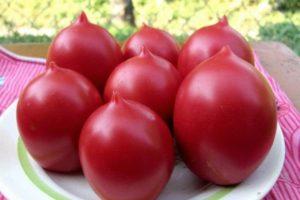
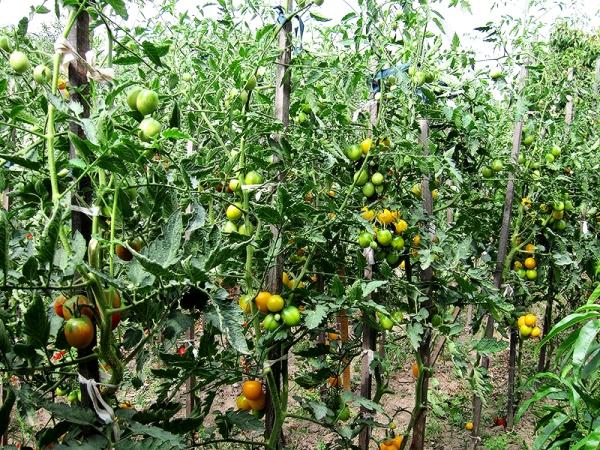
The fruits of this variety are oblong. The skin color varies depending on the tomato variety. The average weight of a single berry ranges from 55 to 80 grams. The tomato flavor is characterized by a harmonious balance of acidity and sugars.
Tomato yield
Tomatoes produce up to 7-10 fruits per cluster. This, coupled with the large size of the berries, allows a single plant to yield up to 20 kilograms of tomatoes.
Transportability
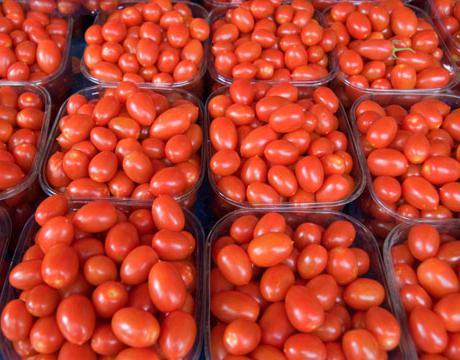
Tomatoes of this variety are characterized by a dense structure, which ensures good transportability of the fruit.
Advantages and disadvantages
Tomatoes of the De Barao variety have the following advantages:
- grow in shaded areas;
- withstand short-term frosts;
- have low maintenance requirements;
- form large brushes;
- are characterized by increased resistance to common diseases;
- The fruits are stored for a long time.
In addition to the advantages listed above, tomatoes are distinguished by excellent taste. Gardeners do not identify any disadvantages to this crop.
Varieties of the variety
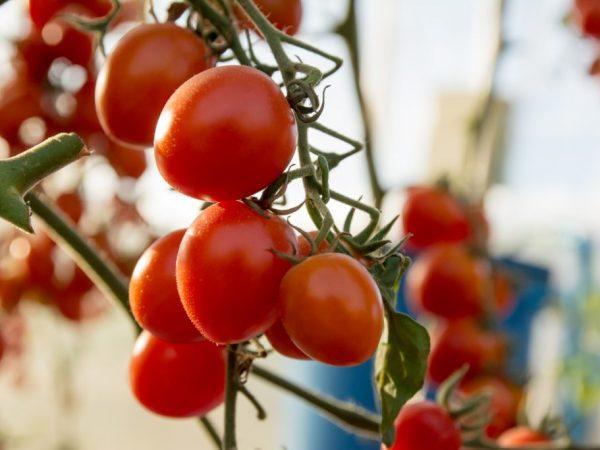
Russian breeders have developed seven varieties of the De Barao variety. Each tomato type differs in appearance, yield, and other characteristics.
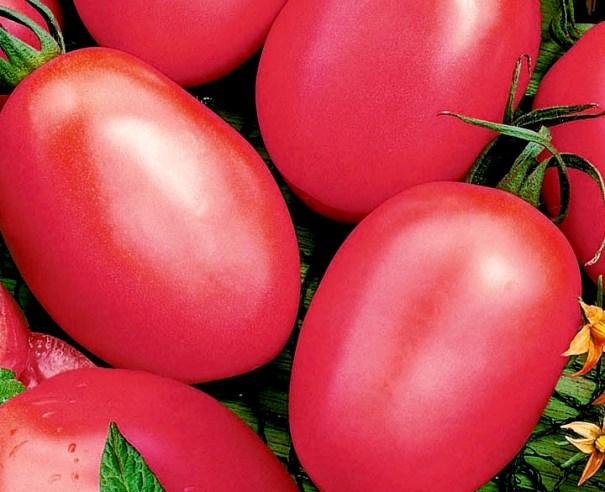
Pink
The pink variety produces its first harvest 115 days after sowing. A single bush can yield up to 5.5-7 kilograms. The fruits retain their marketable and fresh appearance for a long time. The pink tomato plant is vigorous and robust.
Black
The Dark De Barao also ripens in 115 days. Fruits weigh no more than 50 grams. This tomato variety has heavily branched bushes that reach two meters in height. A single crop yields up to 5 kilograms of tomatoes.
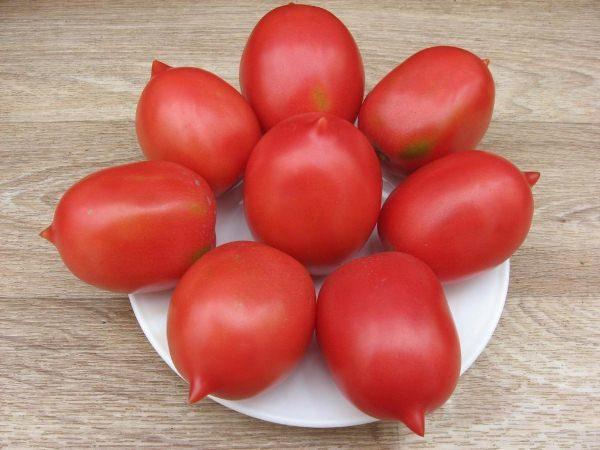
Red
The red variety is characterized by high yields: up to 6 kilograms of tomatoes can be harvested from a single plant. The total fruit weight reaches 110 grams. The bushes of this variety are heavily branched, so timely pruning of side shoots is required. Red De Barao is ideal for canning.
Tsar's
The Tsarsky variety yields an average of 15 kilograms of tomatoes per bush. The fruits, weighing up to 150 grams, are raspberry-colored and oval in shape. This variety grows quickly, so it's important to provide solid support when planting. The plant should be pruned promptly.
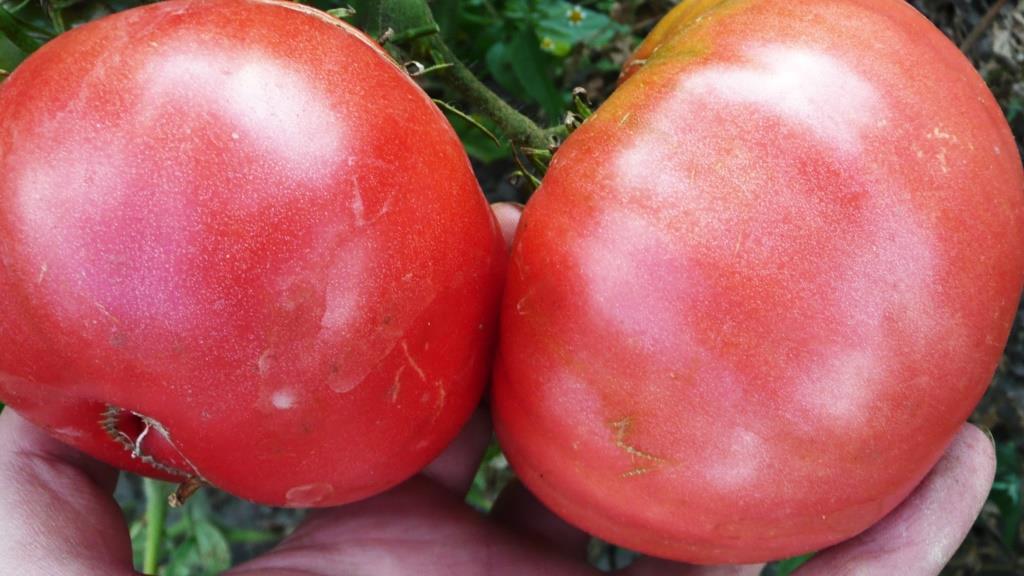
Giant
The fruits of this variety weigh up to 150 grams. The tomatoes are distinguished by their red, dense skin and plum-like shape. A single bush produces up to 6 kilograms of tomatoes.
Gold
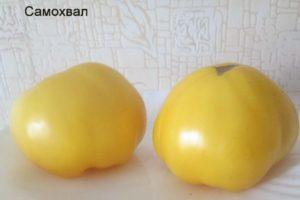
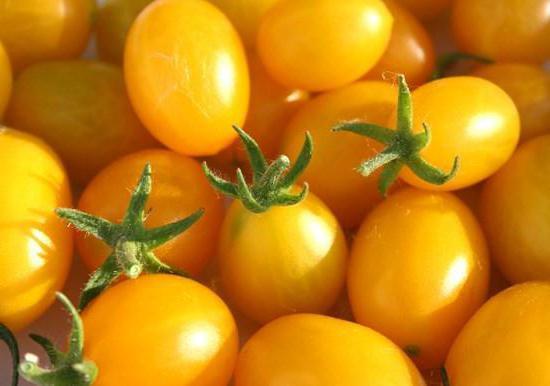
Golden (yellow) De Barao produces a consistent harvest when ripened in shade. The bushes grow large and branch well, requiring regular pinching.
Orange
The only De Barao variety that produces fruit after 125 days. A single bush can produce up to 12 kilograms of tomatoes. The plant produces fruit reliably until the first frost.
Growing in a greenhouse
Growing tomatoes in a greenhouse allows for maximum yield. The structure should be at least 3 meters tall.
Preparing material for planting
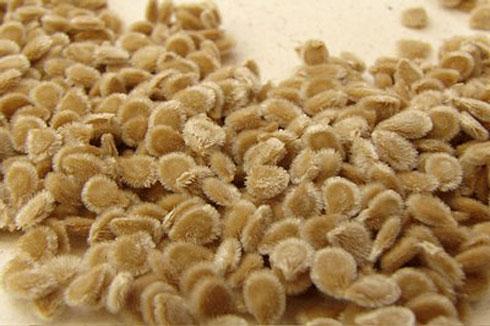
Before planting, soak the seeds in a salt solution (1 tablespoon of salt per cup of water). The seeds that rise to the top are suitable for sowing. After sowing, soak the seeds in a weak solution of potassium permanganate for 30 minutes.
Planting dates
It is recommended to sow De Barao seeds for seedlings in late February. The plant is planted in the ground in early May, when the soil temperature reaches 14 degrees Celsius.
How to plant correctly?
The seeds are sown in pre-prepared 12-centimeter containers with drainage holes and loose soil. The seeds are planted to a depth of up to two centimeters. The container is covered with glass until the first shoots appear.
The first picking is carried out when two leaves are formed.
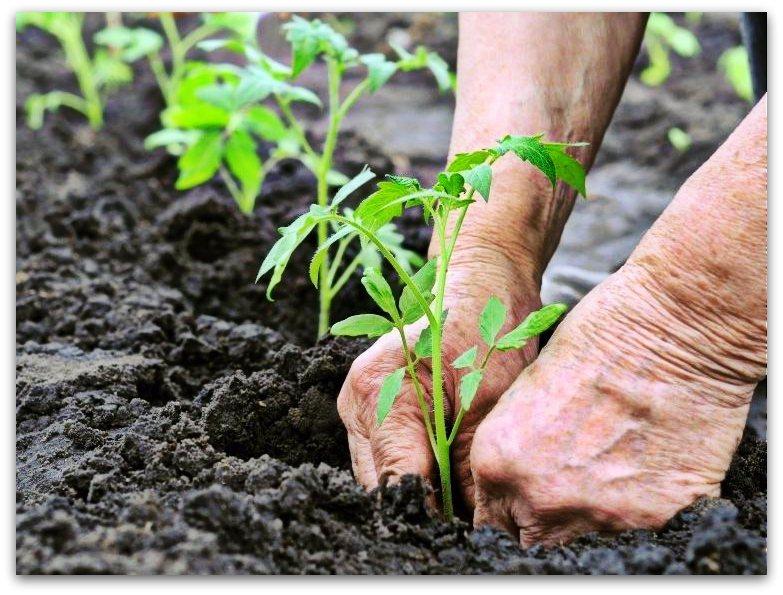
The seedlings are planted in deep holes, spaced up to one meter apart. Stakelines should be installed immediately next to the plants for support.
Care instructions
For the first four days after planting, do not water the plant. After that, the crop needs to be mulched and fertilized periodically. Pest control and removal of excess shoots will also be necessary.
When to water?
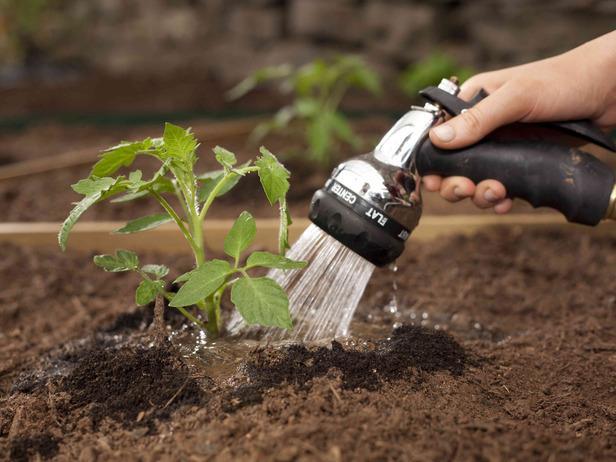
The first watering is done 4-5 days after planting. It is recommended to use warm, settled water. The bushes are watered weekly, in the evenings. Afterward, the soil should be loosened to ensure oxygen reaches the root system. The amount of watering is adjusted depending on the weather. During the flowering period, it is recommended to apply 4-5 liters of water per bush.
What to feed?
Nitrogen fertilizer is applied 10 days after planting. Phosphorus-potassium fertilizer is added when the buds begin to ripen. Watering is recommended before fertilizing.
How to grow tomatoes outdoors?
The process for growing tomatoes outdoors is the same as described above. The main difference is that in this case, the plants are planted later.
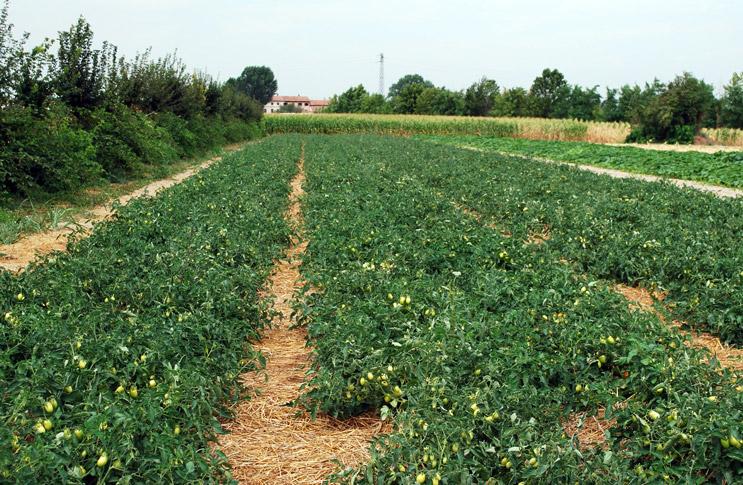
Preparation of planting material
The planting material is prepared according to a similar principle: first, the seeds are dipped in a saline solution, and then in potassium permanganate.
Soil preparation
For seedlings, you'll need equal parts garden soil and leaf mold (manure). Mix the ingredients together and lightly moisten. After planting, cover the seeds with an additional layer of soil no more than 8 millimeters thick.
When and where to plant?
De Barao can be planted once stable warm weather sets in. In temperate Russia, this is mid-May to early June. Seedlings are planted in holes spaced 1.5-2 meters apart.
Planting technology
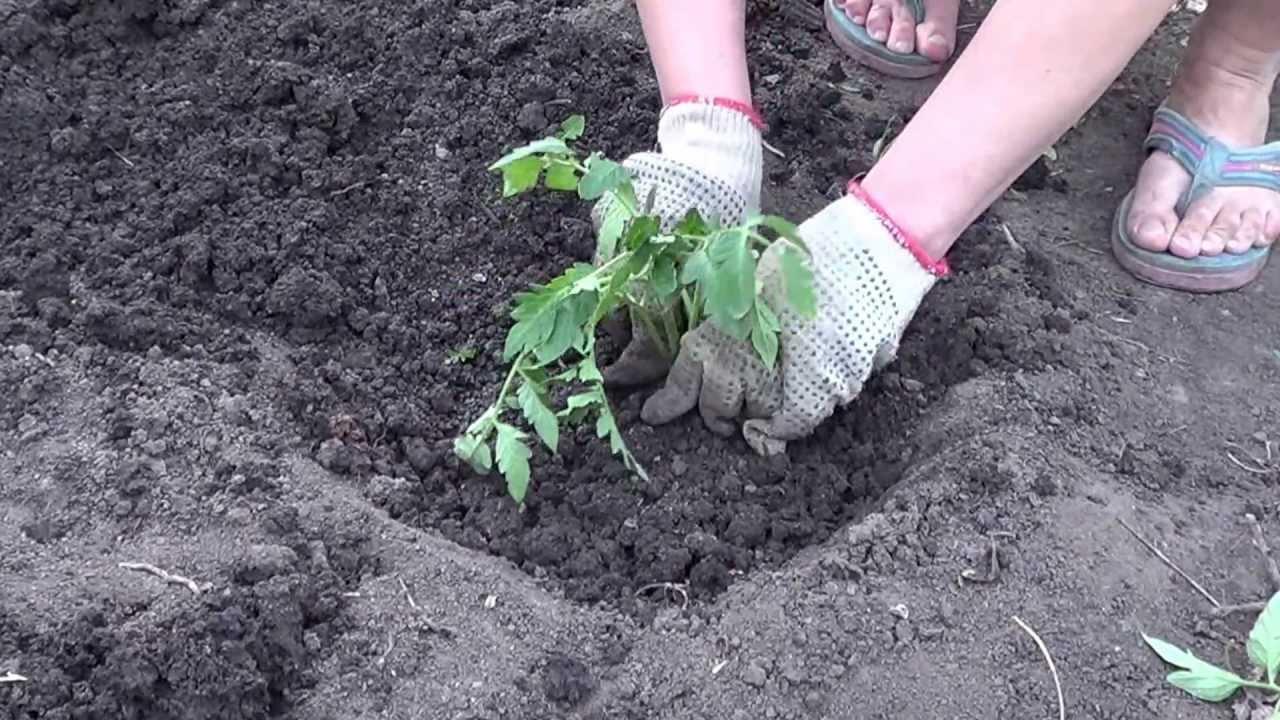
Before planting, be sure to moisten the holes. The roots should face south. After planting, cover the tomatoes with soil and compact them. It is recommended to remove the lower leaves.
Next to the hole, you should immediately install pegs for subsequent tying.
Features of care in open ground
The rules for caring for a plant growing in open ground are similar to those described earlier.
Watering and fertilizing the plant
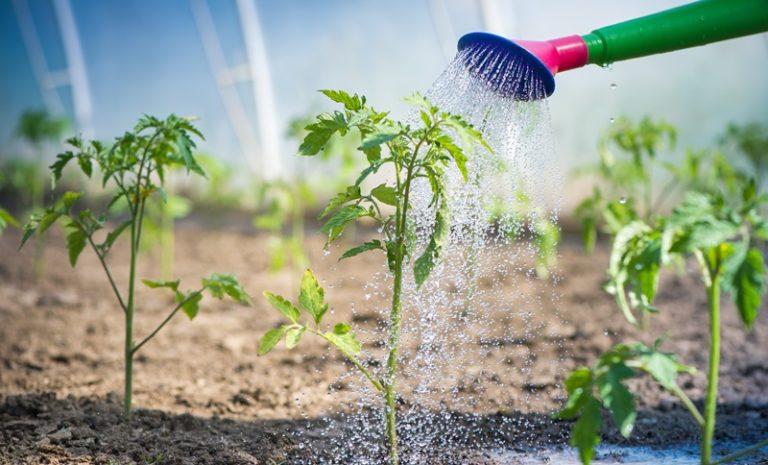
It's recommended to water tomatoes for the first time 5 days after planting. Water should be applied to the roots, avoiding contact with the leaves. Fertilize tomatoes for the first time 10 days after planting, using nitrogen fertilizer. During bud formation, a mixture of phosphorus and potassium should be added to the soil.
Bush formation
De Barao bushes form two strong shoots. Excess branches are removed when the first shoots appear, leaving stumps 1.5 centimeters long. It is recommended to remove shoots in the morning. This reduces the risk of infection.
Diseases and pests
Despite its increased resistance to diseases, the De Barao variety can be affected by:
- mole cricket;
- root rot;
- whitefly;
- brown spot;
- Colorado beetle;
- spider mite.
Prompt treatment of the bush and removal of weeds on the second day after watering help prevent plant diseases. If root rot develops, the affected tomato plant should be removed from the garden bed, and copper sulfate and wood ash should be added to the soil.
When and how is the harvest collected?
The first ripe tomatoes appear in late July or early August. The rate of ripening depends on the number and duration of sunny days. A greenhouse-grown tomato plant continues to produce fruit until temperatures drop below freezing. Tomatoes are harvested both when they're ripe and when they're still in their infancy. The berries ripen at home within 1-2 days.
Reviews from experienced gardeners and summer residents
According to gardeners, the De Barao tomato variety is easy to care for. However, to ensure a good harvest and prevent disease, timely fertilization, adequate watering, and removal of excess shoots are recommended.
Experienced gardeners recommend using tomatoes of this variety for fresh consumption or for canning.
Related posts:
 Description and characteristics of the best indeterminate tomato varieties for greenhouses
 What is the best way to feed tomato seedlings to make them plump?
 Description of the best tomato varieties for pickling and canning
 Description and characteristics of the best tomato varieties for the Moscow region
 Description of blight-resistant tomato varieties for open ground and greenhouses
 What varieties of tomatoes are best to plant in a polycarbonate greenhouse?
 The best and most productive tomato varieties for greenhouse cultivation in the Urals, with descriptions
 Description of the best varieties of tall tomatoes, when to plant seedlings and how to grow them