
- Pros and cons of hydroponic growing
- We select the best varieties
- What you need for growing
- How to make a system yourself
- Irrigation for hydroponic systems
- Spot irrigation
- Periodic flooding scheme
- Irrigation system for passive hydroponics
- Substrate for growing tomatoes hydroponically
- Hydrogel
- Gravel
- Sawdust
- Expanded clay
- Mineral wool
- Coconut filling
- Moss and peat
- Nutrient solution
- How to plant seeds and grow seedlings
- Proper care of seedlings
- Frequency of watering and fertilizing bushes
- Staking tomatoes and pollinating them
- Harvesting
- Reviews from gardeners about this growing method
Hydroponics is a modern technology that allows gardeners to grow plants without traditional soil planting. When growing tomatoes hydroponically, the roots are nourished in an artificially created environment. There are several planting options using this technology, each with its own nuances.
Pros and cons of hydroponic growing
This technology has gained popularity among experienced gardeners due to its numerous advantages, including:
- optimized water and fertilizer consumption;
- more active growth and development of bushes in comparison with the classical method;
- convenient growth control;
- reduction of labor costs due to simplified maintenance;
- full absorption of nutrients, since they are not dispersed in the soil;
- increasing the yield and quality of vegetables.
The main drawback is the relatively high initial cost of the necessary equipment and materials. Furthermore, preliminary research into the technology is required, which can be challenging for beginning gardeners.
We select the best varieties
With a wide variety of tomato varieties, it's important to choose the right one. Any vegetable can be grown hydroponically, but the best results are achieved by planting greenhouse varieties with early ripening periods. These include:
- Gavrosh. A late blight-resistant variety that requires no pinching or staking. The tomatoes have a sweet flavor and weigh approximately 50 g. Ripening takes 45-60 days.
- Druzhok F1. A high-yielding hybrid variety. A single plant can yield 3.5-4 kg of tomatoes. These tomatoes are rarely attacked by pests and produce a harvest in 66-70 days.
- Alaska. This tomato variety ripens in 2-2.5 months. It's grown without bush training. Each bush produces approximately 3 kg of fruit.
- Bon Apeti. A racemose variety that requires support due to its large fruit (80-100 g). Yields reach 5 kg per bush.
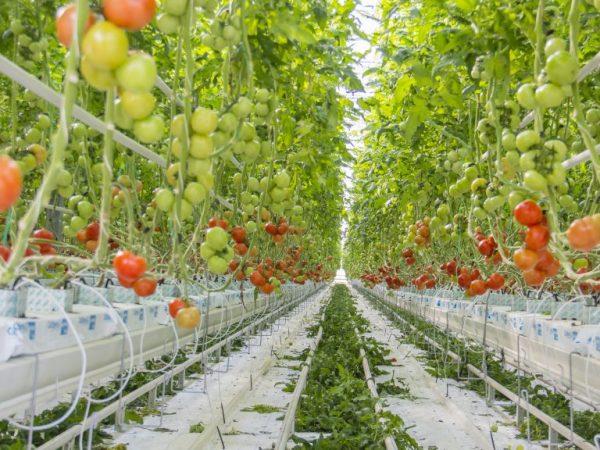
What you need for growing
To set up a hydroponic system at home, you need to prepare containers of two sizes: large external ones and smaller internal ones. The inner pots contain a water level gauge.
To grow tomatoes, you will also need a substrate and an electrical conductivity indicator, since the concentration of nutrients in a solution is determined by its ability to conduct electricity.
How to make a system yourself
A hydroponic tomato growing system can be purchased at specialty stores, but it's much easier to build one yourself at home. The components are inexpensive, and you can replace them as you go.
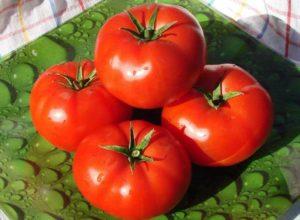
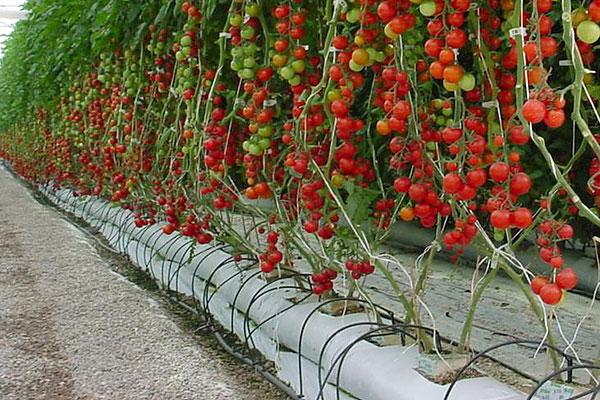
After selecting suitable containers 15-20 cm tall, make drainage holes in them. Store-bought pots usually have these holes, but if using other containers, you'll need to provide drainage manually. Excess moisture will drain through the holes.
To accommodate all the seedling containers, you'll need to make a platform. A container up to 70 cm tall can serve as a stand. Opposite each container placed inside, make holes a couple of centimeters smaller in diameter than the bottom. These slits are necessary to drain excess nutrient solution.
Irrigation for hydroponic systems
Regular irrigation promotes tomato root development. Hydroponics uses a special nutrient solution in the irrigation system, which automatically waters the plants. While manual watering is acceptable at home, automation simplifies care and ensures irrigation is administered at specific times.
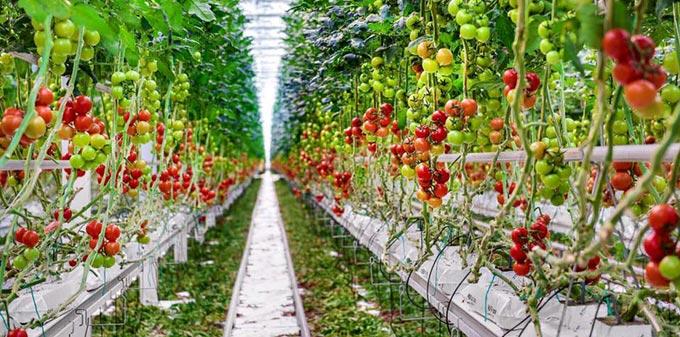
To save costs when growing tomatoes, it's recommended to collect the irrigation solution in a separate reservoir, which is attached to the hydroponic system. It's impossible to determine the required amount of nutrient solution at different stages of tomato development, so excess water will always accumulate and can be reused.
The irrigation system is automated using a pump or a water pump. This equipment stores excess solution and returns it to the irrigation system. To water plants at a precise time, you'll need to install a timer.
Spot irrigation
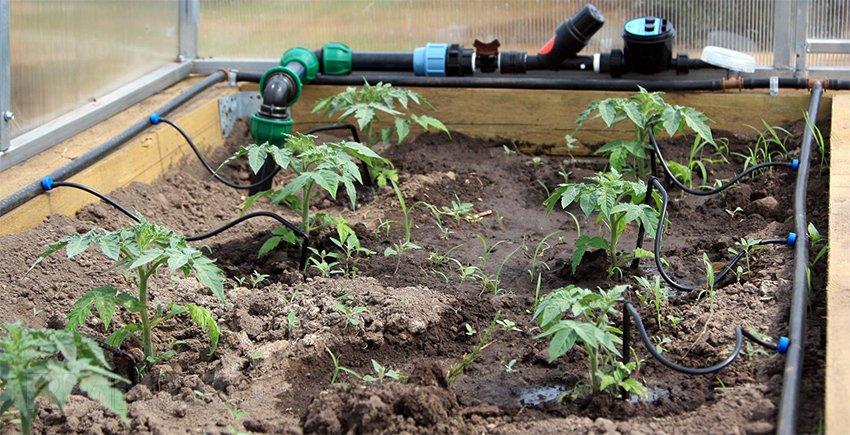
With spot irrigation, each plant is placed in a separate tray, separate from the nutrient reservoir. Plants are watered individually through a pipe attached to a pump. The pump is controlled by a built-in timer. If you need to increase or decrease the frequency of watering, use the watering regulators attached to the pipe.
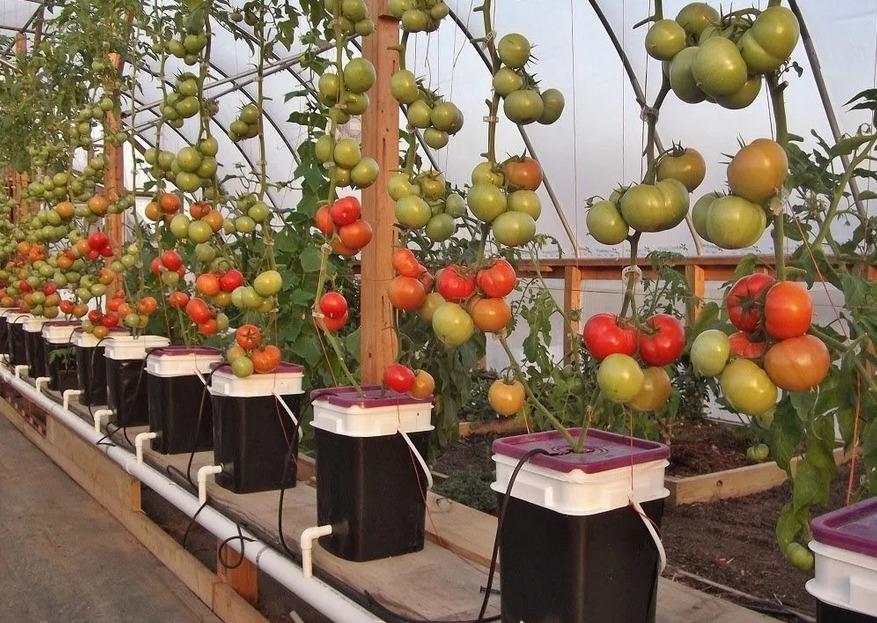
Spot irrigation is a versatile option that can be adapted to different tomato varieties. This is achieved by using drippers with varying intensities.
Periodic flooding scheme
To use the flooding system, two containers are connected at the bottom with a plastic hose. The larger container serves as a nursery, while the smaller one acts as a water reservoir. To flood the nursery with nutrient solution, simply place it on a stand. After a while, the reservoir is lowered, and the liquid gradually drains back into the smaller container.
The advantage of the intermittent flooding system is its simple design and low cost of operation. The obvious disadvantage is the need for constant personal intervention due to the lack of a built-in pump and timer.
Irrigation system for passive hydroponics
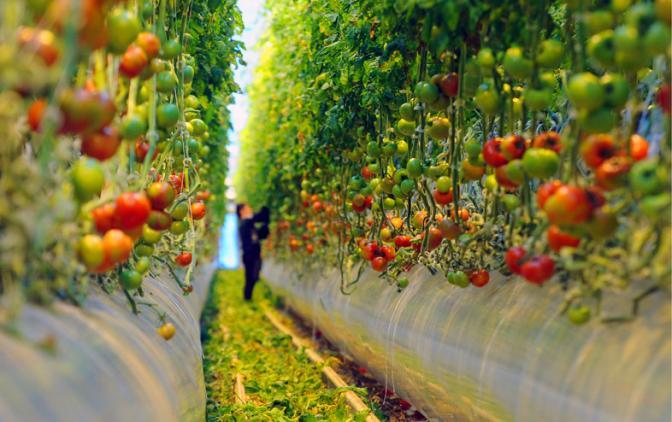
Passive hydroponics operates without a pump, relying on capillary action from a wick. Plants are placed in a container with an inert substrate, and a nutrient solution is placed beneath the pot. A wick, made of cotton or synthetic fabric, is threaded through holes in the bottom of the pots. Capillary action delivers the nutrient solution to the plant roots.
Substrate for growing tomatoes hydroponically
Hydroponic tomatoes can be grown using a variety of substrates. These materials have different characteristics, so when choosing, it's important to familiarize yourself with the detailed descriptions and advantages of each option.
Hydrogel
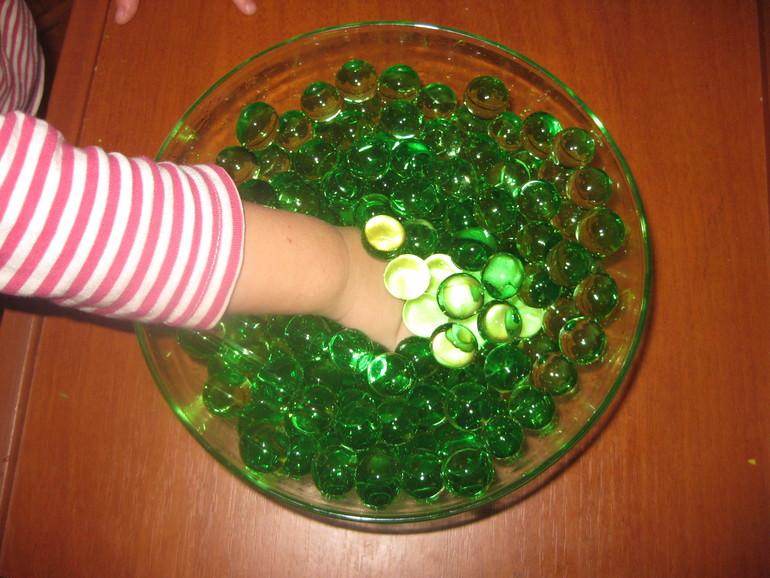
Hydrogel, produced in granular form, consists of polymer balls of varying colors. Due to its decorative appearance, gardeners often use hydrogel for decoration. Small granules are used for germinating seeds, while larger ones are added to the soil when planting tomatoes and other vegetables.
Before use, the hydrogel is soaked in water to absorb moisture and expand. Fertilizer can be added to the water to maximize the benefits of the polymer material. The granules themselves do not contain nutrients, so water-soluble fertilizers will promote active growth and development of seedlings.
Gravel
Loose gravel consists of fragments of broken, hard rock. It is typically used as a substrate when no other substrate is available. In hydroponics, quartz or silica gravel, which does not contain calcium carbonate, is required. This material is recommended only for systems with periodic flooding.
Sawdust
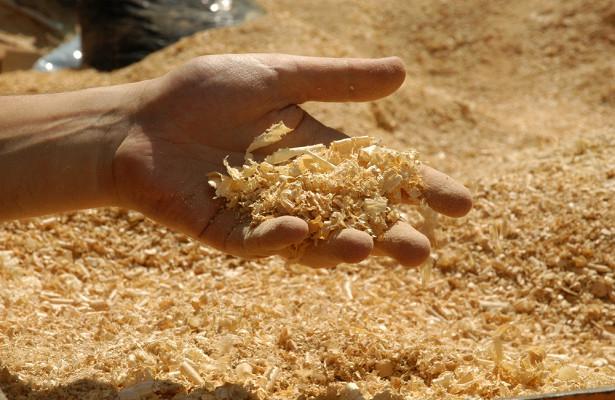
Wood sawdust is rarely used in its pure form, but is added to mixtures. Sawdust compost is suitable for hydroponics, as it forms a low-density, porous substrate. This material does not have sufficient water retention capacity, so it requires frequent watering.
Expanded clay
Expanded clay, artificially created from clay, has a versatile purpose. The material is suitable for hydroponics with periodic flooding, spot watering, and passive tomato cultivation. Expanded clay can be reused multiple times after disinfection.
Mineral wool
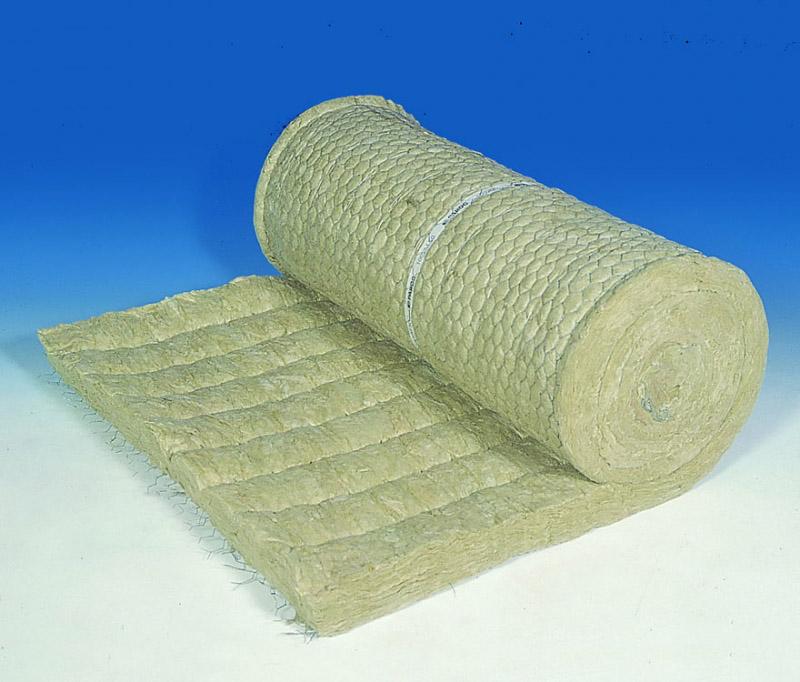
In hydroponics, mineral wool is used at all stages—from seed germination to harvest. The material is sterile, preventing the growth of microorganisms harmful to tomatoes. Mineral wool is composed of elastic fibers that allow plants to develop freely and receive sufficient oxygen and nutrients from the nutrient solution.
Coconut filling
Coconut substrate is made from coconut shell residue. This dried organic material is suitable for growing plants using hydroponics with spot irrigation. The advantages of coconut litter include:
- antibacterial qualities;
- high oxygen permeability;
- the ability to retain large amounts of moisture.
Moss and peat
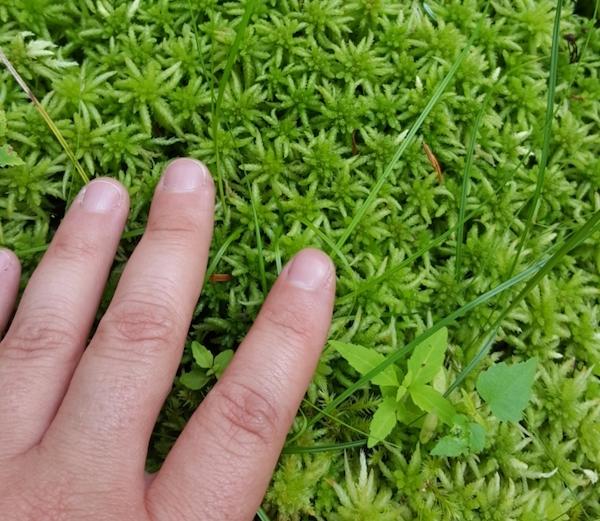
Moss is a living plant that grows in bogs and then decomposes into peat. In its dry, compressed state, the material is added to various mixtures. The substrate is especially valuable if the pH tends to increase.
Nutrient solution
Hydroponic solutions can be purchased or made at home by adding a number of components to the water. There are several types of solutions, and the choice depends on the variety of tomatoes being grown. To check whether the solution contains sufficient nutrients, measure its electrical conductivity.
Take a look Also

How to plant seeds and grow seedlings
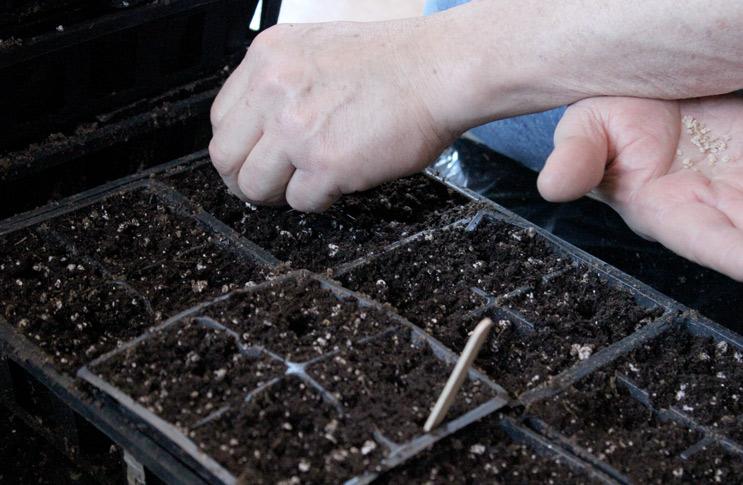
Before planting, the seeds are disinfected in a potassium permanganate solution, and only healthy seeds are selected. The seeds are sown in the selected substrate and growth stimulants are used to promote active germination.
Proper care of seedlings
Growing seedlings using hydroponics technology requires simple care. For the development of seedlings, regular watering, use of fertilizers and pollination of tomatoes are necessary.
Frequency of watering and fertilizing bushes
For fragile young seedlings, water them using a pipette. After transferring the plants to the hydroponic system, spot irrigation is recommended. Tomatoes are best moistened with room-temperature water. Soluble fertilizers can be added to the irrigation solution to direct nutrients to the roots.
Staking tomatoes and pollinating them
Tomatoes require support when growing tall or large-fruited varieties. Strong rope or wire can be used to support the plants. Pollinate tomatoes by growing nearby plants, which carry pollen to the blossoms. Pollination can also be done manually using a soft brush.
Harvesting
As the fruits ripen, they are carefully picked or cut off with garden shears. The fruiting period for different tomato varieties varies from a couple of weeks to several months, so this should be taken into account when choosing the right variety. If some of the fruits remain green for a long time, they can be left to ripen artificially, and the hydroponic system can be used to plant new plants.
Reviews from gardeners about this growing method
Vasily Nikolaevich: "At first, I thought growing tomatoes hydroponically would be difficult, but I quickly figured it out and had no trouble growing a large crop. I plan to experiment with different growing mediums."
Nina Alexandrovna: "I've been growing tomatoes hydroponically for a long time, and I'm always pleased with the yield. Even with minimal care, the fruits grow large and have a rich, flavorful flesh. Expanded clay and hydrogel are usually used as a substrate."
Related posts:
 What is the best way to feed tomato seedlings to make them plump?
 How to prepare tomato seeds for planting seedlings
 Creating hydroponics for cucumbers at home and the composition of the solution
 The best eggplant varieties for growing in a polycarbonate greenhouse: planting and care
 What is the best way to mulch tomatoes in open ground and greenhouses?
 What fertilizers and when to use for feeding tomatoes in a greenhouse
 Is it possible to soak treated cucumber seeds before planting and how to do it correctly?
 Technology for growing tomatoes in buckets in open ground and greenhouses