
The Carolina f1 cucumber, described in the Russian State Register of Vegetable Crops, is intended for cultivation in film-covered and glass-enclosed greenhouses. Growing this variety outdoors is only possible in warm climates without extreme temperature fluctuations.
Hybrid seeds are sold in specialized brand stores. Cucumbers can be stored for a long time and withstand transportation over any distance. The fruits are used fresh and for canning.
Technical data of the crop
Carolina's characteristics and description are as follows:
- This hybrid is an early-ripening plant. The first fruits can be picked 40-45 days after germination.
- Carolina bushes grow to over 140-160 cm tall. The plant has a robust root system. Hybrids of this type produce numerous ovaries on their stems. The bushes have a medium number of green leaves.
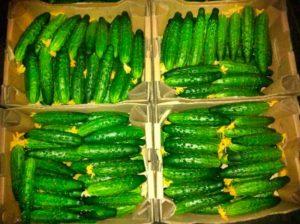
- The fruits are cylindrical and dark green in color. Small bumps appear on the surface of the cucumbers. They are not prone to overgrowth.
- The average cucumber weight ranges from 90-95 g with a length of 120-140 mm. The cucumber diameter is 35-40 mm.

Reviews from farmers growing Carolina indicate that the cucumber hybrid yields 11-13 kg per square meter of garden bed. Gardeners note that Carolina is resistant to diseases such as downy mildew, viral mosaic, and powdery mildew. In Russia, growing this hybrid outdoors is recommended only in the southern part of the country. In the central and northern regions, greenhouse systems are recommended.
Growing seedlings
The seed producer advises gardeners to plant seeds between April and June. The exact planting time depends on the specific climate conditions in the farmer's area. To get the earliest possible harvest, it is recommended to grow Carolina from seedlings. The plant bears fruit until autumn.
Planting of seedlings occurs after the risk of sudden nighttime temperature drops has passed. For both direct sowing and seedling cultivation, seeds are placed in the soil to a depth of 30-40 mm. Pre-treatment of the seed is not required, as the manufacturer treats the seeds with special preparations.

The soil in the boxes or beds should be fertilized with organic mixtures. Water the seeds with warm water. Sprouts appear six days after planting. Feed the growing bushes with complex mineral fertilizers. When the seedlings have 4-5 leaves, they are transferred to their permanent soil.
The bed is first disinfected with potassium permanganate. The soil is loosened, nitrogen fertilizer is added, and the plant is watered generously. The hybrid is planted at a spacing of 0.5 x 0.3 m. Planting young plants too closely together is undesirable, as this will reduce yield due to insufficient ventilation of the shoots.
Caring for a hybrid
Loosen the soil in the bed 1-2 times every 4 days. Experts recommend mulching the soil. This will create the necessary conditions for oxygen to reach the hybrid's roots. Along with aeration, the roots will improve their ability to absorb nutrients from the soil. Loosening and mulching the soil will speed up the growth of the plants.

These procedures kill insects and their larvae, which can damage cucumber roots. At the same time, the plants' immunity to various fungal and bacterial infections is increased.
The plant requires regular weeding, which should be done once a week. It's important to completely eliminate weeds, as they carry various diseases. Weeding also kills insects that live on weeds. These insects pose a particular risk to cultivated vegetables, as they can destroy cucumber seedlings.

Fertilize the plants once every 8-10 days. Water-soluble mineral or organic fertilizers are recommended. The first feeding is done a week after planting the seedlings in the ground. The second feeding is done when the hybrid begins flowering. The third feeding is done when the first fruits are forming.

Although Carolina can tolerate a lack of moisture, it is better for the gardener not to experiment with this property of the plant. Watering should be done late in the evening, when the sun sets. For this purpose, medium volumes of warm water settled in the sun are used.

Garden pests (mites, aphids, flying insects) and their offspring are controlled using chemical pesticides. If these are unavailable, experts recommend using copper sulfate, soap solution, and garlic infusion to kill insects. If slugs appear, they can be repelled by adding wood ash to the soil.
Related posts:
 Is it possible to soak treated cucumber seeds before planting and how to do it correctly?
 The best eggplant varieties for growing in a polycarbonate greenhouse: planting and care
 Carrot care guidelines for outdoor cultivation to ensure a good harvest
 How to properly plant peas in a greenhouse and open ground
 How to plant carrot seeds in open ground, timing and sowing methods
 Why didn't the carrots sprout and what should I do? How to plant them so they sprout quickly?
 Methods for planting and propagating cherries at home
 How to propagate and grow peas, cultivation technology, and care in open ground