
- Timing
- Depending on the region
- Lunar calendar
- Deadline
- Preparing the soil for sowing
- Selecting a site
- Digging
- Fertilizer
- Predecessors
- Tomatoes
- Potato
- Pumpkin
- Zucchini
- Cucumber
- Cabbage
- Onion
- Garlic
- Neighborhood with onions
- Preparation of planting material
- Soak
- Germination
- Heat treatment
- Bubbling
- The old-fashioned way
- Sowing methods
- Using a hand seeder
- Maple-1
- SMK-5
- Sowing with sand
- Using paste
- Seeds in granules
- Ribbon
- In a bag
- With the help of the mouth
- Strainer
- Mixed
- Classical
- Laying eggs
- Care
- How to water correctly
- Weeding and loosening
- Top dressing
- Thinning
- How to dive
- Diseases and pests
- Seedling method
- Pros
- Cons
- Answers to questions
Every gardener wants to grow delicious and healthy root vegetables in their own garden. To do this, you need to know how and when to plant carrot seeds outdoors, as well as how to properly care for the seedlings. And the vegetables grown in the garden will serve as a delicious ingredient for a multitude of culinary masterpieces.
Timing
Choosing the right time is essential for a high-quality harvest when planting carrot seeds outdoors. Gardeners rely on their experience and acquired knowledge. Some begin planting according to the manufacturer's recommendations, while others try to follow the lunar calendar.

Depending on the region
Although carrots are cold-resistant crops and can withstand temperatures as low as -4 degrees Celsius, when choosing the time to plant seeds in open ground, it is important to consider the climatic conditions of the region where the bed of delicious carrots will be located.
In southern latitudes, it is recommended to sow carrot seeds in open ground after the snow melts, in the last ten days of March or early April.
In the central zone, planting work should begin in late April or the first ten days of May, and in Siberia and the Urals - not earlier than May.To enjoy carrots as early as possible, plant the seeds outdoors in the fall or spring, in April. For long-lasting harvests, it's best to plant them later—in May or at the latest in the first ten days of June.

Lunar calendar
A thousand years ago, people developed a lunar calendar, which has been used for centuries and is still popular today, helping to determine what to plant in the garden and on what dates. So, you can open a carrot planting calendar from the beginning of the year and plan your plans.
When is the best time to plant carrots in 2025?

Starting in April, sow late-season carrot seeds, but cover the bed with plastic to protect from frost. Starting in late April and continuing through the first ten days of May, plant late-season varieties. At the end of May, plant only early-season varieties.
Deadline
Delicious carrots can be planted before winter, in November. The seeds are frost-resistant. The sprouts emerge at temperatures of 3-4 degrees Celsius, so they can be seen as early as April. However, for fall planting, choose frost-resistant varieties.

Preparing the soil for sowing
Gardeners should prepare the root vegetable bed in the fall. To enjoy a bountiful harvest, well-loosened soil is preferred. If the soil is loose, rake it. Otherwise, it's important to loosen it thoroughly, as the harvest will be characterized by small, crooked roots.
Selecting a site
When choosing a planting site, keep in mind that carrots are sun-loving vegetables. Therefore, it's best to plant them in open areas where they receive full sun throughout the day. Even slight shade can stunt the growth of the carrots.Carrots prefer light, loose, loamy and peaty soil with neutral or slightly acidic acidity (6.3-7.5 pH).

Digging
Begin preparing the selected site in the fall by digging the bed to a depth of 25 cm. It's also important to clear the area of all weeds and remove all large stones from the soil.

Fertilizer
Fertilize the soil in the selected bed in the fall, mixing it with nutrients such as compost, peat, and sand. It is recommended to add well-rotted manure. It is important to note that using fresh manure will negatively impact the harvest: the bushes will have dense tops, and the fruits will have an unpleasant taste, be small, and be misshapen.
Because carrots react negatively to acidic soil, it's necessary to enrich the area with ash and dolomite flour. After fertilizing the soil with all the nutrients in the fall, in the spring all that remains is to loosen the bed and proceed to the next step—sowing the seeds outdoors.

Predecessors
Vegetable crop rotation is the necessary rotation of plants grown in garden beds. To obtain a high-quality harvest, it's important to understand all the intricacies and nuances of this agricultural technique.
Tomatoes
There are no contraindications to planting carrots after tomatoes. However, they don't grow very well after tomatoes. To stimulate their growth, you'll need to enrich the soil with minerals.
Potato
Gardeners follow this principle: after the roots, the tops should be planted. Therefore, carrots are not planted after potatoes.

Pumpkin
Carrots will thrive in areas where pumpkins were grown.
Zucchini
A good predecessor is zucchini.
Cucumber
Carrots can also grow in former cucumber beds, but only after two years. Cucumbers leave behind organic matter in the soil, and the plant doesn't tolerate excess organic matter and often dies early in its development.
Cabbage
It is permissible to plant orange root vegetables after cabbage.
Onion
The optimal solution is to sow carrot seeds in an area where onions were grown last year.

Garlic
A suitable predecessor for carrots would be garlic.
Neighborhood with onions
Delicious carrots can be planted in the same bed with onions. These vegetables are considered good, mutually beneficial neighbors. It's important to maintain a distance between the crops, as onions grow more vigorously and can choke out the carrots.
Preparation of planting material
The essential oil found in carrot seeds prevents moisture from reaching the embryo, which inhibits germination. Therefore, before planting outdoors, pre-planting preparation is performed by soaking the seeds, germinating them, and subjecting them to heat treatment.

Soak
Before sowing outdoors, soak carrot seeds for 3 days and let them dry. This will help reveal any unviable seeds and speed up germination.
Germination
Line a deep container with cheesecloth and pour in the carrot seeds. Cover with a damp, but not dripping, layer of cheesecloth. Place the container in a warm place. Turn the cheesecloth and carrot seeds regularly to increase oxygenation.
You can germinate the seedlings using growth stimulants. To do this, place a cheesecloth bag containing carrot seeds in a container with the solution diluted with warm water. Soak for 12 hours, then dry and plant outdoors.

Heat treatment
Place the seeds in a cloth bag and submerge them in water at 50 degrees Celsius (122 degrees Fahrenheit). Then, immediately cool the carrot seeds with cold water and, once dry, sow them outdoors. This will eliminate any internal infection and increase the chances of uniform germination.
Bubbling
This method involves treating carrot seeds in water with oxygen, which promotes active sprouting. Place an aquarium air pump and the seeds in a container of water. The air flow should move them evenly. The process lasts approximately 24 hours, changing the water every 12 hours. Dry the seeds until they are free-flowing and sow them outdoors. The carrot seeds will sprout within a week.

The old-fashioned way
Place the plant seeds in a cloth bag and bury them in moist soil at a depth of 25-30 cm for two weeks. During this period, the seedlings will swell and undergo natural stratification, which will positively impact their immunity. Before sowing outdoors, remove the bag from the soil, dry it, and sow.

Sowing methods
To make carrot cultivation easier, gardeners are finding new ways to sow plants without thinning.
Using a hand seeder
Experienced gardeners are acquiring hand seeders. These tools are considered the ideal solution for those with large areas dedicated to cultivating vegetable crops from seeds in open ground.

Maple-1
This unit ensures carrot seeds penetrate the soil to the required depth, ensuring the planting material is not damaged and is used efficiently.
SMK-5
The device allows carrot seeds to be planted to a predetermined depth, evenly distributing them throughout the soil without damaging the planting material, and accelerating planting operations by 5-10 times.
Sowing with sand
To plant carrot seeds evenly in open ground, combine them with dry sand so they don't stick together and are evenly distributed in rows.
Using paste
To make the paste, combine a tablespoon of flour with 1 liter of water. Place the mixture on the stove and turn the heat to low. Bring it to a boil. Pour the mixture over the carrot seeds, after cooling it to 35 degrees Celsius. Stir the mixture and pour it into the furrows in a thin stream.
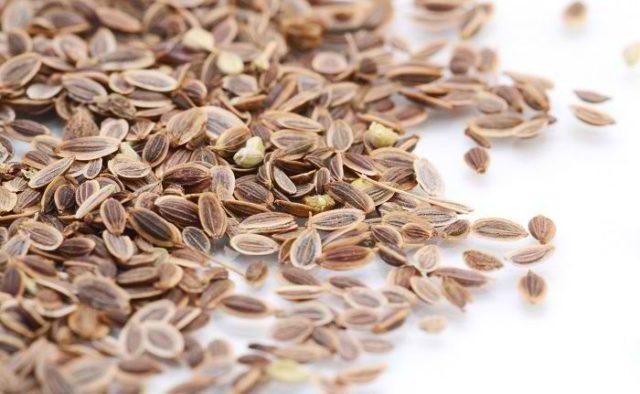
Seeds in granules
Place pelleted carrot seeds, which have a protective and nutritious coating, into the furrows, keeping a distance of 5-7 cm from each other. It's important to purchase planting material from reputable producers.
Ribbon
Buy carrot seeds glued in a row onto a long paper strip. This way, the seeds are already spaced at the desired distance. To sow, stretch the strip along the bed, cover with soil, and water. The paper will swell in damp conditions, and the carrot seeds will germinate.
In a bag
In winter, place carrot seeds in a cloth bag. When spring arrives, transfer the bag, without removing it, to the planting hole. After 2-3 weeks, sprouts will form. Combine these with sand and plant them in open ground.

With the help of the mouth
Place carrot seeds in a glass, add a little warm water, and stir. Scoop the mixture into your mouth and spit it into the holes. Repeat this process until the bed is planted.
Strainer
To sow, use a sieve. Place the carrot seeds in it. Walk along the bed, scattering them into the holes. It's important to maintain the proper distance between the seeds. Then, cover the seeds with soil and moisten.
Mixed
This method involves mixing carrot and radish seeds and adding river sand to make sowing easier. Sprinkle the mixture into the holes and water thoroughly.

The radishes sprout first, ripening quickly and being eaten, followed by space for the carrots. Because the various seeds are intertwined, the sprouts are less dense and don't require thinning.
Classical
Sow carrot seeds in open ground, keeping a distance of 3-5 cm between rows and 15-20 cm between furrows.
Laying eggs
A simple method for creating even carrot beds. To do this, use egg carton molds. It's best to use two, nesting one inside the other: this will ensure a sturdy structure. Then press the molds into the soil to create even rows, into which you can sow 1-2 seeds.

Care
When growing carrots from seeds in open ground, it is important to organize care, which must be carried out in accordance with all the rules.
How to water correctly
Water the plants moderately throughout all stages of development. Proper watering will allow you to enjoy uniform, juicy vegetables.
Weeding and loosening
It is important to constantly remove weeds and loosen the soil in the beds to saturate the soil with moisture and prevent crust formation.

Top dressing
Fertilize twice during the growing season: 30 days after germination and 60 days later. Ideally, feed the plant with a liquid nutrient solution.Before applying fertilizer, water the carrots in advance.

Thinning
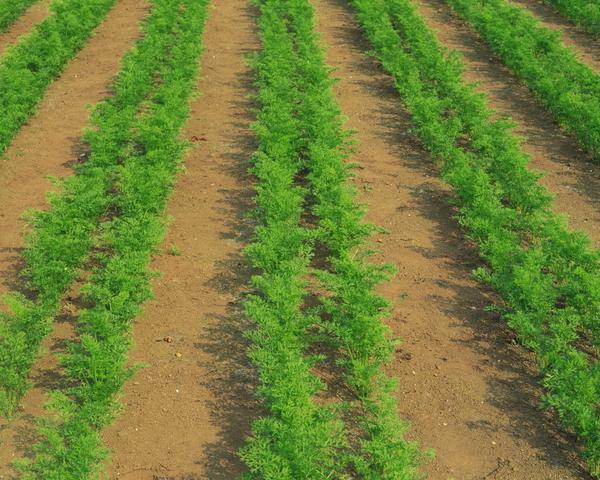
One of the agricultural practices is thinning. No matter how hard gardeners try, small seeds still fall close together when planted, which prevents root vegetables from developing properly. If this practice is ignored, the vegetables will grow thin and sickly, rot during storage, and be unfit for consumption. Thinning should be done on the 12th and 22nd day from germination.
How to dive
At the beginning of the transplanting process, moisten the soil. Loosen the soil around the seedlings with a stake. Remove one plant with your fingers by the leaves. Plant it in the hole and firmly secure it by pressing the soil around the stem.
Diseases and pests
Carrots demonstrate resistance to diseases, but the risk of disease and pest infestation should not be ruled out, and all plant protection measures should be carried out promptly.
As the crop grows, it is susceptible to harmful microorganisms. Fungal diseases, which cause rotting and spoilage of the fruit, are dangerous.
It is important to carry out preventive measures, namely, observe crop rotation, plant on time, apply potassium-based fertilizers, loosen the soil, and destroy plant residues in the fall.

Carrots are vulnerable to the insidious carrot fly. A golden-brown discoloration on the foliage signals its presence. Affected vegetables develop a bitter taste, become loose, and unfit for consumption. To prevent this insect from appearing, loosen the soil in the beds and avoid standing water and shade. If the insect is detected, destroy it with insecticides.
Seedling method
When growing carrots, you can use the seedling method. It's important to consider all the advantages and disadvantages of this method.
Pros
Advantages:
- the harvest will delight you a month earlier;
- care excludes such an activity as thinning;
- The vegetable is less susceptible to attack by carrot fly.

Cons
Flaws:
- root crops grow small, short and gnarled;
- the activity is quite labor-intensive and positive results are not always noted;
- The harvest does not keep well, and some fruits are even unfit for consumption.
Answers to questions
Gardeners are concerned about growing carrots from seedlings, knowing that the crop doesn't like being transplanted. With experience cultivating carrots this way, seedlings can even outgrow carrots planted from seeds.

To do this, take candy packaging boxes, fill them with moistened potting soil, and sow two candies in each box. Cover the boxes with a plastic bag and store in a warm place. Seedlings will appear within a week, and the first true leaves will emerge within 15 days.
When transplanting carrots into open ground, follow the planting pattern. Dig rows 15 cm deep in the garden bed and amend them with compost. Water the seedlings and plant them 6 cm apart. Cover the bed with grass clippings to prevent the plants and soil from drying out. Subsequent care should be carried out as usual, without thinning.
Vegetables from the garden are the healthiest and tastiest! Therefore, taking into account all the nuances and adhering to the rules when growing carrots from seeds in open groundEven a novice gardener, if he or she wants, can manage several beds of unpretentious plants.
Related posts:
 How to control carrot flies with medications and folk remedies
 Is it possible to plant carrots in July or at the end of June? What are the best days and care instructions?
 Carrot care guidelines for outdoor cultivation to ensure a good harvest
 Timing and rules for planting carrots in winter, which variety is best to choose
 Why didn't the carrots sprout and what should I do? How to plant them so they sprout quickly?
 What is the best way to feed carrots? Fertilizers and preparations, using folk remedies.
 50 Best Carrot Varieties with Descriptions and Characteristics
 How and when to thin carrots in open ground