
Cucumbers are the most common seedlings planted by every gardener. However, this crisp fruit is susceptible to diseases that not only spoil the quality of the harvest but also destroy the plant. The first thing to do when noticing holes appearing on cucumber leaves is to determine the cause and begin immediate treatment.
What diseases cause holes in leaves?
There are many reasons why holes appear in cucumber leaves. This could be sunburn from dew that forms in greenhouses on warm days, or a more serious problem—a fungal disease. Therefore, it's important to identify the cause of your seedlings' illness promptly.
Olive spot
Or cladosporiosis is a dangerous fungal disease. In just 8 days, all stems and leaves can die, and the fruit can rot. It is incredibly resistant to various weather conditions, including cold. The spread period is from early June until the end of summer.
Gray rot
Fungal rot typically appears in mid-July. During this period, fungal spores begin to actively attack seedlings, especially those grown in greenhouses, where the ideal microclimate for the disease develops. The disease manifests itself five days after the plant is infected. The effects of the fungal attack are most pronounced on fruit, which cannot be eaten after infection.
Powdery mildew and downy mildew
The most common fungus, powdery mildew appears from mid- to late summer. It results in complete foliar damage, moisture loss, and a significant reduction in yield.
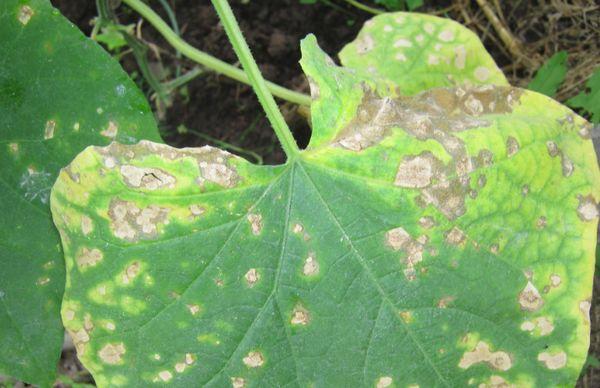
Downy mildew, or peronosporosis, is a subtype of the disease. It can occur throughout the summer. The consequences of fungal infection are dire: cucumber seedlings die, and the infection quickly spreads to other crops in the garden.
Causes and factors of disease development
Olive spot pathogens include dirty tools, clothing, insects, and infected weeds. The risk of infection is highest in warm, humid weather.
Reasons for fungal activation:
- drafts;
- high humidity;
- change of weather;
- sprinkler irrigation.
Gray mold is caused by contaminated seeds, soil, or plant debris. Insects can also act as carriers during pollination.
Factors causing the appearance of gray mold:
- damage to plant tissue after disease or pest;
- untimely cleaning of the greenhouse and pruning;
- use of untreated seeds;
- lack of fertilizers and excess nitrogen;
- watering with cold water;
- high humidity.
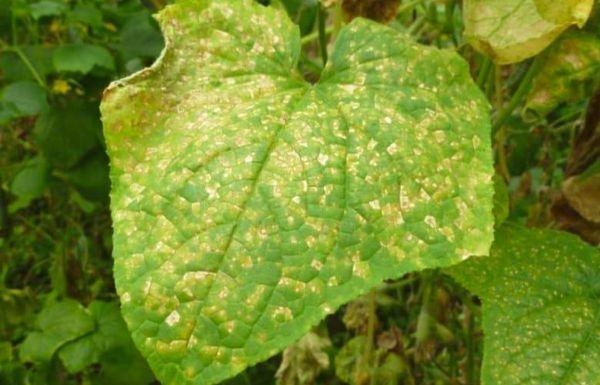
The causes and factors for the development of powdery mildew and downy mildew are similar. The pathogens are infected seeds or last year's tops. Ideal conditions are cool and humid. Spores are spread by water and wind.
The development of mildew spores is influenced by:
- high humidity;
- regular moisture on the leaves;
- temperature fluctuations;
- watering with cold water.
Signs of cucumber damage
When infected with olive spot, the fruit begins to distort. Small spots then develop, developing into tiny, wet holes called ulcers. If the infection affects the stems and leaves, small spots form on them, after which the foliage dries up.
The presence of gray mold is indicated by small, irregular, yellowish, waterlogged spots on leaves and stems, which destroy plant tissue and turn grayish-brown. Gray, slimy spots appear on the infected fruit, which then becomes completely covered with a gray fluff—the fungal spores.
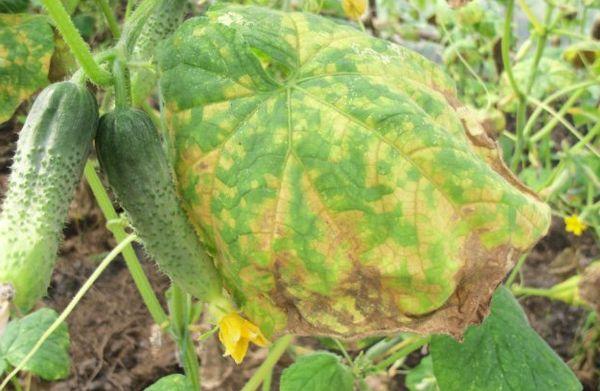
If powdery mildew has formed on seedlings, the main sign will be a white coating on the underside of the leaf, and small, round, whitish spots on the upper surface that darken over time. After some time, the foliage will lose its green tint, curl, and dry out.
The formation of small yellowish spots on the top of the leaf and grayish-purple spots on the bottom indicates a downy mildew infestation. The spots are slimy but eventually dry out, drying out the leaf and causing it to die.
How to treat the bushes?
Treating cucumber fungus is challenging, but effective. Both specialized treatments and folk remedies can help combat the disease.
Take a look Also
Chemicals
Olive leaf spot is treated with copper-containing products such as Oxychom, Hom, Bordeaux mixture, or fungicides. Fitosporin is also suitable.
- In case of gray mold infection: Rovral, Euparen multi, Hom, Zaslon, Bayleton.
- Preparations against powdery mildew: Novosil, Topaz, Privent, Kumulus, Karatan.
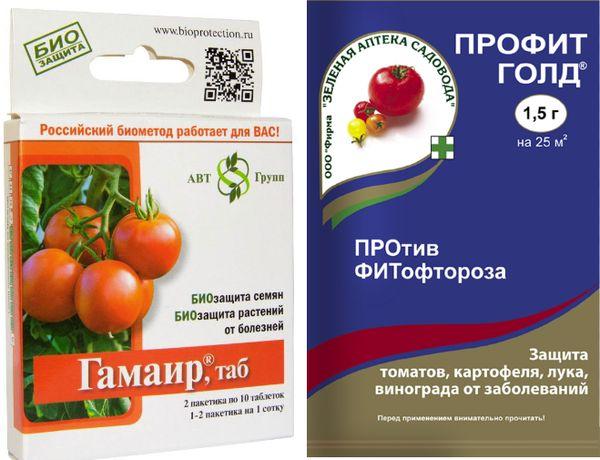
- Powders against downy mildew: Vitaplan, Fitosporin-M, Proton Extra, Profit Gold, Gamair.
Folk remedies
To combat Cladosporiosis: 10 liters of water, 40 grams of copper sulfate, and 40 grams of liquid soap. Alternatively, you can dust the affected areas with ash.
To combat gray mold, mix one glass of ash and one teaspoon of copper sulfate; one glass of chalk, one glass of ash, and one teaspoon of copper sulfate.
Powdery mildew fears: 50 grams of baking soda and 50 grams of soap diluted in a bucket of warm water. A solution of potassium permanganate (2 grams per 10 liters) is also recommended, as is a 1:1 mixture of sour milk and water.
For downy mildew: kefir and iodine (a drop per liter); dust the beds with ash.
Timing and frequency of treatments
Treatment periods for olive leaf spot are 7-10 days. Treatment is carried out in two stages. Treatment for gray mold is also carried out twice, 10-14 days apart. Powdery mildew treatments are applied at least twice, every 14 days. For downy mildew, treatments are applied at least twice, 7 days apart.
Spraying and disease control techniques
If infected with Cladosporiosis, seedlings should be sprayed only before midday. After spraying, the cucumbers should be air-dried. During the fight against the fungus, watering should be avoided for 6 days, regular ventilation should be provided on warm days, and a temperature of 20-25°C should be maintained on cold days.
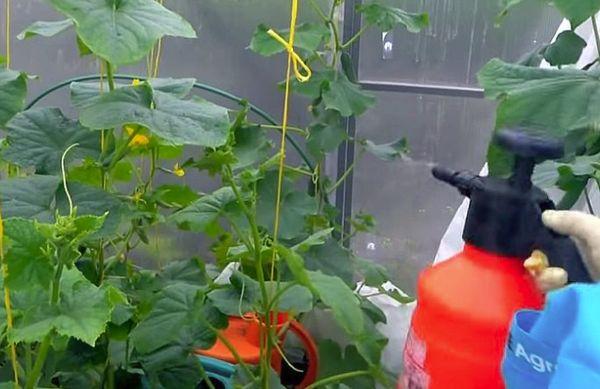
Spray gray mold with a special sprayer after the dew has subsided in the morning and before it appears in the evening. Repeat the procedure in rainy weather, as the product must remain on the plant for at least two hours. Spray from the bottom up to cover the underside of the leaf. Treat the soil in addition to the seedlings.
Important! Wear a protective mask and gloves when performing treatment. Stop watering during treatment and burn any affected leaves.
When spraying plants against powdery and downy mildew, use a sprayer. Spray from the bottom up, targeting the lower leaf blades. If powdery mildew is present, do not water or fertilize the seedlings; burn any damaged foliage. For downy mildew, water only in furrows with warm water and destroy any plant debris.
Preventive methods of control
To prevent a relapse or infection with a new disease, you must follow simple rules:
- seed treatment – destruction of darkened and damaged seeds, disinfection and hardening measures;
- soil preparation and disinfection of tools and greenhouse;
- avoid planting plants too close together;
- regular pruning;
- watering with warm settled water;
- temperature, humidity and ventilation control;
- timely feeding and spraying.
Related posts:
 How to treat grapes for mildew, the best control measures and treatment rules
 Causes of powdery mildew on zucchini and methods of disease control
 Causes and treatment of powdery mildew on cucumbers, control measures using folk remedies
 Sulfur control of powdery mildew on gooseberries using folk and chemical remedies
 How to combat white plaque on grape leaves and what is the best treatment
 Causes and treatment of powdery mildew on apple trees, control and treatment rules
 Types of fungicides for cucumbers in a greenhouse and instructions for use
 Instructions for using Falcon fungicide for treating grapes