
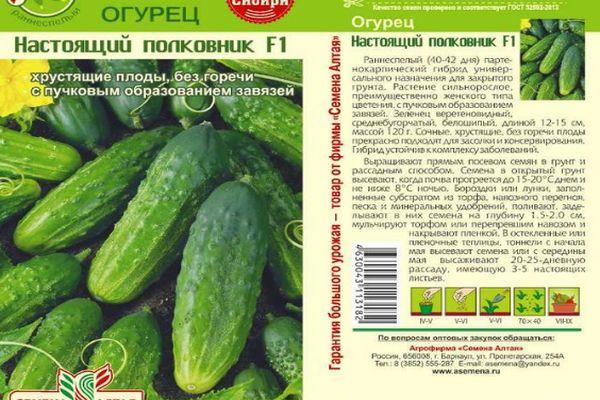
Colonel cucumbers are grown in greenhouses and hothouses. The plant is included in the Russian State Register. Colonel cucumbers are eaten fresh, canned for winter storage, and pickled. A hybrid variety of this variety can be grown outdoors.
Briefly about the plant and its fruits
The characteristics and description of the Real Colonel cucumber variety are as follows:
- Fruits appear on the branches of the bushes 45-50 days after planting the seedlings in the ground. Unlike other cucumber varieties, the true Colonel produces uniform shoots, and individual fruits do not outgrow.
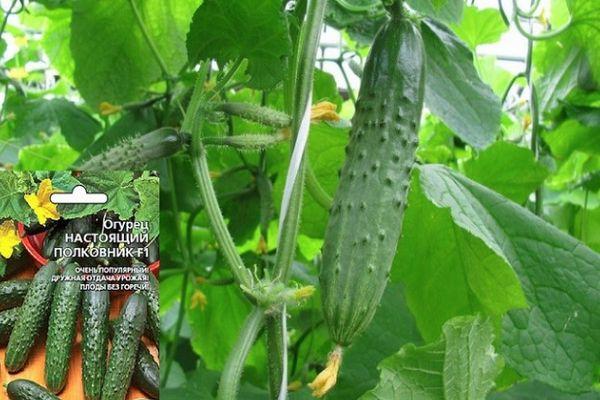
- The bushes grow up to 220 cm tall and produce clustered ovaries. Like most hybrids, the true colonel belongs to the group of bee-pollinated plants, although it can also self-pollinate.
- The leaves on the stems are medium-sized, smooth at the edges, and green in color.
- The bushes have medium branching, which makes harvesting easier.
- Like any bee-pollinated species, the described cucumber has simple female-type inflorescences.
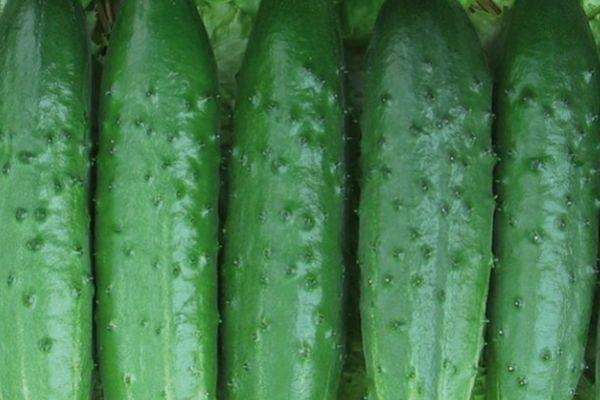
- The fruits are cylindrical, colored in dark shades of green. Cucumbers range from 70 to 95 mm in length and 3-3.2 cm in diameter.
- The weight of the fruits ranges from 85 to 110 g. Their surface is covered with small spines.
- The cucumber has a thin skin covered with white fuzz. Its flesh is quite juicy and not bitter. There are no cavities inside the fruit.
Farmers who grow this variety note that the plant is susceptible to downy mildew and powdery mildew. However, it is resistant to another disease, cladosporiosis. To ensure a good harvest, it is recommended to treat the "real colonel" bushes with the appropriate medicinal products in a timely manner.
When all agricultural practices and expert recommendations are followed, cucumber plantings yield 10 to 14 kg per square meter of garden bed. Growing this hybrid is profitable for many farmers, as it produces a consistent harvest year after year.

This hybrid is recommended for open-field cultivation only in the North Caucasus. In other parts of Russia, this variety is grown in heated plastic greenhouses, hotbeds, or tunnels.
How to grow a hybrid in your backyard
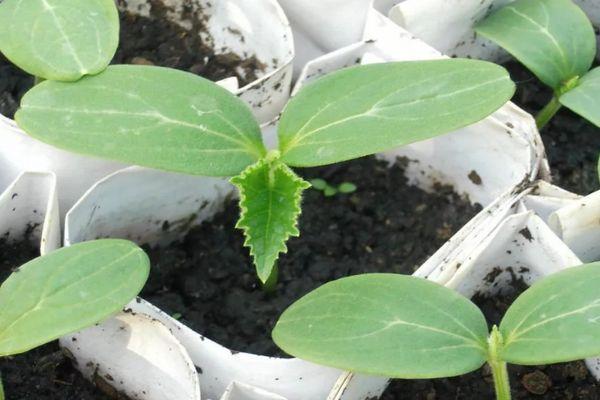
There are two methods for propagating the true colonel. Some gardeners prefer to sow seeds in the garden in early spring. However, this method is only effective in the south of the country. In other regions of Russia, it is recommended to first grow seedlings and then transplant them to permanent soil. This method yields a full harvest 7-14 days earlier than direct sowing.
It's important to select the right soil for the hybrid. It shouldn't be acidic or contain heavy components.
Before planting or sowing seeds, water the soil thoroughly. It's best to use areas previously used for potato or onion cultivation. Tomato, cabbage, carrot, or pepper beds are also suitable. To improve soil composition, add up to 6-7 kg of manure per square meter. The seed or seedling sowing pattern is 7.0 x 70 cm. They are planted in furrows up to 8-20 cm deep.
The plant stems are tied to trellises. To prevent sudden temperature changes from damaging the seedlings, they are covered with sunlight-permeable film for 1-2 weeks. Once the risk of further spring frosts has passed, the film is removed.
It is recommended to water plants with warm water that has been left to stand in the sun 2-3 times a week. The frequency of watering can be reduced if the gardener lives in a region with rainy weather. During hot weather, watering is increased, and during drought, it is carried out every day after sunset.
At the initial stage, the bushes are fed with nitrogen fertilizers, and during the flowering phase, they are given phosphorus mixtures. When fruit appears, potassium and nitrogen fertilizers are added to the soil.
To combat diseases, use chemical protection (such as Fitosporin) or treat the bushes with serum and copper sulfate. The risk of disease can be reduced by planting a hybrid of another plant, such as cucumber lettuce, between the bushes.
Take a look Also

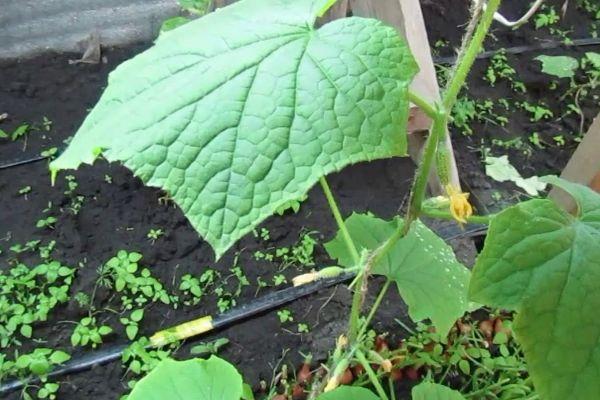
In open ground, the true colonel is grown without shaping. Only the top of the bush is pinched, leaving the main shoot and side shoots alone. If garden pests appear, they are controlled with toxic chemical solutions or folk remedies. Ash flour, applied to the soil around the hybrid's roots, is also suitable for this purpose. This substance repels root parasites and slugs.
Related posts:
 Description of the best varieties of Chinese cucumbers, planting, growing and care
 Description and characteristics of Balcony Miracle tomatoes, growing at home
 18 Easy Carrot Caviar Recipes That Will Make Your Fingers Lick for the Winter
 Description of unusual methods for planting and growing cucumbers
 Description of the Maiden Hearts tomato and its cultivation in greenhouse conditions
 Description of cucumber pests and their treatment, control measures and processing
 15 classic recipes for making tkemali plum sauce at home for the winter
 Causes of cucumber diseases on the balcony and effective methods of their treatment