
The Maiden Hearts tomato is recommended for growing in greenhouse blocks. This variety has a mid-season ripening period. The fruits are quite juicy and have a high sugar content. The berries of this variety are eaten fresh, used to make juices and salads. Some housewives use them in marinades and lecho. This tomato can withstand long transportation.
Technical data of the crop
Characteristics and description of the Maiden Hearts variety:
- The vegetation period of plant development lasts 110-120 days.
- Tomato bushes reach a height of 1.6-2 m, with 4-5 clusters forming in the leaf axils on a single stem. Each cluster bears 4-5 fruits.
- The first ovary is formed above the 11th leaf, and all subsequent ones are formed every 3-4 leaves.
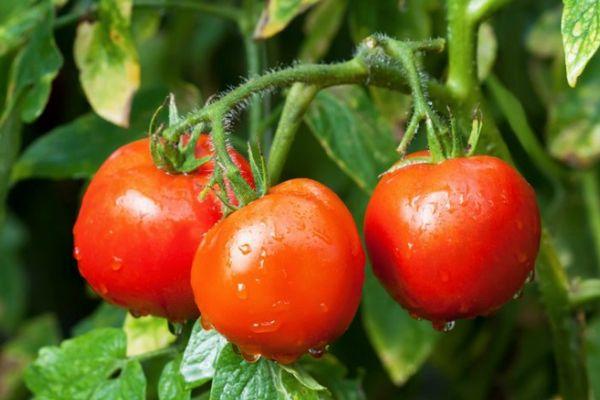
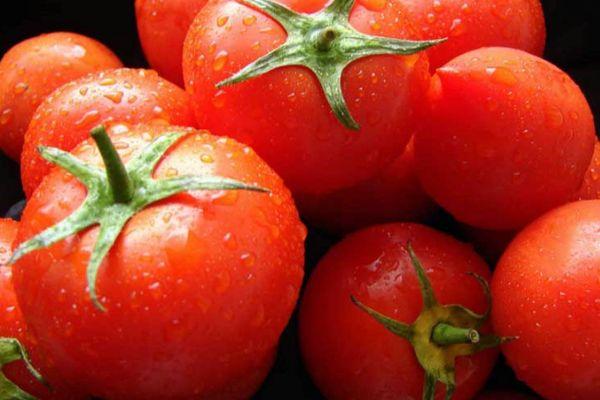
- The fruit is heart-shaped, slightly elongated at the base. Ripe berries are vibrant shades of scarlet.
- Fruit weight ranges from 0.15 to 0.17 g. Gardener reviews indicate that, if all cultivation requirements are met, it is possible to obtain fruits weighing up to 0.3 kg on the lower branches of the tomato plant. Tomatoes of this variety have a medium density.
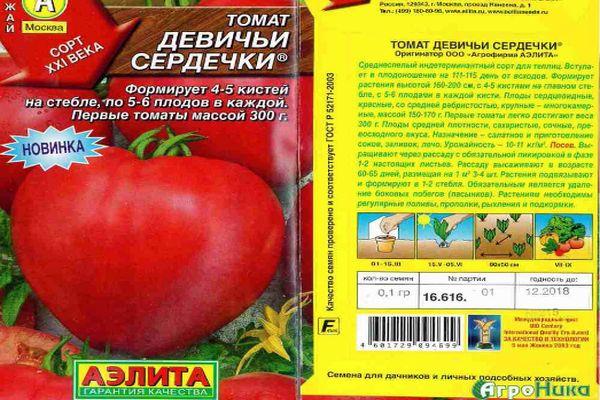
Experience shows that farmers yield up to 11 kg of fruit per square meter of garden bed. Gardeners consider the need to remove side shoots a drawback of this variety. Up to two lateral shoots develop from each leaf axil. With frequent fertilization, side shoots also grow from the flower cluster.
Another drawback of this variety is the need to protect the bushes from the most common diseases of nightshade varieties. Maidenhearts are susceptible to late blight, fungal, and viral infections.
Growing seedlings in a private garden
After purchasing the seeds, it is recommended to disinfect them with potassium permanganate. Afterwards, the seeds are planted in boxes with tomato soil. The seeds are planted 15 mm deep. They are watered with warm water, and after the sprouts emerge, organic fertilizer is added to the soil.

After the plants develop 1-2 leaves, it is recommended to transplant them. When the seedlings are 60-65 days old, they are transferred to permanent soil in a greenhouse. The planting format is 0.5 x 0.5 or 0.5 x 0.7 m. Higher planting density results in late fruit ripening.
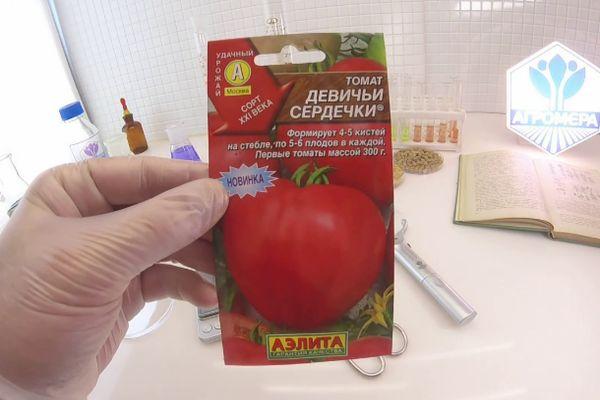
Before planting young bushes, apply a complex fertilizer to the soil, then loosen it. After the first side shoots appear, which occur during the development of the first flower cluster, it's important to regularly remove the lateral shoots. Inspect the plants once a week.
It is recommended to remove all emerging side shoots and leaves growing before the first inflorescence, but this procedure should be spread out over 2-3 days. Remove leaves sideways, not downwards, as this can damage the stem skin, which negatively impacts the plant's yield.
Caring for young bushes
Tomatoes are watered 1-2 times a week using warm, settled water. Experts recommend watering before sunrise or late in the evening, after sunset.
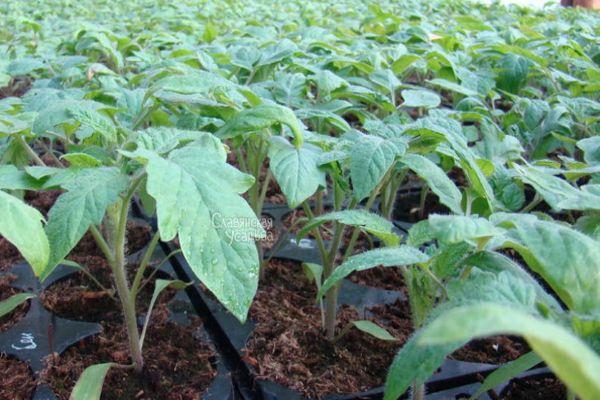
Weeding should be done every 10-12 days. Failure to do so can result in late blight. Weeding also helps eliminate certain insects and their larvae that nest on the plant roots.
Loosen the soil under the tomato plants once every 15 days. This helps the tomato root system receive the necessary amount of oxygen.
Fertilize the bushes three times per season. Initially, young plants receive nitrogen fertilizers to accelerate foliage growth. After flowering begins, the bushes are fed with potassium mixtures and organic fertilizers. When the first fruits appear, the tomato plants should receive complex fertilizers containing nitrogen, potassium, and phosphorus.
To prevent fungal and bacterial infections, it is recommended to treat the bushes with Fitosporin. If the plants are diseased and the medication is ineffective, the affected bushes should be removed from the area and then destroyed outside the greenhouse. Tomatoes can be treated with folk remedies, such as copper sulfate.
Tomatoes require a specific temperature and humidity regime for normal growth. To maintain these parameters, gardeners ventilate the greenhouse.
Although greenhouse blocks are rarely subject to pest infestations, a gardener must be prepared to deal with such a threat.
If Colorado beetles, aphids, or other insects are spotted on tomato leaves, it is recommended to treat each plant with a commercially available chemical pesticide. If these products are unavailable, you can spray the leaves and stems of the plants with copper sulfate or other folk remedies.
When slugs appear on the site, they are repelled from tomato bushes with wood ash, which is added to the soil under the plants.
Related posts:
 The best methods for growing grapes from seeds at home
 80 Best Eggplant Varieties for Different Regions with Descriptions and Characteristics
 Description of the Velika grape variety, cultivation and care tips
 What varieties of tomatoes are best to plant in a polycarbonate greenhouse?
 Methods for planting and propagating cherries at home
 Characteristics and description of the Japanese Truffle tomato variety, cultivation
 Characteristics and properties of the Yasha Yugoslavsky tomato, cultivation in greenhouse conditions
 Description and cultivation of the Baron Solemacher strawberry variety, planting and care