
- Description and characteristics of tomato
- Description of the plant
- Description of tomatoes
- Origin of the variety
- Landing region
- Variety yield and fruiting period
- Resistance of the variety to external conditions
- Pros and cons of the variety
- Varieties of tomato
- Red
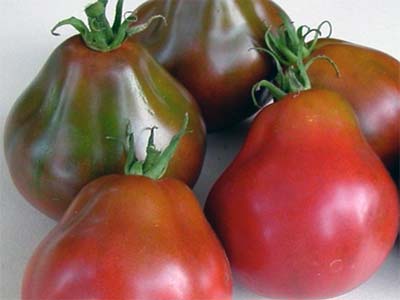
- Black
- Yellow
- Orange
- Pink
- Rules for growing tomatoes
- Sowing and growing seedlings
- Soil preparation
- Planting in the ground
- Aftercare of tomatoes
- Plant fertilizing
- How to tie up tomato bushes?
- Weeding and hilling
- How to water tomatoes correctly?
- Diseases and pests
- Cleaning and storage
- Gardeners' reviews of the variety
In 1999, Russian breeders developed a new tomato variety that continues to win the hearts and stomachs of growers. A full description of the variety and the positive characteristics of the Japanese Truffle tomato allow you to enjoy growing a genuine plant. To ensure a large and high-quality harvest, it's recommended to first familiarize yourself with all the advantages and disadvantages of this tomato variety.
Description and characteristics of tomato
The unique Japanese Truffle tomato variety got its name from the similar shape of its fruit. It's indeterminate and ripens in 110-120 days. Its flavor is vibrant: sweet with a hint of tartness. The yellow Japanese Truffle is often used in desserts.
Description of the plant
A distinctive feature of this variety is its bushy growth. In open ground, this tomato reaches a height of one and a half meters, while greenhouse-planted specimens grow taller. The clusters that support the fruit are weak and require additional support. The foliage is sparse and deep green.
Description of tomatoes
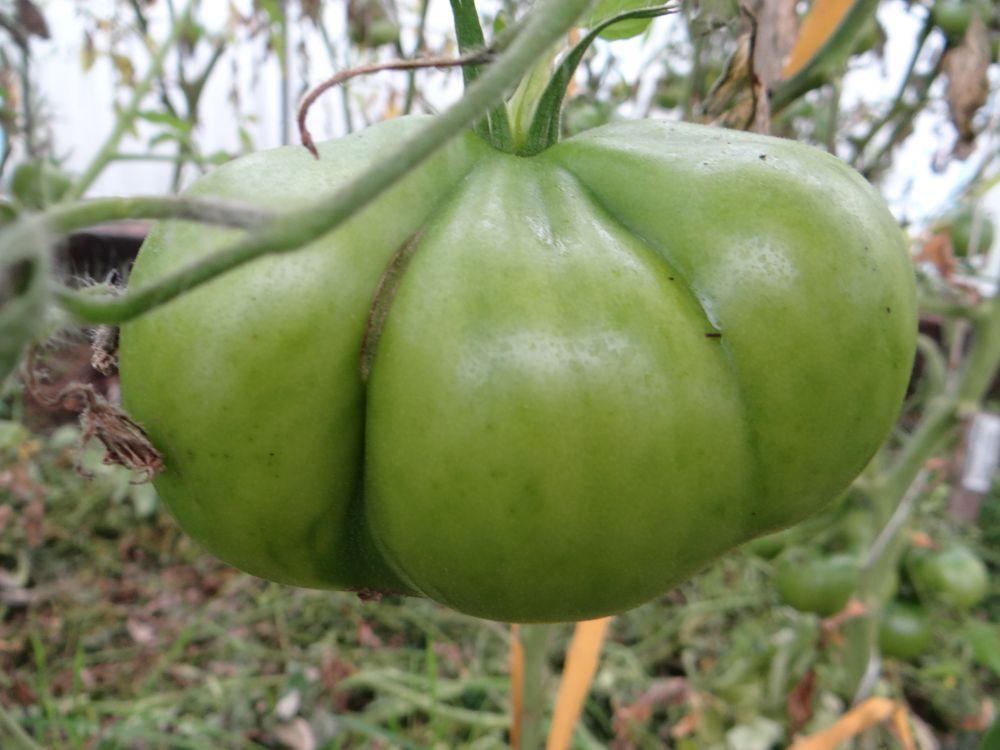
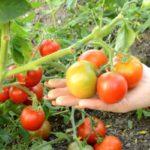
Each tomato weighs, on average, 150 to 200 grams and has firm flesh. The Japanese Truffle tomato's thick skin allows for easy transport over any distance.
Origin of the variety
It's difficult to determine the true origin of this variety. Western farmers attribute the Japanese Truffle tomato's origin to Russia. However, it wasn't registered in our country until the early 2000s, and to this day, not all breeders in the country are aware of the variety's existence.
Landing region
Japanese truffles are only suitable for planting in gardens in southern regions due to their sensitivity to temperature fluctuations. In central Russia, the variety is grown in greenhouses and produces a poor harvest.

Variety yield and fruiting period
The Japanese truffle is considered a mid-season tomato. It takes three to four months, depending on climate, to produce the first fruits. After that, the fruits can be harvested until late autumn; they ripen gradually.
Tomato yields are not high, reaching four kilograms per square meter.
Resistance of the variety to external conditions
This tomato variety thrives in warmth and sunny regions. Even minor temperature fluctuations can negatively impact future yields or even cause seedlings to die. In unstable climates, it is recommended to plant seedlings in greenhouses.
Pros and cons of the variety
The Japanese Truffle tomato has a number of advantages:
- original sweet taste;
- high safety and transportation indicators;
- resistance to various diseases.
However, the disadvantages include:
- low yield coefficient;
- sensitivity to cold;
- weak brushes.
Important! The Japanese Truffle variety is not suitable for making tomato paste or juice. This is due to the tomatoes' high density and low water content.
Varieties of tomato
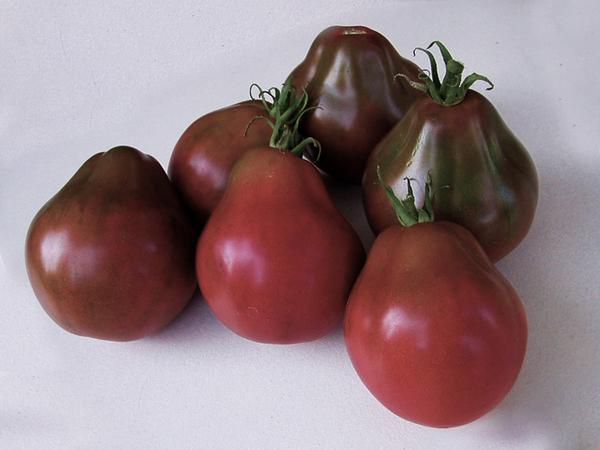
There are five main varieties of Japanese truffle tomatoes: red, black, orange, gold, and pink. Each variety has its own advantages and disadvantages.
Red
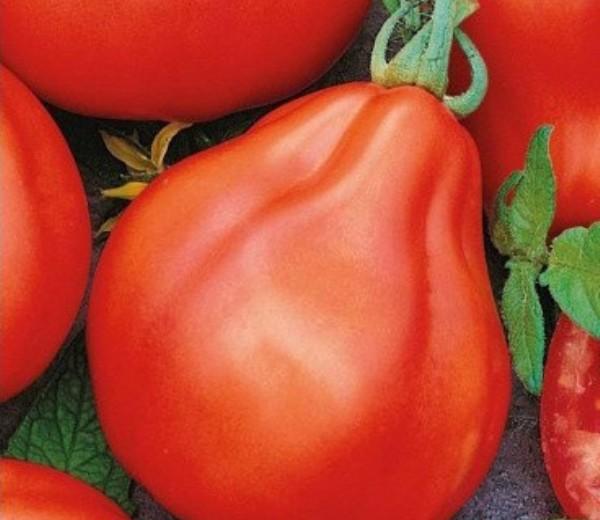
The red tomato variety is the most popular among its counterparts and is distributed by the Siberian Garden company. It is distinguished by its deep, rich color and small size (three to five centimeters).
Recommended for pickling, preparing various dishes, and also for use in salads.
Black
The Japanese Black Truffle is recognized as a variety that boosts immunity. Another distinguishing feature is its exceptional shelf life when fresh.
Yellow
The Japanese Golden Truffle is renowned for its vibrant, sweet flavour and is often used as a dessert or accompaniment to baked goods.
Orange
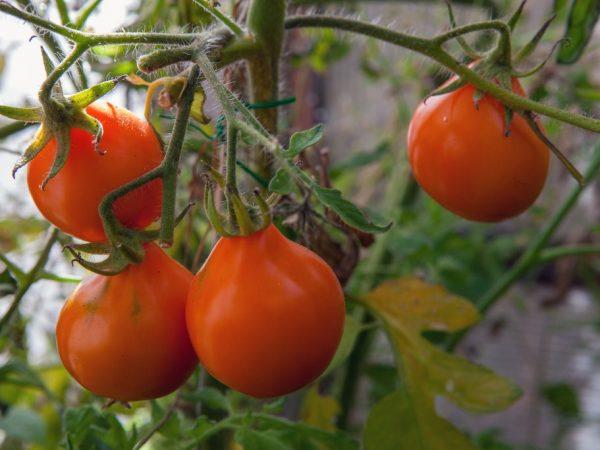
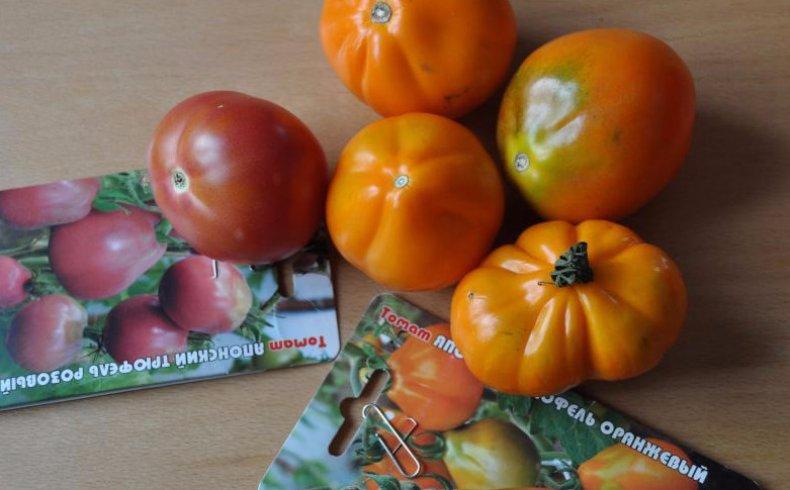
Orange fruits are slightly larger than other varieties, averaging 150-250 grams. This variety is best picked when unripe and kept in a warm place for two to three days. This increases the concentration of nutrients and flavor.
Pink
The pink variety is less popular and is used more often in cooking than in canning. Its yield is slightly lower than that of its counterparts. Its flavor is almost tart, but its sweetness is not as intense as that of the black variety. Its shelf life when raw is also short.

Rules for growing tomatoes
To successfully grow Japanese Truffle tomatoes, it is recommended to consider certain characteristics of the variety and address any deficiencies on the spot:
- The plant should only be planted outdoors as seedlings. Seeds will not take root without special conditions.
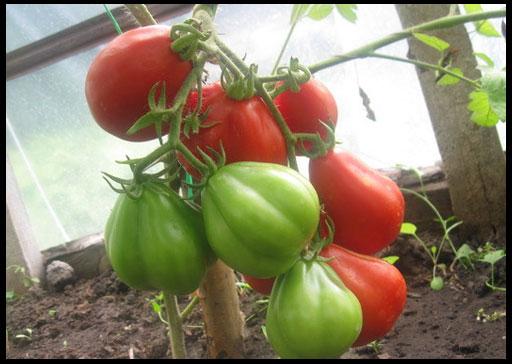
- Due to the high growth of the bushes, a large number of garters and supports are required.
- Also, to maintain the temperature regime of the roots, it is recommended to securely hill the bushes.
Sowing and growing seedlings
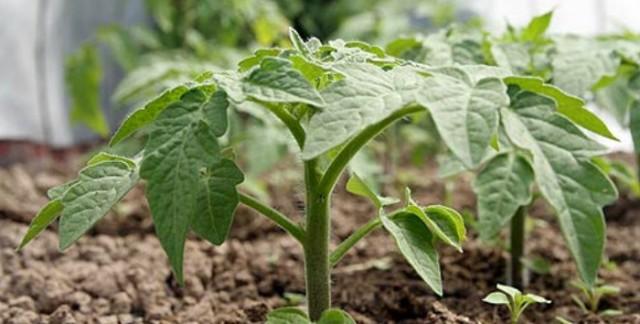
Seeds for future seedlings are usually sown in late March or early April. The average sowing depth is 1.5-2 centimeters.
Important! Before sowing, disinfect the seeds and soil to prevent the growth of various pests.
Soil preparation
To increase the yield of Japanese truffles, it is recommended to prepare the soil in advance in several stages:
- In the fall, the garden needs to be dug up and fertilized with organic fertilizers, potassium and phosphorus elements;
- In the spring, it is necessary to add nitrogen fertilizer, dig up the soil again and loosen it, breaking up large pieces.
Planting in the ground
Seedlings can be planted outdoors in early May, when the sprouts are 1.5 to 2 months old. Strict spacing between plants is also essential. The recommended planting density is 40 to 50 centimeters. The seedling hole depth is 10 to 15 centimeters. The planting method is chosen based on the gardener's preferences.
Aftercare of tomatoes
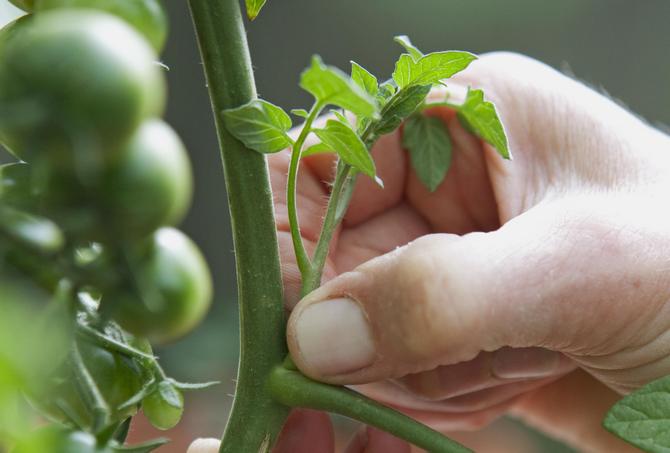
Tomatoes require very careful care after planting. Since the branches are quite fragile and there's a risk of them breaking, it's recommended to regularly tie up the stems and clusters. Also, to improve the quality of the harvest, you should pinch off any excess shoots.
Plant fertilizing
The plant requires regular fertilizing. For this, use:
- ash;
- shell;
- infusion of manure;
- boric acid solution.
How to tie up tomato bushes?
Japanese truffle bushes reach 1.5-2 meters in length and often break under the weight of their own leaves and ripening fruits. Therefore, staking the plants is essential for a good harvest. Staking should be done by attaching them to trellises, posts, or a greenhouse frame.
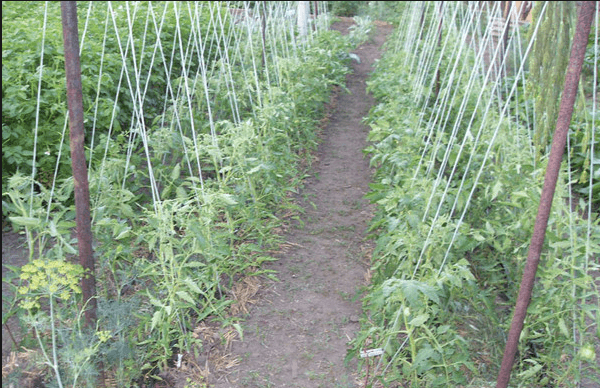 Important! Avoid tying the branches too tightly with rope. This will reduce the supply of nutrients to the fruit, and the plants may die.

Weeding and hilling
The beds need to be loosened and weeded at all stages of tomato cultivation. Mulching with chopped straw or leaf mold is also recommended to retain soil moisture.
How to water tomatoes correctly?
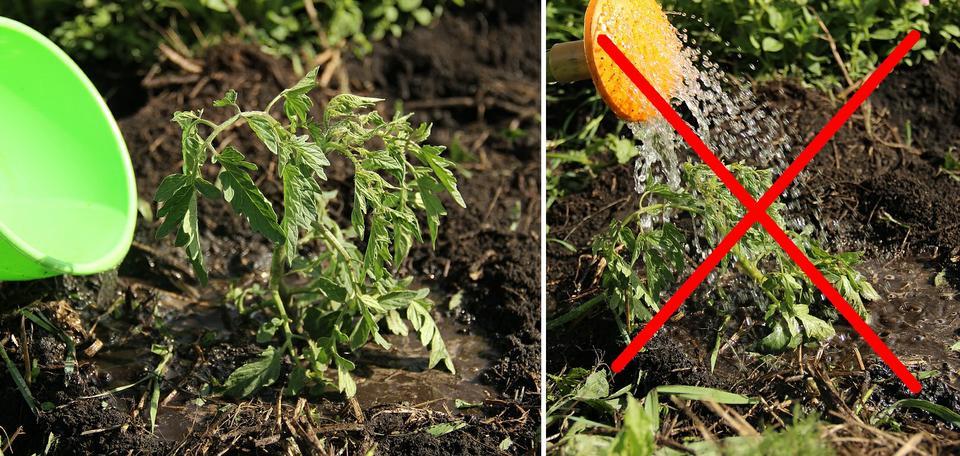
To ensure maximum benefit from watering your Japanese truffle, you need to follow a few important rules:
- watering should be done rarely, but generously;
- The main thing is to avoid getting water on the leaves and stems; water should flow through special furrows;
- the water temperature should match the soil temperature (24-26 degrees);
- It is important not to water this variety with cold water to avoid frostbite of the roots.
Diseases and pests
Cracking is a potential fruit abnormality. However, this defect can be easily remedied by adjusting watering and temperature. It is recommended to provide a consistently warm environment and increase watering volumes while reducing their frequency.
Japanese Truffle tomatoes are resistant to all pests. However, they are susceptible to melon aphids and thrips. To control these pests, we recommend using Zubr solution.
Cleaning and storage
It's recommended to harvest the fruit once it has reached a rich color. Storage should be done at the correct temperature and for short periods of time. Fresh tomatoes can spoil quickly. To ensure successful long-distance transportation, Japanese Truffle tomatoes are picked unripe; within 3-14 days, the fruits will fully develop their ripeness.
Gardeners' reviews of the variety
Gardeners praise the Japanese truffle for its pest resistance, beautiful appearance, and pleasant sweet taste. And home cooks note that it's an excellent variety for canning.
Related posts:
 Description of the best varieties of black tomatoes for open ground and greenhouses
 Description of Japanese gladiolus varieties, planting and care in open ground
 Planting, growing, and caring for cucumbers using the Japanese sawdust method
 Description of the Japanese Dwarf tomato, characteristics of the variety and growing rules
 Characteristics of the Japanese Crab tomato and cultivation of the variety
 The best grape varieties for growing in the Urals, planting and care rules in summer
 Description of Japanese iris varieties, planting and care in open ground
 What varieties of tomatoes are best to plant in a polycarbonate greenhouse?