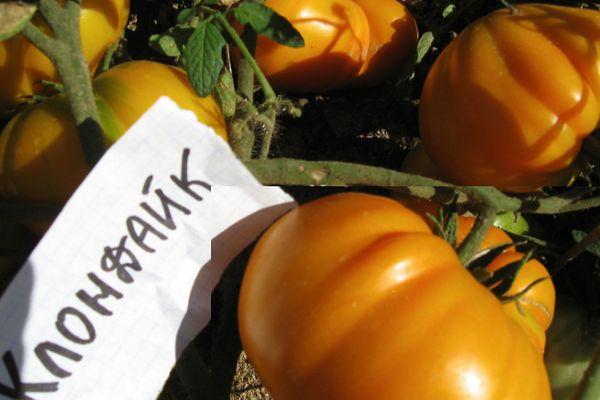
Scientists have identified a high carotene content in the Klondike tomato, making it recommended for dietary use. The orange Klondike tomato is suitable for both open-field and greenhouse cultivation. It is most often used to make dietary salads, tomato juices, and tomato pastes for baby food and weight-loss dishes. Doctors use the medicinal properties of this variety to treat certain ailments. These tomatoes can also be eaten fresh.
Brief information about tomato
The characteristics and description of the variety are as follows:
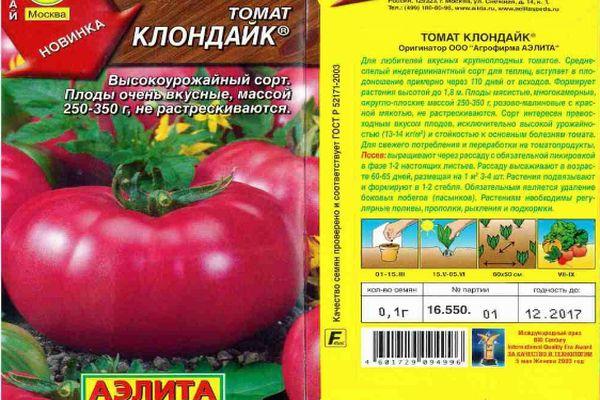
- Klondike tomatoes ripen no later than 110-115 days after sowing the seeds.
- The Klondike Pink tomato produces fruits weighing up to 0.4 kg, while the orange variety produces fruits weighing around 0.5 kg. They are well suited for long-distance transportation. Tomatoes of this variety can be stored for a long time in a cold cellar.
- The Klondike variety grows up to 100 cm tall. The plant is undemanding, so it can be grown both in central Russia and in the northern regions.
- The Klondike tomato has the shape of a slightly flattened spheroid with ribs.
- The fruit has a thin but fairly dense skin. It tastes sweet. Ripe fruits are orange or pink (may have a raspberry tint). The flesh is fleshy and red.
Gardeners' reviews are positive. Farmers note high yields per bush, reaching 12-14 kg per square meter. The plant is resistant to various diseases common to tomatoes.
In the southern regions of the country, this type of tomato can be sown outdoors. Farmers note that it's best to plant seedlings in early May, when the soil has warmed up sufficiently. This helps prevent crop losses due to sudden temperature drops.
In temperate climates, it's advisable to protect seedlings planted in open ground with plastic sheeting. These tomatoes have a long shelf life, making them popular with retailers, producers, and companies supplying the public with tomatoes or tomato-based products.
How to grow this variety?
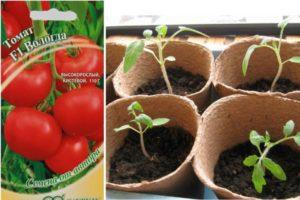
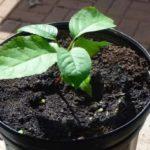
Klondike is planted in the ground using the nesting method, starting from seedlings that are first grown in containers filled with peat. Small square boxes or pots are suitable for planting.
If peat is unavailable, it is recommended to replace it with a complex soil suitable for sowing tomatoes. Seeds of this variety do not require special preparation; they are sown directly into a prepared container.
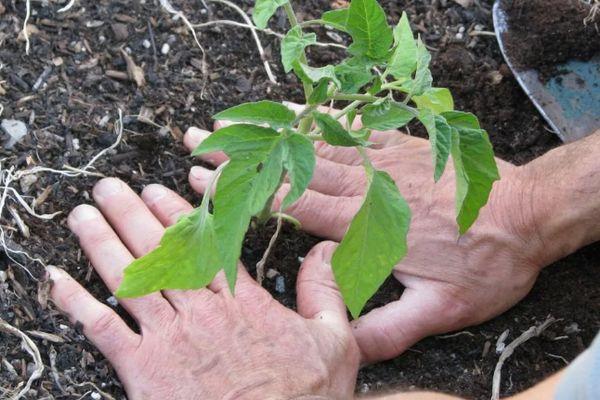
Each seed should be planted no more than 15–20 mm deep. It is recommended to maintain a temperature of 23–24°C in the room where the seedlings are growing.
Throughout the entire period of seed growth, seedlings are regularly watered.
It's best to place the pots or boxes with seeds under special lamps. This will help them germinate faster.
Sow seedlings 60 days before the expected date of planting. It's important to note that transplanting should be done after the first two leaves appear on the stems, but it's advisable to harden off the seedlings beforehand.
Plants should not be placed close to each other in the soil. The norm for this variety is to plant 2-3 seedlings per 1 m².
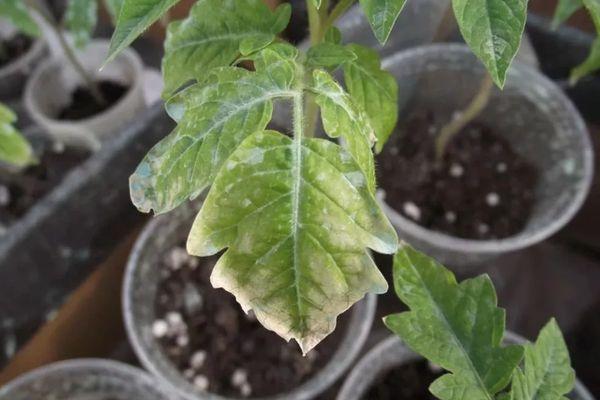
After planting, the plants are trained into bushes with 1-2 stems. Although this tomato variety is easy to grow, it is recommended to water it with warm water once every 5 days. Weed the beds regularly. Fertilize once every 14 days. Loosen the soil once every 2 weeks. Remove side shoots regularly. To prevent the plant stem from breaking, use supports. These will be needed both when the ovaries set and later to support the fruit. If pests infest the tomato plants, treat the leaves and stems with special chemicals.
Related posts:
 The best grape varieties for growing in the Urals, planting and care rules in summer
 80 Best Eggplant Varieties for Different Regions with Descriptions and Characteristics
 Description and characteristics of the best seeds of pea varieties and types
 Descriptions of the 20 best cherry varieties for the Moscow region, their planting and care
 How to propagate and grow peas, cultivation technology, and care in open ground
 Description and technology of growing Pinot Grigio grapes
 Carrot care guidelines for outdoor cultivation to ensure a good harvest
 Methods for planting and propagating cherries at home