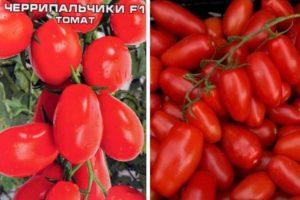
Hybrid varieties, such as the Vologda F1 tomato, are considered particularly valuable because they combine the positive qualities of several varieties. At the same time, these tomatoes have few drawbacks. This is why many gardeners try to purchase F1-labeled seeds and leave positive reviews. These tomatoes are extremely hardy and disease-resistant, and these characteristics are especially important for some regions.
One of the high-quality hybrids is Vologda. The name itself makes it clear which areas this variety is most suitable for. Vologda can be grown not only in the Vologda Oblast but throughout the northwest of the country. While the south can be too hot for tomatoes, they can also be successfully grown in central Russia.
Characteristics and cultivation of tomatoes
The Vologda hybrid is distinguished by its resistance to many diseases. Furthermore, this tomato is resistant to sudden temperature fluctuations, which are common during the summer in the northern part of the country.
Gardeners should keep in mind that hybrid varieties only possess their unique properties when grown from original seeds. If you harvest the seeds from your own garden, you won't be able to produce high-quality tomatoes.
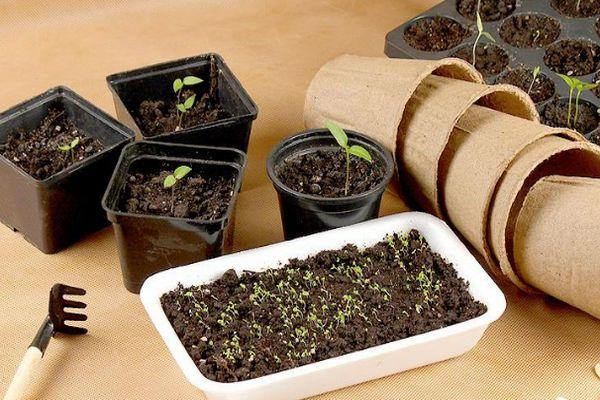
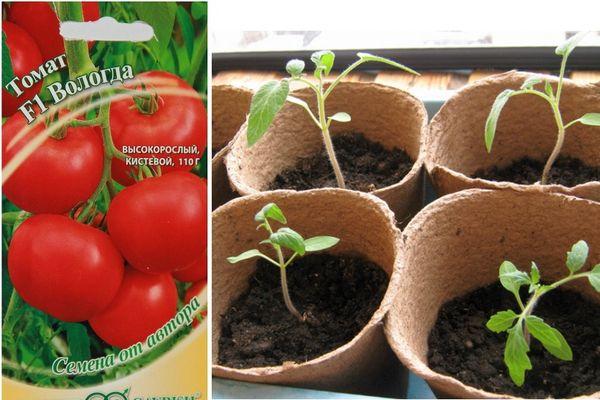
Growing Vologda tomatoes is only possible using seedlings. This allows for good plants that will produce a bountiful harvest. Sow the seeds 110 days before the expected harvest date. Vologda is considered a mid-season variety, so don't expect a good harvest in early summer.
The Vologda tomato hybrid is indeterminate, meaning each plant can produce a large number of fruits.
The manufacturer notes that this hybrid is ideal for greenhouses and hotbeds. However, very low shelters are not suitable for the plant, as the bushes stretch to large heights (over 2 m). Growth can be controlled by pinching the tops.
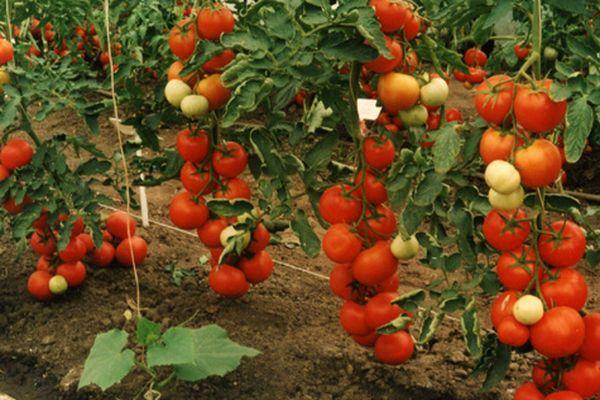
Such dimensions also indicate that the plant requires staking. Furthermore, shaping the bush would be beneficial. To do this, remove all side shoots and leave only those that will bear fruit.
A properly trained plant will produce numerous clusters, each containing 6-8 tomatoes. The first cluster forms just above the 10th leaf.
A properly formed bush will be quite compact, so the planting density can be high. At least 4 bushes are placed per 1 m². Each of them can yield 5-6 kg of tomatoes. One square meter of plot can yield up to 25 kg of fruit.
You can increase yields by applying fertilizer. Mineral fertilizers will be beneficial throughout the growing season. During this time, fertilizers can be applied twice a week.
Description of the fruits of the Vologda hybrid
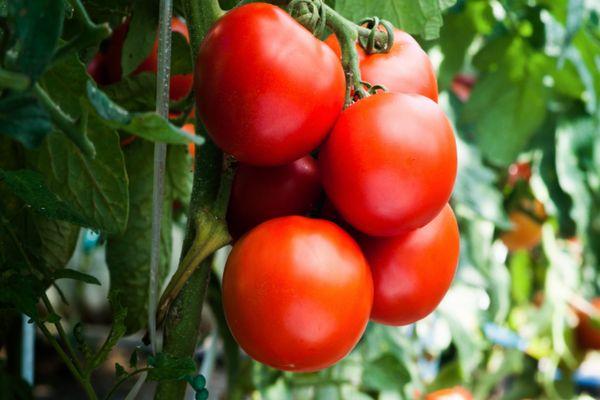
Tall bushes produce large quantities of round, red tomatoes. They are medium-sized, weighing no more than 120 g. The tomato skin is thick enough to prevent cracking during canning. Furthermore, they can be stored for a long time and transported over long distances without risk of losing their marketable appearance. The fruits adhere well to the bush and do not fall off, ensuring the safety of the harvest.
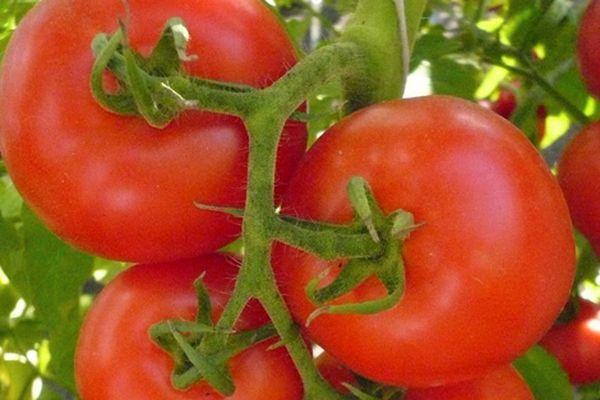
If necessary, tomatoes can be harvested slightly earlier than they are fully ripe, as they can easily reach full maturity off the vine. Early harvesting is most often necessary when there is a threat of late blight.
The Vologda variety is considered resistant to most diseases, but late blight is still a concern. While treating the disease can be difficult, saving the harvest is quite possible. Don't worry about spoiling the tomatoes, as they ripen well on the windowsill.
Related posts:
 Characteristics and description of the Vologda currant variety, planting and care
 The best eggplant varieties for growing in a polycarbonate greenhouse: planting and care
 80 Best Eggplant Varieties for Different Regions with Descriptions and Characteristics
 How to control carrot flies with medications and folk remedies
 Methods for planting and propagating cherries at home
 Top 40 DIY New Year's Baking Recipes for 2020
 Is it possible to soak treated cucumber seeds before planting and how to do it correctly?
 The best grape varieties for growing in the Urals, planting and care rules in summer