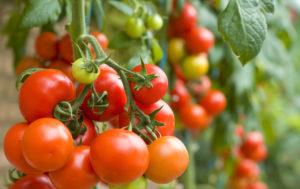
Gardeners always prefer early-ripening varietals, and the Japanese Dwarf tomato is precisely that. It was developed by Kazakh breeders and is officially sold by the Kazakh agricultural firm Invest Plus. However, since this variety is not a hybrid, it is perfectly possible to harvest seeds from it, which is what gardeners do. Seeds can also be purchased directly from these enthusiasts.
The Japanese Dwarf tomato variety is appealing because it ripens quickly and produces a high yield. Breeders describe it as an easy-to-grow tomato variety. However, experienced vegetable growers often point out certain growing and care considerations.
In order to get a good harvest, it is necessary to carefully study all the advantages of the Japanese Dwarf tomato.
Features of the variety
Japanese dwarf is suitable exclusively for sowing outdoors. Although it is a determinate variety, the bush averages 50–55 cm.
The main feature of this variety is as follows:
- The plant stops growing once it reaches its maximum height.
- To reap a good harvest, the bush must be properly trained. Pinching out the side shoots is essential for this variety. The plant's lower parts produce an abundance of non-fruitful side shoots, which drain the plant and absorb a lot of nutrients.
- A mature bush requires mandatory gartering, since a large number of fruits creates weight, and the stem may not be able to withstand it.
- This variety of tomato can be grown indoors. The plant doesn't require a lot of space or light.
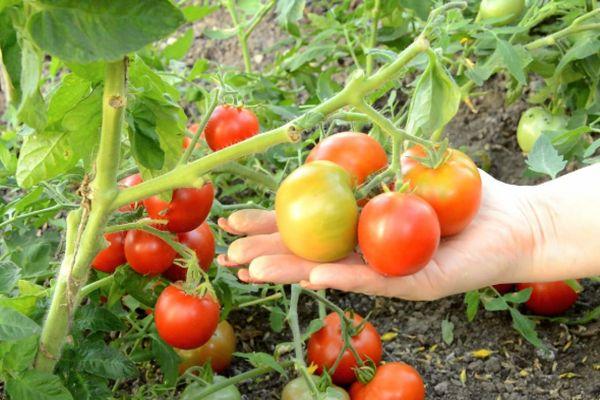
The characteristics and description indicate that the Japanese Dwarf tomato variety is ideal for canning, pickling, and making pastes. The fruits have excellent flavor: juicy, aromatic, and sweet. Moderately tart, these tomatoes are also perfect for fresh eating.
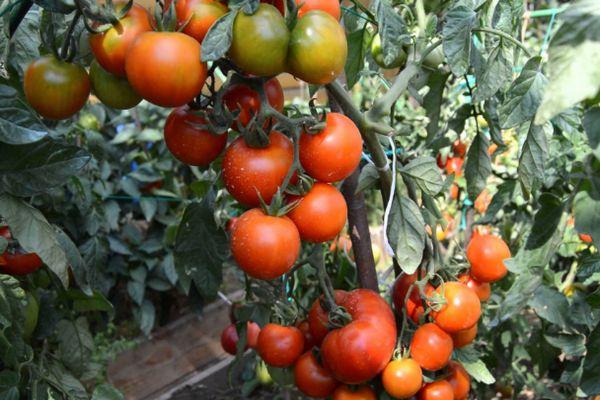
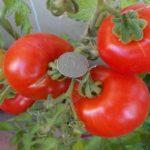
The fruits are a rich red when ripe, and they ripen evenly. With proper care, a single bush can yield over 2 kg. During the fruiting season, the plant is simply covered with small fruits.
The average tomato weighs 60-70 grams. Each bunch can contain 3-5 tomatoes. The tomatoes are rounded, with smooth skin that is not prone to cracking. The harvested tomato can be stored for about 3 weeks in a cool, well-ventilated area. Experienced gardeners note that picked green tomatoes can ripen indoors if stored properly.
Landing rules
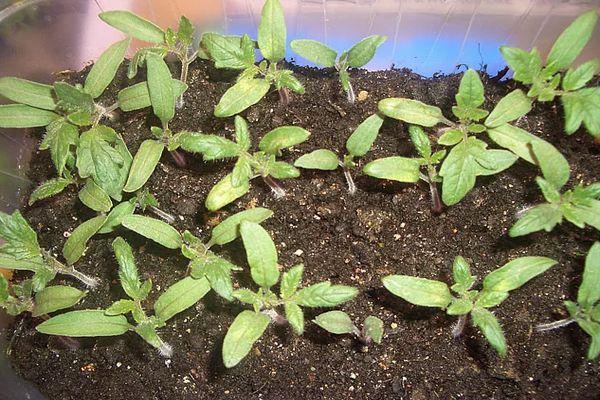
Before planting, seeds must be properly prepared. To do this, soak them in a growth stimulator and a weak solution of potassium permanganate. Then, sow them in a container with soil. The container can be covered with plastic film, but in this case, it is necessary to ventilate the mini greenhouse daily.
As soon as 2 leaves appear on the sprouts, you can start picking them. The seedlings should be in a well-lit place, without drafts. Sow seeds for seedlings 2 months before planting in open ground.
Gardeners are successfully growing tomatoes of this variety and seedless method. Sowing was carried out directly into an outdoor greenhouse.
The plot of land allocated for tomatoes must be prepared in advance. The soil is fertilized with peat and humus. Planting should begin as soon as the weather outside reaches a stable temperature of at least 17-18°C. When planting, keep in mind that it's best to plant no more than 6-9 plants per square meter. After planting, mulch and apply a comprehensive fertilizer. Regular sawdust is best for mulch.
Plant care
For the dwarf variety the following care is required:
- Watering should be done once every 2-3 days as needed.
- The soil needs to be loosened periodically.
- Carry out preventive treatment against pests.
- Needs pinching.
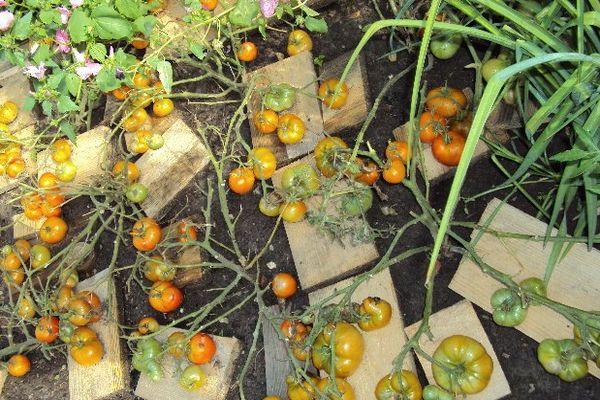
Thanks to its rapid growth, the Japanese Dwarf variety is resistant to late blight, but has only moderate immunity to other diseases. However, preventative pest control measures should still be carried out promptly.
Gardeners' reviews of the Japanese Dwarf variety are positive. The plant is easy to grow, adapts well, and produces excellent yields in small spaces. It tolerates low light conditions well, making it suitable for growing year-round indoors on a balcony or windowsill. The small bushes don't take up much space, but they can provide the family with fresh, ripe tomatoes all winter long. If you find this variety to your liking, it's a good idea to stock up on seeds in advance.
Related posts:
 Characteristics and description of the Japanese Truffle tomato variety, cultivation
 Description of Japanese gladiolus varieties, planting and care in open ground
 Description of the Mongolian Dwarf tomato variety, cultivation and care features
 Planting, growing, and caring for cucumbers using the Japanese sawdust method
 Description of blight-resistant tomato varieties for open ground and greenhouses
 Description of the best varieties of black tomatoes for open ground and greenhouses
 Description of Japanese iris varieties, planting and care in open ground
 Characteristics of the Japanese Crab tomato and cultivation of the variety