
- Features of seedless tomatoes
- Pros and cons
- Description and technical characteristics of seedless tomatoes
- Iceberg
- Seedless variety
- Vologda fruitful
- Explosion
- Amur dawn
- Apples in the snow
- Sprint 2
- White filling
- How to plant tomatoes without seedlings
- Selecting a site for planting
- Preparing seeds for sowing
- When to sow
- Into open ground
- Into the greenhouse
- Patterns and density of seeding
- Caring for tomatoes
- Pinching out stepsons
- Irrigation and fertilizing of bushes
- Shaping and garter
- Protection from insects and diseases
Growing tomato seedlings can seem cumbersome. If you're planting a lot of tomatoes, it can be difficult to find room for them in the house. This is especially true for those growing tomatoes for sale. Farmers are better off with varieties that don't require seedlings. Moreover, breeders have developed hybrids that thrive not only in warm climates but also in areas with unpredictable weather.
Features of seedless tomatoes
Tomatoes grown directly from seedlings are not particularly different from tomatoes grown from seedlings. They can grow tall. Their stems and side shoots grow continuously, without stopping. Only cold autumn days will cause their growth to cease. Stems 1.8 meters or taller than 2 meters produce fewer fruit clusters than shorter varieties.
Determinants have more shoots in the lower part of the bush, the height of which reaches 1 meter or less.
For non-seedling type vegetable plants, it is necessary to provide conditions consisting of:
- air temperature not lower than 10 degrees Celsius at night, 21 degrees Celsius during the day;
- moderate humidity of air and soil;
- soils with normal nutrient content;
- good illumination of plantings.
Although non-seedling tomatoes can withstand uncomfortable growing conditions, they will not produce good quality fruits.
Pros and cons
The advantages of tomato varieties that are sown directly into the ground are appreciated by gardeners:
- This frees up time for more important things. You don't have to worry about tomato seedlings, moving them from one place to another. Monitoring the seedlings, watering, fertilizing, and picking them is a thing of the past.
- Vegetable seedlings have a hard time establishing themselves in open or closed soil after transplanting. Seeds sown directly into the garden will produce healthy, full-grown plants.
- Hardening of seedlings occurs gradually as they develop from seeds.
- Tomatoes grown without seedlings are not susceptible to infections, as they have a strong immune system.
- Tomato seeds harvested in the fall are collected for planting next year. They retain their beneficial qualities and retain the characteristics of the variety.
One of the disadvantages of tomatoes is that they begin to bear fruit 2 weeks later. Success in growing a crop occurs when early ripening hybrids are selected.
Description and technical characteristics of seedless tomatoes
Before attempting tomato cultivation without seedlings, you need to know which varieties to plant, when, and how to do it correctly. For each climate, select plants that will ripen before the onset of cold weather.
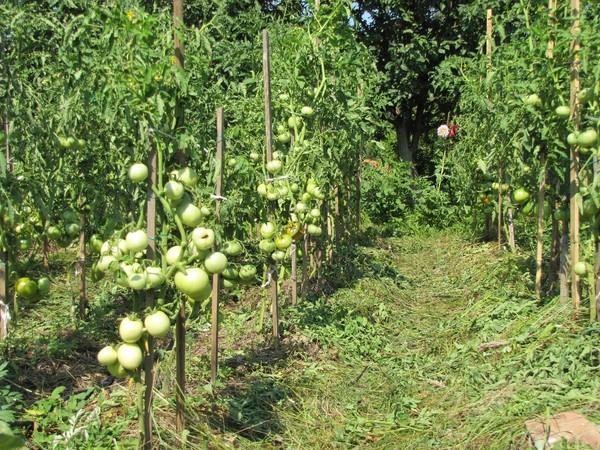
Outdoor cultivation requires hardy, medium- and low-growing tomatoes. Indeterminate hybrids produce well in greenhouses.
Iceberg
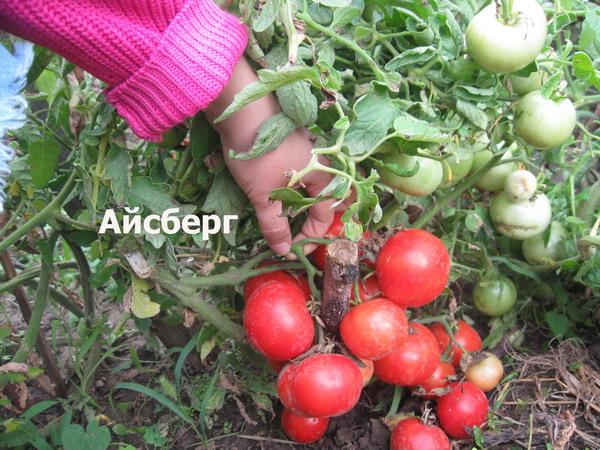
The variety's early ripening, resistance to sudden temperature fluctuations, and ability to withstand cold make it suitable for direct-sown tomatoes. The low, 80-centimeter-tall bushes require no pinching. The tomatoes begin to ripen in midsummer, reaching a weight of 200 grams. And they taste excellent.

Seedless variety
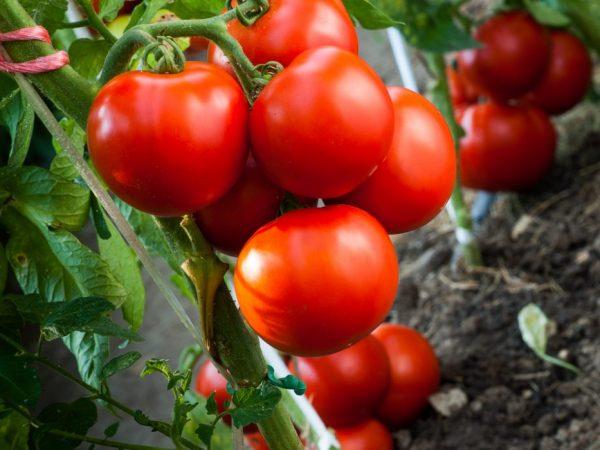
This vegetable variety was developed specifically for commercial cultivation. Small bushes, 40 centimeters tall, take root well and develop a strong root system. This variety is distinguished by its hardiness and early fruiting. A single cluster produces 6-8 tomatoes, each weighing 100-120 grams.
Vologda fruitful
The hybrid has many advantages. It:
- grows up to 1 meter in height;
- bears round-shaped, red tomatoes weighing 250 grams;
- one bush produces up to 4 kilograms of fruit 110 days after emergence;
- stepsoned moderately.
The variety is recommended for non-seedling cultivation in central Russia.
Explosion
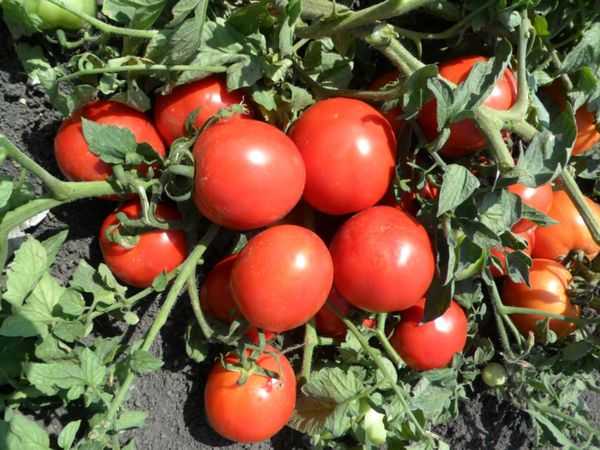
The excellent productivity of this tomato hybrid makes it a great choice for growing in your garden. Its low, spreading bushes begin bearing fruit early. Within 90-100 days of sprouting, you can harvest tomatoes weighing 100-120 grams. Their weight depends on climate and weather conditions.
In favorable summers, the volume of fruits increases and their taste characteristics improve.
The plant is prized for its resistance to fungal infections. The hybrid yields up to 5 kilograms per bush. The only drawback of the variety is its branching habit, which requires staking.
Amur dawn
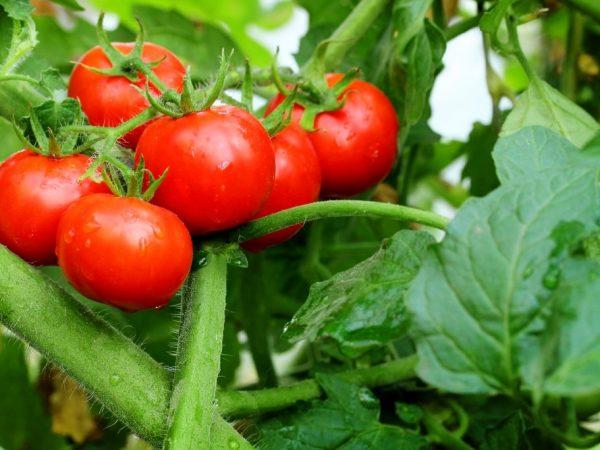
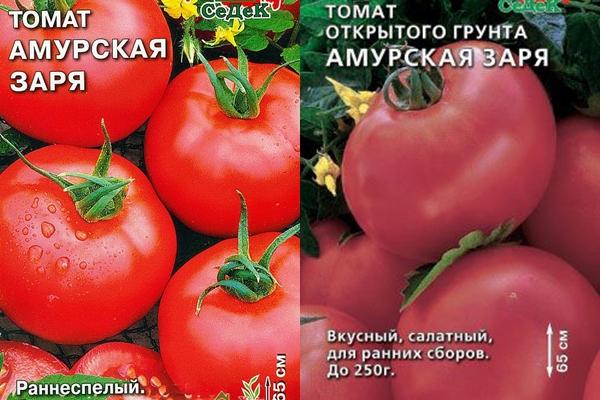
This mid-early tomato begins to bear fruit 100-110 days after germination. Popular tomato varieties include:
- round shape with slight flattening;
- pink color;
- weighing 250 grams;
- fleshy pulp, a small amount of grains.
The plant yields moderately: 7 kilograms per square meter. The fruits are delicious fresh and contain more sugar than acid.
Apples in the snow
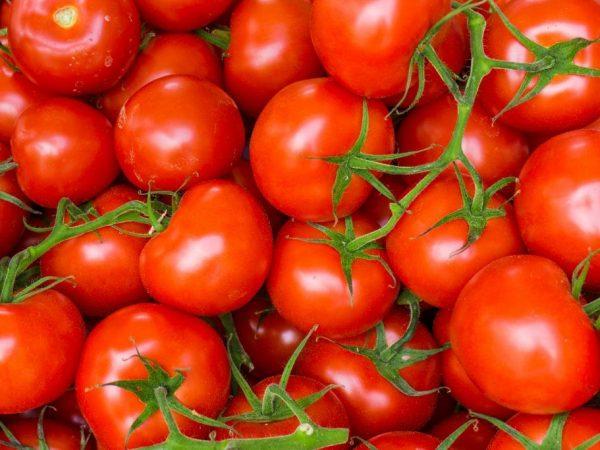
The variety produces compact, miniature bushes. This makes it suitable for growing without seedlings. The advantage of this hybrid is its early ripening fruits. Although they are small, weighing 50-70 grams, they are sweet. The first tomatoes appear in early July. The harvested crop has a long shelf life thanks to its dense skin.
Sprint 2
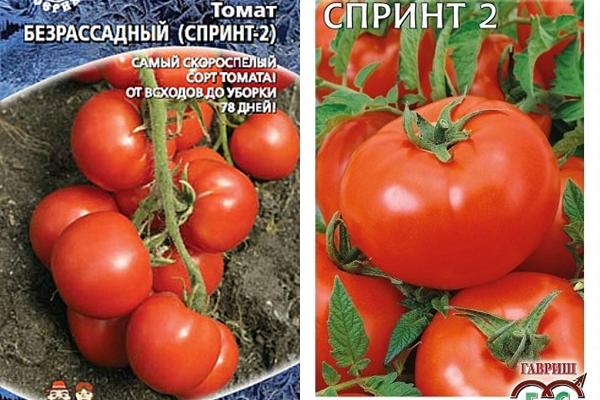
This standard-type determinate tomato produces fruit early, in just 78 days. The 60-centimeter-tall bushes require no staking or training. They rarely produce side shoots. During the growing season, 5-6 flower clusters form on the stems. Each cluster is adorned with 6-8 small fruits. They weigh up to 80 grams. The tomatoes are transportable and have a long shelf life.
White filling
The determinate plant reaches a height of 70 centimeters in a greenhouse and half a meter in the open ground. Fruit ripening begins 90-100 days after germination, making it a suitable hybrid for temperate climates.
The variety's name stems from the tomatoes' lighter coloring, which then deepens to a reddish hue. The flesh contains few seed chambers and water. The tomatoes have a harmonious flavor, with just the right amount of sugar and acidity. They are suitable for canning and summer salads. The fruits can be kept fresh for a long time.
How to plant tomatoes without seedlings
Growing tomatoes without seedlings requires knowledge of agricultural practices. Vegetable plants will have a harder time surviving outdoors. Many use greenhouses for planting, where conditions are more comfortable.
Selecting a site for planting
Prepare the site for planting tomato plants without seedlings in the fall. Dig the bed, first spreading compost or humus. One bucket of nutrient mixture per square meter is sufficient. To disinfect the soil, water the area with a copper sulfate solution. Dissolve a tablespoon of the solution in hot water and pour it into a 10-liter bucket.
It is essential to dig up the bed, adding vermiculite and coarse sand to make it lighter and more permeable.
For tomatoes, choose a place that is well lit by the sun, without the influence of cold winds. The soil should be neutral in acidity, with groundwater located at a depth of 1.5-2 meters.
Preparing seeds for sowing
Self-collected seeds undergo a series of treatments:
- 1% potassium permanganate solution;
- growth stimulants;
- refrigerator for hardening for 7 days.
There is no need to germinate tomato seeds so that the sprouts do not die when planted.

When to sow
The timing of planting tomato seeds depends on the climate in which they will be grown. In southern regions, sowing times are earlier than in temperate or cold climates. Soil type also determines the timing of planting tomatoes. In a greenhouse, the procedure is done earlier.
Into open ground
The snow melting and warming of the tomato plot signal the start of sowing. To grow a good harvest, the soil in the garden bed needs to be warmed. To do this, water the soil with warm water or a hot solution of potassium permanganate. You can cover the garden bed with black plastic film two weeks beforehand. This will help the soil warm up faster. Seeds can be planted as early as the second half of April. However, planting should be completed by the first five days of May, otherwise the vegetables will not have time to ripen.
Into the greenhouse
Indoor sowing occurs in late March or early April. Greenhouses are prepared for this purpose by lining the walls with fresh manure. The manure will begin to generate heat, and the room will be more quickly prepared for planting this heat-loving crop. Sow the seeds in furrows, burying them 1-2 centimeters deep. Monitor the temperature in the greenhouse. Initially, the vegetable crop requires warmth for germination.
Patterns and density of seeding
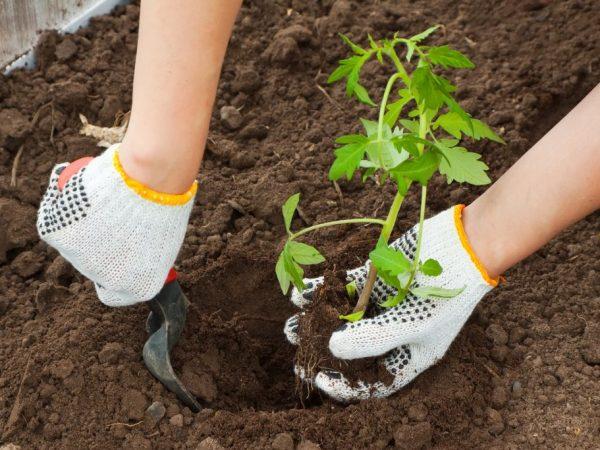
To ensure high-quality plantings of tomato seeds without seedlings, plant 2-3 seeds per hole. Space the holes 45 centimeters apart. Add 17-18 centimeters of soil to the greenhouse.
When sprouts appear, select quality seedlings. Remove any diseased or weak ones.
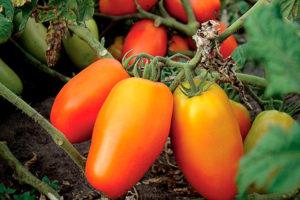
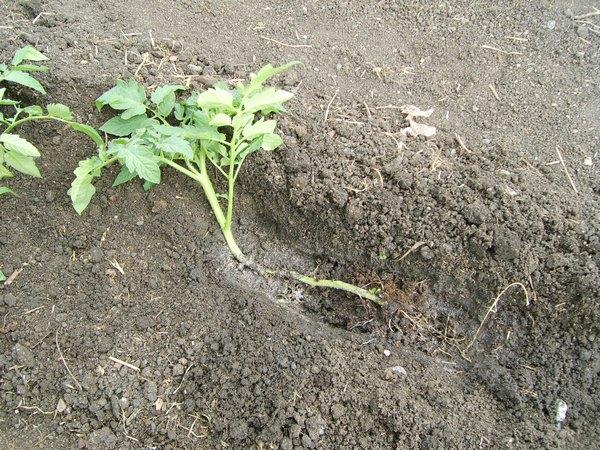
If the outside temperature drops, you need to cover the beds made for tomatoes in the garden with film on arches. It is important to ventilate tomato plantings, remembering to cover them at night.
Caring for tomatoes
Tomatoes grown without seedlings are cared for properly, but they require more attention from the gardener. In a greenhouse, controlling lighting, humidity, and air temperature is paramount. Fruit set will be poor in hot weather.
In open ground, you should not overdo it with watering and fertilizing.
Pinching out stepsons
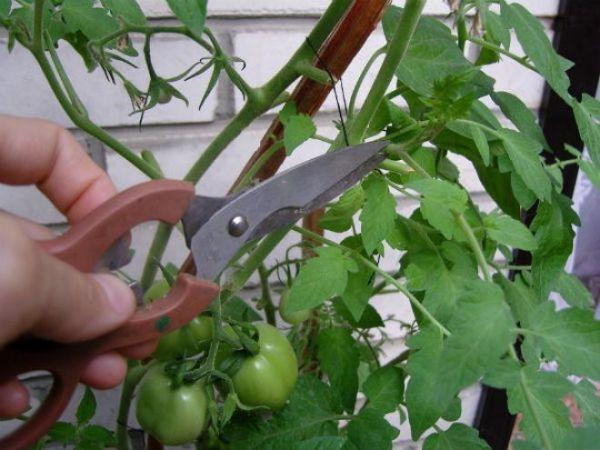
For indeterminate plants, it's important to remove side shoots. After pruning, the freshly removed side shoots are sprinkled with activated charcoal or treated with Bordeaux mixture.
Low-growing tomatoes don't need side shoots. If they have a lot of stems, you can remove some of them.
Irrigation and fertilizing of bushes
Water tomato plants sparingly. This is especially true for greenhouse plants. Increased soil moisture will become a source of development of pathogenic fungi.
Fertilize tomatoes every 12-14 days, initially with organic fertilizers. To do this, water them with a 1:12 solution of chicken manure or a 1:6 solution of mullein. As the plants grow, add fertilizers containing phosphorus and potassium. These nutrients are essential for better flowering and fruiting.
Shaping and garter
Bushes are shaped by pinching out side shoots. Tall tomato plants need to stop growing early, so their tops are pinched, leaving 2-3 leaves above the top truss. Long stems also require support. In a greenhouse, trellises are built for this purpose; outdoors, stakes are inserted near the tomato stems.
Determinate plants rarely require shaping. Only those with very spreading stems will have to lose some of their stems.
Protection from insects and diseases
Many tomatoes grown without seedlings are disease-resistant. However, it's best to prevent infections by spraying the plants with Bordeaux mixture. Repeat the spraying every 10 days, 2-3 more times throughout the season.
To prevent pests from appearing, it's important to ensure adequate air circulation in the greenhouse or hothouse. To do this, ventilate the room regularly by opening the doors.
Related posts:
 Description of the best varieties of black tomatoes for open ground and greenhouses
 What is the best way to feed tomato seedlings to make them plump?
 What fertilizers and when to use for feeding tomatoes in a greenhouse
 What varieties of tomatoes are best to plant in a polycarbonate greenhouse?
 Description of blight-resistant tomato varieties for open ground and greenhouses
 Rules for growing tomatoes in open ground, choosing a variety, planting and care
 Description and characteristics of the best tomato varieties for outdoor cultivation in the Urals
 The best and most productive tomato varieties for greenhouse cultivation in the Urals, with descriptions