
- Description and characteristics of the pepper-shaped tomato
- Productivity and fruiting
- Application of fruits
- Resistance to diseases and pests
- Application
- Advantages and disadvantages
- Varieties of the variety
- Giant
- Yellow
- Orange
- Red
- Crimson
- Strongman
- Striped
- Long Minusinsk
- Cuban Black
- Pink
- Royal Zedek
- Hugo
- How to plant tomatoes correctly
- Soil requirements for planting
- Sowing for seedlings
- Transplanting tomatoes into open ground
- Aftercare of tomatoes
- Top dressing
- Organization of watering
- The procedure for pinching out stepsons
- Pest and disease control
- Harvesting and storage
- Reviews from vegetable growers
Growing tomatoes in your own garden is a challenging task, even for experienced gardeners. Tomatoes are sensitive to weather changes, requiring regular care and optimal conditions for fruiting. Pepper-shaped tomato varieties have several advantages over other, larger varieties.
Description and characteristics of the pepper-shaped tomato
The pepper-shaped tomato variety appeared in Russia in 2001. Prior to this, only European varieties were available on the market. The hybrid was developed from the popular "Plum" variety. The compact size and elongated shape of the tomato served as its basis. Over time, tomatoes of various colors and characteristics were developed for all types of soil and different regions of the country.
Productivity and fruiting
Pepper-shaped tomatoes are highly productive. A single branch can produce up to 5-6 fruits. The exact number depends on the hybrid type: indeterminate or determinate.
Pepper-shaped tomatoes are considered mid-season varieties; they begin to yield a harvest 110 or 115 days after emergence.
The harvest period depends on where the tomato variety is grown. Open ground conditions allow the first fruits to appear in early July. Greenhouse conditions allow tomatoes to be harvested in early summer.
Information! The average gradual collection period lasts approximately two calendar months.
Application of fruits
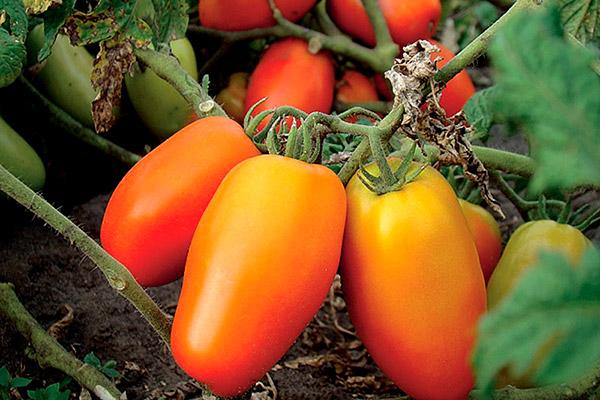
The elongated shape has made tomatoes of these varieties especially popular; they are used for:
- canning (due to its small size, the fruit is suitable for pickling in containers of minimal volume and can be used to create an assortment);
- use fresh (for preparing summer salads);
- preparation of hot dishes (the density of the fruit allows for heat treatment and stuffing);
- preparation of juices and purees.
Resistance to diseases and pests
The advantage of selective breeding is the ability to improve desired traits. Resistance to diseases and pests is an important quality for vegetable crops. Hybrids exhibit resistance to:
- to late blight (this is a fungal disease that spreads from the branches to the fruits, which slowly rot);
- to tobacco mosaic (a disease that affects bushes one after another, destroying the ovaries).
With timely treatment with preventative substances, pepper varieties can exhibit high resistance to infections.
Application
Hybrid varieties are bred for cultivation in open or closed conditions. Pepper-shaped tomato varieties are mostly indeterminate, but can also be dwarfed, reaching 50 centimeters in height.
Take a look Also

Advantages and disadvantages
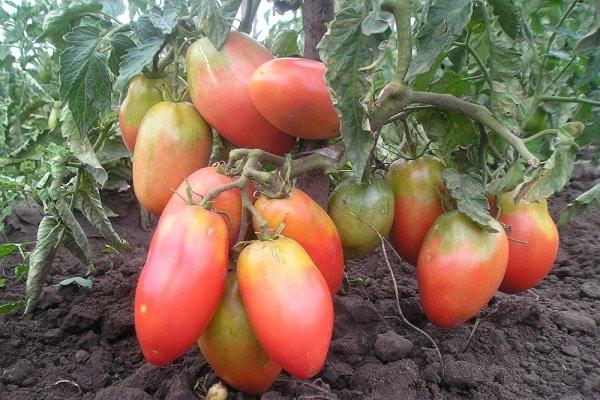
An analysis of all the properties allows us to highlight the advantages of tomatoes, as well as identify their disadvantages.
| Pros | Cons |
| High yield rate | Using a special lattice-type structure to support bushes |
| Stable fruiting | Tall varieties require tying |
| Taste quality at a high level | Regular pinching |
| Suitable for many cooking methods | |
| Possibility of growing in any type of soil |
Varieties of the variety
The basic characteristics of tomatoes are the same in most respects, but varieties have differences, from color to the ability to withstand low night temperatures.
Giant
This variety is a tall-growing variety, reaching up to 2 meters. It is recommended for greenhouse cultivation. Fruit characteristics:
- 5-9 pieces on one branch;
- average weight – 150-200 grams;
- harvesting up to 6 kilograms of tomatoes from one square meter.
The hybrid is sold by major producers on the seed market: "Sibirsky Sad" and "Aelita".
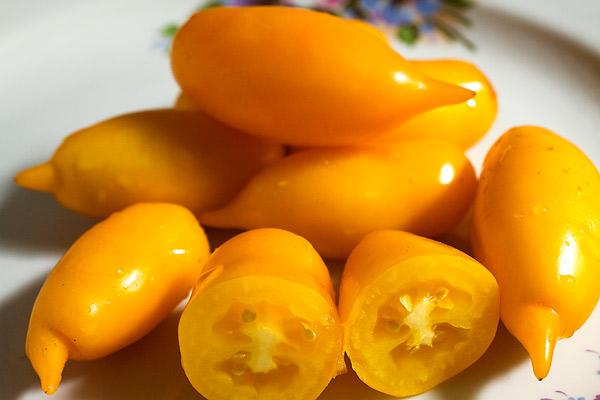
Yellow
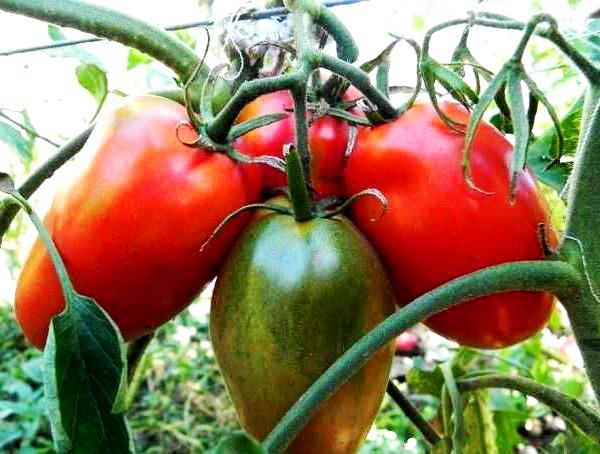
This hybrid is characterized by its yellow color and a small number of leaves per bush. When growing, it is recommended to leave one stem, and pinch the hybrid regularly. Characteristics of the variety:
- low resistance to sub-zero temperatures;
- photophilia, the need for constant access to a light source;
- The yield is high, with up to 4 kilograms of fruit collected from one bush.
Gardeners love to use yellow pepper-shaped varieties to create canned assortments.
Orange
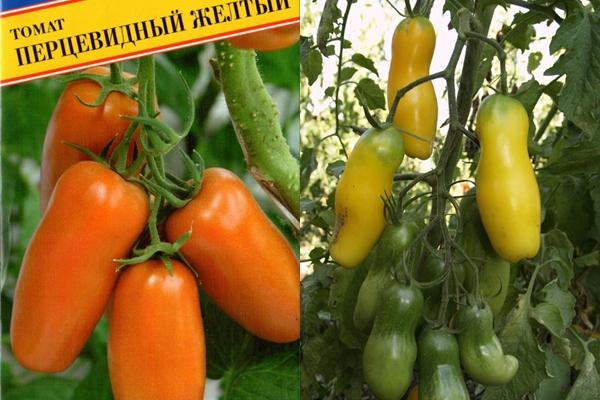
This hybrid ripens early and is recommended for greenhouses or plastic greenhouses. It is larger than the yellow pepper-shaped varieties, with fruits reaching 220 grams. Orange varieties are highly productive, with a single bush yielding up to 9 kilograms.
Red
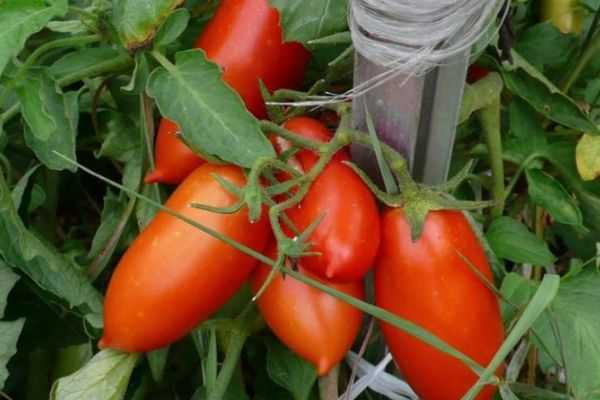
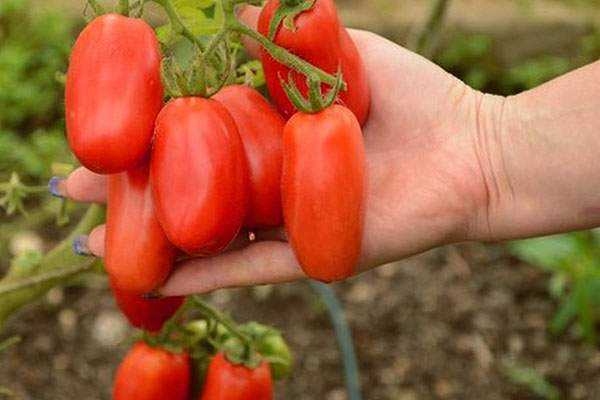
Red pepper-shaped tomato varieties are particularly popular. Hybrids are considered indeterminate. Characteristics of the varieties:
- gradual yield (harvesting continues for more than 2 months);
- one bush, if the care rules are followed, produces up to 9 kilograms of tomatoes;
- The varieties are resistant to fusarium infections.
Crimson
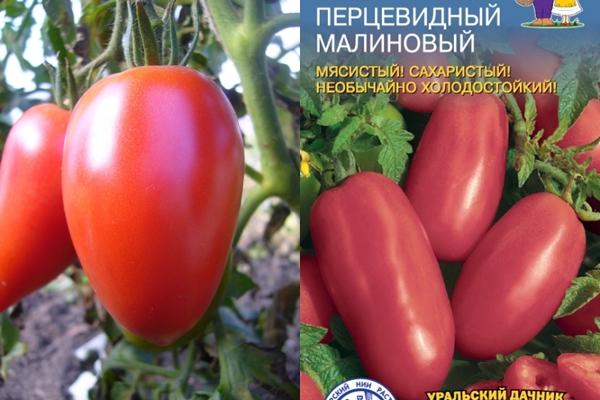
This hybrid was specifically bred for cultivation in regions with low nighttime temperatures. The varieties are determinate, meaning the bush stops growing after reaching 60 centimeters.
The raspberry color makes this variety distinctive, and it differs from related varieties in its density. The skin is firmer, a property used in preserves and heat-treated preparations.
Strongman
This is a determinate variety with high yields. Gardeners harvest around 5 kilograms of tomatoes from a single bush, a good yield for a mid-season, low-growing variety.
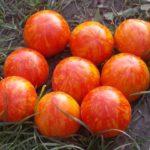
Striped
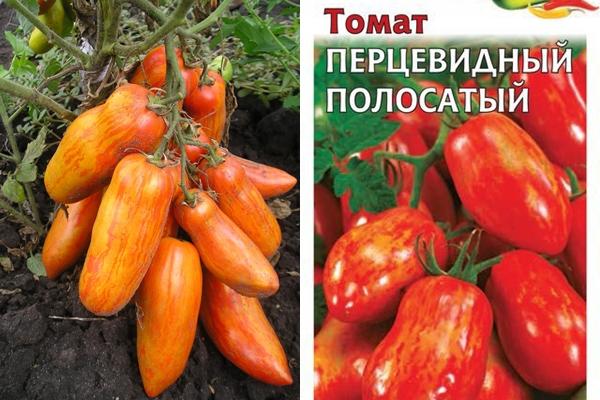
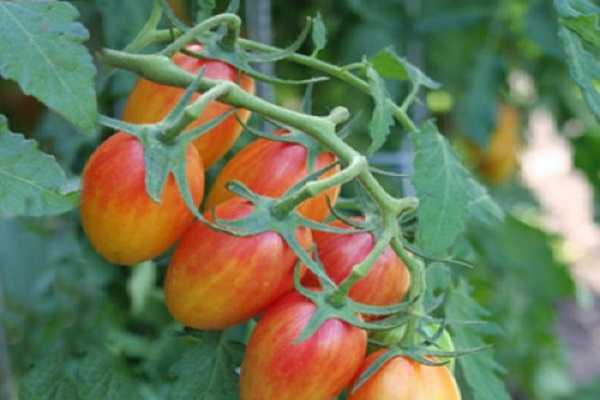
A hybrid with an interesting coloring. Those who grow it for the first time may not immediately recognize that the fruit is ready for picking. The stripes run from top to bottom, creating a feeling of unripeness.
Long Minusinsk
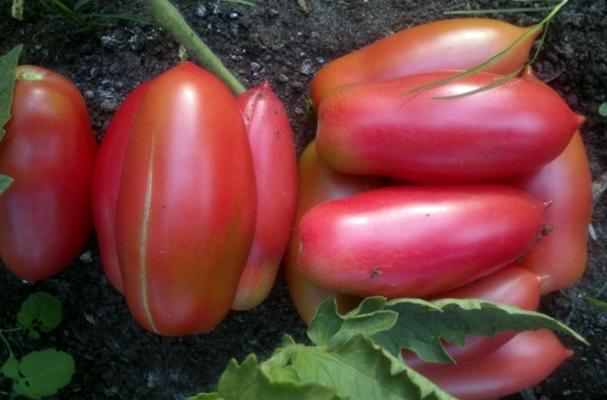
The variety was developed in a small town in the south of Siberia and is included in the state register. Minusinsk variety tomatoes Red, pepper-shaped fruits are particularly elongated at the edges. Fruit characteristics:
- average weight – up to 200 grams;
- resistant to low temperatures and diseases;
- unpretentious.
Take a look Also

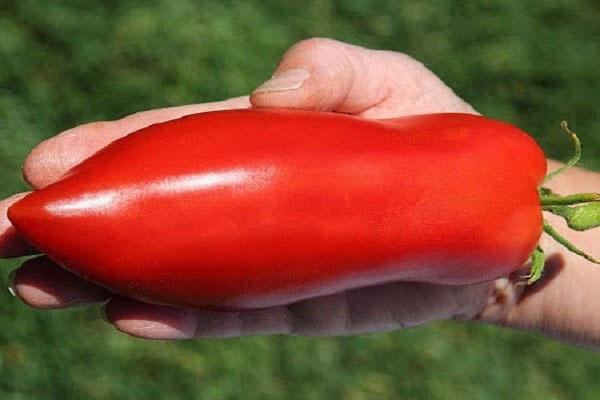
Summer residents call this type “peppers” because of their external resemblance to red pepper pods.
Cuban Black
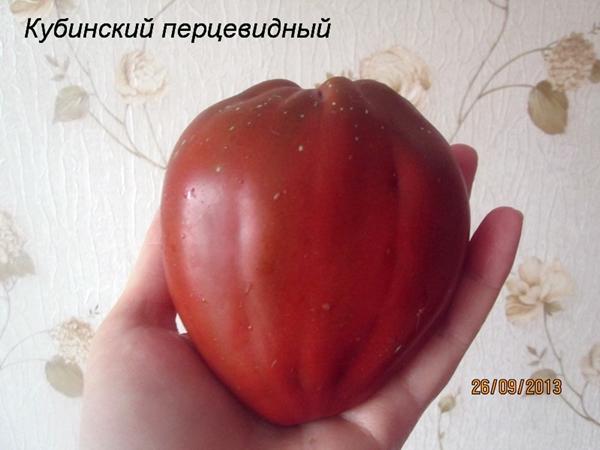
An indeterminate variety, the bushes can reach 2.2 meters in height. The fruits are described as firm and juicy, with a long shelf life.
Growing recommendations:
- regular garter and pinching;
- timely harvesting of fruits (due to the fragility of the branches, the weight of the tomatoes bends them to the ground.)
Pink
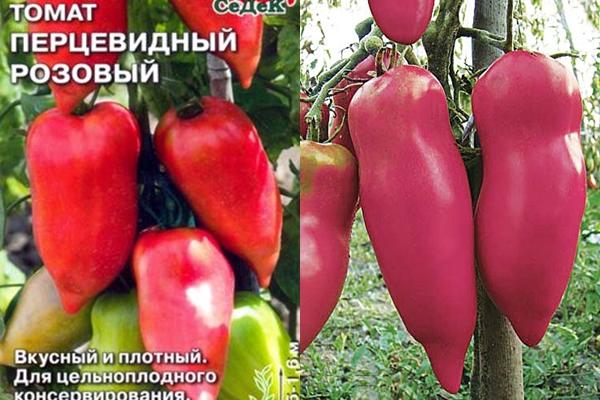
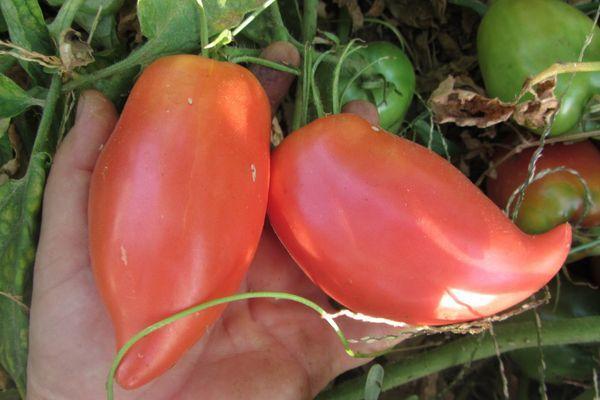
Varieties of this species are characterized by an unusual coloring. The flesh inside is even lighter, and the number of seeds is minimal.
The fruits ripen 120 days after germination. Pink tomatoes are recommended for outdoor cultivation in the south or southeast of the country.
Royal Zedek
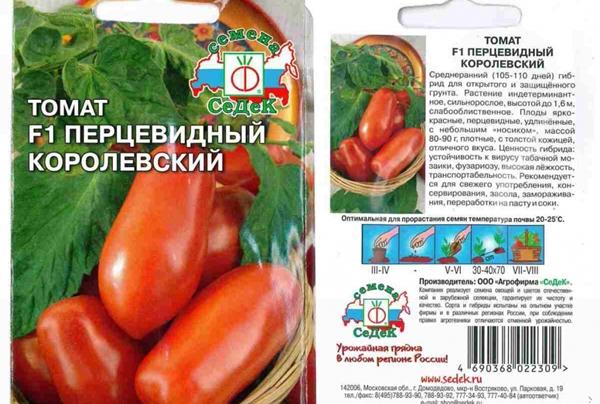
The hybrid is a mid-season variety. Plant characteristics:
- the height of the bushes reaches 1.6 meters;
- the leaves on the branches are poorly developed;
- there are up to 5-6 fruits on the branch;
- The colour is ordinary, the fruits have an even red colour.
It is suitable for regions with temperature fluctuations and sudden changes in weather conditions.
Hugo
This variety of tomato was bred in the Czech Republic. Its distinctive feature is the size of its bright red fruits. Compared to other pepper-shaped tomatoes, they are large, reaching 350 grams. They are recommended for growing in temperate climates.
How to plant tomatoes correctly
Those just starting to grow crops often wonder how to properly plant tomatoes in their garden or dacha.
Most of the time is spent preparing for planting; it goes through several stages before the seedlings are placed in open or protected soil.
Soil requirements for planting
Creating conditions for tomato growth begins with choosing the soil for planting. The basic requirements the soil must meet depend on the soil type:
- the open one must be well heated;
- The protected soil should be loose and moist.
Sowing for seedlings
To prepare seedlings, choose a mixture from a specialized store or prepare it yourself.
Important! The soil for seedlings should not be acidic.
Components of the mixture:
- garden soil;
- washed river sand;
- humus;
- moss;
- wood ash;
- peat with acidity levels not exceeding 6.5.
Organic fertilizers are not added to the seedling mixture. They can damage the seeds due to the increased heat they produce and burn them before germination. Clay or similar additives are not used, as they make the mixture too heavy.
Transplanting tomatoes into open ground
This process marks the beginning of the countdown to the appearance of the first fruit. Depending on the tomato variety, planting occurs 50-70 days after planting. The seedlings should not be overgrown and should be able to withstand adverse weather conditions.
Before transporting the plants, the soil is prepared. A week beforehand, it is covered with plastic, which provides additional warmth. The soil is loosened and fertilized with peat.
Aftercare of tomatoes
After planting, the important period of crop care begins. To ensure a good harvest within a few months, care must be consistent.

Top dressing
Nutrients necessary for plant growth and development should be added no earlier than 10 days after planting.
The fertilizing schedule should take into account soil conditions. Under normal conditions, plants are sprayed once every 14 days.
Information! Poor soils require additional cultivation.
Tomatoes are fed:
- organic fertilizers;
- mineral substances;
- complex mixtures.
Organization of watering
To water tomatoes, you need to follow several rules:
- water at the roots;
- water for irrigation should not be less than 22 degrees;
- water in the evening, after the heat subsides.
The procedure for pinching out stepsons
Pinching is important for crops to regulate growth. The frequency and recommendations for pinching depend on the variety. Indeterminate tomatoes require regular pinching. Some determinate, leafless tomatoes can be pinched several times per season.
Pest and disease control
Preventative measures can help avoid many difficulties when growing crops. Treatment with soap and tobacco solutions during the growth stage protects against aphids and fusarium.
Harvesting and storage
Tomatoes are harvested as they ripen. By this time, gardeners prepare special containers in which to store the tomatoes.
Baskets, boxes, or containers should be made of natural materials. For better preservation and to prevent rotting, line the bottom with parchment paper.
When storing, make sure there is no exposure to sunlight and the room is ventilated.
Reviews from vegetable growers
According to those who have planted various tomatoes in their gardens, Siberian hybrids are the most popular. Due to the climate, gardeners in Siberia face numerous challenges. To overcome these challenges, varieties have been bred that are resistant to low temperatures and produce abundant harvests.
Related posts:
 Description of the best varieties of black tomatoes for open ground and greenhouses
 What varieties of tomatoes are best to plant in a polycarbonate greenhouse?
 80 Best Eggplant Varieties for Different Regions with Descriptions and Characteristics
 Description of the best tomato varieties for open ground and greenhouses in the Krasnodar region
 Description of the best tomato varieties for open ground in the central zone
 The best and most productive tomato varieties for greenhouse cultivation in the Urals, with descriptions
 The best tomato varieties for growing in the Leningrad region for greenhouses and open ground
 What are standard tomatoes, description of varieties and cultivation