
Each climate requires a specific tomato variety. Based on this, specialists are constantly selecting the best tomato varieties for the Vitebsk region.
The climate here is far from ideal, so tomatoes must be chosen with particular care. They must be hardy and able to withstand the sudden cold snaps that are common in the Vitebsk region throughout the spring.
How to get a good tomato harvest
Even the most undemanding tomato varieties still require certain growing conditions. Otherwise, gardeners will end up with diseased tomato plants that simply won't yield a decent harvest.
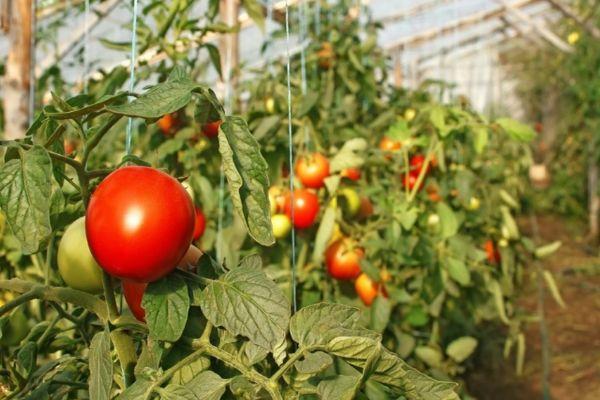
All tomatoes love light and warmth. However, some varieties tolerate short-term temperature fluctuations well. These are the ones to choose for growing in the Vitebsk region. Optimal plant growth occurs with 60% humidity, a soil pH of 6, and a temperature of around 28°C. It's important to ensure the plant receives sufficient light. A day length of approximately 16 hours is ideal for normal plant development and ripening of the tomato crop.
Most tomato varieties are considered quite demanding. If the conditions for normal plant growth are disrupted, a good harvest cannot be expected. For example, if the air temperature drops to 15°C, the plant may lose its fruit. Only certain tomato varieties are an exception.
At 10°C, you can expect the bush to stop growing. This means it will no longer produce new fruit. Excessively high temperatures are also harmful to tomatoes. If the temperature remains above 30°C, it can sterilize the pollen.
Soil for growing tomatoes must be chosen with particular care. It's important to ensure it's moderately acidic. To achieve this, periodically apply the necessary fertilizers. Loamy and sandy loam soils are ideal for tomatoes. If the soil is too heavy, tomatoes will not develop normally.
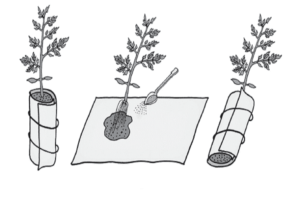

Even for the most undemanding varieties, fertilization is crucial. It's important to choose the right fertilizer. In the initial stages, choose a fertilizer with nitrogen and phosphorus. After flowering begins, the plant will need potassium.
The challenges of the Vitebsk region climate
The main problem is the unstable spring. Due to the influence of Atlantic air masses, recurrent frosts are possible at this time of year. Warmth only becomes more stable in June. Overall, summers in the Vitebsk region are not particularly warm.
This means that growing tomatoes without seedlings is impossible. Moreover, it's important to remember that not all tomato varieties can tolerate cool temperatures and ripen well in short summers. Therefore, suitable varieties for open ground cultivation must be selected with the utmost care. Almost any tomato variety can be used for greenhouse conditions.
The Vitebsk region's climate is characterized by relatively cool summers. Even in July, the average temperature here is only 18°C. This is insufficient for most tomato varieties, so growing them outdoors is not possible. It's best to choose frost-resistant and ultra-early varieties, as they will have time to ripen even with limited sunshine.
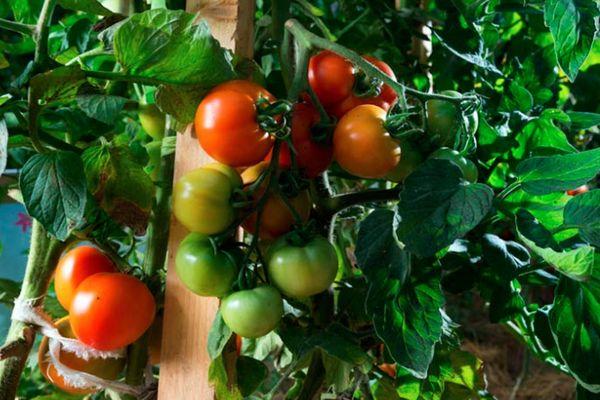
Summers in the Vitebsk region can be very rainy. Cloudy days outnumber sunny ones. High humidity also means tomatoes are prone to disease. Rot and fungal infections are particularly common in such conditions.
The soil composition in the Vitebsk region is primarily sod-podzolic. There are also some marshy and peaty areas. Growing tomatoes in such areas is difficult due to the high acidity, which can be detrimental to tomatoes. Therefore, experts recommend structuring the soil.
Given all the peculiarities of the Vitebsk region, experienced gardeners advise choosing tomato varieties with particular care. The best tomato varieties in this region are early and ultra-early hybrids.

Tomatoes for open ground
While a variety of tomato varieties can be selected for greenhouse conditions, not all varieties are suitable for open-air cultivation. Local gardeners recommend choosing hardy hybrids with early ripening fruits. These are considered more disease-resistant and ripen before the short summer ends.
Take a look Also
One suitable option for growing in the Vitebsk region is the Volgogradsky Skorospel'ny 323. This variety produces fruit in just 95 days from sowing the seeds for seedlings. A distinctive feature of this variety is its uniform ripening. It produces all its tomatoes at once, preventing diseases from affecting them.
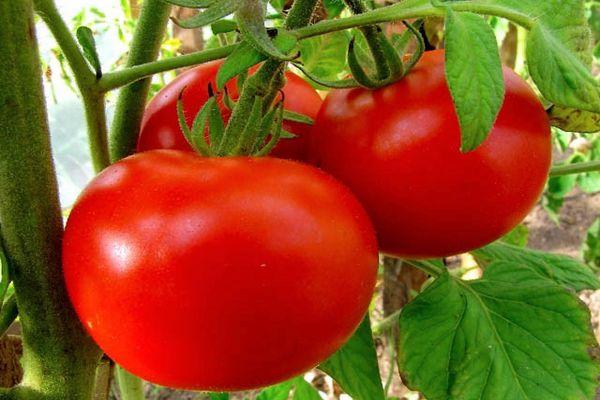
The Volgograd early-ripening tomato produces low bushes. This protects them from the cold during sudden temperature changes. Given that the plant is close to the soil, it absorbs enough heat to survive the cold. On average, bushes of this variety grow to only 50 cm. They do not require staking or shaping.
Moreover, this tomato produces a decent harvest. Each bush can yield up to 3 kg of tomatoes. The fruits of the Volgograd tomato are round, smooth, and bright red. They have a slightly tart flavor, making them ideal for whole canning. Each fruit weighs 100 g.
Another suitable variety for the Vitebsk region is the hybrid "Azhur." It ripens slowly, but still manages to produce a full harvest even in a poor summer. The fruits are ready to harvest 110 days after sowing the seeds for seedlings.
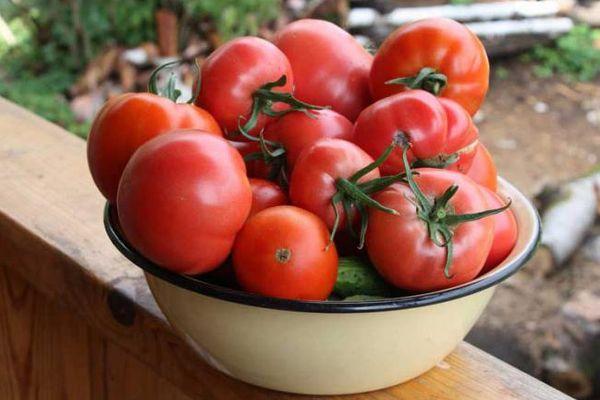
One of the main features of this variety is its robust bush. It's well-developed enough to withstand many weather conditions. The plant isn't particularly tall, reaching only 90 cm. However, each bush produces a large number of delicious tomatoes.
Azhur tomatoes are medium-sized, weighing an average of 200 g. On average, a single plant produces five clusters, each bearing five tomatoes. These tomatoes are resistant to fusarium wilt, various types of rot, and verticillium wilt. The tomatoes are very sweet in taste, and their thick skin makes them ideal for whole canning.
Many have heard about the challenging weather conditions in the Urals. But tomatoes can be grown here too. Local breeders have even created their own ideal variety, named Robinson. It's weather-resistant and rarely prone to diseases, making it a suitable choice for growing in the Vitebsk region.
Robinson is a determinate variety that grows to just over 1 meter tall. It's an ultra-early tomato, ripening in 90 days. This prevents diseases from affecting the bushes and fruit.
The tomatoes are large and pink, weighing an average of 300g. They are sweet, plump, and very juicy. Gardeners' reviews indicate that these tomatoes are ideal for vegetable salads and for preserving as juice or paste.
Gardeners who love plum tomatoes should choose the plum tomato variety. They are ideal for whole-fruit canning.
The main feature of this variety is that it yields at least 8 kg per square meter in any weather, even during cold and rainy summers. The fruits ripen 100 days after sowing. The bushes grow to only 40 cm, so they don't require staking or pruning.
Related posts:
 The best tomato varieties for growing in the Leningrad region for greenhouses and open ground
 What varieties of tomatoes are best to plant in a polycarbonate greenhouse?
 Description of the best varieties of black tomatoes for open ground and greenhouses
 What tomato varieties are best for growing in the Vologda Oblast?
 The most suitable tomato varieties for growing in the Donetsk, Kharkiv and Luhansk regions
 What is the best way to feed tomato seedlings to make them plump?
 Description of the best tomato varieties for open ground in the Nizhny Novgorod region
 The best and most productive tomato varieties for greenhouse cultivation in the Urals, with descriptions