
- What is the "upside down" method?
- Advantages and disadvantages of the technology
- Preparatory work
- Selecting the right container
- Soil composition
- Preparing seeds for planting
- Peculiarities of growing tomatoes "upside down"
- Plant care
- Installing a support for an aerial garden
- Irrigation and fertilizing of tomatoes
- Harvesting
Planting tomatoes hanging upside down allows you to grow a large harvest in limited space. Planting tomatoes upside down, using the inverted growing technique, is practiced in garden plots and at home.
What is the "upside down" method?
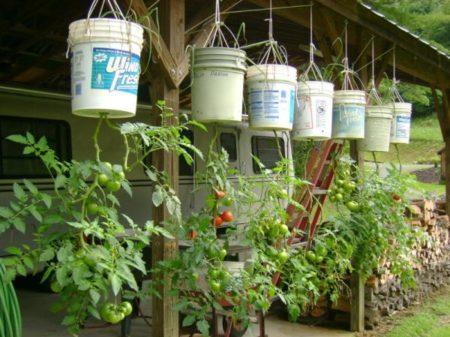
Vertical tomato planting involves hanging several containers on hooks or securing the plants to a solid surface. Beginner gardeners are wary of this technique and often wonder what will happen if they plant tomatoes in an unconventional manner. When planted correctly, the green parts of the plants, the fruits, and the roots adapt to unusual conditions and produce a consistent harvest.
Advantages and disadvantages of the technology
Planting plants vertically has a number of advantages and disadvantages. The advantages of this technology include the following:
- Space saving. By placing the plants vertically, you can grow a sufficient number of tomatoes without taking up much space on your balcony or garden.
- Decorative appearance. Tomato bushes can be attached to gates or columns for design purposes.
- Easy to care for. Watering tomatoes is the same as for any other houseplant, as water is poured directly into the pots.
- Pest protection. Vertically growing bushes are less susceptible to harmful insects that live in the soil and attack the root system.
The main disadvantage is the difficulty in planting tomatoes.It's especially difficult to carefully pull the bushes through the small holes in the pots and prevent the soil from spilling out. To keep the container filled with soil securely in place, you'll need to use reliable clamps. Another disadvantage is the need for constant moisture monitoring, as the soil quickly dries out in small containers.

Preparatory work
When planning to plant tomatoes upside down, you must first complete a number of preparatory steps. Specifically, you'll need to select suitable growing containers, purchase soil, and prepare the seedlings.
The development of the bushes, the ripening time, and the taste of the ripe fruits directly depend on proper preparation.
Selecting the right container
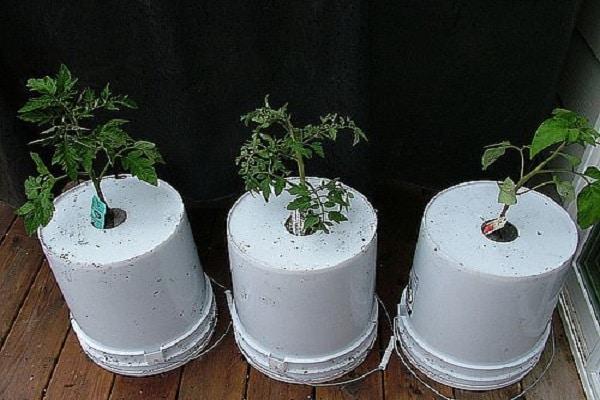
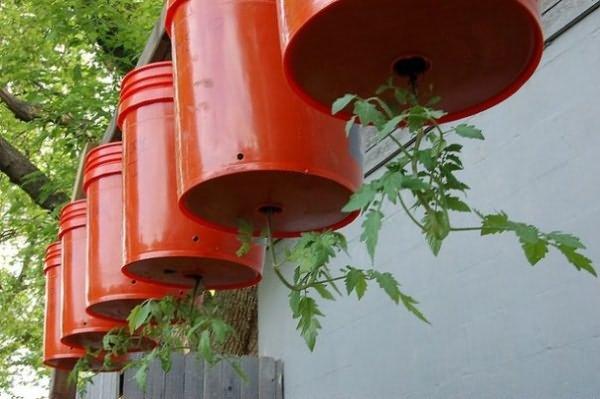
To grow vegetables, you need to prepare containers with a capacity of at least 20 liters. Large plastic bottles, buckets, baskets, containers, and other types of containers can be used as tomato containers. Make a small hole 5-10 cm in diameter at the bottom to allow the stem to pass through. The containers with transplanted seedlings are suspended at a height of about 1.5 m.
Soil composition
You can purchase soil for growing tomatoes at a gardening store or prepare it yourself. If you buy it, it's best to choose a special tomato soil mix. This will eliminate the need for additional fertilizers.
To prepare soil at home, you'll need forest or sod soil, sand, and peat. All ingredients are poured into a container in equal proportions and mixed thoroughly. Avoid adding large amounts of fertilizer to the soil, as this can negatively impact yield. This is because the container's capacity is limited, and the nutrients are quickly delivered directly to the plants. Typically, one tablespoon of ammonium nitrate and superphosphate is added to a 20-liter container.

A balanced soil acquires a set of characteristics necessary for active growth and development. Specifically, the soil possesses:
- fertility;
- neutral acidity;
- looseness;
- moisture capacity.
Preparing seeds for planting
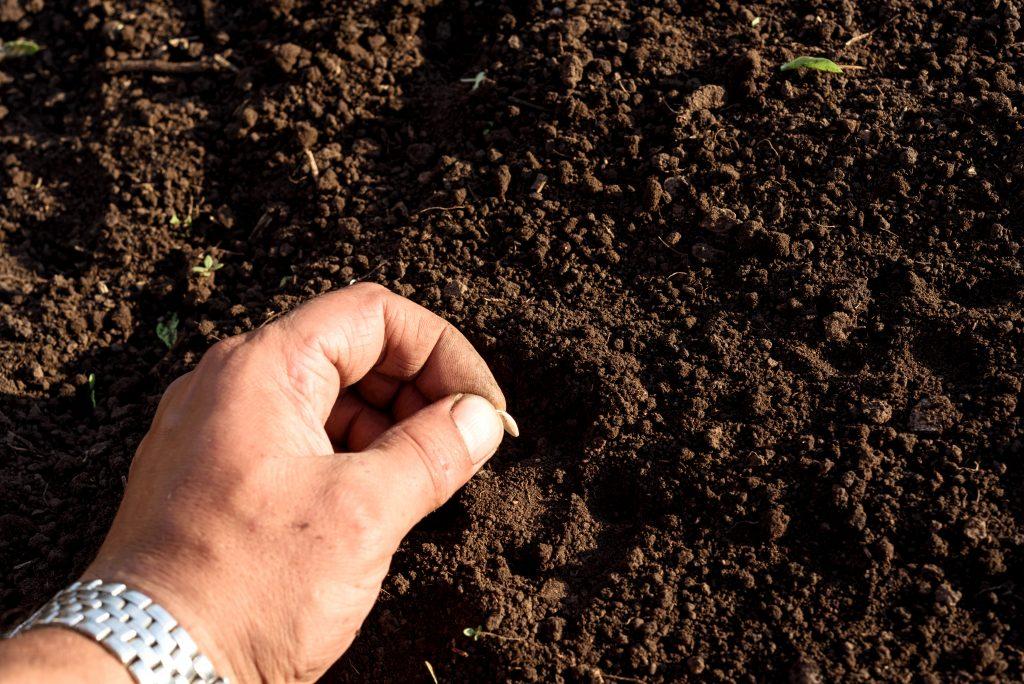
The first step in preparing planting material is sorting. To select the best seeds, they are immersed in a salt solution and stirred for a couple of minutes. After 10 minutes, the empty and small seeds will float to the surface, while the good ones will sink to the bottom. The sorted seeds are thoroughly rinsed with water and dried.
If the material was stored in a cool place, it needs to be warmed up within a week before planting.
At home, it is enough to place the seeds in cloth bags and place them next to the radiator.
To prevent seedling infection, disinfect the seeds. Simply soak them in a weak solution of potassium permanganate for 20 minutes. A 2-3% hydrogen peroxide solution heated to 40-45 degrees Celsius can also be used.
Peculiarities of growing tomatoes "upside down"
When planting tomatoes upside down, several nuances of this technique must be taken into account. When faced with the question of how to grow tomatoes, it's important to familiarize yourself with the specifics of care and the correct method for placing the bushes on vertical supports.
Plant care
Tomatoes grown upside down require constant care, just like vegetables planted in the ground. The difference is that they are easier to maintain, as they don't require staking. A single treatment is sufficient to protect against common diseases. An additional benefit is the minimal amount of weeds that need to be removed regularly.
Installing a support for an aerial garden
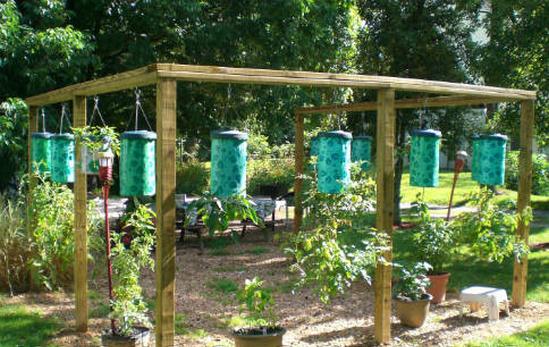
To secure tomato containers, they need to be securely fastened to a vertical surface. The pots are tied with steel wire or thick rope. Some gardeners use decorative chains for this purpose. The hooks for hanging the containers can be made of aluminum. When securing the containers, keep in mind that the plants will increase significantly in weight as the harvest matures, especially if you're growing large-fruited varieties.
Irrigation and fertilizing of tomatoes
Plants should be watered from top to bottom. Water as the soil in the pots dries out. Avoid allowing the soil to dry out completely, as this will cause root death and subsequent death of the plant. Overwatering can cause the plants to rot. Water early in the morning or evening to allow the moisture to be absorbed into the soil before exposure to strong sunlight.
Fertilizing tomato bushes with liquid fertilizers is carried out starting from the top basket, similar to watering.
Other types of fertilizers can be applied in any order. Fertilize plants 3-4 times during the season. The first application is before planting tomatoes, the second three weeks after sowing, and the third and fourth applications at the beginning of flowering and a week before the expected fruiting.
Harvesting
Harvesting ripe fruit is much easier than when planting in the ground, as you don't have to bend over to pick it. When harvesting, carefully pull or cut the vegetables, as plants planted upside down are quite fragile and can be damaged.
Related posts:
 What is the best way to feed tomato seedlings to make them plump?
 What fertilizers and when to use for feeding tomatoes in a greenhouse
 How to prepare tomato seeds for planting seedlings
 15 simple recipes for pickling tomatoes in jars for the winter
 Description of the best varieties of black tomatoes for open ground and greenhouses
 How to plant, grow, and care for tomatoes in a polycarbonate greenhouse
 What is the best way to mulch tomatoes in open ground and greenhouses?
 The best eggplant varieties for growing in a polycarbonate greenhouse: planting and care