
- Characteristics of the Chocolate tomato
- Productivity and fruiting
- Application of fruits
- Resistance to diseases and pests
- Description of fruits
- Positive and negative traits of the variety
- Features of crop cultivation
- Planting dates
- Planting seedlings
- Plant transplantation
- Recommendations for tomato care
- Watering
- Top dressing
- Pinching out stepsons
- Mulching
- Weeding
- Tying up bushes
- Protecting crops from diseases and pests
- Cleaning and storage
- Reviews from summer residents and gardeners
It's hard to find a garden plot that doesn't grow tomatoes. There are so many varieties available on the market that it can be difficult to choose just one without making a mistake. One popular variety is the Chocolate tomato.
Characteristics of the Chocolate tomato
Before purchasing seeds, it is important to study the variety description and all its characteristics to avoid disappointment in your choice.
Productivity and fruiting
Fruiting is abundant and prolonged, with bushes producing fruit throughout the entire growing season. A single bush can yield up to 7 kg of fruit. This variety is considered a mid-early ripening cultivar. When grown in a favorable climate, yields can exceed 10 kg. When grown in northern latitudes, it is recommended to plant seedlings in a greenhouse or hotbed.
Application of fruits
Ripe tomatoes are suitable for making tomato juices and sauces. Due to their large size and thin skin, they are not recommended for canning. Whole tomatoes often crack when preserved. Due to their sweet flavor, they are most often used in fresh vegetable salads.
Resistance to diseases and pests
The main advantage of the Chocolate tomato variety is its resistance to nightshade diseases. Particularly noteworthy is its strong immunity to various types of rot.
Tomatoes may become infected with late blight if growing conditions are unfavorable. Bushes should not be planted too close together or overwatered, especially in hot weather.
Description of fruits
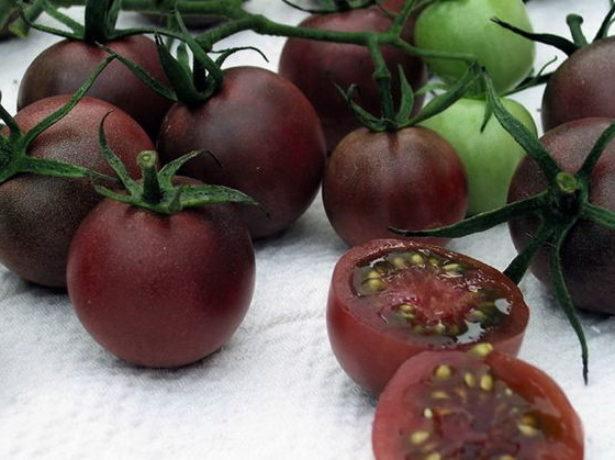
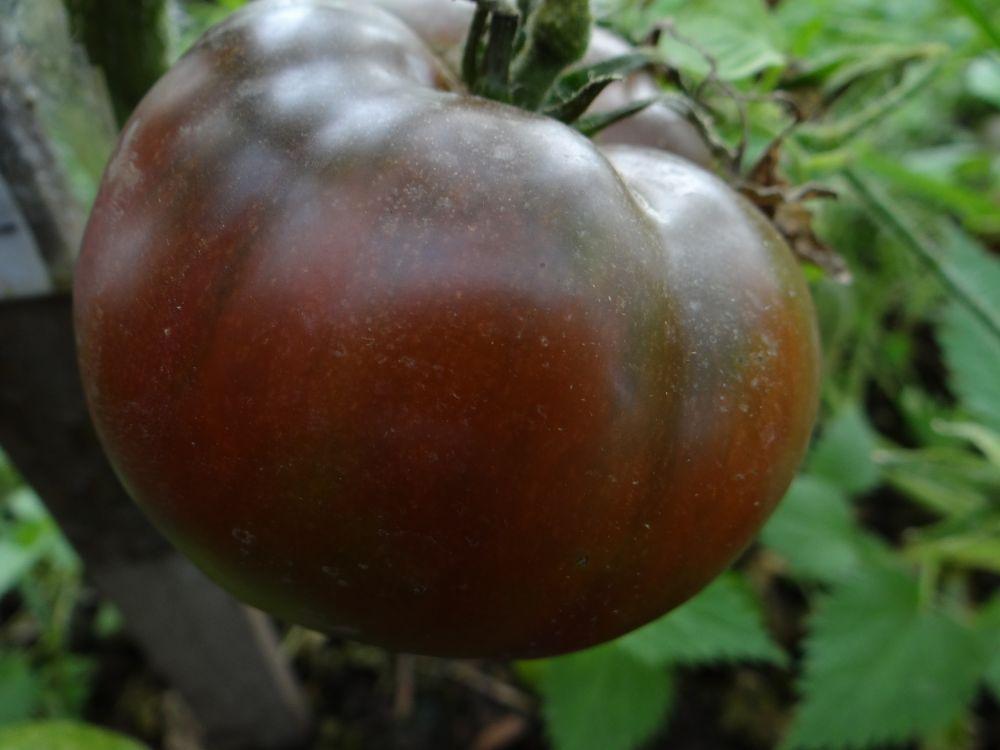
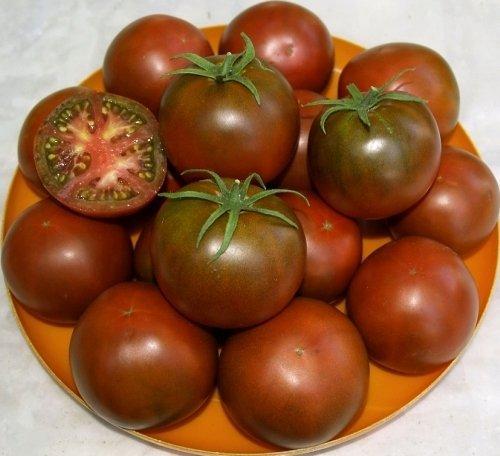
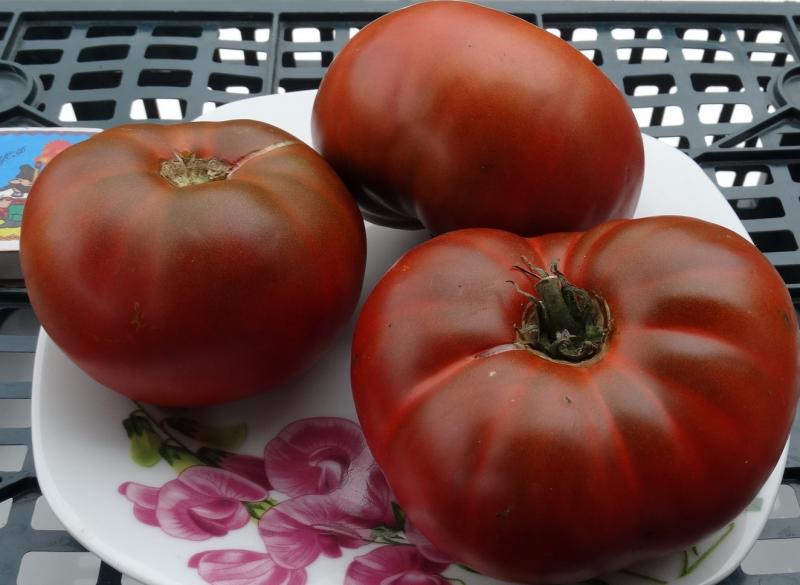
The Chocolate tomato variety has an unusual fruit color. The skin is reddish-brown. The flesh is a rich burgundy color. There's a green spot near the stem. Despite this color, ripe tomatoes are very sweet and delicious.
The variety is large-fruited, the weight of ripe tomatoes reaches 250 g. The maximum weight is 400 g. There are 2 to 5 seed chambers inside the fruit.
The fruits do not store for long; after harvesting, they need to be processed as quickly as possible.
Positive and negative traits of the variety
Advantages of the Chocolate tomato variety:
- Good yield.
- Sweet and juicy tomatoes.
- Disease resistance.
- Fruiting throughout the entire growing season.
- The tomatoes are large in size.
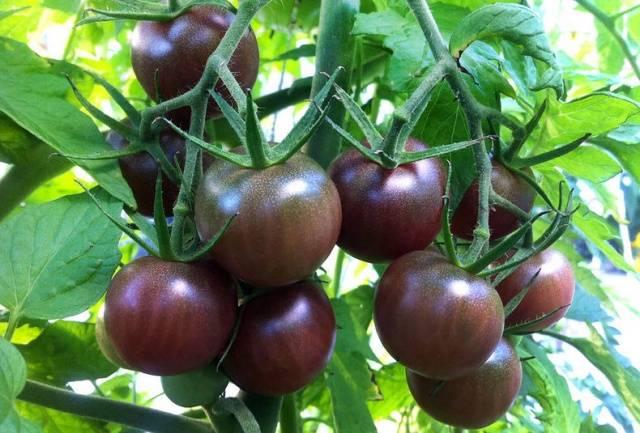
This variety has no significant drawbacks. The only downside is that under unfavorable growing conditions, the bushes can be susceptible to late blight. The height and size of the bush may also be a drawback for many. The plants are tall, reaching up to 1.3 m in height.
Features of crop cultivation
The Chocolate tomato variety is easy to grow, making it a pleasure. The key is to pay close attention to planting the seedlings to ensure they grow strong.
Planting dates
Seeds are sown for seedlings in late February or early March in southern regions. In northern and central regions, sowing occurs closer to mid-March.
Planting seedlings
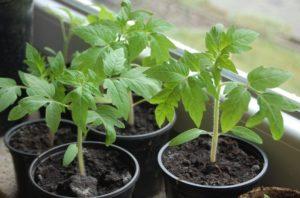
Before planting the seeds, wash the boxes with a solution of potassium permanganate. You can buy ready-made soil or make your own. You'll need soil from your garden, peat, and drainage. Mix the peat and soil, and add drainage to the bottom. Then, add the soil.
To ensure faster germination, seeds are germinated before planting.
To do this, place the seedlings in damp cheesecloth and place them in a warm, dark place. For example, on a radiator near a windowsill. Moisten the cheesecloth regularly to prevent it from drying out. After two days, the seeds will sprout and can be planted in soil.
Planting process:
- Make furrows 1-2 cm deep in the soil.
- Then sow the seeds.
- Lightly cover them with soil.
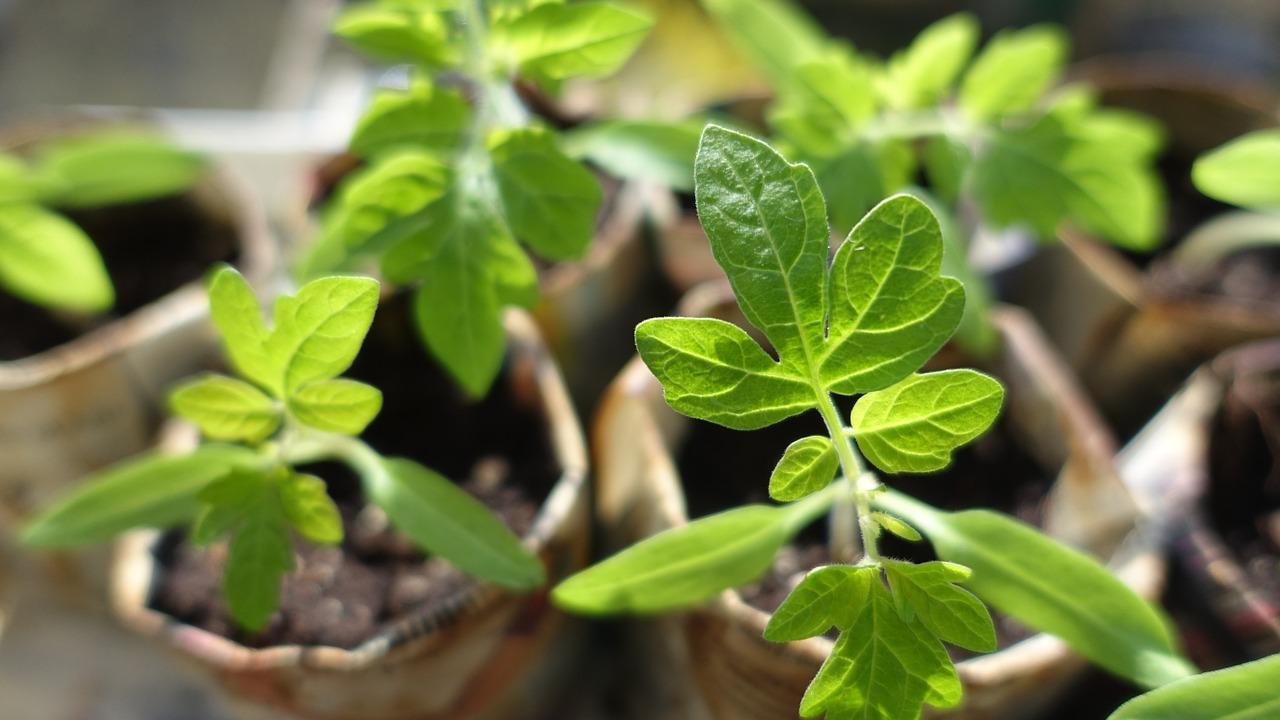
At the end of planting, water generously with warm water and place on a sunny windowsill.
Plant transplantation
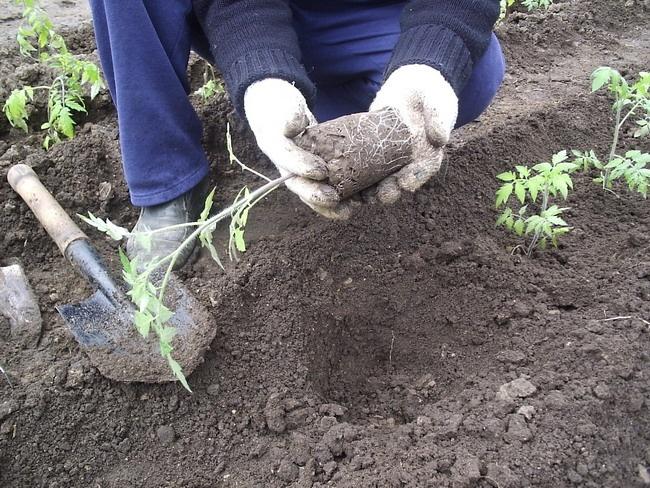
Tomato seedlings are transplanted after they have grown and strengthened. Planting takes place in May, when the soil has warmed up and the weather has become warm. The soil temperature should be 15 degrees Celsius or higher.
A few weeks before planting, dig up the soil and add rotted manure. Then, make holes at least 10 cm deep. The Chocolate variety is a tall plant, so leave as much space between holes as possible—approximately 30-50 cm.
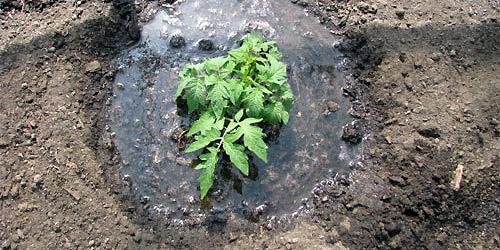
Don't plant seedlings too deeply, no more than 4 cm. Firm the soil around the stem and water thoroughly at the end of planting. It's best to cover the beds at night, as May often brings cold snaps, which can kill the seedlings.
Recommendations for tomato care
With proper care of tomatoes, you can significantly increase the yield. Particular attention should be paid to watering and fertilizing the soil.
Watering
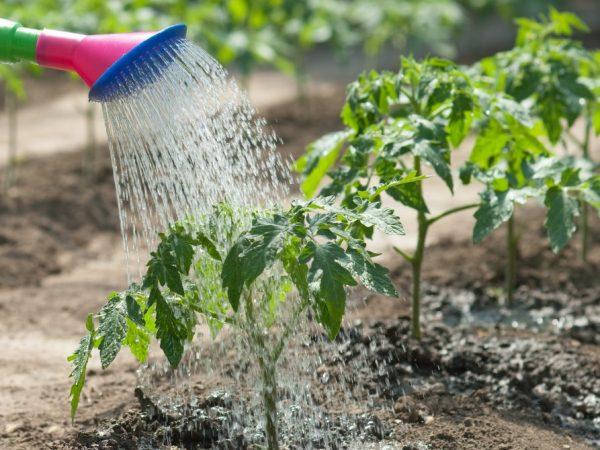
Tomatoes don't require frequent watering. If the soil is constantly waterlogged, the fruits will grow waterlogged and tasteless. Watering the beds 2-3 times a week is sufficient. Water in the evenings with warm water. Watering the soil with ice-cold water increases the risk of fungal diseases.

Top dressing
Tomatoes require nutrients. During the first half of the season, when the plants are actively growing, nitrogen is added to the soil. Nitrogen-containing fertilizers stimulate growth, and tomatoes begin to bear fruit faster. Fertilizers used include ammonium sulfate, urea, and sodium nitrate.
Once tomatoes begin to bloom, stop adding nitrogen to the soil and begin feeding the plants with potassium and phosphorus. These fertilizers have a positive effect on fruit set and improve the taste of the tomatoes.
In addition to mineral fertilizers, bushes are also fed with organic fertilizers. For example, you can water the beds with a weed infusion or sprinkle wood ash on them and then water them. Another organic fertilizer recipe is to water the beds with a banana peel infusion. Banana peels are soaked in water and left in a dark place to ferment for 7 days. Before watering, the fertilizer is diluted in water.
When fertilizing, pay attention to the appearance of the bushes. If the plants are actively growing foliage, they are overfed. In this case, stop fertilizing.
Pinching out stepsons
Tomato plants need to be pruned. This variety is a tall one, so lower branches need to be removed as they grow. They're useless and rob the plant of nutrients. You can remove the side shoots by hand, but it's better to use pruning shears.
Mulching
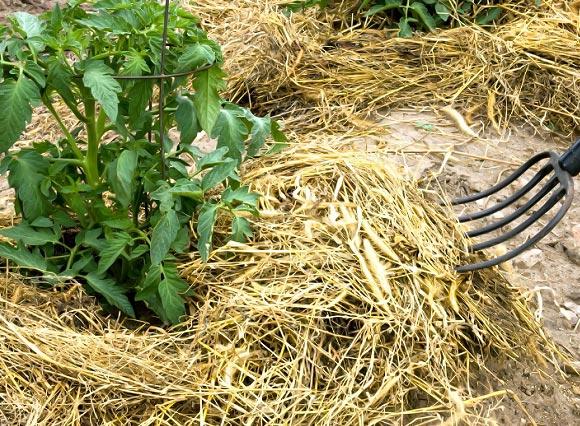
Another measure that can increase yield is mulching the beds. Peat, sawdust, or special agrofibre can be used as mulch. The mulch layer should be at least 15 cm thick. Mulching eliminates the need for weeding, removing weeds, and frequent watering.
Weeding
Once a week, before watering, weed the soil and remove all weeds from the area. There's no need to weed deeply; 7-10 cm is sufficient. Weeding also increases the oxygen supply to the root system, which encourages more vigorous growth and fruiting.
Tying up bushes
Tall tomato plants need to be supported. If left unsupported, the stems will break under the weight of the fruit. Staking is done early in the growing season, when the plants have grown relatively tall.
Protecting crops from diseases and pests
Although the Chocolate tomato variety is considered disease-resistant, extra prevention won't hurt.
Preventive measures against pests and diseases:
- It is not recommended to plant tomatoes close to each other.
- Weeds should be removed regularly and prevented from growing on the plot. Weeds not only introduce diseases but also pests to crops.
- You can’t water the beds with cold water or flood the tomatoes.
- Don't forget to fertilize. Tomatoes grow poorly in poor soil and have a weak immune system.
Common tomato diseases include:
- Tobacco mosaic. The first sign is the appearance of yellow spots on the foliage. These then curl and become wrinkled. This disease is incurable. Affected plants are dug up and destroyed. The soil is then watered with a solution of potassium permanganate. As a preventative measure, seeds are treated with a pre-planting solution.
- Late blight. In hot and humid weather, bushes often become infected with late blight. Late blight is most common in open-ground plants. A characteristic symptom is the appearance of dark spots on the fruit. Spraying with "Zaslon" or "Barrier" helps prevent late blight.
Slugs are a common insect pest on tomatoes, especially if cabbage is grown nearby. Another pest is the cutworm. These are small caterpillars that come in a variety of colors. You can get rid of these pests by treating the plants with "Strela." Also, after harvesting, dig the soil to a depth of 20 cm.
Cleaning and storage
Harvesting begins in early August. The first reddened fruits may appear in late July. Don't keep ripe fruits for too long; they will rot and spoil.
Storing tomatoes for long after harvesting isn't recommended, as they spoil quickly. It's best to can them immediately.
Reviews from summer residents and gardeners
Reviews from gardeners who planted this variety on their plots.
Valentina, 42: "I've been planting this variety for several years now. The yield is always excellent. The tomatoes are large and sweet, dark red with a hint of brown. The bush produces fruit almost all summer. The tomatoes are best eaten fresh; it's a shame to send them for processing. The fruits are very tasty."
Konstantin, 32: "It's a good variety, productive. The bushes are tall, though, so it's not ideal for small plots. Overall, I'm happy with the tomato. I'll be planting more. The tomatoes are so sweet, it's a shame to use them for canning."
Related posts:
 What varieties of tomatoes are best to plant in a polycarbonate greenhouse?
 Description of the best varieties of black tomatoes for open ground and greenhouses
 Growing and caring for tomatoes in a greenhouse from planting to harvest
 Characteristics and description of the Bull's Heart tomato variety, yield and cultivation
 The best eggplant varieties for growing in a polycarbonate greenhouse: planting and care
 Step-by-step technology for growing tomatoes on the balcony, the best varieties with descriptions
 The best ways to properly tie up tomatoes in open ground and greenhouses
 Description of the best tomato varieties and ratings for greenhouses in 2025
I think it's a remarkable variety, both in appearance and taste. I've only grown it a couple of times, but the experience was exceptionally good. The only downside is that the fruits are very delicate and don't stay fresh for long.